

Maddy summaryHB 1589 creates a voluntary Education Employee Assistance Program within Oklahoma's Department of Mental Health and Substance Abuse Services to support public school employees and their families facing personal challenges like mental health issues, substance abuse, or financial difficulties that affect work performance. The program requires school districts to keep participant records separate from regular personnel files, ensures confidentiality (with limited subpoena exceptions only for serious safety threats), and mandates that school districts follow Board-established rules if they operate their own employee assistance programs. Participation cannot excuse employees from disciplinary action or alter their employment terms, and the program does not replace existing district programs. The bill takes effect July 1, 2025.
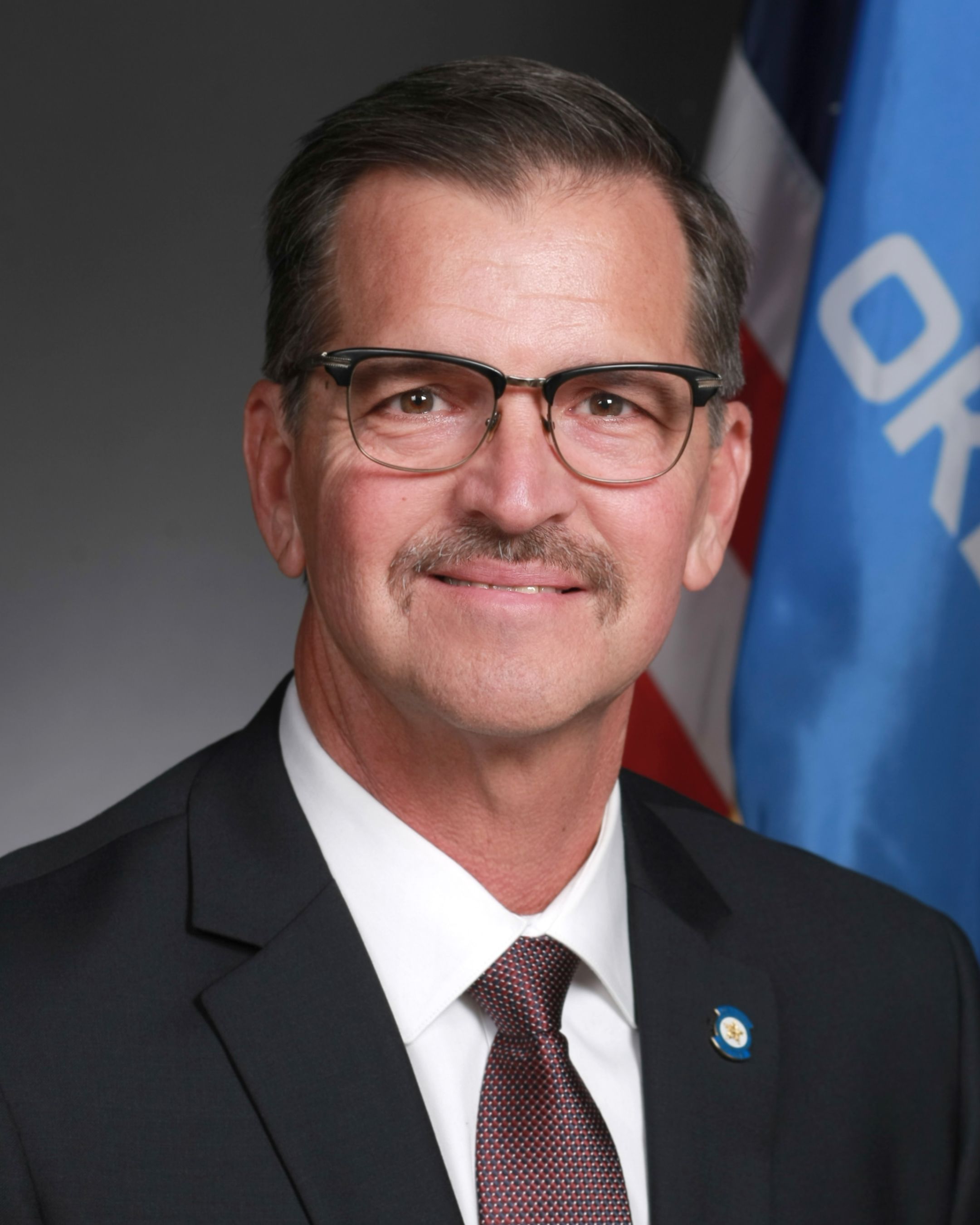
Rep. Ronny Johns
Sponsored bills
Maddy summaryHB 1489 amends Oklahoma's charter school application process to require applicants to demonstrate community support within the proposed school's geographic area. It adds specific criteria for sponsors to evaluate charter school replication proposals, including evidence of academic success, financial viability, and the ability to replicate successful programs without harming existing schools. The bill also mandates 10 hours of training for both applicants and sponsors on charter school requirements, to be provided by the Statewide Charter School Board. These changes apply to all new charter school applications filed after July 1, 2024, directly affecting charter school applicants, sponsors, and community members.
Maddy summaryHB 1489 updates Oklahoma's charter school application process by requiring applicants to complete a 10-hour training program about charter school requirements before submitting applications. It also mandates that sponsors (like school districts or the Statewide Charter School Board) must demonstrate "clear community support" from the proposed school's geographic area as part of the approval process. These changes apply to all new charter school applications filed after July 1, 2024, affecting charter school applicants, sponsors, and the Statewide Charter School Board. The bill does not alter funding, academic standards, or existing school operations.
Maddy summaryThis bill names the "Education Reform Act of 2025" and sets its effective date as November 1, 2025. It contains no substantive policy provisions or mechanisms - only establishing the act's title and effective date. As a procedural measure, it does not directly affect any individuals, schools, or policies. The bill is purely administrative, creating a reference name for future legislation without altering existing law.
Maddy summaryHB 1134 is a procedural bill that establishes the name "Oklahoma Mental Health Reform Act of 2025" for future legislation but contains no substantive policy provisions. It only sets an effective date of November 1, 2025, for the named act. The bill does not create new programs, change existing laws, or affect any specific groups. It is currently in committee referral after its initial introduction on February 3, 2025. This is a naming resolution, not a policy bill.
Maddy summaryHB 1056 requires new district superintendents in Oklahoma to complete 66 hours of specific professional development within their first year of employment to maintain their certification. The training must cover areas like school finance, legal issues, community relations, and special education law (IDEA), with local districts determining the exact workshops. Superintendents who fail to complete the training will lose their certification, and districts must submit verification to the state education department. The law takes effect July 1, 2025, and is classified as an emergency measure.
Maddy summaryHB 1490 is a procedural bill that names the "Education Reform Act of 2025" and sets its effective date as November 1, 2025. It does not establish new policies or provisions affecting any specific groups. The bill only serves to formally designate the act's name and implementation timeline. No substantive changes to education policy are described in the provided text.
Maddy summaryHB 1742 creates a tax credit program allowing Oklahoma taxpayers to claim credits for qualified education expenses paid for eligible students. The credit amount varies by household income (ranging from $5,000 to $7,500 annually) and covers tuition at accredited private schools, tutoring, textbooks, and standardized test fees. Eligible students include those attending accredited private schools or receiving education through approved alternative methods. Parents must submit receipts to the Oklahoma Tax Commission to claim the credit, which can be refunded if it exceeds their tax liability. This bill directly affects Oklahoma parents/guardians paying for qualifying education costs for their children.
Maddy summaryThis bill is a procedural measure that names the "Education Reform Act of 2025" and sets its effective date as November 1, 2025. The provided text contains no substantive policy provisions, mechanisms, or specific changes to education laws. It does not describe any new programs, funding, or requirements that would directly affect schools, students, or educators. As presented, the bill serves only to establish a title and effective date for future legislation, with no concrete policy changes detailed in the text.
Maddy summaryHB 1133 creates the "Transportation Modernization Act of 2025" as a named legislative act without specifying substantive policy changes. It sets an effective date of November 1, 2025, for the act. This is a procedural bill that establishes the act's name and effective date, with no described mechanisms or policy provisions affecting any specific group or agency. The bill does not detail transportation improvements or funding, as it is solely for naming and timing purposes.