

Maddy summaryHB 3371 is a procedural bill that creates the name "Oklahoma Firearms Act of 2026" for future firearm-related legislation and sets its effective date as November 1, 2026. It contains no substantive policy changes or new regulations regarding firearms. The bill only establishes a title and effective date for potential future legislation, without altering current laws or affecting any specific group. This is purely a naming and scheduling measure, not a policy bill. (Sections 1 and 2 of the bill text confirm this procedural nature.)
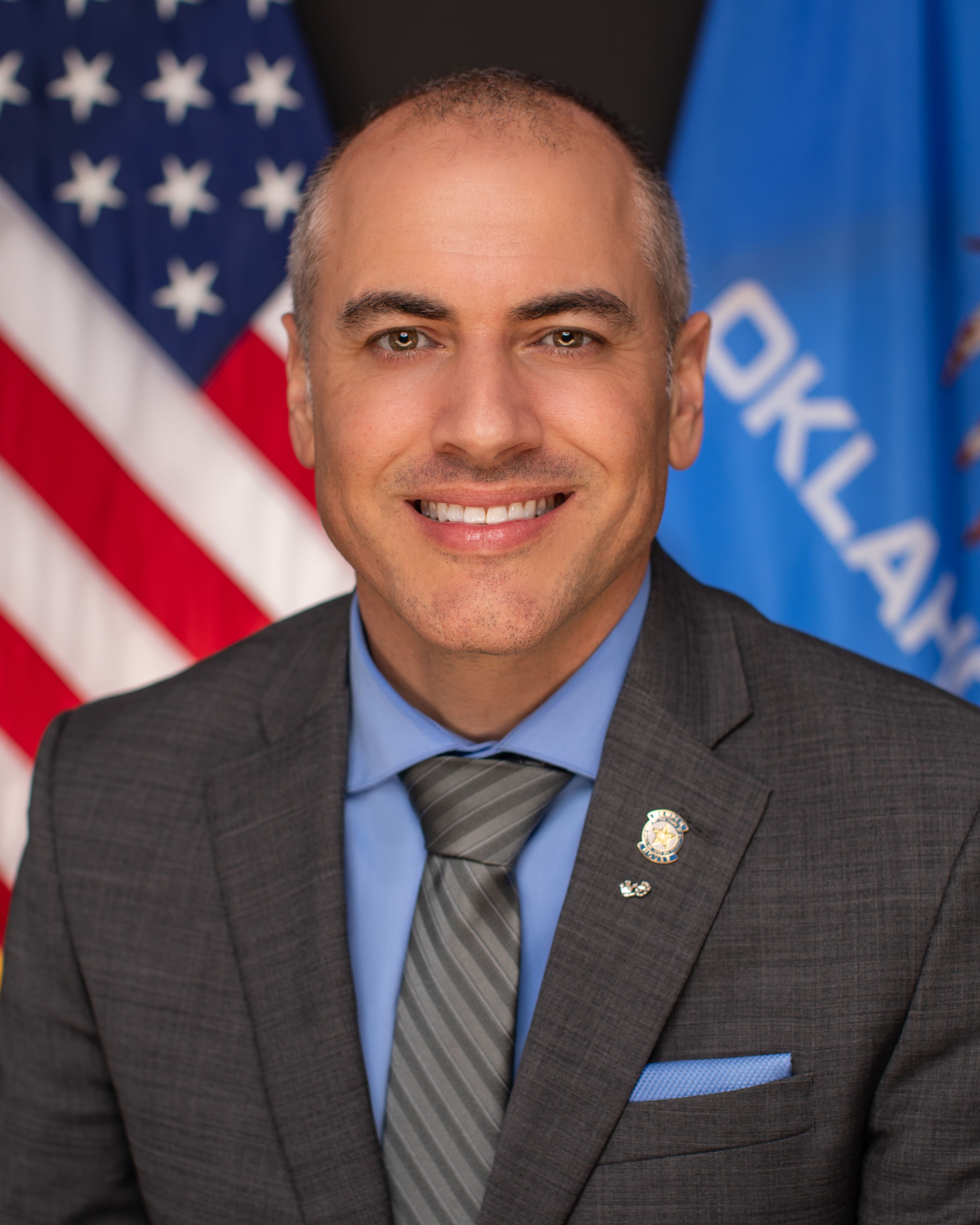
Rep. Derrick Hildebrant
Sponsored bills
Maddy summarySB 2020 strengthens parental access to information about minor children by modifying Oklahoma's medical, educational, and counseling privacy laws. It removes minors' ability to block parents from accessing confidential communications with healthcare providers (amending 12 O.S. §2503) and clarifies parental rights to review school records, direct education, and make healthcare decisions (amending 25 O.S. §2002). The bill also revises medical treatment laws (63 O.S. §2602) to limit when minors can consent to treatment without parental involvement and updates disclosure rules for counselors (59 O.S. §§1910, 1939). These changes directly affect parents, legal guardians, and minors under 18 in healthcare, education, and counseling settings.
Maddy summaryHB 3370 requires all Oklahoma mobile food trucks (including those using gas, electric, or grease-based cooking) to comply with fire safety codes by November 1, 2028. It mandates specific fire safety equipment, such as a 6-liter Class K portable extinguisher for grease-related cooking, and annual inspections by the State Fire Marshal or Oklahoma Liquefied Petroleum Gas Administration. The bill directly affects food truck operators, requiring permits, annual inspections, and adherence to state fire codes. It also clarifies that the State Fire Marshal oversees compliance, while local governments may still enforce separate permits or zoning rules. The law expires on November 1, 2028, after which full compliance with updated fire codes is required.
Maddy summarySB 1252 amends Oklahoma's Open Meeting Act to require all public bodies (like city councils, school boards, and county commissions) to provide a reasonable opportunity for public comment on each agenda item before taking official action. The bill mandates that public comment must occur prior to votes, while allowing public bodies to set uniform, reasonable rules for comment duration, order, and sign-up procedures. It does not change existing notice requirements for meetings but specifically adds this public comment provision to the statute. The bill directly affects all local and state government groups covered by Oklahoma's Open Meeting Act.
Maddy summarySB 1402, the "Health Care Sharing Ministries Tax Parity Act," creates tax benefits for Oklahoma residents who participate in qualifying health care sharing ministries (HCSMs). It allows eligible residents to deduct qualified health care sharing expenses (including membership fees and administrative costs) from their Oklahoma adjusted gross income for tax years 2027 and later. Additionally, it exempts from taxable income any "qualified health care share" received by individuals through an HCSM for medical expenses. The bill defines HCSMs as not-for-profit, faith-based organizations that operate without insurance-like guarantees, and requires claims to be filed using forms prescribed by the Oklahoma Tax Commission.
Maddy summaryHB 1075 requires school superintendents to provide written dismissal recommendations for teachers and administrators with specific, documented reasons. If a recommendation involves potential criminal charges or certificate revocation issues, it must be forwarded to the Oklahoma State Board of Education. The bill also mandates that if an investigation clears an educator of wrongdoing, the record is expunged from State Board files. All recommendations are kept confidential under Oklahoma law, with strict rules for handling requests by school districts during employment decisions.
Maddy summaryHB 1075 expands Oklahoma's teacher dismissal rules to include administrators and support staff. It requires school districts to forward written dismissal recommendations to the State Board of Education regardless of whether the employee resigns during an investigation, especially if the case involves potential criminal charges or certificate revocation. Employees cleared of wrongdoing after an investigation may request the State Board of Education to remove the record from their file (expungement), but only with proof of no misconduct and Board approval. All records related to these recommendations remain confidential and are not subject to public disclosure under Oklahoma's Open Records Act.
Maddy summaryHB 1095, the Municipal Carry Act, modifies where individuals with valid handgun licenses can carry firearms in government-owned or leased properties. It allows concealed carry in parking areas, parks, and school parking lots (with firearms stored hidden in locked vehicles when unattended), while maintaining prohibitions in courthouses, schools, and event venues without specific authorization. Private schools may permit carry via adopted policies, and school districts can designate personnel with security licenses to carry on school property. Violations of prohibited areas may result in a $250 misdemeanor fine or removal from the property.
Maddy summaryHB 1095 modifies Oklahoma's firearm carry laws to permit certain individuals to carry firearms in specific municipal locations previously restricted. It authorizes elected officials and designated employees (like security personnel) to carry concealed handguns in city, town, or county government buildings, provided the property isn't otherwise prohibited under existing law. The bill also allows private school staff with valid licenses to carry on school property if the school adopts a written policy permitting it, and permits firearm carry in school parking areas (with vehicles locked and hidden). These changes apply only to designated locations and do not override existing bans in courthouses, schools, or facilities with minimum-security measures.
Maddy summarySB 368 updates definitions in Oklahoma's vessel registration law to clarify terms like "boat livery," "canoe," and "Service Oklahoma." It specifically adds that "Service Oklahoma" includes tribal registration agencies for federally recognized tribes in the state. This affects boat owners, dealers, and tribal entities handling vessel registrations by standardizing how tribal agencies interact with the state system. The bill streamlines registration processes without creating new fees or restrictions, focusing solely on clarifying existing statutory language.