

Maddy summaryHB 1628 establishes a registration system for roofing contractors in Oklahoma, requiring the Construction Industries Board to oversee both commercial and residential roofer endorsements. It directly affects roofing contractors seeking to legally work in the state by setting examination, education, and registration standards. Key provisions include the Board’s authority to issue, deny, suspend, or revoke endorsements, conduct investigations, and impose fines (up to $3,500 for repeated residential violations). The bill, now law as of May 28, 2025, codifies these requirements and enforcement mechanisms under Oklahoma Statutes.
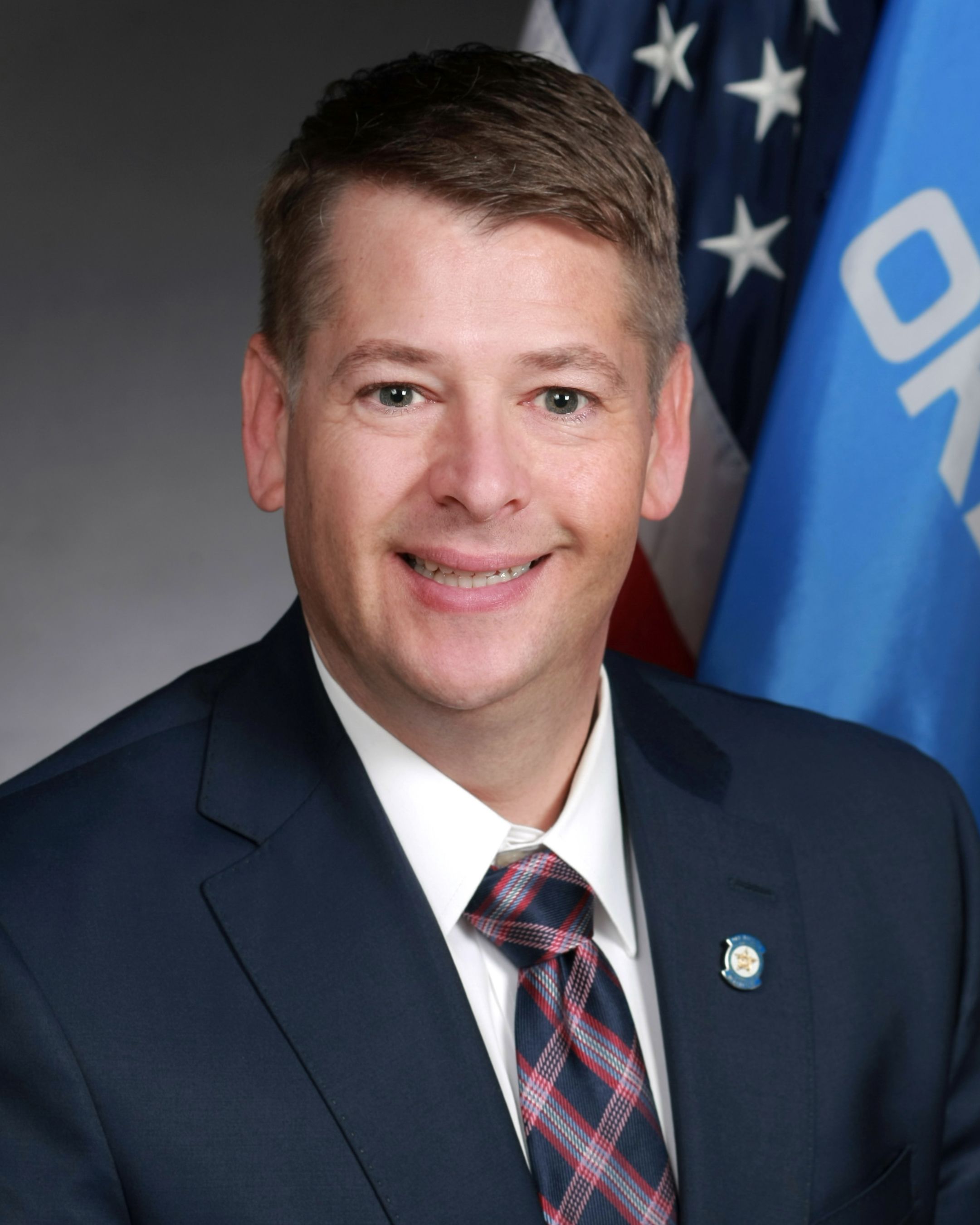
Rep. Chris Sneed
Sponsored bills
Maddy summaryHB 1628 establishes a registration and endorsement system for roofing contractors in Oklahoma, requiring both commercial and residential roofers to obtain endorsements from the Construction Industries Board. The Board will set exam and training requirements, enforce quality standards, and handle applications, renewals, and denials for these endorsements. For violations, the Board can issue fines (starting at $500 for a first residential violation) or revoke endorsements after repeated offenses, with specific penalty tiers for residential work. This law directly affects roofing contractors seeking to operate in Oklahoma and expands the Board's regulatory authority over the industry.
Maddy summaryThis is a resolution (not a bill) introduced by Oklahoma's House of Representatives. It requests the Centers for Medicare and Medicaid Services (CMS) to require equal reimbursement rates for healthcare providers treating Medicare Advantage Plan (Part C) patients as those provided for traditional Medicare (Parts A/B) patients. The resolution specifically addresses Oklahoma's 800,000 Medicare beneficiaries and aims to correct current rate disparities that affect providers serving these patients. As a non-binding request, it does not change law but asks CMS to adjust its payment policies.
Maddy summaryOklahoma's House of Representatives passed a resolution asking the Centers for Medicare and Medicaid Services (CMS) to require equal reimbursement rates for healthcare providers serving Medicare Part C (Medicare Advantage) patients as those serving Medicare Part A and B patients. The resolution addresses current payment disparities, where providers under Part C receive different rates than those under Parts A and B for the same services. This request directly affects Oklahoma's approximately 800,000 Medicare beneficiaries and their healthcare providers who participate in Medicare Part C plans. (Note: As a resolution, it does not change law but formally requests CMS action.)
Maddy summarySB 997, the Procurement Protection Act of 2025, would restrict Oklahoma state agencies and political subdivisions from purchasing goods or services from companies tied to countries designated as hostile or "Countries of Particular Concern" by the U.S. Secretary of State. The bill defines "foreign adversary company" as entities domiciled, incorporated, headquartered, or majority-owned by governments of such designated countries. Key provisions include specific criteria for identifying these companies and an exemption for parent companies that don't derive more than 50% of their global revenue from a foreign adversary. This bill would directly affect state procurement decisions and the companies that supply goods and services to the state government.
Maddy summarySB 997, the Procurement Protection Act of 2025, prohibits Oklahoma state agencies and political subdivisions from purchasing goods or services from companies based in countries designated as "hostile" or "Country of Particular Concern" (CPC) by the U.S. government, or controlled by such governments. It defines "foreign adversary companies" as those domiciled, headquartered, or majority-owned by entities in CPC countries, or controlled by their governments. The bill also exempts parent companies that derive less than 50% of their global revenue from foreign adversaries. This law directly affects state procurement contracts and non-U.S. companies meeting these criteria.
Maddy summaryHB 1646 removes the requirement for Oklahoma real estate appraisers to complete education courses meeting specific national standards set by the Appraiser Qualifications Board of the Appraisal Foundation. The bill modifies certification rules for State Certified General, State Certified Residential, State Licensed, and Trainee appraisers, allowing the Real Estate Appraiser Board to approve alternative education providers instead of mandating national standards. It also eliminates the requirement that complaints against appraisers must be filed in writing on paper, permitting electronic submissions. This change directly affects all current and prospective appraisers seeking certification or renewal in Oklahoma, shifting oversight from national criteria to state Board approval. The bill became law on May 8, 2025, without the Governor's signature.
Maddy summaryHB 1646 revises the educational requirements for real estate appraisers in Oklahoma. The bill mandates that State Certified General, Residential, Licensed, and Trainee Appraisers must meet the minimum educational criteria set by the Appraiser Qualifications Board of the Appraisal Foundation. This change removes specific educational requirements previously detailed in state statute for these professions. Additionally, it removes the requirement for the Real Estate Appraiser Board to establish the cost of classes for Trainee Appraisers. This bill directly affects individuals seeking to become or maintain their certification as real estate appraisers in the state.
Maddy summarySB 438 prevents health insurance companies and health plans in Oklahoma from requiring providers (like doctors, hospitals, or clinics) to accept only credit card payments for services. It mandates that insurers must notify providers about any fees tied to payment methods and provide clear instructions for choosing alternatives like electronic transfers. The bill also prohibits charging fees for standard electronic payments (ACH) without provider consent and voids any contract clauses that try to bypass these rules. These changes directly affect health insurers, health plans, and healthcare providers across Oklahoma, taking effect November 1, 2025.
Maddy summarySB 438 prohibits health insurers and health maintenance organizations from requiring credit card payments as the sole acceptable payment method for healthcare providers. It mandates that insurers must notify providers in advance of any fees associated with credit card payments before implementing or changing payment methods. The law applies to all health insurance plans issued or renewed on or after January 1, 2020, affecting providers like doctors, hospitals, and clinics. This ensures providers have payment flexibility and transparency about transaction costs.