

Maddy summaryHB 3783 creates a new "Endorsed Plumbing Apprentice" status for individuals who pass the journeyman plumber exam but haven't yet completed the required one year of verifiable experience. It directly affects plumbing apprentices who meet specific eligibility criteria: being at least 17 years old, registered as an apprentice, completing an approved education program with 70%+ grades, and submitting required documentation. The key mechanism allows these apprentices to work toward their full journeyman license without retaking the exam, provided they complete the experience requirement within three years of passing the exam and are at least 18. The bill becomes effective November 1, 2026, streamlining the path to licensure for qualified apprentices.
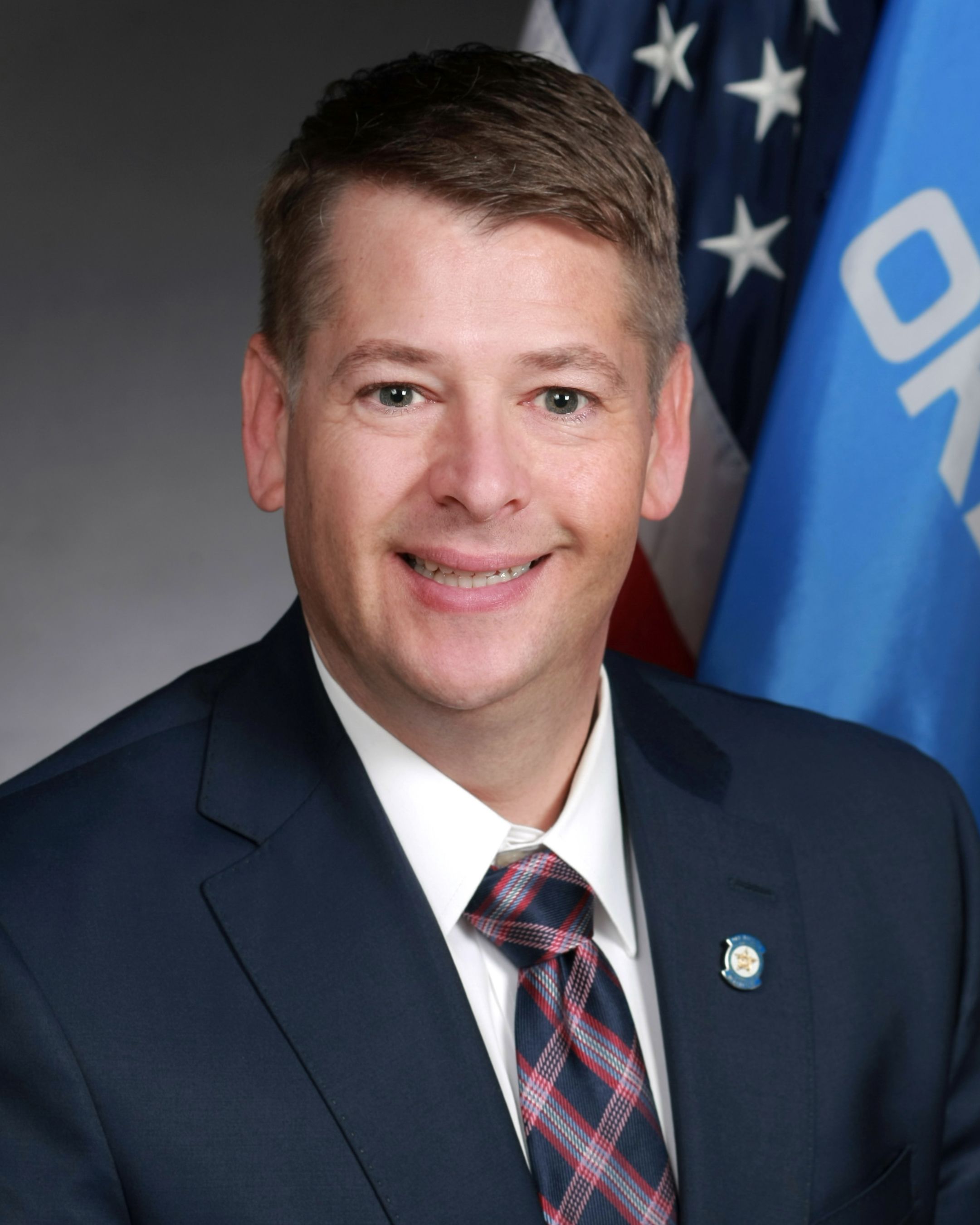
Rep. Chris Sneed
Sponsored bills
Maddy summarySB 1904 requires all physicians applying for initial licensure and currently licensed physicians in Oklahoma to take the Hippocratic Oath, plus three specific affirmations: (1) upholding the Nuremberg Code against unethical medical experiments, (2) avoiding blind adherence to pharmaceutical treatments without considering patient needs, and (3) refusing to prescribe medications based on financial incentives from drug companies. The bill directs the State Board of Medical Licensure and the State Board of Osteopathic Examiners to create rules for implementation. It applies directly to all physicians seeking or holding a medical license in Oklahoma and takes effect November 1, 2026. The law mandates these pledges as a condition of licensure but does not alter medical practice standards or prescribing regulations.
Maddy summarySB 1844, the "Hope for Oklahoma Patients Act," allows eligible Oklahoma patients with life-threatening or severely debilitating conditions to access genetically tailored investigational treatments (like personalized gene therapies or vaccines) when all FDA-approved options have been exhausted. It defines "eligible patients" as those meeting strict medical criteria, including physician attestation and written consent, and requires treatments to be based on the patient’s unique genetic profile. The bill makes participation voluntary for healthcare facilities and manufacturers (who may choose not to provide treatments), requires patients to cover manufacturing costs, and clarifies that insurers and government entities are not obligated to cover these treatments. It explicitly excludes treatments derived from embryonic stem cells or abortion-related materials and prohibits state entities from interfering with provider discretion.
Maddy summaryHB 3793 establishes new training hour requirements for nursing education programs in Oklahoma. It mandates that diploma programs for registered nurses must total 1,300-1,500 hours (including clinical training), while LPN-to-RN ladder programs must provide 600-700 additional nursing hours beyond LPN education. Non-nursing coursework in both program types is capped at 330 hours. The bill affects nursing programs seeking state approval and takes effect November 1, 2026.
Maddy summaryHB 3785 prohibits roofing contractors from advertising or promising to pay insurance deductibles or compensate homeowners for services as an inducement. It directly affects roofing contractors, insurers, and homeowners by requiring written disclosures about this rule in initial estimates. The bill shifts enforcement: the registrar can only receive and forward complaints to the Oklahoma Insurance Department and Attorney General for investigation, not investigate violations itself. The law takes effect November 1, 2026.
Maddy summaryThis bill, HB 3808 (Oklahoma Hospital Facility Fees Reform Act of 2026), establishes a non-codified law with an effective date of November 1, 2026. The bill text provided does not include specific policy provisions, mechanisms, or details about how facility fees would be reformed. Without additional text describing the actual changes to hospital fees or affected entities, no concrete policy changes can be summarized. The context lacks sufficient detail to explain who the bill directly affects or its key provisions.
Maddy summaryHB 3828 is a procedural bill that formally names the "Oklahoma Professions and Occupations Act of 2026" and sets its effective date for November 1, 2026. It specifies the act will not be codified in the Oklahoma Statutes. This bill does not change any existing regulations or affect specific professions or occupations, as it solely establishes the act's title and effective date. It is a routine administrative measure to organize future legislative references.
Maddy summaryHB 3823 requires private employers in Oklahoma to provide employees with up to 90 days of unpaid leave for organ or bone marrow donation, upon written request. It directly affects private employers (excluding government entities, schools, and public agencies) and their employees who are organ or bone marrow donors. The bill also allows employers who pay employees during this leave to claim a 25% credit against their Oklahoma income tax liability, limited to the first 90 days. This law does not apply to employees already covered by federal Family Medical Leave Act protections and takes effect November 1, 2026.
Maddy summaryThis bill establishes the Insurance Act of 2026 as the official name for insurance-related laws in Oklahoma. It sets the effective date for these laws to begin on November 1, 2026. The legislation does not change any existing insurance regulations or requirements. It serves primarily as a procedural measure to formally name and date the insurance framework for the upcoming year.
Maddy summaryHB 3789 would bar non-U.S. nationals from filing for, running for, or holding any elected office in Oklahoma, including municipal, county, state, or other government positions. The bill directly affects individuals who are citizens of countries other than the United States seeking public office in Oklahoma. It creates a citizenship requirement by prohibiting non-U.S. nationals from participating in elections for these roles. The law would take effect on November 1, 2026.