

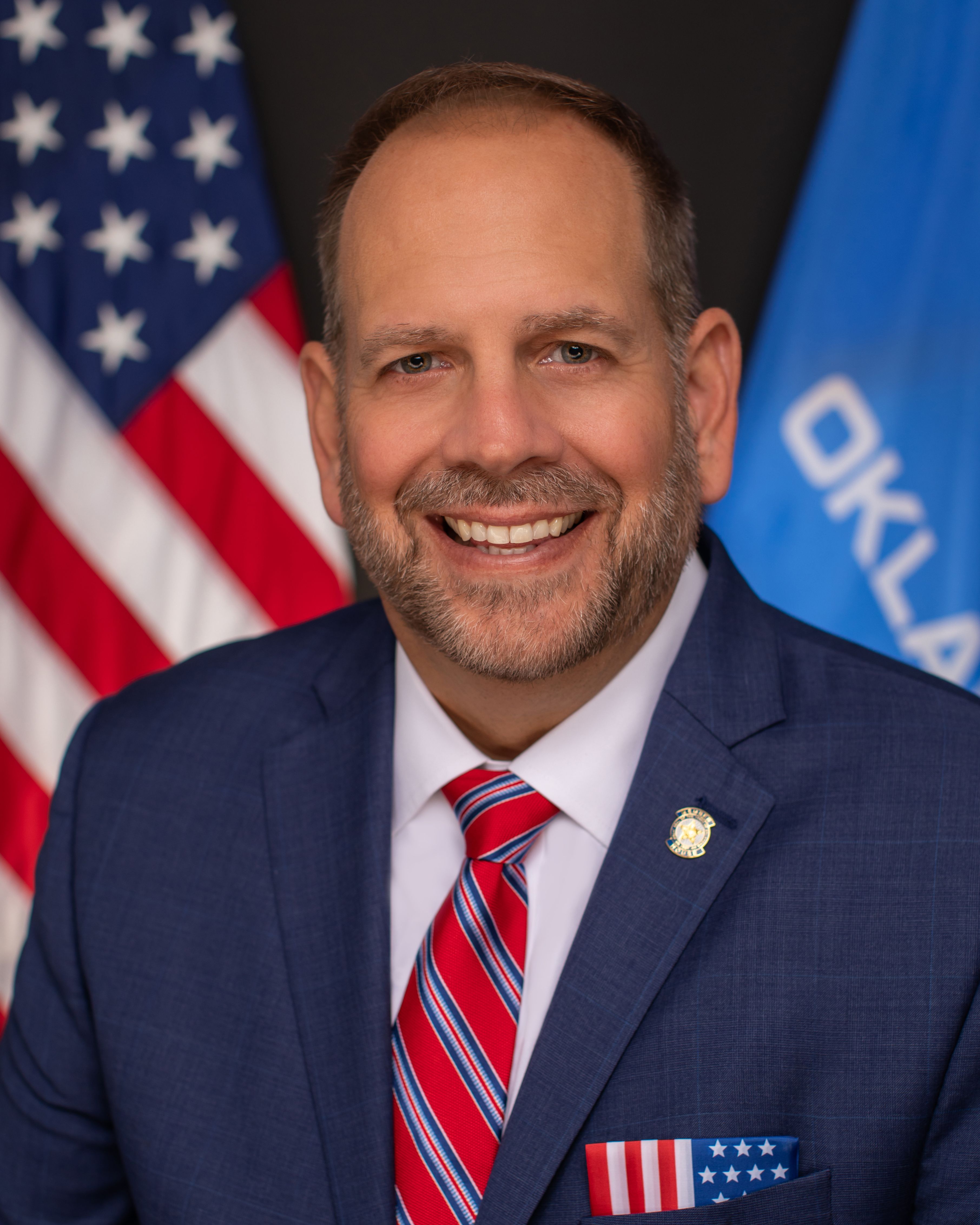
Photo of Neil Hays
R Oklahoma House · District 13 On the 2026 ballot

Rep. Neil Hays

Compare
Total votes
4,237
all sessions
Attendance
86%
533 missed
Near the chamber average
With party
90%
of cast votes
Lower than 89% of chamber peers
Bipartisan score
5%
crosses aisle rarely
Higher than 87% of chamber peers
Sponsored
125
bills & resolutions
Higher than 75% of chamber peers
Committees
3
assignments
125 bills and resolutions

Sponsored bills

Total
125
Primary
125
Co-sponsor
0
This page
125
matching current filters
Primary HB 1295
In committee · Oklahoma House · Lead sponsor
Revenue and taxation; motor vehicle excise tax; sales tax; motor vehicles; effective date; emergency.

Maddy summaryHB 1295 removes a 1.25% sales tax on motor vehicle sales in Oklahoma that was previously applied to gross receipts. It amends Oklahoma tax code sections to eliminate this specific tax portion, clarifying that motor vehicle transactions are exempt from local sales and use taxes levied by cities or counties. The bill directly affects new and used vehicle buyers, dealers, and local jurisdictions that previously collected this tax. Key provisions include updating Section 1355 to remove the 1.25% tax requirement and confirming that vehicle sales remain exempt from local sales taxes as stated in existing law.

In committee Feb 4, 2025 0 co-sponsors
Primary HB 1266
In committee · Oklahoma House · Lead sponsor
Motor vehicles; authorizing wrecking or towing service operators to call for certain assistance; effective date.

Maddy summaryHB 1266 sets maximum fees for towing and wrecker services in Oklahoma based on vehicle weight and distance traveled. It establishes specific per-mile rates (ranging from $2.50 to $6.75) for transporting vehicles, with different tiers for light, medium, and heavy vehicles. Towing companies must charge these set rates when providing services requested by law enforcement or government agencies, and may also use hourly billing as an alternative. This directly affects licensed towing operators and vehicle owners who may be charged for towing services.

In committee Feb 4, 2025 0 co-sponsors
Primary HB 1298
In committee · Oklahoma House · Lead sponsor
Wrecker services; creating the Wrecker Services Reform Act of 2025; effective date.

Maddy summaryHB 1298 creates the "Wrecker Services Reform Act of 2025" as a named legislative act without altering existing laws or regulations. It establishes the act's official title and sets its effective date as November 1, 2025. This is a procedural bill that names the legislation and schedules its implementation, with no substantive changes to wrecker service practices or regulations described in the text. The bill has not yet advanced beyond committee referral in the legislative process.

In committee Feb 4, 2025 0 co-sponsors
Primary HB 1296
In committee · Oklahoma House · Lead sponsor
Towing; creating the Towing Modernization Act of 2025; effective date.

Maddy summaryHB 1296 creates the "Towing Modernization Act of 2025" as a procedural name for future towing-related legislation and sets its effective date for November 1, 2025. The bill does not establish new regulations or affect towing practices, as it is explicitly stated to be "noncodification" (meaning it won't be added to Oklahoma's official statutes). This is a procedural measure to formalize the act's title and implementation timeline. It directly affects no specific entities or regulations, as it serves only as a naming convention for future legislative action.

In committee Feb 4, 2025 0 co-sponsors
Primary HB 1295
In committee · Oklahoma House · Lead sponsor
Revenue and taxation; motor vehicle excise tax; sales tax; motor vehicles; effective date; emergency.

Maddy summaryHB 1295 clarifies Oklahoma's tax treatment for motor vehicle sales by eliminating local sales and use taxes when the state motor vehicle excise tax is paid. It directly affects vehicle buyers, dealers, and local jurisdictions by removing duplicate taxation on the same transaction. The bill amends tax code sections to specify that motor vehicle sales (including trade-in calculations) are exempt from city, county, or local sales taxes once the state excise tax is collected. This change streamlines tax collection for dealers and reduces administrative burden for consumers purchasing vehicles.

In committee Feb 4, 2025 0 co-sponsors
Primary HB 1297
In committee · Oklahoma House · Lead sponsor
Motor vehicles; creating the Motor Vehicle Reform Act of 2025; effective date.

Maddy summaryHB 1297 is a procedural bill that names the "Motor Vehicle Reform Act of 2025" and sets its effective date as November 1, 2025. It contains no substantive policy changes or new regulations for motor vehicles. The bill does not affect any specific groups or create new requirements. It is solely a naming and scheduling measure for future legislation.

In committee Feb 4, 2025 0 co-sponsors
Primary HB 1290
In committee · Oklahoma House · Lead sponsor
Property; limiting ownership of counties; recording instruments; effective date.

Maddy summaryHB 1290 limits the total land owned or encumbered by the State of Oklahoma, state agencies, the federal government, and conservation easements to no more than 10% of each county's total land. County clerks must refuse to record any property instrument that would exceed this 10% threshold. Exemptions include federal military bases, U.S. Army Corps of Engineers flood control property, and temporary county tax-holdings. The law takes effect on November 1, 2025.

In committee Feb 4, 2025 0 co-sponsors
Primary HB 1272
In committee · Oklahoma House · Lead sponsor
Motor vehicles; modifying types of vehicles requiring certain approach; modifying name of offense; effective date.

Maddy summaryHB 1272 amends Oklahoma's traffic law to clarify when drivers must slow down or change lanes near stationary vehicles displaying flashing lights. It expands the definition of covered vehicles to include utility company service vehicles alongside emergency, DOT, and wrecker vehicles. The bill creates two offense levels: a $1,000 fine for first-time "roadway endangerment" (avoidable via an online safety course) and higher fines ($5,000-$10,000) for aggravated cases causing injury or death. This directly affects all drivers on Oklahoma roads who encounter work zones or stationary emergency/maintenance vehicles with flashing lights, with commercial drivers ineligible for the course alternative.

In committee Feb 4, 2025 0 co-sponsors
Primary HB 1274
In committee · Oklahoma House · Lead sponsor
Teachers' Retirement System of Oklahoma; postretirement employment; earnings limitations; effective date; emergency.

Maddy summaryHB 1274 modifies Oklahoma's Teachers' Retirement System rules for retired educators returning to public school employment. It requires a 60-day gap between retirement and rehiring (with penalties for violations), sets age-based earnings limits ($50,000 annually until 2028 for classroom teachers, then $30,000 or 50% of final salary), and specifies that earnings over limits reduce retirement benefits dollar-for-dollar. The bill directly affects retired public school teachers seeking reemployment, particularly those returning as classroom instructors. Key provisions include temporary higher earnings limits for classroom roles through 2028 and explicit definitions of "earnings" to exclude certain supplemental payments.

In committee Feb 4, 2025 0 co-sponsors
Primary HB 1258
In committee · Oklahoma House · Lead sponsor
Public retirement systems; Defined Contribution Retirement Plan for Teachers; Teachers' Retirement System of Oklahoma; defined contribution system; participation; election; service accrual; employee contribution amount; salary deductions; employer matching contributions; costs; vesting schedule; Board of Trustees; investment; deposit; defined benefit plan; offsets; qualified domestic orders; term; alternate payees; restrictions; rules; minimum salary schedule; codification; effective date.

Maddy summaryHB 1258 establishes a new defined contribution retirement plan for Oklahoma teachers hired on or after November 1, 2024. It requires teachers to contribute a minimum of 4.5% of their salary, with employers matching 6% of that amount (with optional higher voluntary contributions). Participants will not earn service credits in the existing defined benefit plan, and contributions will be managed through tax-qualified plans like 457(b) or 401(a). The bill shifts retirement savings responsibility to individual accounts, with employer matching rates set by law and subject to legislative adjustments for funding needs.

In committee Feb 4, 2025 0 co-sponsors
Showing 71 to 80 of 125 bills
Previous 1 … 7 8 9 … 13 Next