

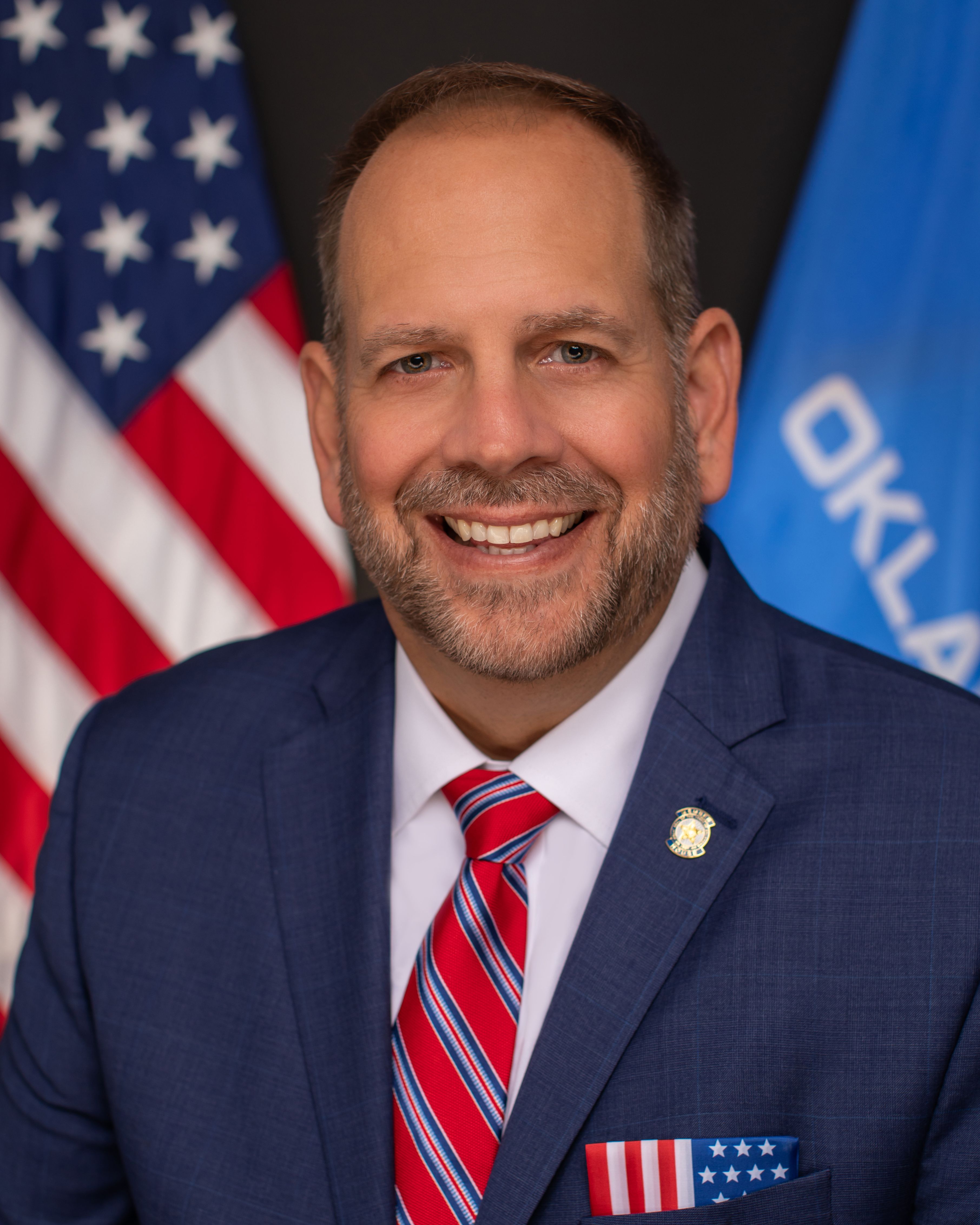
Photo of Neil Hays
R Oklahoma House · District 13 On the 2026 ballot

Rep. Neil Hays

Compare
Total votes
4,237
all sessions
Attendance
86%
533 missed
Near the chamber average
With party
90%
of cast votes
Lower than 89% of chamber peers
Bipartisan score
5%
crosses aisle rarely
Higher than 87% of chamber peers
Sponsored
125
bills & resolutions
Higher than 75% of chamber peers
Committees
3
assignments
125 bills and resolutions

Sponsored bills

Total
125
Primary
125
Co-sponsor
0
This page
125
matching current filters
Primary HB 3385
In committee · Oklahoma House · Lead sponsor
Revenue and taxation; Rural Jobs Tax Credit; applications; effective date.

Maddy summaryHB 3385 extends the deadline for new applications for Oklahoma's Rural Jobs Tax Credit from December 1, 2025, to December 1, 2026. It directly affects businesses seeking this credit to offset taxes for hiring workers in rural areas. The bill amends the existing law to delay the cutoff for new applications by one year, without changing the credit amount or eligibility rules. The change takes effect on November 1, 2026.

In committee Feb 3, 2026 0 co-sponsors
Primary HB 3331
In committee · Oklahoma House · Lead sponsor
School bonds; one-year waiting period; nondebt capital options; exemption for destroyed school facilities; effective date.

Maddy summaryHB 3331 creates a one-year waiting period before Oklahoma school districts can issue new bonds after paying off existing debt, except for specific exemptions. It allows districts to pursue non-bond funding options like private donations, lease-purchase agreements, or public-private partnerships without waiting. The waiting period also doesn’t apply if school facilities were destroyed by natural disasters (an "act of God"). The bill takes effect November 1, 2026, and directly affects Oklahoma school districts seeking to fund facility improvements or repairs.

In committee Feb 3, 2026 0 co-sponsors
Primary HB 3494
In committee · Oklahoma House · Lead sponsor
State sovereignty; State Sovereignty Act of 2026; effective date.

Maddy summaryHB 3494 is a procedural bill that establishes the "State Sovereignty Act of 2026" as its official name and sets an effective date of November 1, 2026. It does not create new policies, regulations, or affect any individuals or groups. The bill merely provides a title and effective date for a non-codified legislative act, with no substantive provisions or mechanisms beyond its own citation. As a purely administrative measure, it has no direct policy impact.

In committee Feb 3, 2026 0 co-sponsors
Primary HB 3543
In committee · Oklahoma House · Lead sponsor
Elections; primary elections; presidential election years; candidate filing periods; statewide elected positions; effective date.

Maddy summaryHB 3543 adjusts Oklahoma's election schedule and candidate filing deadlines for statewide offices. It moves primary elections for newly recognized political parties to June (instead of March) in presidential election years, and sets separate filing deadlines: December for regular candidates and April for new parties. The bill also clarifies when certificates of election can be issued to unopposed candidates. These changes affect political parties seeking to field candidates and candidates for statewide elected positions, effective November 1, 2026.

In committee Feb 3, 2026 0 co-sponsors
Primary HJR 1063
In committee · Oklahoma House · Lead sponsor
Oklahoma Constitution; ad valorem taxation; homestead; exemption; age requirements; ownership provisions; ballot title; filing.

Maddy summaryHJR 1063 proposes a constitutional amendment that would exempt homestead properties from all property taxes for owners aged 45 or older as of January 1 each year, starting January 1, 2027. It applies to any homestead with multiple owners if at least one owner meets the age requirement, but excludes properties with recorded mortgages (including purchase-price mortgages) or other liens. The exemption would cover all property taxes, not just specific categories. This amendment requires voter approval through a referendum and does not take effect until after the 2027 tax year. It directly affects Oklahoma homeowners aged 45+ who own their primary residence without qualifying mortgages or liens.

In committee Feb 3, 2026 0 co-sponsors
Primary HB 3458
In committee · Oklahoma House · Lead sponsor
Appropriation; School Security Revolving Fund; amount; purpose; effective date; emergency.

Maddy summaryHB 3458 appropriates $150 million from Oklahoma's General Revenue Fund to the School Security Revolving Fund for the 2027 fiscal year. This funding directly supports school security initiatives, including school resource officers, as authorized under existing law (Section 5-148.1 of Title 70). The bill takes effect on July 1, 2026, and is designated as an emergency measure to address immediate security needs. It does not create new policies but allocates existing funds to implement current school security requirements.

In committee Feb 3, 2026 0 co-sponsors
Primary HB 3426
In committee · Oklahoma House · Lead sponsor
Revenue and taxation; income tax credit; blood donation; effective date.

Maddy summaryHB 3426 repeals a state income tax credit for blood donations in Oklahoma. It removes the provision that allowed taxpayers to claim a credit for donating blood, effective January 1, 2028. This change directly affects Oklahomans who previously claimed this credit on their state tax returns. The bill makes no new provisions or funding changes - only eliminates the existing tax benefit.

In committee Feb 3, 2026 0 co-sponsors
Primary SB 1032
Signed into law · Oklahoma Senate · Lead sponsor
Alcoholic beverages; licensed establishments; employees; affirmative defense; violations; authorizing ABLE Commission to present evidence. Effective date.

Maddy summarySB 1032 creates a legal defense for bars, restaurants, and other licensed alcohol establishments in Oklahoma when employees violate alcohol service laws (e.g., serving minors, intoxicated people, or those with mental deficiencies). To qualify for this defense, businesses must require all employees to hold valid ABLE Commission licenses, complete mandatory seller-server training within 14 days of hire (and every two years after), adopt written policies prohibiting such sales, and obtain written employee acknowledgment of these policies. If an employee lacks a valid license, the business is automatically liable. The ABLE Commission can rebut the defense by proving an employee committed similar violations three times within a year, shifting the burden to the business to demonstrate compliance. The law takes effect November 1, 2025.

Signed into law May 27, 2025 0 co-sponsors
Primary SB 1032
Passed · Oklahoma Senate · Lead sponsor
Alcoholic beverages; licensed establishments; employees; affirmative defense; violations; authorizing ABLE Commission to present evidence. Effective date.

Maddy summarySB 1032 creates a new legal defense for Oklahoma alcohol license holders (like bars and restaurants) when employees violate beverage laws. It allows these businesses to avoid penalties if they prove they required all employees to have valid ABLE Commission licenses and seller-server training certificates, maintained written policies prohibiting sales to minors/intoxicated people, and ensured employees acknowledged these policies. The bill also establishes a "rebuttable presumption" that a business indirectly encouraged violations if an employee commits the same offense three times within a year, shifting the burden of proof to the business at hearings. This law directly affects licensed establishments by changing how they can defend against enforcement actions related to employee misconduct.

Passed May 27, 2025 0 co-sponsors
Primary HB 1270
Signed into law · Oklahoma House · Lead sponsor
Alcoholic beverages; Alcoholic Law Enforcement Commission; license denial; time period; effective date.

Maddy summaryHB 1270 modifies Oklahoma's process for issuing alcoholic beverage licenses by removing a provision that would have automatically approved licenses if the Alcoholic Beverage Law Enforcement (ABLE) Commission failed to act within a set timeframe. The bill deletes language requiring a "presumptive issuance" of licenses under specific conditions, instead ensuring all license decisions remain subject to the ABLE Commission's review. This directly affects businesses applying for alcohol licenses in Oklahoma, as it prevents automatic approval and requires the Commission to actively evaluate each application. The change clarifies that license denials or approvals must follow the Commission's formal review process, not automatic issuance.

Signed into law Apr 23, 2025 0 co-sponsors
Showing 31 to 40 of 125 bills
Previous 1 … 3 4 5 … 13 Next