

Maddy summaryHB 1739 modifies Oklahoma's Law Enforcement Retirement System by increasing employer contribution rates for law enforcement retirees and changing how retirement benefits are calculated. Starting July 2025, participating employers (like the Highway Patrol and Bureau of Investigation) must contribute 12.5% of members' base salaries, gradually rising to 16.5% by 2029-2030. The bill also revises benefit computations to base retirement pay on either the top salary for specific law enforcement positions or the member's final average salary, whichever is greater. These changes directly affect current and future Oklahoma law enforcement retirees covered under the system.
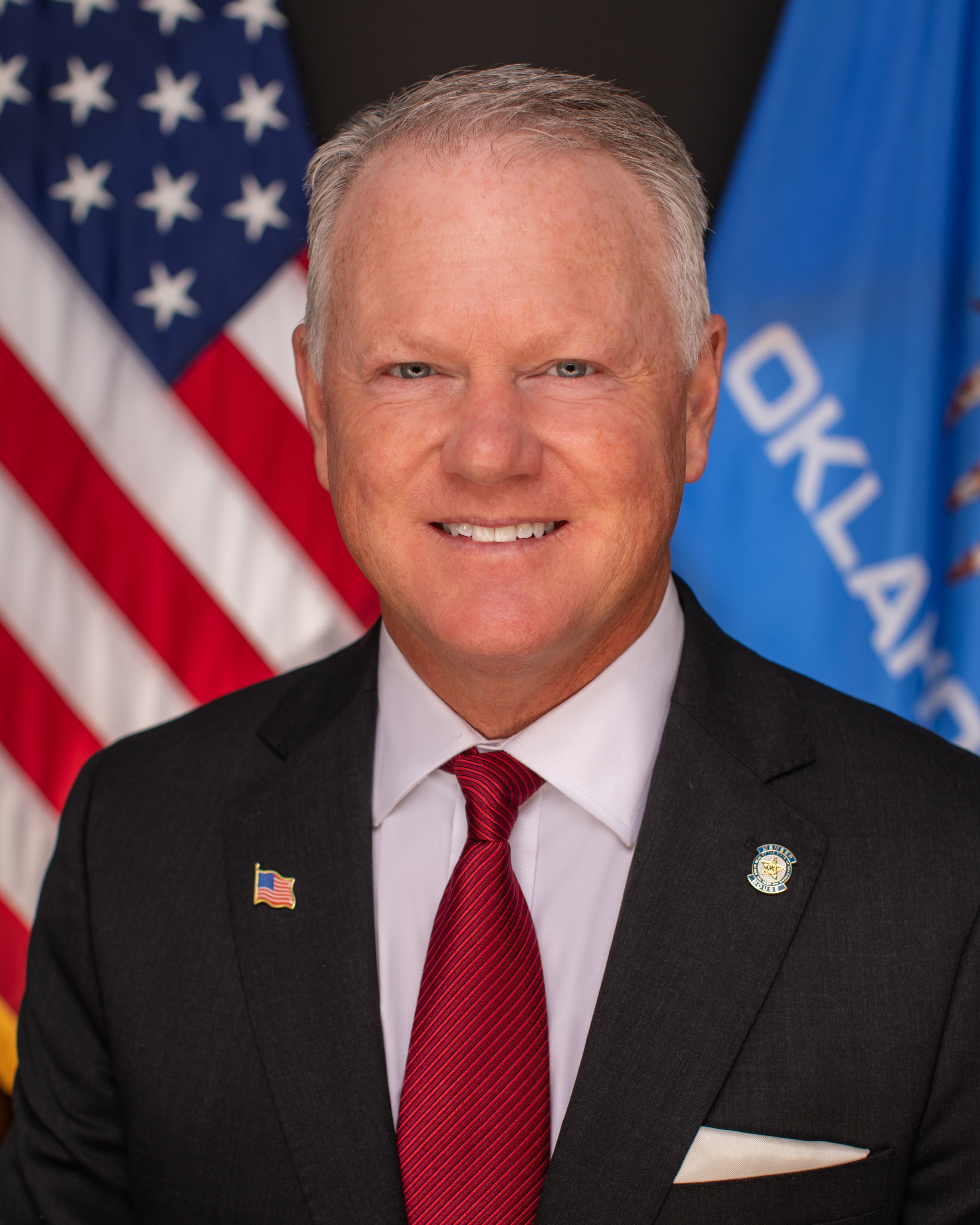
Rep. Mark Chapman
Sponsored bills
Maddy summaryHB 2882 amends Oklahoma law to establish clearer procedures for vehicles damaged to the point of being declared "salvage" (typically when repair costs exceed 60% of fair market value). It requires insurance companies, junk dealers, and owners to return titles to Service Oklahoma within 30 days, mandates specific title stamps for flood-damaged or recovered theft vehicles, and creates a rebuilt title process requiring visual inspections, repair documentation, and a sworn affidavit. The bill directly affects insurers processing claims, junk dealers, vehicle owners seeking to repair and retitle damaged vehicles, and licensed title offices. Key mechanisms include standardized title categories, documentation requirements for repairs, and a new rule requiring businesses to post signs about penalties for falsifying affidavit statements.
Maddy summaryHB 2882 modifies Oklahoma's vehicle titling rules for damaged or salvaged vehicles. It requires insurance companies and junk dealers to return titles to Oklahoma's vehicle authority (Service Oklahoma) within 30 days after paying for a total loss or acquiring a vehicle for parts. Vehicles needing repairs exceeding 60% of their fair market value must receive a "salvage title" (with special stamps for flood damage or recovered theft), while those under 60% get their original title returned. Owners seeking a "rebuilt title" after repairs must submit an affidavit with repair receipts and pass a visual inspection verifying VIN accuracy and odometer integrity. This directly affects insurance companies, salvage yards, and vehicle owners dealing with damaged or flood-affected cars.
Maddy summaryHB 2057 establishes a 7% tax on retail medical marijuana sales in Oklahoma, collected at the point of sale. Tax revenue is allocated annually starting July 2026: $65 million is divided between the State Public Common School Building Fund (59.23%), the Oklahoma Medical Marijuana Authority (34.62%), drug and alcohol rehabilitation programs (5%), and the Trauma Care Assistance Revolving Fund (1.15%). Any surplus tax collections go to the General Revenue Fund. The bill also requires medical marijuana businesses to pay taxes or face permanent license revocation.
Maddy summaryHB 2057 establishes a 7% sales tax on medical marijuana in Oklahoma, collected at the point of sale. It allocates the first $65 million in annual tax revenue as follows: 59.23% to the State Public Common School Building Equalization Fund, 34.62% to the Oklahoma Medical Marijuana Authority, 6.15% (with 5% earmarked for drug/alcohol rehabilitation) to the State Department of Health, and 1.15% to the Trauma Care Assistance Revolving Fund. The tax applies to medical marijuana businesses, which must remit payments or face permanent license revocation. The bill takes effect July 1, 2025, and is designated an emergency.
Maddy summaryHB 2886 clarifies identification requirements for railroad employees following accidents or incidents in Oklahoma. It replaces the need for employees to show driver’s licenses with specific Federal Railroad Administration (FRA) certifications. Only employees holding FRA certification as a conductor, engineer, or railroad management may present their FRA credentials instead of a driver’s license to law enforcement. The bill defines key terms like "FRA Certified Conductor" and "FRA Certified Engineer" to specify who qualifies for this alternative identification. This procedural change aims to streamline incident reporting while ensuring compliance with federal railroad safety standards.
Maddy summaryHB 2884 would require healthcare providers to allow parents or legal guardians to be present during medical consultations for minors under 18 and to share the minor's health records with them, except in cases involving suspected parental abuse. It specifically removes a minor's right to withhold health information from parents, overriding existing doctor-patient privilege protections for minors. The bill also authorizes the Oklahoma Attorney General to enforce these provisions by filing lawsuits for violations, including seeking damages and attorney fees, while waiving immunity for such cases. This legislation directly affects parents of minors under 18, healthcare providers, and mental health professionals who interact with minor patients.
Maddy summaryHB 2883, the Utility Worker Protection Act of 2025, makes assault or battery against utility workers a felony. It defines "utility workers" as those employed by or contracted with companies providing electricity, water, natural gas, or other utility services while performing job duties. The bill sets penalties for such offenses at up to two years in prison, a $1,000 fine, or both, and states this law works alongside existing legal protections. The bill takes effect on November 1, 2025.
Maddy summaryHB 2884 requires health professionals to share a minor’s health information with parents or legal guardians and removes minors’ ability to block this disclosure. It mandates parental presence during health consultations for minors under 18 (except in abuse cases) and amends physician-patient privilege laws to state minors cannot refuse to share confidential health information with parents. The bill authorizes the Attorney General to enforce these provisions through lawsuits and grants remedies like damages and attorney fees for violations. It directly affects minors under 18, parents/guardians, and healthcare providers in Oklahoma.
Maddy summaryHB 2886 defines required identification for railroad employees after accidents or incidents in Oklahoma. It specifies that FRA-certified conductors, engineers, and railroad management must show their Federal Railroad Administration (FRA) certification instead of a driver's license to law enforcement or safety officers. The bill applies to all rail-related incidents involving people, vehicles, or animals near Oklahoma railroads. This is a procedural change streamlining identification during investigations, with no requirement for driver's licenses from these employees.