

Maddy summaryThis bill formally names the Oklahoma Revenue and Taxation Act of 2026 as the official title for future revenue and tax laws in the state. It does not change any tax rates, create new taxes, or alter existing tax provisions. The legislation simply establishes a citation name for the law and sets its effective date as November 1, 2026. This is a procedural measure that organizes how the law will be referenced rather than modifying tax policy itself.
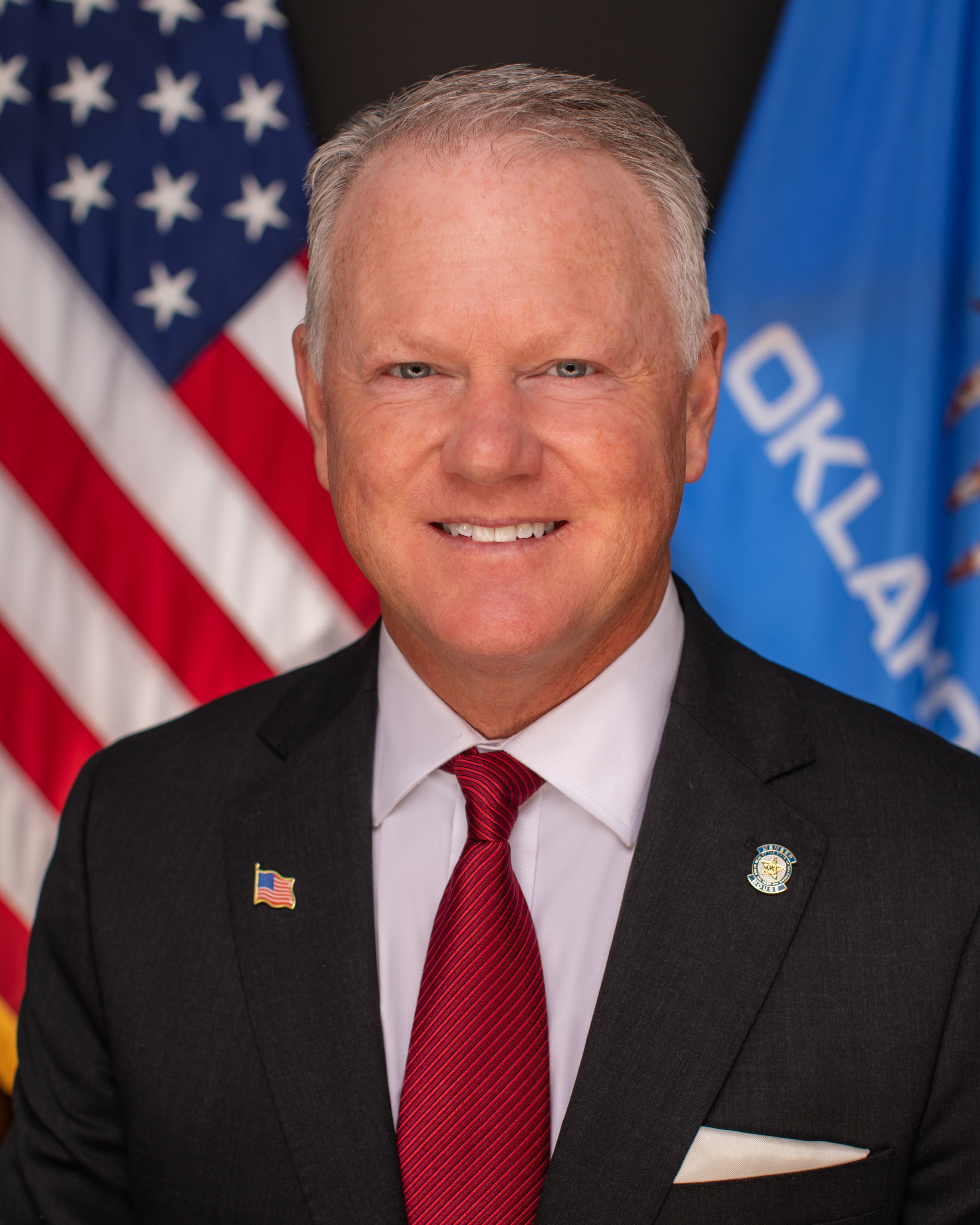
Rep. Mark Chapman
Sponsored bills
Maddy summaryHB 4192 limits corporate ownership of residential real estate in Oklahoma by prohibiting most businesses (like corporations or LLCs) from acquiring more than 50 parcels of land with single-family homes or similar residential improvements. The bill exempts individuals, entities already owning property before the law takes effect (November 1, 2026), and businesses constructing new housing or leasing existing residential properties. It does not apply to properties owned by entities for non-residential purposes or those held prior to the effective date. The law aims to restrict large-scale corporate ownership of residential land while allowing typical housing development and leasing activities.
Maddy summaryHB 4194, the Data Center Decommissioning Act, requires owners of large data centers (100+ MW facilities) in Oklahoma to cover all costs for safely shutting down and restoring sites when operations end. Owners must provide financial assurance (like bonds or escrow funds) before construction to cover decommissioning, environmental cleanup, and site restoration, which must be completed within 12 months of closure. The law mandates removal of all infrastructure (buildings, equipment, hazardous materials) and land restoration to pre-construction conditions, with the Oklahoma Corporation Commission enforcing compliance. The bill takes effect November 1, 2026.
Maddy summaryThis bill is a procedural measure that directs the Secretary of State to place a proposed constitutional amendment on the ballot for public approval or rejection. It does not change any laws or policies itself but sets up the process for voters to decide on the Property Tax Policy Act of 2026. The resolution establishes the official ballot title and instructions for how the question will appear to Oklahoma voters during an upcoming election. Once passed, the actual tax policy changes would be determined by the outcome of the public vote on the proposed constitutional amendment.
Maddy summaryHB 2724 amends Oklahoma's Surplus Property Act to allow the Oklahoma Highway Patrol to donate surplus vehicles driven over 90,000 miles to law enforcement agencies in counties with populations of 100,000 or fewer residents. The bill specifically permits these donations for use in "valid and authorized law enforcement efforts" by local agencies. It does not change general surplus property rules but adds this targeted exception for small-county law enforcement. The law became effective November 1, 2025, after passing without the Governor's signature.
Maddy summaryHB 2724 amends Oklahoma's Surplus Property Act to allow the Oklahoma Highway Patrol to donate surplus vehicles (driven over 90,000 miles) to law enforcement agencies in counties with populations of 100,000 or fewer residents. It specifically permits these donations for valid law enforcement use, expanding access to equipment for smaller local agencies. The bill does not change general surplus property rules but adds this targeted provision for law enforcement vehicles. The law took effect November 1, 2025, following its passage without the Governor's signature.
Maddy summaryHB 1501 limits public insurance adjusters' total compensation to 10% of an insurance settlement amount for claims involving government entities under Oklahoma's Governmental Tort Claims Act. This directly affects public adjusters working on cases against state or local government bodies. The bill prohibits adjusters from charging fees exceeding this 10% cap, including expenses or direct costs. It became law on May 6, 2025, and applies to settlements processed on or after November 1, 2025.
Maddy summaryHB 1498 regulates prepaid funeral services in Oklahoma by requiring insurance permits for providers and clarifying oversight by the Insurance Commissioner. It directly affects funeral service businesses selling prepaid plans, mandating they obtain permits and follow commissioner-prescribed application procedures. Key provisions include updated penalty rules for violations, streamlined permit renewal processes (removing "new" from permit references), and administrative updates to repealed statutes. The bill became law on May 6, 2025, without requiring the Governor's signature.
Maddy summaryHB 1498 establishes a regulatory framework for prepaid funeral services. It requires providers of these services to obtain permits, outlining the application process and setting requirements for permit holders. The bill grants the Insurance Commissioner authority to oversee these services, including prescribing the form and manner of applications. It also defines violations, penalties, and examination procedures for compliance, and repeals certain existing sections of law related to prepaid funeral services.
Maddy summaryHouse Bill 1501 limits the total compensation a public insurance adjuster can receive when working for government entities in Oklahoma. For entities subject to The Governmental Tort Claims Act, the adjuster's total commission, including all expenses and direct costs, cannot exceed ten percent (10%) of the insurance settlement amount. This bill directly affects public insurance adjusters and governmental bodies by setting a maximum fee for these services.