Issue · Labor & Employment

Labor & Employment

Every labor & employment bill, vote, and legislator stance in Oklahoma, automatically classified by Maddy, our AI policy reader.

Total bills
34
2026 Regular Session
Top supporter
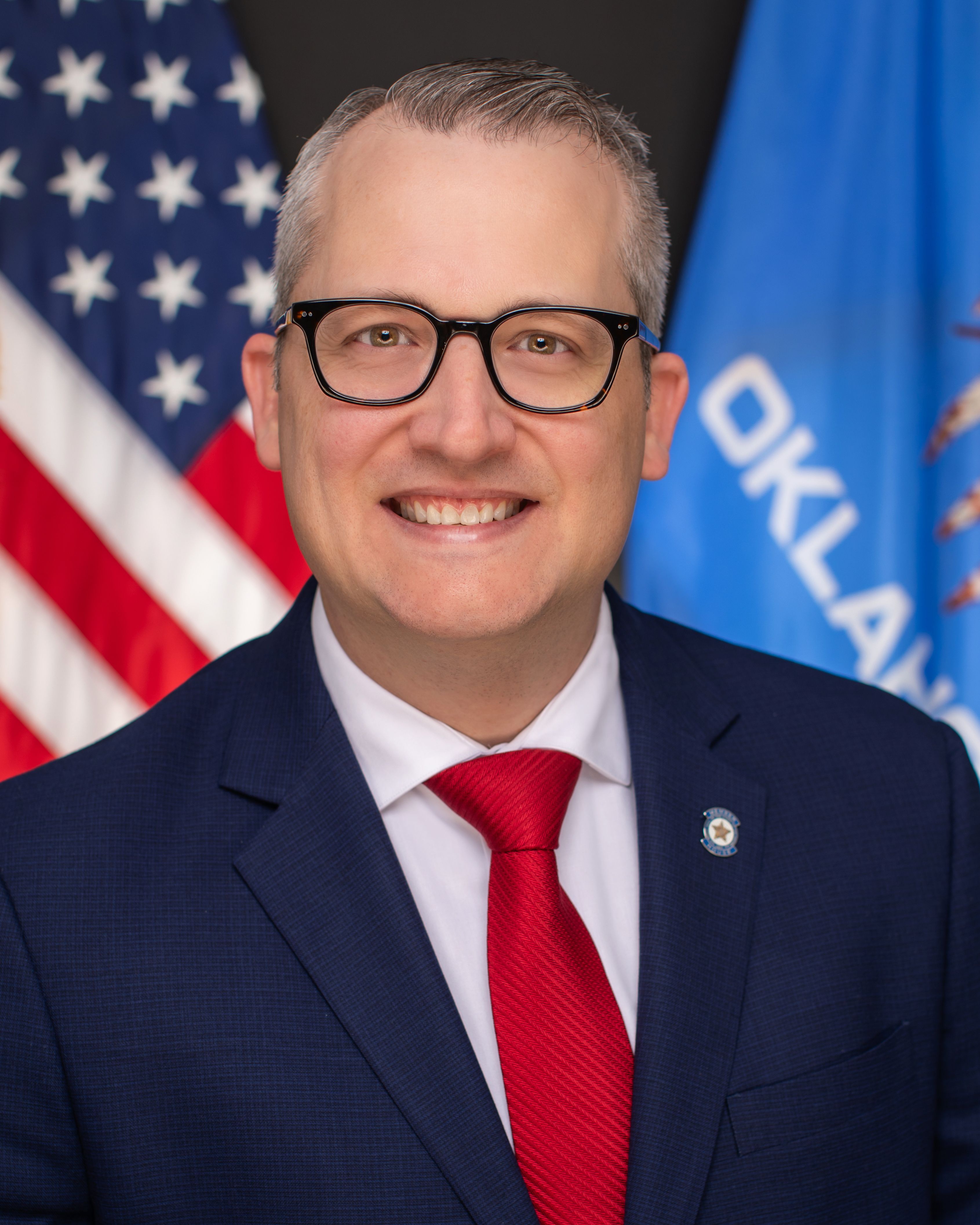
Mark Lawson
87% support rate
Top opponent
Shane Jett
21% support rate
Ranked legislators
10
5 support · 5 oppose
Key legislators

Who's moving labor & employment in Oklahoma

Legislators moving labor & employment in Oklahoma
Legislator Party Stance Support rate Votes
Mark Lawson
Mark Lawson House · District 30
R
Strong +
87% 175
John George
John George House · District 36
R
Strong +
86% 201
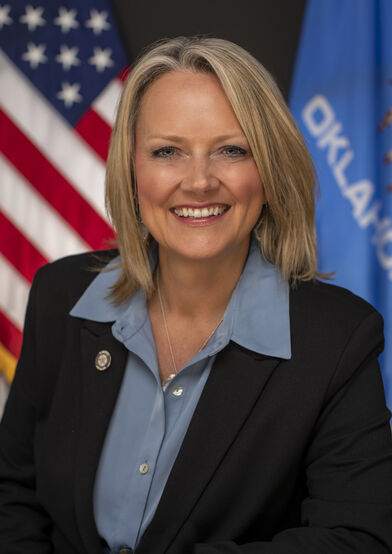
Christi Gillespie
Christi Gillespie Senate · District 33
R
Strong +
86% 174
Mark Tedford
Mark Tedford House · District 69
R
Strong +
86% 141
Aaron Reinhardt
Aaron Reinhardt Senate · District 37
R
Strong +
85% 192
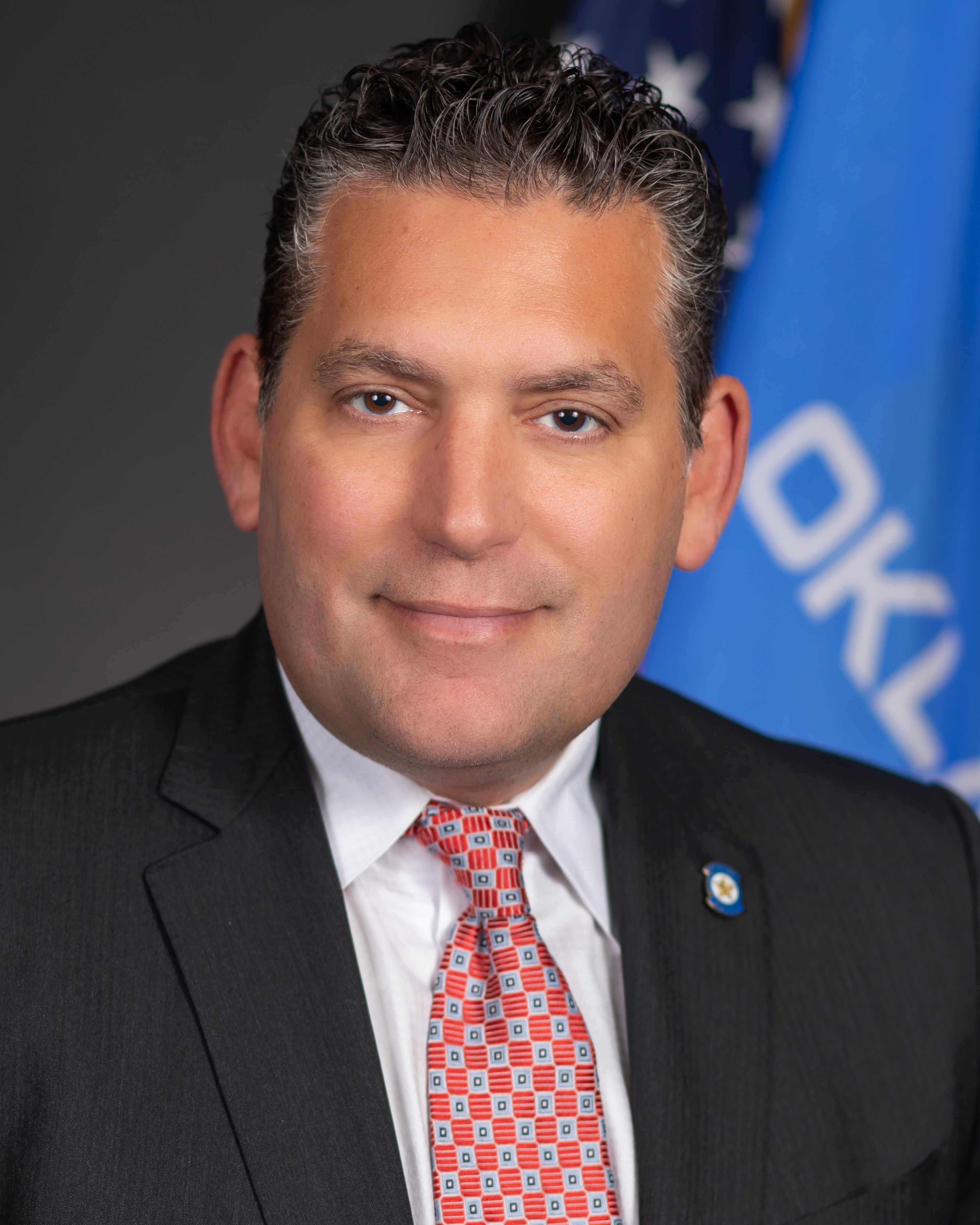
Shane Jett
Shane Jett Senate · District 17
R
Oppose
21% 175
Tom Gann
Tom Gann House · District 8
R
Oppose
22% 201
Rick West
Rick West House · District 3
R
Oppose
25% 196
Molly Jenkins
Molly Jenkins House · District 33
R
Oppose
28% 193
Jim Shaw
Jim Shaw House · District 32
R
Oppose
28% 207
Showing 21–30 of 34 bills

All labor & employment bills

in committee · Oklahoma · House Feb 6, 2025

HB 2217: Workers' Compensation; benefits; fees; effective date.

HB 2217 amends Oklahoma's workers' compensation law to clarify benefit rules for injured workers. It requires employees to comply with medical treatment (missing three appointments or abandoning care for 60 days can terminate benefits) and limits permanent partial disability awards to a 100% rating based on the American Medical Association's guidelines. The bill also caps weekly payments at $350 (increasing to $360 after July 1, 2021), not exceeding 360 weeks total for the body as a whole. These changes directly affect injured workers seeking ongoing benefits, employers managing claims, and medical providers submitting disability evaluations.
passed · Oklahoma · Senate Apr 24, 2025

SB 521: Franchises; modifying definition; updating statutory reference. Effective date.

SB 521 updates Oklahoma's franchise law by clarifying key definitions in Section 6005 of Title 59. It defines "franchisor" to include subfranchisors who handle both pre-sale and post-sale activities, and specifies that a "franchise" requires trademark use, franchisor control or assistance, and a payment. Crucially, the bill explicitly states that franchisors are not employers of franchisee employees, and franchisee employees are not considered employees of the franchisor. This directly affects franchise businesses and their workers in Oklahoma by clarifying legal employer-employee relationships. The bill takes effect November 1, 2025.
in committee · Oklahoma · House Feb 4, 2025

HB 2175: Fire code; swine farms; exempting; fire suppression; effective date.

HB 2175 exempts all swine farms from existing state, county, and municipal fire safety requirements. This means pig farming operations in Oklahoma will no longer need to comply with local or state fire code regulations for fire suppression. The exemption takes effect on November 1, 2025, as specified in the bill. The legislation directly affects swine farm operators by removing a regulatory requirement they previously had to follow.
in committee · Oklahoma · Senate Feb 11, 2025

SB 615: State employee compensation; creating salary limit for certain state employees; providing exemptions. Effective date. Emergency.

SB 615 sets a salary cap for most Oklahoma state employees, limiting annual pay to no more than the Governor's salary (as defined in state law) starting July 1, 2025. It directly affects most state workers, excluding two key groups: higher education staff (including university officials under the State Regents) and licensed healthcare professionals (like doctors and nurses) working for state agencies. The bill requires state departments to seek legislative approval via joint resolution for any compensation exceeding the Governor's salary, though exemptions for the listed groups remain automatic. This creates a clear, enforceable limit on executive branch pay without altering existing salary structures for exempted roles.
Sub-Topics Public Employees
signed · Oklahoma · House May 4, 2026

HB 2288: Teachers' Retirement System; postretirement employment; earning limitations; retired member; earnings without reduction in retirement benefits; effective date; emergency.

HB 2288 modifies rules for retired Oklahoma teachers who return to public school employment. It establishes a 60-day cooling-off period after retirement before reemployment and sets annual earnings limits: retired teachers under 62 may earn up to half their final salary (or Social Security's limit, whichever is lower), while those 62+ may earn up to $30,000 or half their final salary. The bill also creates a three-year exception (ending July 2027) allowing certain retired teachers who haven't worked for a public school in the past year to return without earnings limits. It clarifies that part-time work for state government (like the Legislature) doesn't count as public school employment under these rules.
in committee · Oklahoma · House Feb 4, 2025

HB 1779: Officers; Governmental Tort Claims Amendments Act of 2025; effective date.

HB 1779 amends Oklahoma's Citizens Participation Act to clarify which lawsuits are excluded from its protections. It specifically excludes government enforcement actions (like those by the Attorney General), business disputes over sales/leases, injury claims, insurance cases, and workplace lawsuits involving trade secrets or restrictive agreements (like non-compete clauses). These changes directly affect government entities, businesses, insurance companies, and employees filing certain civil claims. The bill takes effect on November 1, 2025, and does not alter the core purpose of the Citizens Participation Act.
in committee · Oklahoma · Senate Feb 4, 2025

SB 845: Higher education; directing institution of higher education governing boards to ensure certain actions related to diversity, equity, and inclusion do not occur. Effective date. Emergency.

SB 845 prohibits Oklahoma public universities from establishing diversity, equity, and inclusion (DEI) offices, requiring DEI statements for hiring or admissions, or mandating DEI training based on race, ethnicity, gender, or sexual orientation. It mandates that governing boards certify compliance with these restrictions before receiving state funds for the 2026 fiscal year and requires annual testimony to legislative committees about compliance. Universities must also adopt disciplinary procedures for employees violating these rules, and the State Auditor must conduct audits to ensure funds aren’t misused. The bill explicitly exempts academic instruction, research, student organizations, and efforts supporting underserved students without racial criteria.
signed · Oklahoma · Senate May 27, 2025

SB 250: Oklahoma Minimum Wage Act; allowing for alternative computation for wage under certain circumstances. Effective date.

This bill modifies Oklahoma's minimum wage calculation by allowing employers to count up to 50% of tips, meals, or lodging toward meeting the state's minimum wage requirement, provided the base cash wage meets federal standards (29 C.F.R. § 531.50(a)(1)). It directly affects tipped workers (like restaurant staff) and their employers when Oklahoma's minimum wage exceeds the federal rate. The key provision updates how wages are computed, ensuring employers cannot reduce cash wages below federal thresholds while crediting qualifying non-cash compensation. The law takes effect November 1, 2025.
in committee · Oklahoma · House Feb 4, 2025

HB 1258: Public retirement systems; Defined Contribution Retirement Plan for Teachers; Teachers' Retirement System of Oklahoma; defined contribution system; participation; election; service accrual; employee contribution amount; salary deductions; employer matching contributions; costs; vesting schedule; Board of Trustees; investment; deposit; defined benefit plan; offsets; qualified domestic orders; term; alternate payees; restrictions; rules; minimum salary schedule; codification; effective date.

HB 1258 creates a new defined contribution retirement plan for Oklahoma teachers hired on or after November 1, 2024. Teachers must make a one-time irrevocable election to join this plan, which replaces the existing defined benefit system for them; those who don’t elect it default to the current retirement system. Employees contribute a mandatory minimum of 4.5% of salary, with employers matching 6% (increasing to 7% if employees contribute more), all managed in tax-qualified retirement accounts. The plan prevents accrual of service credits under the old system, and participation is binding for all future service with participating employers.
in committee · Oklahoma · Senate Mar 4, 2026

SB 481: Public employees; prohibiting certain public employees from engaging in certain actions and using certain resources for certain purposes. Effective date. Emergency,

SB 481 bans public employees (including state, local, and school district workers) from participating in group strikes or work stoppages. It automatically terminates employment, revokes pensions and civil service rights, and revokes teaching certificates for educators who violate the ban. The law explicitly allows individual employees to stop working without group action. This bill takes effect November 1, 2025, and applies broadly across Oklahoma's public workforce.
Showing 21 to 30 of 34 bills
Previous 1 2 3 4 Next