Issue · Healthcare

Healthcare (Medicaid)

Every healthcare bill, vote, and legislator stance in Oklahoma, automatically classified by Maddy, our AI policy reader.

Total bills
93
2026 Regular Session
Top supporter
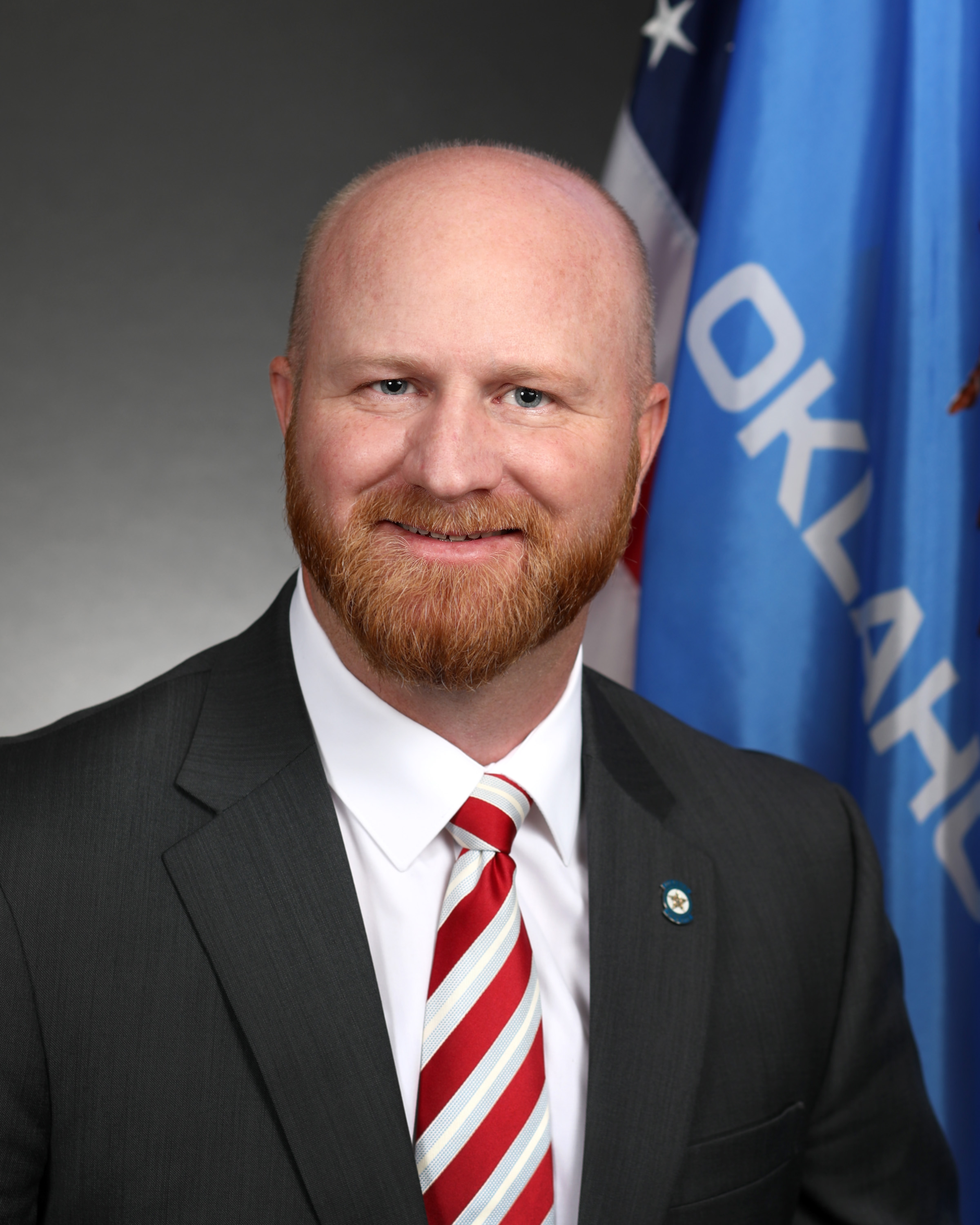
Brent Howard
100% support rate
Top opponent
Shane Jett
6% support rate
Ranked legislators
10
5 support · 5 oppose
Key legislators

Who's moving medicaid in Oklahoma

Legislators moving medicaid in Oklahoma
Legislator Party Stance Support rate Votes
Brent Howard
Brent Howard Senate · District 38
R
Strong +
100% 20
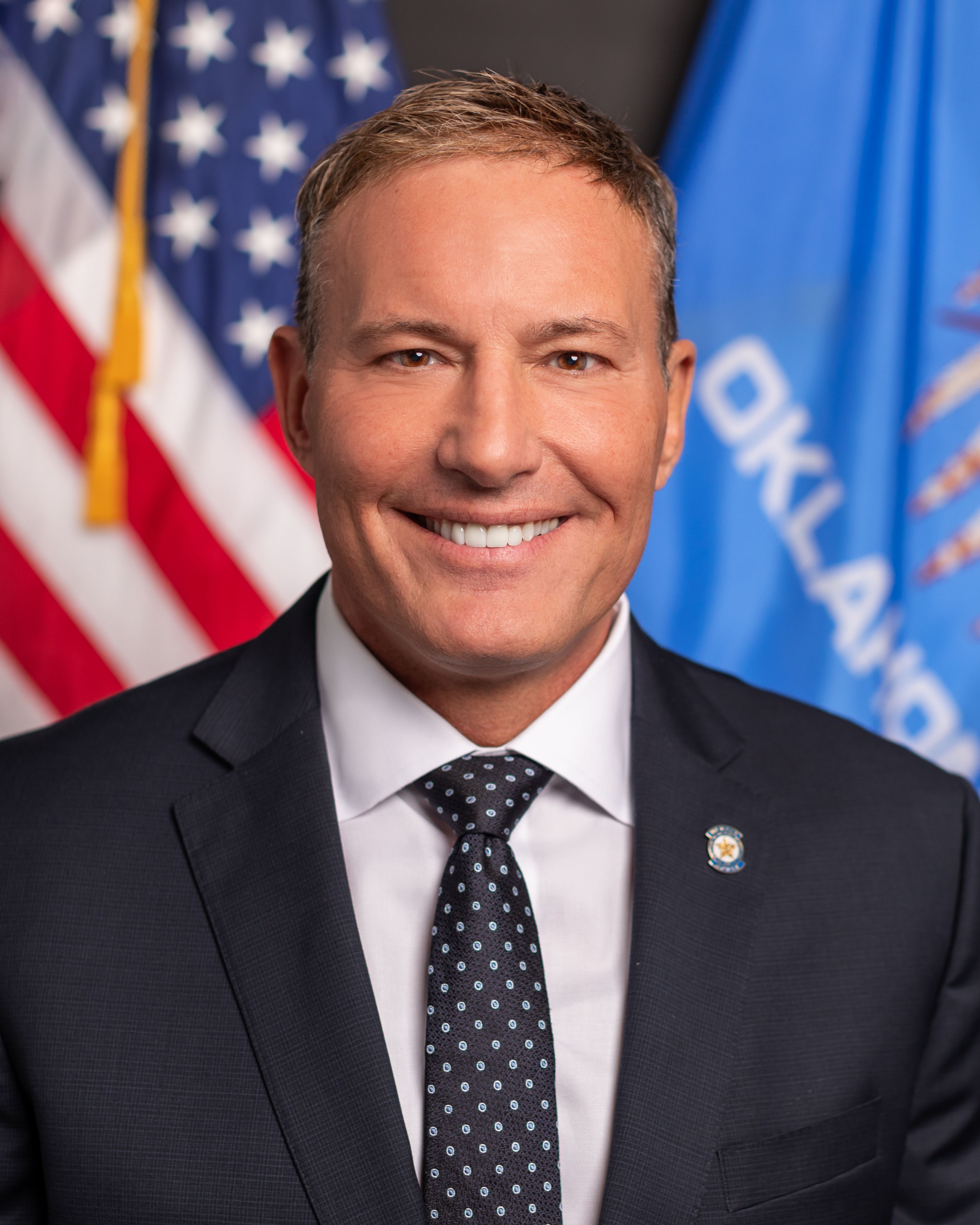
John George
John George House · District 36
R
Strong +
97% 29
Steve Bashore
Steve Bashore House · District 7
R
Strong +
97% 29
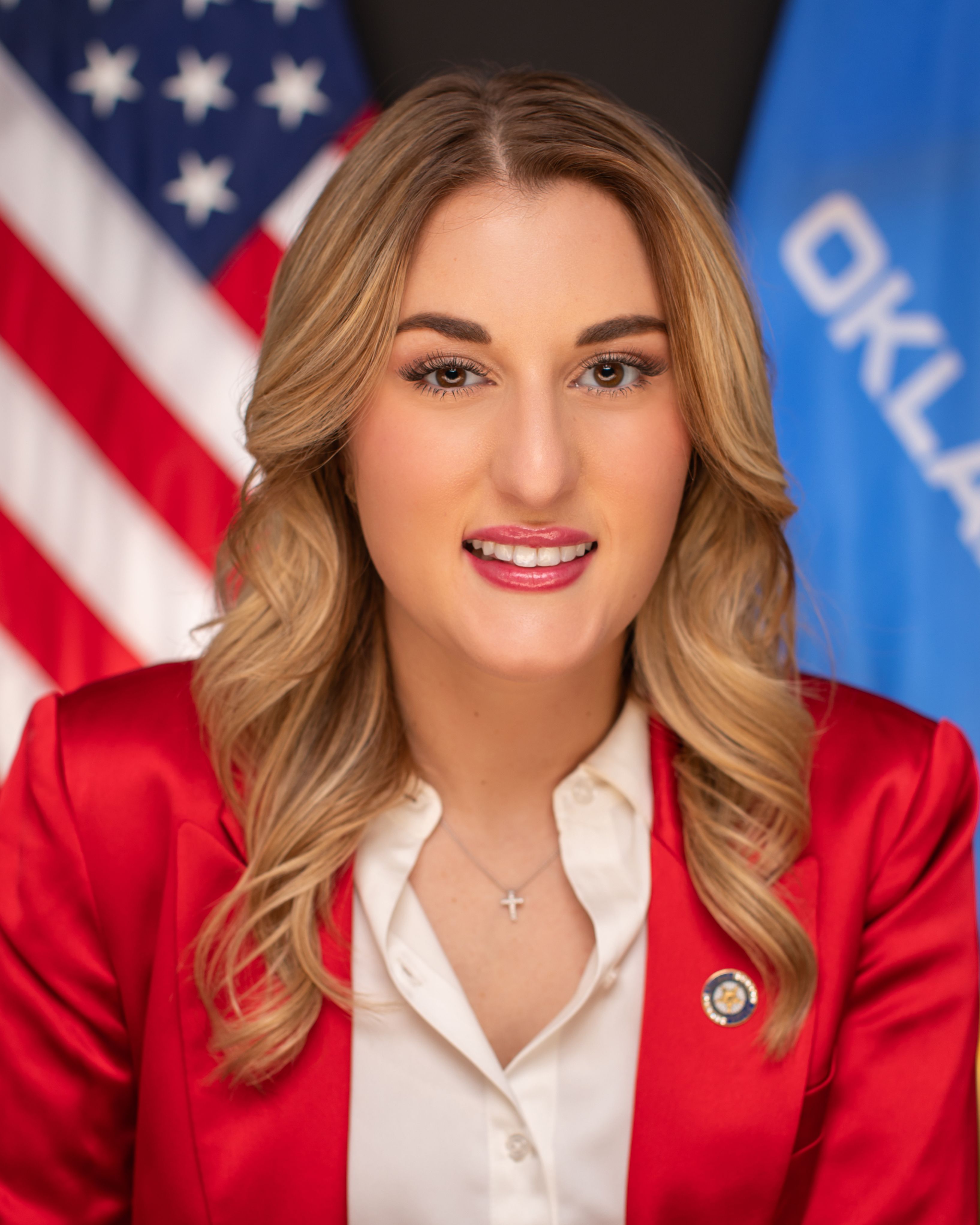
Emily Gise
Emily Gise House · District 90
R
Strong +
96% 28
Josh West
Josh West House · District 5
R
Strong +
96% 28
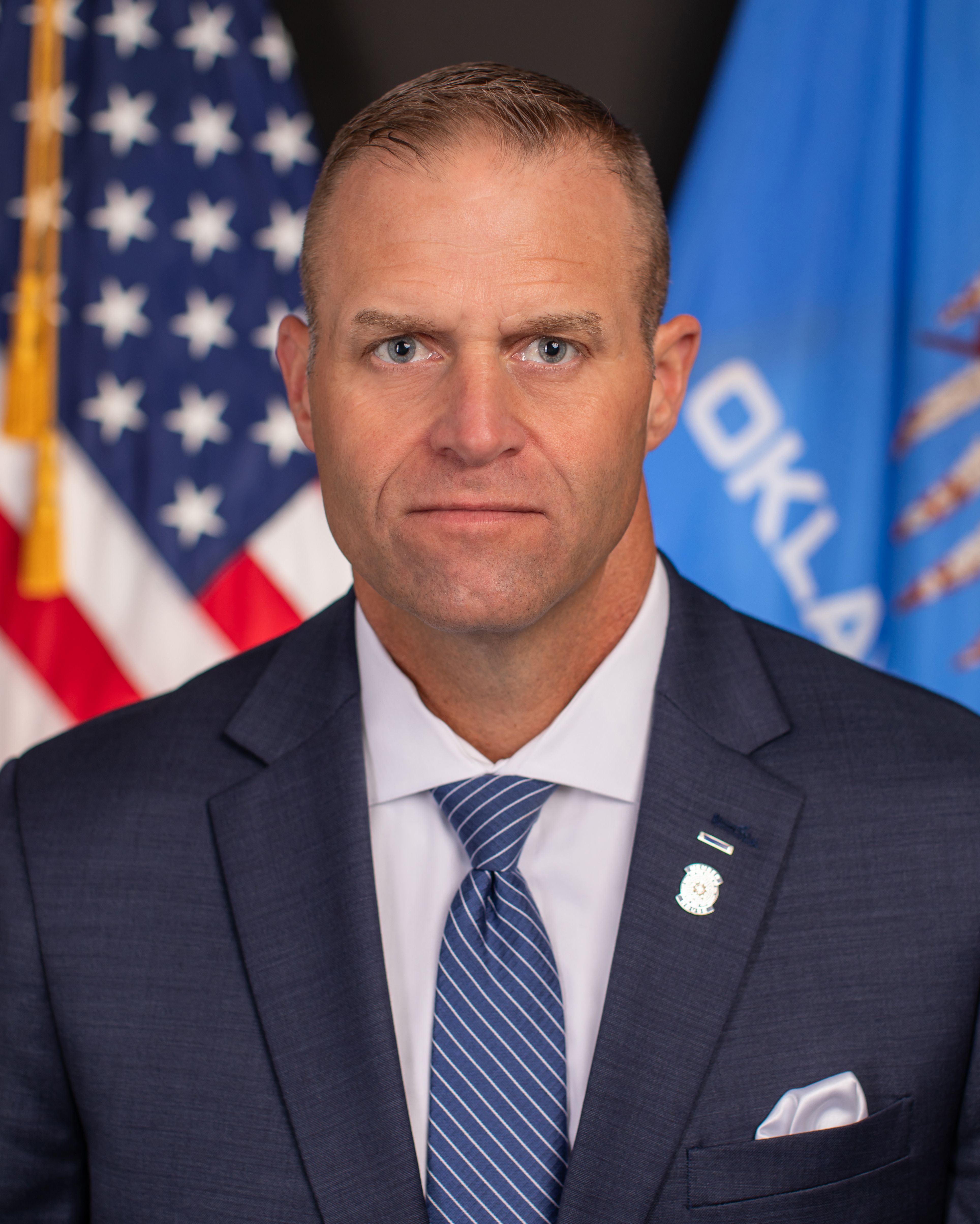
Shane Jett
Shane Jett Senate · District 17
R
Strong −
6% 17
Dusty Deevers
Dusty Deevers Senate · District 32
R
Strong −
11% 18
Kendal Sacchieri
Kendal Sacchieri Senate · District 43
R
Strong −
11% 18
Rick West
Rick West House · District 3
R
Strong −
15% 27
Dana Prieto
Dana Prieto Senate · District 34
R
Strong −
18% 17
Showing 51–60 of 93 bills

All healthcare bills

in committee · Oklahoma · House Feb 4, 2025

HB 1772: Medicaid; out-of-state medical providers; term; effective date.

HB 1772 restricts Oklahoma's Medicaid program from contracting with out-of-state medical providers for in-person medical treatments when similar services are available from Oklahoma-licensed providers. It defines "treatment" as requiring the patient's physical presence and direct care by a provider, excluding remote services like lab analysis or diagnostics. The Oklahoma Health Care Authority must seek federal approval to implement this change, which takes effect November 1, 2025. This bill directly affects Medicaid patients needing in-person care and out-of-state providers who may lose Medicaid contracts for such services.
Sub-Topics Medicaid
vetoed · Oklahoma · Senate May 14, 2025

SB 927: State Medicaid program; modifying appointment procedures for the Medicaid Drug Utilization Review Board. Effective date.

SB 927 amends Oklahoma's Medicaid Drug Utilization Review Board procedures by prohibiting the pharmaceutical industry representative from voting on drug-related matters. It updates the appointment process to stagger initial terms for one physician, one pharmacist, and the lay representative to ensure board continuity. The bill affects the Oklahoma Health Care Authority and the board members, with changes taking effect November 1, 2025. The board's composition (10 members: 4 physicians, 4 pharmacists, 1 lay representative, 1 pharmaceutical industry rep) and appointment lists remain unchanged.
Sub-Topics Medicaid
passed · Oklahoma · House Apr 7, 2026

HB 2834: Medicaid; Oklahoma Health Care Authority; coverage; Medicaid programs without therapy benefits.

HB 2834 requires Oklahoma's Medicaid program to cover 96% of Medicare's payment rates for in-home physical, occupational, and speech therapy services. This directly affects Oklahoma Medicaid recipients needing these specific therapies by ensuring providers receive a standardized reimbursement rate. The bill sets a new reimbursement standard for these services, effective July 1, 2025, rather than expanding eligibility. It passed the Oklahoma House of Representatives with 64-25 support but did not secure emergency status.
Sub-Topics Medicaid Medicare
signed · Oklahoma · House May 29, 2025

HB 2784: Public health; Oklahoma State University Medical Authority; Medicaid supplemental payments; agreements and contract; benefits; waivers; creating the Emergency Medicine Revolving Fund; effective date.

HB 2784 creates the Emergency Medicine Revolving Fund to preserve Medicaid supplemental payments for specific hospitals. It directly affects Oklahoma hospitals with American College of Surgeons Level 1 trauma centers, particularly those owned, operated, or partnered with the Oklahoma State University Medical Trust or University Hospitals Trust (including facilities in Oklahoma City and Tulsa). The bill requires annual certification by the Oklahoma State University Medical Authority to ensure trauma centers meet standards for receiving these payments, while also clarifying agreements between medical authorities and healthcare providers. Key provisions include maintaining existing Medicaid funding streams for teaching hospitals, trauma centers, and affiliated medical school providers, and directing the Oklahoma Health Care Authority to develop plans to sustain these payments through federal waivers or state plan amendments.
signed · Oklahoma · House May 29, 2025

HB 2797: Health Care Authority; prohibiting use of certain methodology; audits; fraud reporting; requiring joint collaboration between Department of Mental Health and Substance Abuse Services and Department of Human Services; duties; emergency.

HB 2797 prohibits Oklahoma's Health Care Authority (OHCA) from using statistical methods like extrapolation to audit Medicaid home and community-based service claims, which could require providers to repay overpayments. It invalidates all past audits using these methods (January 2020-November 2025) and voids related repayment demands. The bill requires OHCA and the Department of Human Services to jointly develop new audit standards and provide training for providers by November 2027. It also mandates compliance with existing fraud reporting rules and updates audit responsibilities for Medicaid waiver programs.
in committee · Oklahoma · House Feb 26, 2025

HB 1577: State Medicaid program; medically necessary; donor human milk-derived products; reimbursement; promulgation of rules; policy or procedure; Oklahoma Health Care Authority; federal approval; effective date.

HB 1577 requires Oklahoma Medicaid to cover medically necessary donor human milk-derived products (like donated breast milk) for infants under 12 months in inpatient or outpatient settings. Coverage applies when a licensed physician, physician assistant, or nurse practitioner certifies it is needed due to low birth weight (under 1,500 grams), prematurity (34 weeks or less gestation), or a specific medical condition. The Oklahoma Health Care Authority must establish quality standards for these products, provide separate reimbursement (not bundled with hospital payments), and develop implementing rules while seeking federal approval. The law takes effect November 1, 2025, directly impacting Medicaid-covered infants and healthcare providers in Oklahoma.
passed · Oklahoma · House Apr 1, 2025

HB 2805: Dental benefit plans; creating the Medical Loss Ratios for Dental (DLR) Health Care Services Plans Act; definitions; formula; reporting to Insurance Department; data verification; rebate calculation; rates; effective date.

HB 2805 establishes minimum medical loss ratio (MLR) requirements for dental benefit plans in Oklahoma, requiring insurers to spend at least 85% of premium revenue on actual dental care (not overhead) for large group plans and 80% for individual/small group plans. If insurers fail to meet these ratios, they must issue annual rebates to enrollees calculated as the shortfall multiplied by total premium revenue (excluding certain fees). The bill also mandates annual MLR reporting to the Oklahoma Insurance Department by calendar year, with public data disclosure, and requires insurers to file dental rate changes by July 1 for January 1 effective dates. It does not apply to Medicaid plans and takes effect January 1, 2028, for rebate implementation.
Sub-Topics Insurance Medicaid
passed · Oklahoma · House Apr 1, 2025

HB 2899: Professions and occupations; dental practice; teledentistry requirements; Oklahoma Dental Loan Repayment Act; legislative findings; allowances; requirements; exemption; effective date.

This bill updates Oklahoma's teledentistry rules, requiring dentists to hold an Oklahoma license when diagnosing or treating patients remotely within the state and mandating that all teledentistry records be maintained in Oklahoma or within 50 miles of its border. It also expands the Oklahoma Dental Loan Repayment Program, offering up to $60,000 annually for five years to dentists who agree to provide care to Medicaid patients (at least 30% of their practice) and serve in designated underserved areas (with exemptions for specialists and FQHC providers). The program prioritizes new dental graduates, particularly from the University of Oklahoma, and requires participants to teach at the University of Oklahoma College of Dentistry if selected as faculty. The law aims to increase dental access in rural and underserved communities while ensuring Medicaid-dependent patients receive care.
Sub-Topics Medicaid
in committee · Oklahoma · Senate Feb 3, 2026

SB 1382: Medicaid; establishing the Diabetes Prevention Program; specifying certain services, coverage limits, and payment methodologies. Effective date.

SB 1382 establishes Oklahoma's Medicaid Diabetes Prevention Program (DPP) for members with prediabetes, requiring the Oklahoma Health Care Authority to implement an evidence-based lifestyle program aligned with CDC standards. The program mandates 22 initial coaching sessions over one year (with maintenance sessions for those achieving 5% weight loss), delivered by trained peer coaches using CDC-approved curricula focused on healthy eating and physical activity. Medicaid providers must offer the program, and payment for services is limited to 80% of Medicare rates, with unlicensed coaches needing provider arrangements for reimbursement. The bill affects Oklahoma Medicaid enrollees with prediabetes and their providers, effective November 1, 2026.
Sub-Topics Medicaid Medicare
signed · Oklahoma · Senate Jun 11, 2025

SB 1039: Medical marijuana license; modifying grounds for certain denials; notice; fees. Effective date.

SB 1039 modifies Oklahoma's medical marijuana licensing system. It establishes a new Oklahoma Medical Marijuana Authority to process applications, sets a $100 biannual fee (or $20 for Medicaid/Medicare/SoonerCare users) for patient licenses, and creates three license types: standard two-year licenses, 60-day short-term licenses for patients with limited physician recommendations, and 30-day temporary licenses for out-of-state patients from regulated states. The bill requires the Authority to review applications within 14 business days and provide written denial reasons, while also creating caregiver licenses for homebound patients with specific limits. This law directly affects Oklahoma residents seeking medical marijuana access, out-of-state visitors with valid programs, and caregivers.
Sub-Topics Medicaid Medicare
Showing 51 to 60 of 93 bills
Previous 1 5 6 7 10 Next