Issue · Healthcare

Healthcare

Every healthcare bill, vote, and legislator stance in Oklahoma, automatically classified by Maddy, our AI policy reader.

Total bills
547
2026 Regular Session
Top supporter
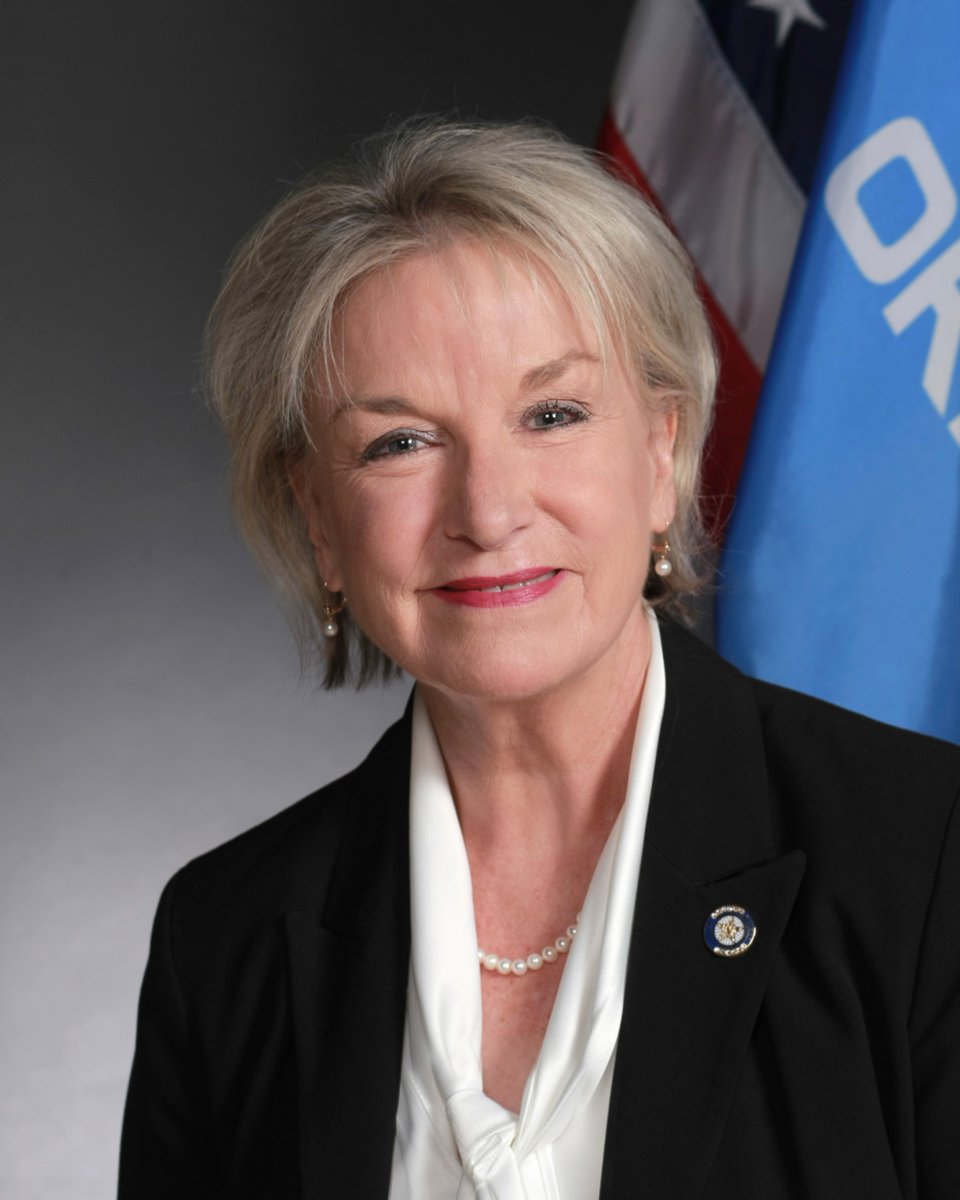
Brenda Stanley
97% support rate
Top opponent
Shane Jett
16% support rate
Ranked legislators
10
5 support · 5 oppose
Key legislators

Who's moving healthcare in Oklahoma

Legislators moving healthcare in Oklahoma
Legislator Party Stance Support rate Votes
Brenda Stanley
Brenda Stanley Senate · District 42
R
Strong +
97% 214
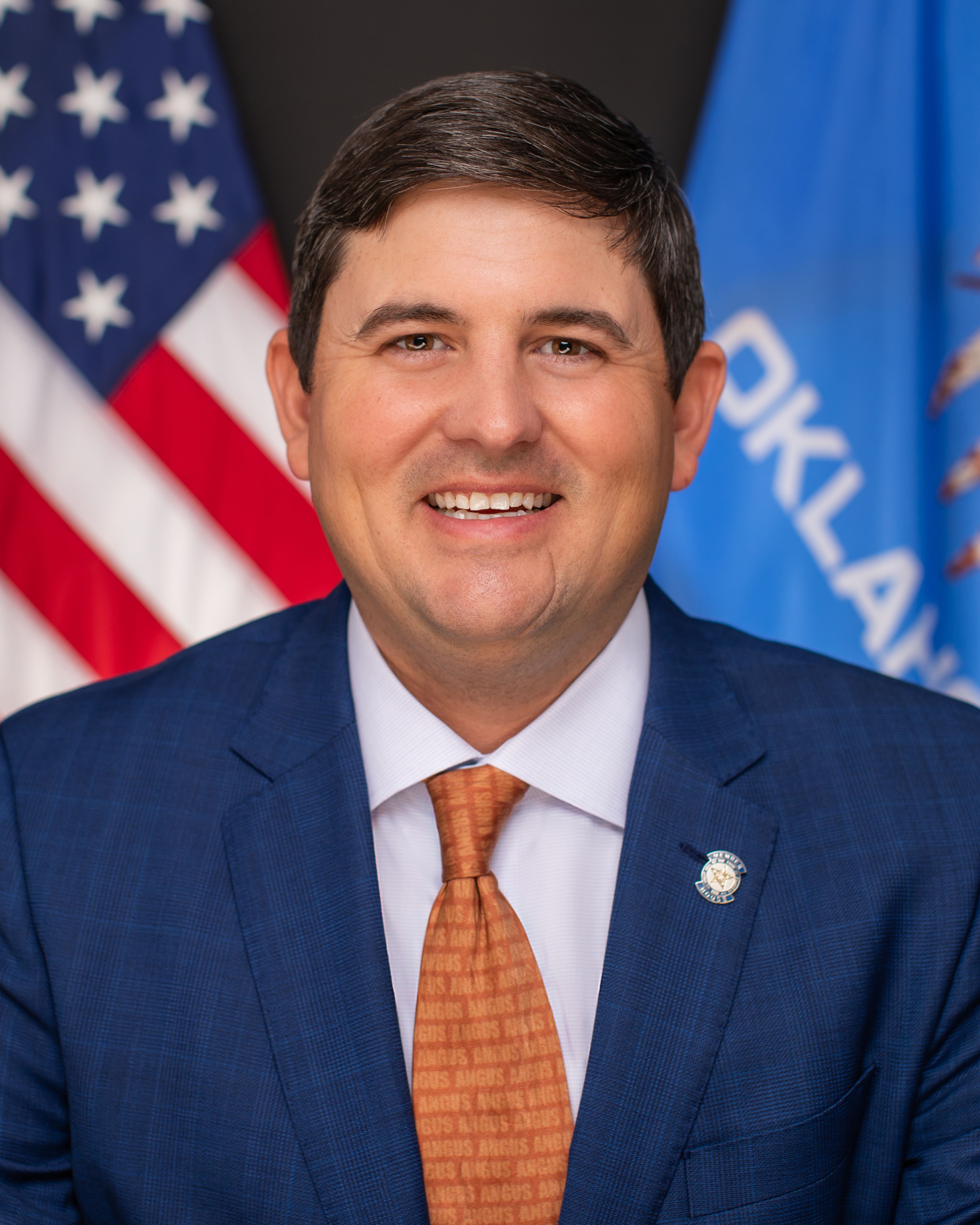
John Pfeiffer
John Pfeiffer House · District 38
R
Strong +
96% 186
Lonnie Paxton
Lonnie Paxton Senate · District 23
R
Strong +
96% 173
Aaron Reinhardt
Aaron Reinhardt Senate · District 37
R
Strong +
96% 250
Kelly Hines
Kelly Hines Senate · District 47
R
Strong +
96% 181
Shane Jett
Shane Jett Senate · District 17
R
Strong −
16% 216
Molly Jenkins
Molly Jenkins House · District 33
R
Strong −
17% 206
Dusty Deevers
Dusty Deevers Senate · District 32
R
Strong −
19% 208
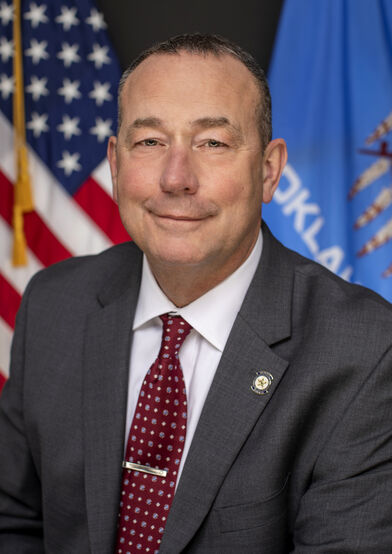
Rick West
Rick West House · District 3
R
Strong −
20% 201
Jim Shaw
Jim Shaw House · District 32
R
Oppose
20% 204
Showing 501–510 of 547 bills

All healthcare bills

in committee · Oklahoma · Senate Feb 4, 2025

SB 257: Medicaid; creating exception to certain prohibition on contracts with out-of-state providers. Effective date.

SB 257 allows Oklahoma Medicaid to reimburse out-of-state laboratories for specific diagnostic tests when no licensed Oklahoma provider offers those exact services. It amends Oklahoma law (63 O.S. 2021, § 5060) to create an exception to the general prohibition on contracting with out-of-state medical providers. The policy directly affects Medicaid beneficiaries requiring specialized lab services unavailable locally and the Oklahoma Health Care Authority, which must seek federal approval for implementation. The change becomes effective November 1, 2025.
Sub-Topics Medicaid
in committee · Oklahoma · Senate Feb 20, 2025

SB 426: Practice of pharmacy; designating certain drugs as over-the-counter; prohibiting pharmacist or pharmacy from requiring prescription; providing penalties. Effective date.

SB 426 designates chloroquine, hydroxychloroquine, and ivermectin as over-the-counter drugs in Oklahoma, requiring pharmacists and pharmacies to sell these medications without prescriptions. The bill directly affects pharmacists and pharmacies, prohibiting them from demanding prescriptions for these specific drugs. Violations carry severe penalties: license revocation and a $100,000 fine per occurrence, enforced by the State Board of Pharmacy. This law creates a concrete policy change by removing prescription barriers for these three medications at the point of sale.
Sub-Topics Prescription Drugs
in committee · Oklahoma · Senate Feb 4, 2025

SB 1058: Public health; requiring certain perinatal mental health screenings; requiring the State Department of Health to make available certain resources; requiring compilation and publication of certain data. Effective date.

SB 1058 requires healthcare providers to screen mothers for perinatal depression and anxiety during pregnancy and up to one year postpartum. It directs Oklahoma's State Department of Health to create a public website and mobile app offering maternal/infant health resources, collect health outcome data through provider reports and surveys, and publish an annual report on depression/anxiety rates by demographics. The bill affects mothers receiving care during the perinatal period and aims to improve access to mental health services and maternal/infant health outcomes through data-driven resource coordination.
in committee · Oklahoma · Senate Feb 25, 2025

SB 187: Children; providing access to certain counseling services for foster parents and certain children subject to specified condition. Effective date. Emergency.

SB 187 requires Oklahoma's Department of Human Services to provide foster parents and children living in foster homes (excluding the foster child themselves) with access to six hours annually of free counseling from licensed mental health providers. The counseling services, funded by the state, are optional for participants and cannot be used to penalize or discriminate against foster parents who use them. Providers must meet specific qualifications, including training in the Flash Technique, and the department must inform foster parents about these services before a child is placed in their home. The bill aims to support foster home stability by addressing mental health needs for foster families.
Sub-Topics Mental Health
in committee · Oklahoma · Senate Feb 4, 2025

SB 809: Physician assistants; allowing certain physician assistants to practice without supervision; specifying prescriptive authority. Effective date.

SB 809 would allow physician assistants (PAs) in Oklahoma who complete specific postgraduate clinical training to practice without direct physician supervision. It modifies Oklahoma law to remove the requirement for supervision agreements for qualifying PAs and clarifies their prescriptive authority for controlled substances. The bill repeals existing supervision rules (Section 521.4) and updates definitions related to PA practice and prescribing. This directly affects PAs with the required experience, expanding their scope to operate independently in clinical settings under the new framework.
in committee · Oklahoma · Senate Feb 4, 2025

SB 926: State Medicaid program; requiring coverage of insulin and insulin delivery systems; specifying certain covered system. Effective date. Emergency.

SB 926 requires Oklahoma's Medicaid program to cover insulin and insulin delivery systems (including tubeless, wearable insulin pumps) when medically necessary for diabetes management. This directly affects Medicaid beneficiaries with diabetes who rely on these treatments. The bill mandates the Oklahoma Health Care Authority to seek federal approval for this coverage change and takes effect July 1, 2025. It does not alter Medicaid eligibility but ensures specific diabetes-related treatments are covered under the state's Medicaid program.
Sub-Topics Medicaid
in committee · Oklahoma · Senate Feb 3, 2026

SB 1406: Income tax; creating the Health Care Sharing Ministries Tax Parity Act; providing deduction for certain expenditures. Effective date.

SB 1406 creates the "Health Care Sharing Ministries Tax Parity Act" in Oklahoma, providing tax benefits for residents participating in health care sharing ministries (HCSMs). It allows eligible Oklahoma residents (qualified individuals) to deduct membership fees and medical sharing costs paid to HCSMs from their taxable income, and exempts payments received from HCSMs from taxable income for tax years 2027 and later. The bill defines HCSMs as tax-exempt organizations operating under specific ethical/religious guidelines without insurance-like guarantees, requiring quarterly financial statements and public disclaimers. These tax provisions apply only to residents actively enrolled in an HCSM for at least one month during the tax year, with claims filed using forms prescribed by the Oklahoma Tax Commission. The bill takes effect November 1, 2026.
Sub-Topics Income Tax
died · Oklahoma · House Feb 7, 2025

HB 1019: Public health; Oklahoma Rare Disease Advisory Council; purpose; appointment procedures; membership requirements; annual report; membership terms; vacancies; term; effective date.

HB 1019 creates the Oklahoma Rare Disease Advisory Council within the State Department of Health to address the needs of Oklahomans with rare diseases. The council, composed of 15 members including patients, caregivers, medical professionals, industry representatives, and health officials, will provide recommendations on healthcare access, emergency planning, and research. It must submit annual reports to the Legislature and Governor, including public comment periods, and hold quarterly meetings with public input opportunities. The council will operate starting February 2026, with members serving up to four years during the initial staggered rollout. This bill directly affects rare disease patients, caregivers, and healthcare providers across Oklahoma by establishing a formal advisory body to guide state policy.
Sub-Topics Public Health
in committee · Oklahoma · Senate Feb 4, 2025

SB 1060: Dental benefit plans; establishing formula for medical loss ratio; exempting certain dental plans; requiring annual rebate for certain plan years by certain plans. Effective date.

SB 1060 requires Oklahoma dental benefit plans to spend a minimum percentage of premium revenue on actual dental care (80% for large groups, 75% for individuals/small groups) instead of administrative costs. If plans fail to meet these thresholds, they must issue annual rebates to enrollees by August 1st of the following year. The bill mandates annual reporting to the Insurance Department, including detailed MLR calculations, and exempts Medicaid and state-sponsored plans. It establishes specific formulas for calculating "earned premium" and "medical loss ratio" to ensure transparency and accountability in dental plan spending.
Sub-Topics Insurance Medicaid
died · Oklahoma · House Feb 19, 2025

HB 1523: Schools; student mental health; State Department of Education to create a school-based telehealth pilot program; request for proposals; definitions; optional school district participation; reporting to the Legislature; requiring the Department to seek funding; effective date; emergency.

HB 1523 would create a pilot program allowing Oklahoma public schools to offer virtual mental health services through telehealth. The State Department of Education must develop this program, with schools able to opt in by applying. Key provisions include requiring parental consent before services, limiting initial funding to $25,000, and defining "health benefit plan" per existing state law. The pilot aims to improve student mental health access without mandating participation. (Note: The bill was withdrawn from committee on February 19, 2025.)
Showing 501 to 510 of 547 bills
Previous 1 50 51 52 55 Next