Issue · Healthcare

Healthcare

Every healthcare bill, vote, and legislator stance in Oklahoma, automatically classified by Maddy, our AI policy reader.

Total bills
547
2026 Regular Session
Top supporter
Brenda Stanley
97% support rate
Top opponent
Shane Jett
16% support rate
Ranked legislators
10
5 support · 5 oppose
Key legislators

Who's moving healthcare in Oklahoma

Legislators moving healthcare in Oklahoma
Legislator Party Stance Support rate Votes
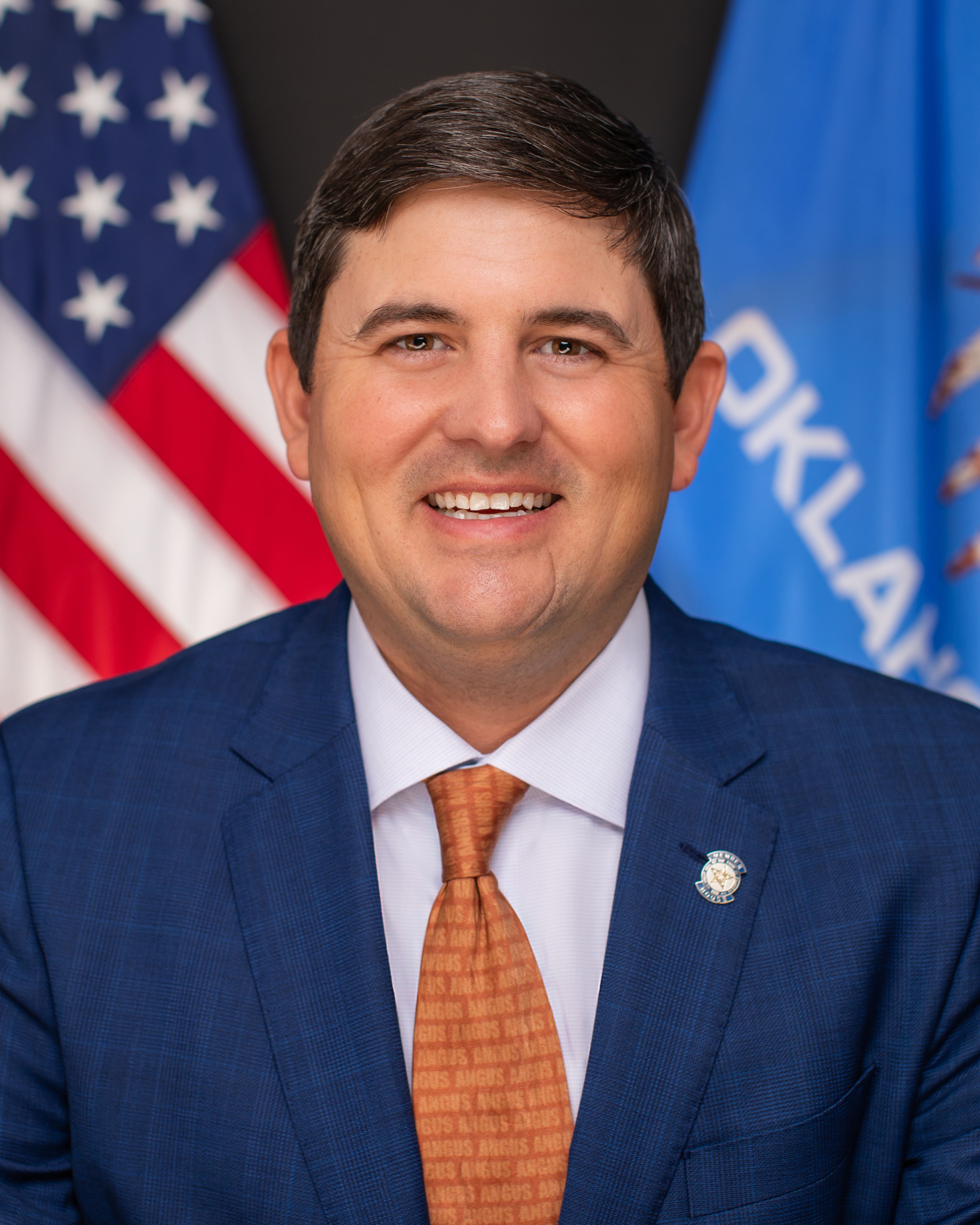
Brenda Stanley
Brenda Stanley Senate · District 42
R
Strong +
97% 214
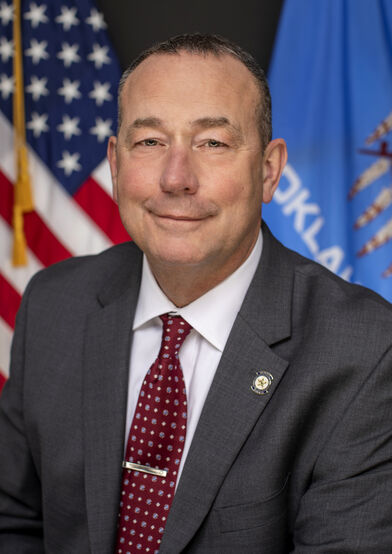
John Pfeiffer
John Pfeiffer House · District 38
R
Strong +
96% 186
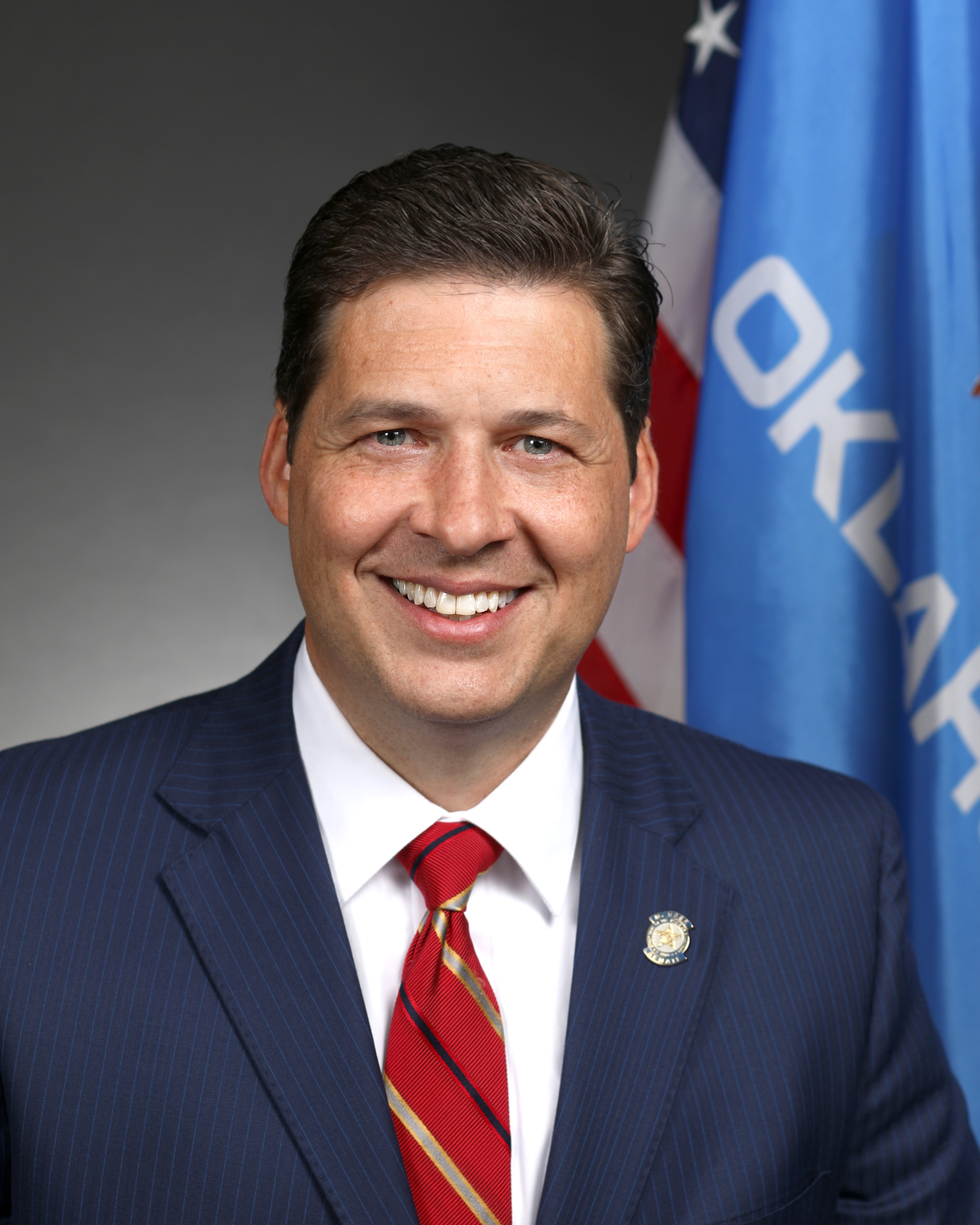
Lonnie Paxton
Lonnie Paxton Senate · District 23
R
Strong +
96% 173
Aaron Reinhardt
Aaron Reinhardt Senate · District 37
R
Strong +
96% 250
Kelly Hines
Kelly Hines Senate · District 47
R
Strong +
96% 181
Shane Jett
Shane Jett Senate · District 17
R
Strong −
16% 216
Molly Jenkins
Molly Jenkins House · District 33
R
Strong −
17% 206
Dusty Deevers
Dusty Deevers Senate · District 32
R
Strong −
19% 208
Rick West
Rick West House · District 3
R
Strong −
20% 201
Jim Shaw
Jim Shaw House · District 32
R
Oppose
20% 204
Showing 411–420 of 547 bills

All healthcare bills

in committee · Oklahoma · Senate Mar 3, 2025

SB 937: Health care; creating the Uniform Health-Care Decisions Act of 2025. Effective date.

Oklahoma's SB 937 establishes the "Uniform Health-Care Decisions Act of 2025," creating a legal framework for advance health care planning. It defines when an individual has the capacity to make health care decisions (including understanding risks/benefits), presumes capacity unless rebutted by a qualified health professional, and allows individuals to create health care instructions or appoint agents. The bill requires health care providers to document these instructions in medical records, prohibits certain family members from serving as agents, and specifies that conflicting instructions revoke prior ones. This directly affects Oklahomans planning future health care, their providers, and those acting as surrogates when capacity is disputed.
signed · Oklahoma · House May 29, 2025

HB 2782: Health Care Authority; Rate Preservation Fund; adding authorized uses of funds; authorization; requiring conditions for return of funds; emergency.

HB 2782 creates a "Rate Preservation Fund" within Oklahoma's Health Care Authority to prevent cuts to Medicaid reimbursement rates for healthcare providers when the state's federal Medicaid funding percentage decreases. The bill allows the Authority to use fund monies to maintain these rates and permits temporary transfers of up to one-third of the fund's balance to other Medicaid program accounts for cash flow needs - provided the funds are fully repaid to the preservation fund by year-end. This directly affects hospitals, clinics, and other Medicaid providers who rely on stable reimbursement rates. The law also declares an emergency to take immediate effect.
Sub-Topics Medicaid
in committee · Oklahoma · House Feb 4, 2025

HB 1144: Schools; attendance; allowing one day per semester for an excused absence for student mental health; effective date; emergency.

HB 1144 allows Oklahoma public school students to take one excused absence per semester for mental health reasons without requiring documentation from parents or students. This policy directly affects all K-12 students in Oklahoma public schools by expanding valid reasons for excused absences beyond traditional medical or family emergencies. The key provision limits mental health absences to a single full school day each semester, with no need for verification like a doctor's note. It does not change existing rules for other excused absences (such as for 4-H activities or online course participation) but adds mental health as a standalone, no-documentation reason. The bill amends Oklahoma's school attendance statutes to include this specific provision.
signed · Oklahoma · House May 29, 2025

HB 1808: Health insurance; creating the Ensuring Transparency in Prescription Drugs Prior Authorization Act; determination; consultation; prior authorization; effective date.

HB 1808, now law in Oklahoma, reforms health insurance prior authorization and step-therapy rules to improve patient access to medications. It requires insurers to grant exceptions to step-therapy protocols (where patients must try cheaper drugs first) if a medication is contraindicated, ineffective based on medical history, or causes harm - covering specific scenarios like prior adverse reactions or stability on a current treatment. The bill mandates insurers respond to urgent prior authorization requests within 24 hours and non-urgent requests within 2 business days, with requests deemed approved if deadlines are missed. It also ensures continuity of coverage for stable treatments when switching plans (90-day protection) and requires insurers to cover at least one readily available asthma controller medication per class without prior authorization.
vetoed · Oklahoma · Senate May 29, 2025

SB 773: Pharmacy benefit managers; modifying definitions; prohibiting certain circumstances; requiring nonpayment under providing venue for certain court proceeding; allowing Attorney General to obtain certain information. Effective date.

Oklahoma's SB 773 regulates pharmacy benefit managers (PBMs) by prohibiting unfair practices that affect independent pharmacies and patients. It requires PBMs to pay independent pharmacies the same reimbursement rate for identical drugs as they pay PBM-owned pharmacies, banning "spread pricing" where PBMs charge plans more than they pay pharmacies. The bill also prohibits PBMs from charging pharmacies fees for claim submission, network enrollment, or claims processing, and restricts retroactive payment reductions except for fraud or audit errors. These changes directly impact PBMs, pharmacies, and health plans operating in Oklahoma, aiming to ensure fairer payment practices. The bill was vetoed by the governor but overridden by the legislature on May 29, 2025.
Sub-Topics Prescription Drugs
signed · Oklahoma · House May 12, 2026

HB 2749: Medicaid; directing establishment of certain nursing facility add-on rate under specified conditions; effective date; emergency.

HB 2749 creates a special fund called the Intergenerational Education Revolving Fund within the Oklahoma Health Care Authority. It establishes a competitive grant program to connect nursing facilities participating in Oklahoma's Medicaid program with public school districts for collaborative intergenerational education initiatives. Grant awards, provided as rate adjustments to qualifying facilities, will fund these partnerships. The program begins July 1, 2025, with funds limited to the total amount deposited into the revolving fund.
Sub-Topics Medicaid
in committee · Oklahoma · Senate Feb 4, 2025

SB 1049: Health care; creating the Wrongful Life Act; prohibiting certain services on a minor; authorizing certain civil actions and damages. Effective date.

SB 1049 prohibits physicians and health care professionals in Oklahoma from providing gender-affirming medical treatments - such as hormone therapy, puberty blockers, or gender transition surgery - to individuals under 18, except when medically necessary (defined as excluding gender transition itself). It also bans parents or guardians from consenting to these treatments for minors. The bill creates civil lawsuits for individuals who received such treatments as minors and claim they lost natural reproductive capacity, allowing lawsuits with no statute of limitations and a rebuttable presumption about fertility. Plaintiffs may seek compensatory damages, punitive damages, and attorney fees, while parents/guardians who consented could face child abuse charges under certain circumstances. The law directly affects minors, health care providers, and parents/guardians in Oklahoma.
in committee · Oklahoma · House Feb 4, 2025

HJR 1027: Constitutional amendment; reproductive freedom; definitions; severability; ballot title; filing.

HJR 1027 is a proposed constitutional amendment (Article XXXI) that would establish a fundamental right to reproductive freedom for Oklahomans. It guarantees individuals' rights to make decisions about pregnancy care - including abortion, contraception, and miscarriage management - without state interference unless a "compelling" state interest (like protecting health) is proven through the least restrictive means. The amendment specifically prohibits state bans on abortions medically necessary to protect a patient’s life or physical/mental health, and bans prosecution of individuals or healthcare providers exercising this right. It directly affects Oklahomans seeking reproductive care, healthcare providers, and state enforcement practices. The amendment would override conflicting state laws and requires voter approval via ballot referendum.
vetoed · Oklahoma · House May 30, 2025

HB 2513: Department of Mental Health and Substance Abuse Services; individual to address the Department's consent decree; qualifications; emergency.

HB 2513, titled the "Oklahoma Mental Health Reform Act of 2025," proposed creating a position requiring an individual with specific qualifications to address the Department of Mental Health and Substance Abuse Services' court-ordered consent decree. The bill specified requirements for this appointee and included an emergency provision. It was scheduled to take effect November 1, 2025, but was pocket-vetoed by the Governor on May 30, 2025, with the veto taking effect June 15, 2025, meaning it never became law. The bill directly affected the Department's compliance with its existing legal agreement but was not enacted.
vetoed · Oklahoma · Senate May 12, 2025

SB 522: Medical marijuana; promulgating certain Advisory Council to establish certain task force; requiring certain final report. Effective date.

SB 522 creates an Oklahoma Medical Marijuana Authority Executive Advisory Council with six appointed members representing diverse stakeholders, including patients, business owners, and rural/urban communities. The bill requires this Council to establish a task force to research and recommend purchase and possession limits for medical marijuana patients, consulting with physicians, patient groups, veterans, and industry stakeholders. The task force must submit a final report by November 1, 2026, while the Council must issue annual reports to state leadership by November 1 each year. The bill focuses on gathering stakeholder input through structured research rather than changing existing medical marijuana laws. (Note: The bill was vetoed by the Governor on May 9, 2025.)
Showing 411 to 420 of 547 bills
Previous 1 41 42 43 55 Next