Issue · Healthcare

Healthcare (Medicaid)

Every healthcare bill, vote, and legislator stance in Oklahoma, automatically classified by Maddy, our AI policy reader.

Total bills
82
2026 Regular Session
Top supporter
Brent Howard
100% support rate
Top opponent
Shane Jett
6% support rate
Ranked legislators
10
5 support · 5 oppose
Key legislators

Who's moving medicaid in Oklahoma

Legislators moving medicaid in Oklahoma
Legislator Party Stance Support rate Votes
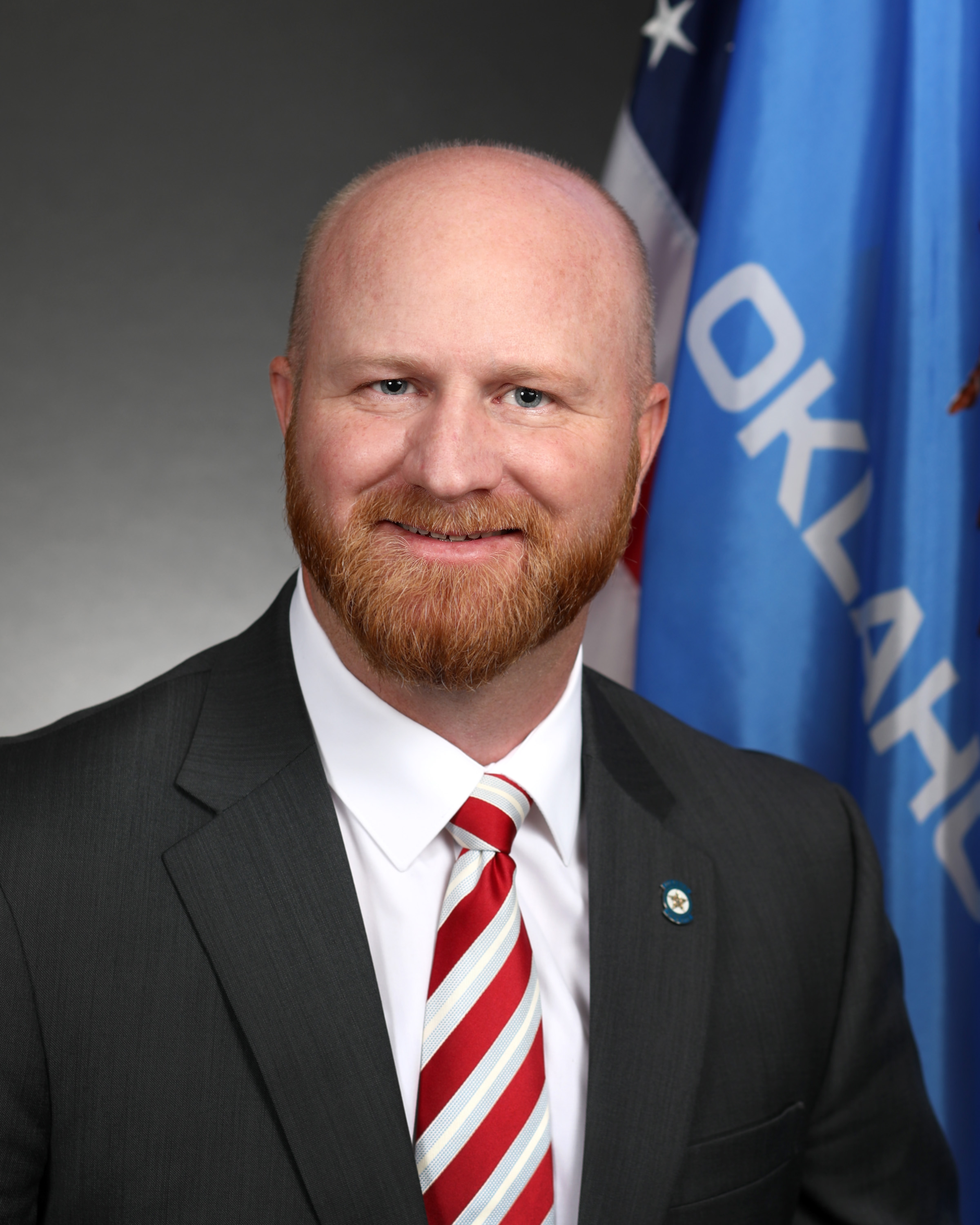
Brent Howard
Brent Howard Senate · District 38
R
Strong +
100% 20
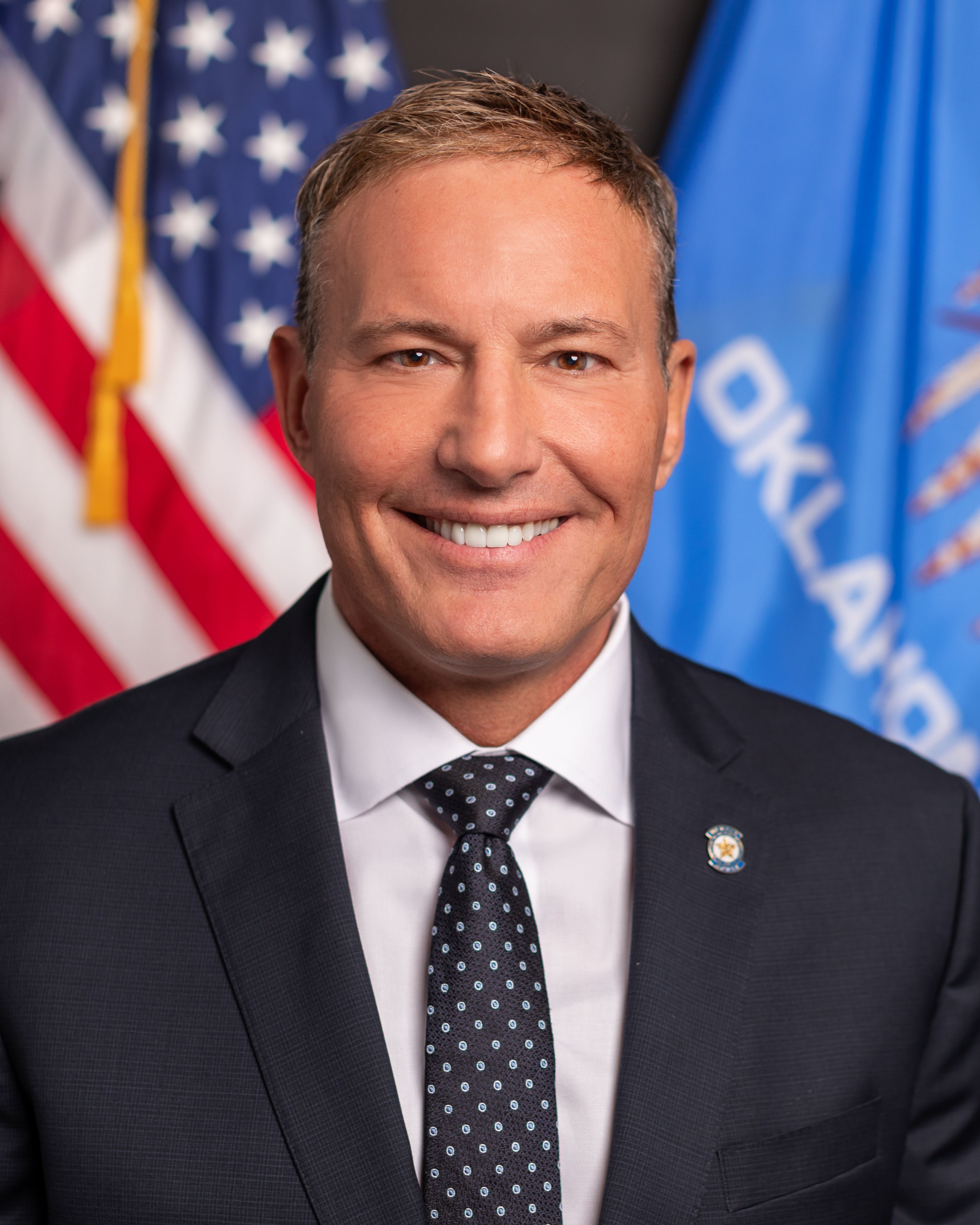
John George
John George House · District 36
R
Strong +
97% 29
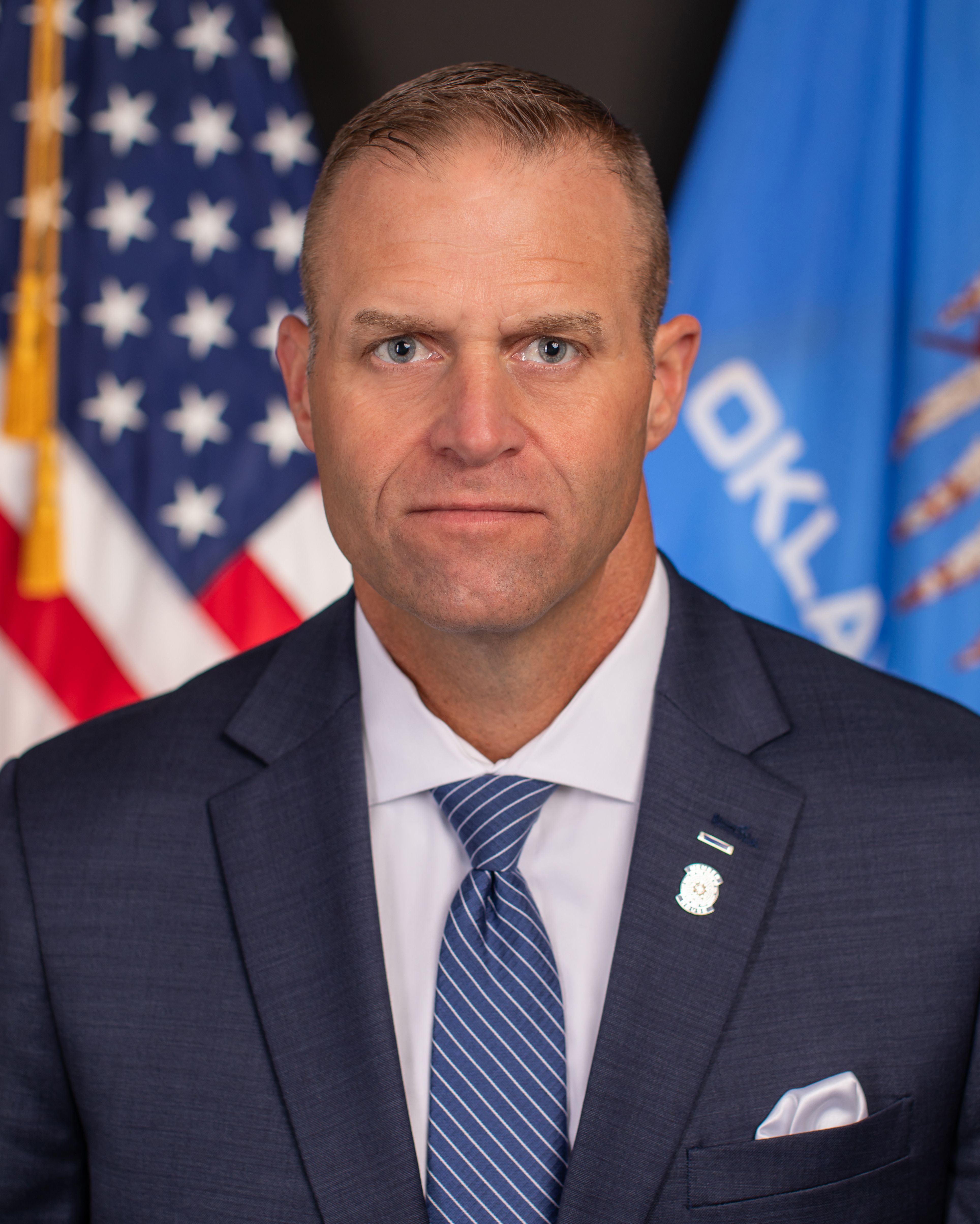
Steve Bashore
Steve Bashore House · District 7
R
Strong +
97% 29
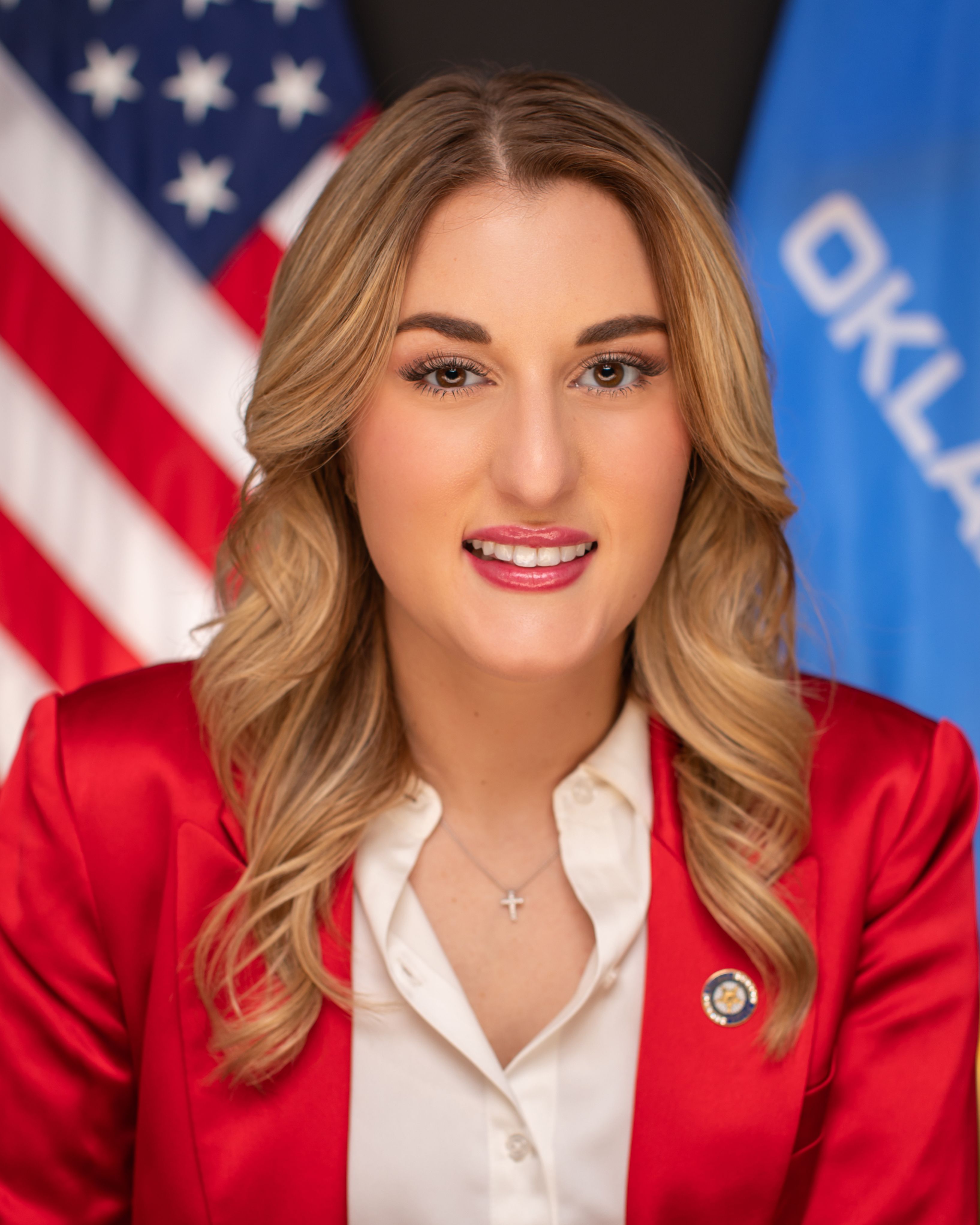
Emily Gise
Emily Gise House · District 90
R
Strong +
96% 28
Josh West
Josh West House · District 5
R
Strong +
96% 28
Shane Jett
Shane Jett Senate · District 17
R
Strong −
6% 17
Dusty Deevers
Dusty Deevers Senate · District 32
R
Strong −
11% 18
Kendal Sacchieri
Kendal Sacchieri Senate · District 43
R
Strong −
11% 18
Rick West
Rick West House · District 3
R
Strong −
15% 27
Dana Prieto
Dana Prieto Senate · District 34
R
Strong −
18% 17
Showing 31–40 of 82 bills

All healthcare bills

in committee · Oklahoma · House Feb 3, 2026

HB 3626: Medicaid; adverse determinations and procedures; review; appeal; requirements; psychologist; minimum rates of reimbursement, value-based payment arrangements, and payment methodologies; Oklahoma Health Care Authority; appeal; effective date.

HB 3626 updates Oklahoma's Medicaid appeal process and provider reimbursement rates. It requires human reviews (by licensed physicians or mental health professionals, not automated systems) for denied claims within six months, with reviewers meeting specific expertise and conflict-of-interest standards. The bill sets minimum reimbursement rates until July 2027: 100% of the fee schedule for network providers and 90% for out-of-network providers. It specifically mandates that psychologists receive full reimbursement for services including intake, testing, and assessments - not just therapy - and establishes new rates for psychologists who win appeals. These changes directly affect Medicaid providers, particularly mental health professionals, and the Oklahoma Health Care Authority.
Sub-Topics Medicaid Mental Health
in committee · Oklahoma · House Feb 25, 2026

HB 4453: Health insurance; Oklahoma Health Care Cost Transparency Board; All Payer Claims Database; Oklahoma Insurance Department; annual primary care spending; report; effective date.

HB 4453 creates the Oklahoma Health Care Cost Transparency Board to oversee a statewide health care data database (APCD) and measure spending trends. It requires commercial health insurers to report primary care spending data annually and meet a minimum 11% spending target on primary care by 2030, using a standardized methodology from the Oklahoma Health Care Authority. The bill mandates the Insurance Department to collect and analyze cost data from insurers, Medicaid, and Medicare, then publish annual transparency reports. Insurers failing to meet benchmarks face potential penalties up to $5,000 per day for noncompliance. This directly affects commercial health insurers operating in Oklahoma.
in committee · Oklahoma · Senate Feb 16, 2026

SB 1564: Medicaid; requiring adoption of certain billing code for specified claims; requiring certain reimbursement. Effective date. Emergency.

SB 1564 requires Oklahoma's Medicaid program (Oklahoma Health Care Authority and its contractors) to use a specific billing code (HCPCS G0330) for facility fees related to dental surgeries under general anesthesia in operating rooms. This applies exclusively to surgeries performed on individuals with intellectual or developmental disabilities, such as those at ambulatory surgical centers. The bill mandates that the Authority set a reimbursement rate reflecting actual service costs, and all contractors must pay at least that rate for these claims. The policy change takes effect July 1, 2026.
Sub-Topics Medicaid
in committee · Oklahoma · House Feb 3, 2026

HB 3912: Insurance; health benefit plans; scalp cooling systems; notice of coverage; Insurance Commissioner; effective date.

HB 3912 requires health insurance plans in Oklahoma (including the State and Education Employees Group Health Insurance Plan) to cover scalp cooling systems for cancer patients undergoing chemotherapy to prevent hair loss, including the cost of the system, supplies, and monitoring. The bill specifies that scalp cooling is considered supportive cancer care, not cosmetic or experimental, and coverage remains subject to standard cost-sharing like other benefits. Plans must notify enrollees about this coverage by December 1, 2026, and the law excludes small employer plans (50 or fewer employees) and federal health plans, while also mandating Oklahoma Medicaid cover scalp cooling for eligible recipients. The bill takes effect on November 1, 2026.
Sub-Topics Insurance Medicaid
signed · Oklahoma · Senate May 13, 2026

SB 1553: Medicaid; specifying certain qualifications for appeals; providing for recovery of certain costs. Effective date.

SB 1553 amends Oklahoma's Medicaid appeal process to ensure appeals for denied claims are reviewed by qualified mental health professionals. It requires reviewers (like psychologists) to hold valid licenses, have relevant clinical experience, and avoid conflicts of interest, while banning automated review systems. The bill also establishes that if an appeal successfully reverses a denied claim, the psychologist or mental health provider can recover costs for time spent on the appeal. This directly affects Medicaid members, providers, and mental health professionals handling appeals.
in committee · Oklahoma · House Feb 3, 2026

HB 3317: Medical marijuana; modifying patient license fee for certain persons; effective date.

HB 3317 modifies Oklahoma's medical marijuana patient license fees, reducing the biannual fee from $100 to $20 for eligible low-income residents enrolled in Medicaid, Medicare, or SoonerCare. The bill directly affects qualifying Oklahoma residents seeking medical marijuana patient licenses by lowering their cost of participation. Key provisions include establishing a new discounted fee tier, creating short-term licenses (60 days) for those with temporary physician recommendations, and temporary licenses (30 days) for out-of-state patients from regulated programs. The Oklahoma Medical Marijuana Authority must implement these changes within 60 days of the bill's passage, including website applications and license validation systems.
Sub-Topics Medicaid Medicare
signed · Oklahoma · Senate May 7, 2026

SB 1427: Public health; mandating certain pediatric screenings for type 1 diabetes; providing for certain reimbursement and funding. Effective date.

SB 1427 requires all Oklahoma children to be screened for type 1 diabetes during routine checkups at ages 5 and 12 by their primary care providers, using accepted medical practices. The bill mandates that these screenings be reimbursed through Oklahoma's Medicaid program (pending federal approval) and directs the State Department of Health to seek additional funding to support the screenings. The Oklahoma Health Care Authority Board and State Commissioner of Health must create implementing rules for reimbursement and screening protocols. This law applies to all children in Oklahoma and takes effect November 1, 2026.
in committee · Oklahoma · House Feb 3, 2026

HB 4412: Medicaid; ADvantage Waiver Home and Community-based Services for Seniors Revolving Fund; purpose; effective date; emergency.

HB 4412 creates a permanent revolving fund in Oklahoma's State Treasury called the "ADvantage Waiver Home and Community-based Services for Seniors Revolving Fund." This fund, managed by the Oklahoma Health Care Authority, will provide home and community-based care services to seniors who would otherwise require nursing facility placement but choose to remain in home or community settings instead. The fund will be financed using state and federal funds, donations, grants, and other designated contributions, with no annual budget restrictions. It becomes effective July 1, 2026, to support seniors seeking alternatives to nursing home care.
signed · Oklahoma · Senate May 13, 2025

SB 947: Long-term care; updating statutory language related to ombudsmen and senior citizens. Emergency.

SB 947 updates Oklahoma's nursing facility fee structure and fund allocation rules to improve long-term care services for seniors. It revises how the Nursing Facilities Quality of Care Fee is calculated (based on 6% of total patient gross receipts divided by patient days) and designates specific uses for the resulting fund, including funding 15 ombudsmen positions and increasing monthly personal needs allowances for nursing home residents from $30 to $50. The bill ensures these programs - such as Medicaid services, nursing facility inspections, and senior support services - remain exempt from budget cuts. It directly affects nursing facilities (which pay the fee), seniors receiving Medicaid long-term care, and state agencies managing these programs. The bill was enacted without the Governor's signature on May 13, 2025.
signed · Oklahoma · House May 27, 2025

HB 1810: Medicaid; modifying, adding, and removing certain prior authorization requirements for contracted entities; effective date; emergency.

HB 1810 modifies Oklahoma's Medicaid prior authorization rules for healthcare providers and facilities serving Medicaid beneficiaries. It streamlines approval processes for emergency services, clarifies requirements for "adverse determinations" (denied care), and defines key terms like "essential community provider" to ensure consistent application. The bill affects contracted entities (including hospitals, clinics, and dental providers) by requiring faster reviews for urgent care and updating how they handle denied claims. It became law on May 25, 2025, without the governor's signature, and directly impacts how Medicaid providers obtain approval for covered services.
Sub-Topics Medicaid
Showing 31 to 40 of 82 bills
Previous 1 3 4 5 9 Next