Issue · Healthcare

Healthcare

Every healthcare bill, vote, and legislator stance in Oklahoma, automatically classified by Maddy, our AI policy reader.

Total bills
547
2026 Regular Session
Top supporter
Brenda Stanley
97% support rate
Top opponent
Shane Jett
16% support rate
Ranked legislators
10
5 support · 5 oppose
Key legislators

Who's moving healthcare in Oklahoma

Legislators moving healthcare in Oklahoma
Legislator Party Stance Support rate Votes
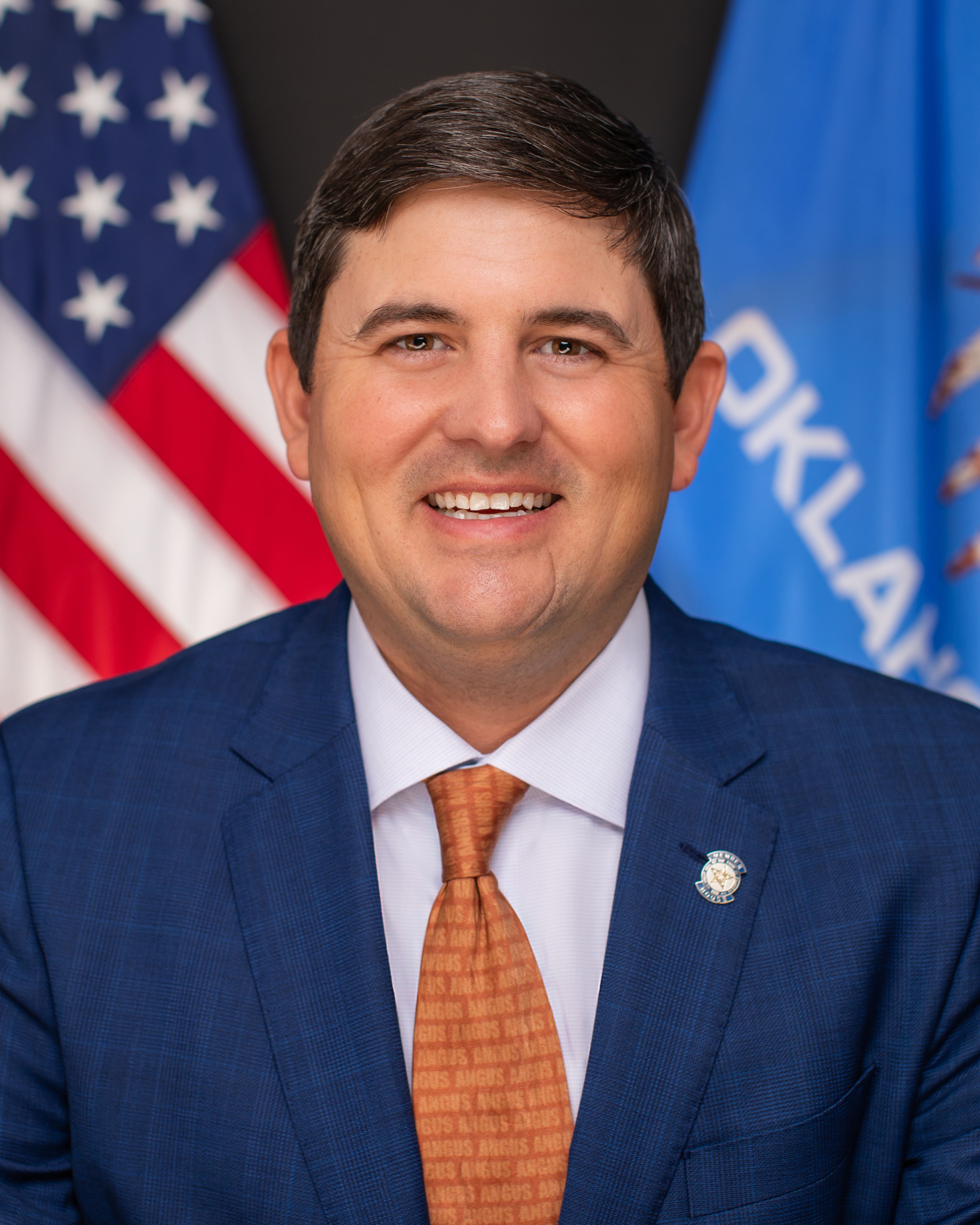
Brenda Stanley
Brenda Stanley Senate · District 42
R
Strong +
97% 214
John Pfeiffer
John Pfeiffer House · District 38
R
Strong +
96% 186
Lonnie Paxton
Lonnie Paxton Senate · District 23
R
Strong +
96% 173
Aaron Reinhardt
Aaron Reinhardt Senate · District 37
R
Strong +
96% 250
Kelly Hines
Kelly Hines Senate · District 47
R
Strong +
96% 181
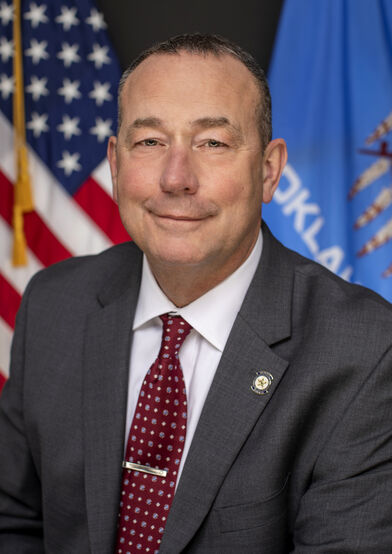
Shane Jett
Shane Jett Senate · District 17
R
Strong −
16% 216
Molly Jenkins
Molly Jenkins House · District 33
R
Strong −
17% 206
Dusty Deevers
Dusty Deevers Senate · District 32
R
Strong −
19% 208
Rick West
Rick West House · District 3
R
Strong −
20% 201
Jim Shaw
Jim Shaw House · District 32
R
Oppose
20% 204
Showing 91–100 of 547 bills

All healthcare bills

in committee · Oklahoma · Senate Feb 3, 2026

SB 2023: Practice of pharmacy; requiring licensure of certain out-of-state pharmacies; requiring certain inspections; providing administrative remedies and penalties. Effective date.

SB 2023 requires out-of-state pharmacies that ship drugs into Oklahoma to obtain a license from the Oklahoma State Board of Pharmacy and comply with Oklahoma's pharmacy laws, including storage and staffing rules. It mandates initial and annual on-site inspections by Oklahoma inspectors (not out-of-state agencies), with pharmacies covering inspection costs. Violations - like failing to follow storage guidelines or pharmacy ratios - can result in fines up to $50,000 per violation or permanent license revocation if not corrected within 90 days. The bill directly affects pharmacies operating across state lines, ensuring they meet Oklahoma's safety and quality standards for drug distribution.
signed · Oklahoma · House May 12, 2026

HB 3265: Retirement; Oklahoma Police Pension and Retirement System; term; psychologist; certification; salary; effective date.

HB 3265 amends Oklahoma's police pension law to clarify disability benefit eligibility for law enforcement officers. It specifically expands the definition of "mental health specialist" to include licensed psychologists for disability certification (Section G). The bill establishes a clear benefit scale based on disability percentage (e.g., 50-74% impairment equals 75% of accrued retirement benefit) and presumes line-of-duty disability for officers exposed to hazardous substances like chemicals or blood-borne pathogens, unless proven otherwise (Section I). These changes directly affect Oklahoma police officers seeking disability benefits through the Oklahoma Police Pension and Retirement System.
in committee · Oklahoma · House Feb 3, 2026

HB 3368: Compound prescription drug coverage; health insurance plan providing prescription drug coverage; effective date.

HB 3368 requires health insurance plans covering prescription drugs to allow pharmacies (including those providing compound drugs) to bid for pharmacy service contracts at least every three years. It applies specifically to plans not already using an open pharmacy network, meaning insurers must periodically seek bids from pharmacies rather than maintaining fixed contracts. The bill does not affect plans that already operate open networks, and it takes effect on November 1, 2026. This changes how insurers select pharmacy partners for covered drug services.
signed · Oklahoma · House May 7, 2026

HB 4118: Family caregiver credit; mileage; eligible expenditures; age requirement; eligible family member; effective date.

HB 4118 proposes a tax credit for Oklahoma caregivers of eligible family members. It allows a 50% credit on qualifying expenses - such as medical travel mileage, home modifications, medical equipment, and hiring aides - for caregivers with income under $50,000 (or $100,000 for couples) caring for someone aged 62+ who needs help with two or more daily living tasks (like bathing, dressing, or eating). The credit caps at $2,000 annually per family, rising to $3,000 if the care recipient is a veteran or has dementia. The total annual credit pool is limited to $1.5 million, with unused funds adjusted yearly. If passed, it would take effect November 1, 2026.
Sub-Topics Tax Credits
passed · Oklahoma · House Apr 16, 2026

HB 3904: Medicaid; authorizing flexible payment structures for prenatal, delivery, and postpartum care; effective date.

HB 3904 requires Oklahoma Medicaid to reimburse specific maternal health services for pregnant and postpartum women. It changes payment rules to separately cover prenatal, delivery, and postpartum care (instead of bundled payments), implements immediate presumptive eligibility for prenatal care, and adds reimbursement for depression screening, self-measured blood pressure monitoring, remote ultrasounds, and doula/community health worker services. The bill directs the Oklahoma Health Care Authority to adopt implementing rules and seek federal approvals, effective November 1, 2026. It directly affects Medicaid-covered pregnant and postpartum individuals in Oklahoma by expanding access to targeted health services.
signed · Oklahoma · Senate May 11, 2026

SB 1503: Choosing Childbirth Act; allowing out-of-state organizations to receive grants. Effective date.

SB 1503, the "Choosing Childbirth Act," allows Oklahoma to provide state grants to both in-state and out-of-state nonprofit organizations that offer services supporting pregnant women to carry pregnancies to term. It covers reimbursable services like medical care, mental health support, housing assistance, transportation, and postpartum care (aimed at reducing maternal/infant mortality by 3% by 2026), but explicitly prohibits funding for organizations providing or referring for abortions. To qualify, organizations must be registered nonprofits in Oklahoma, provide accurate fetal development information, and certify that funds won’t support abortion counseling or referrals. The bill takes effect November 1, 2026.
signed · Oklahoma · Senate May 11, 2026

SB 1653: Professions and occupations; enacting the Occupational Therapy Licensure Compact. Effective date.

SB 1653 would allow Oklahoma to join the Occupational Therapy Licensure Compact, enabling licensed occupational therapists and assistants from participating states to practice in Oklahoma without obtaining a separate Oklahoma license. This "Compact Privilege" applies when the patient is located in Oklahoma (the "Remote State"), preserving each state's regulatory authority while facilitating interstate practice. The bill establishes mutual recognition of licenses, supports military spouses relocating across states, and includes provisions for telehealth services and sharing disciplinary information between states. It directly affects occupational therapists seeking to practice across state lines and enhances access to services for patients in Oklahoma.
in committee · Oklahoma · House Feb 4, 2026

HB 3784: Medical micropigmentation; perform micropigmentation; independent authority; criteria; effective date.

HB 3784 restricts medical micropigmentation (permanent makeup for medical purposes, such as scar camouflage or breast reconstruction) to be performed only in physician offices. It limits who can perform the procedure to three categories: physicians, registered nurses with a special health commissioner certificate working under physician supervision (after 6,240 supervised hours), and other certified individuals under similar supervision rules. Supervision ends once the required hours are documented with the State Board of Health and prescription medications aren't used on clients. The law takes effect November 1, 2026.
signed · Oklahoma · House May 12, 2026

HB 3834: Ibogaine clinical trials; Oklahoma Breakthrough Therapy Act; terms; requirements for drug developers; contractual terms; intellectual property rights; reports; intellectual property account; effective date.

HB 3834, the "Oklahoma Breakthrough Therapy Act," establishes a framework for ibogaine clinical trials in Oklahoma. It requires drug developers to match state funding for trials, provide detailed plans for FDA approval and post-approval patient access (including priority for state residents and low-income care), and share intellectual property proceeds with the state. These proceeds fund an "Ibogaine Intellectual Property Account" managed by the State Treasurer, which must be spent on programs for at-risk populations with conditions treatable by ibogaine (like opioid use disorder). The bill also protects Oklahoma-licensed medical professionals from adverse licensing actions for recommending ibogaine therapy.
Sub-Topics Substance Abuse
died · Oklahoma · Senate Mar 11, 2026

SB 1647: Mental health and substance abuse services; broadening purpose of County Community Safety Investment Fund; authorizing certain awards for specified programs. Effective date. Emergency.

SB 1647 creates a revolving fund called the County Community Safety Investment Fund within Oklahoma's Department of Mental Health and Substance Abuse Services. The bill broadens the fund's purpose to support evidence-based county programs including mental health/substance abuse treatment, pretrial diversion, jail intake screenings, employment, education, and housing services. Counties and multi-county partnerships can apply for funding, while the Oklahoma Indigent Defense System Board may receive up to $1 million annually for similar programs. The bill requires annual reporting to state legislators on fund allocations and program outcomes. It becomes effective July 1, 2026, with an emergency declaration.
Showing 91 to 100 of 547 bills
Previous 1 9 10 11 55 Next