Issue · Criminal Justice

Criminal Justice (Corrections)

Every criminal justice bill, vote, and legislator stance in Oklahoma, automatically classified by Maddy, our AI policy reader.

Total bills
66
2026 Regular Session
Top supporter
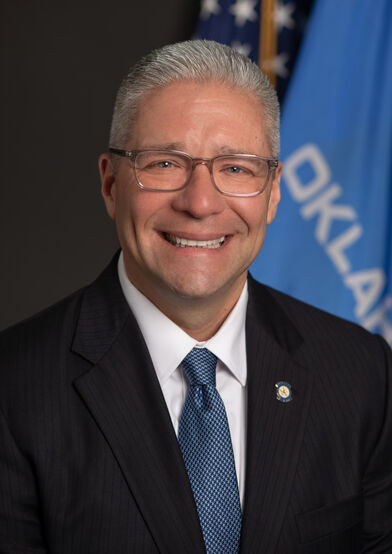
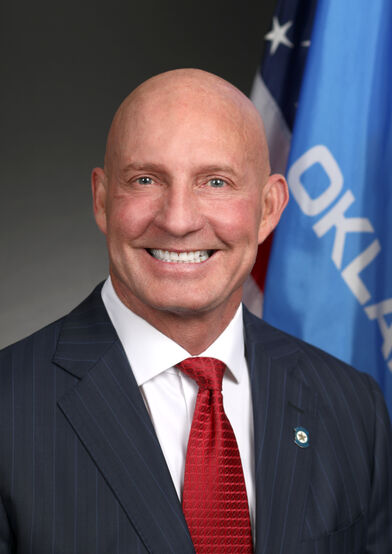
John Waldron
89% support rate
Top opponent
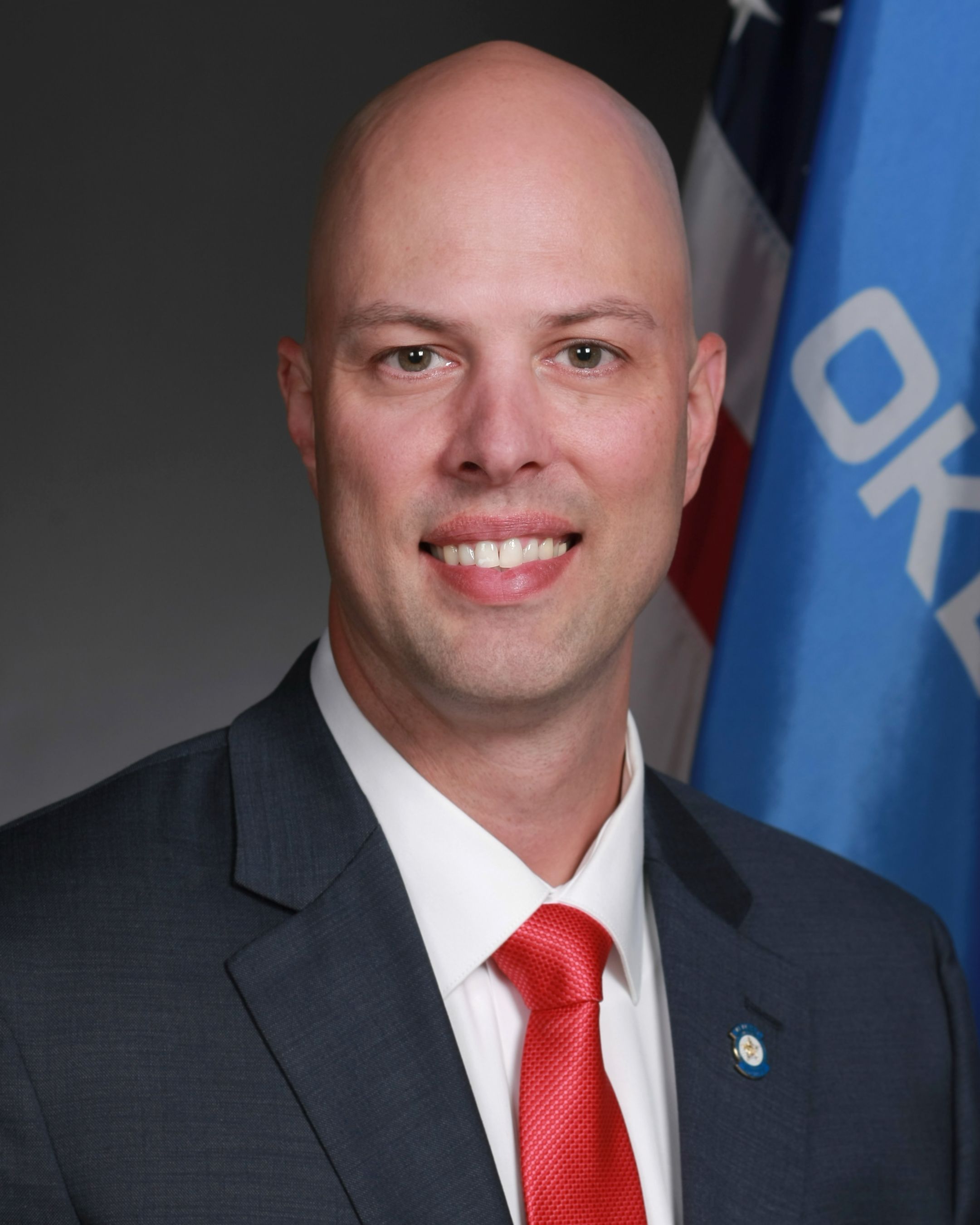
Lisa Standridge
12% support rate
Ranked legislators
10
5 support · 5 oppose
Key legislators

Who's moving corrections in Oklahoma

Legislators moving corrections in Oklahoma
Legislator Party Stance Support rate Votes
John Waldron
John Waldron House · District 77
D
Strong +
89% 19
Michael Brooks
Michael Brooks Senate · District 44
D
Strong +
88% 51
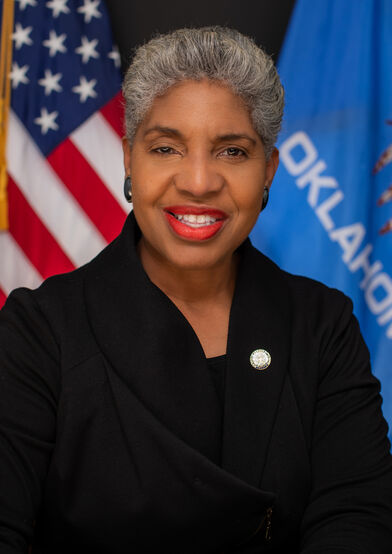
Regina Goodwin
Regina Goodwin Senate · District 11
D
Strong +
87% 45
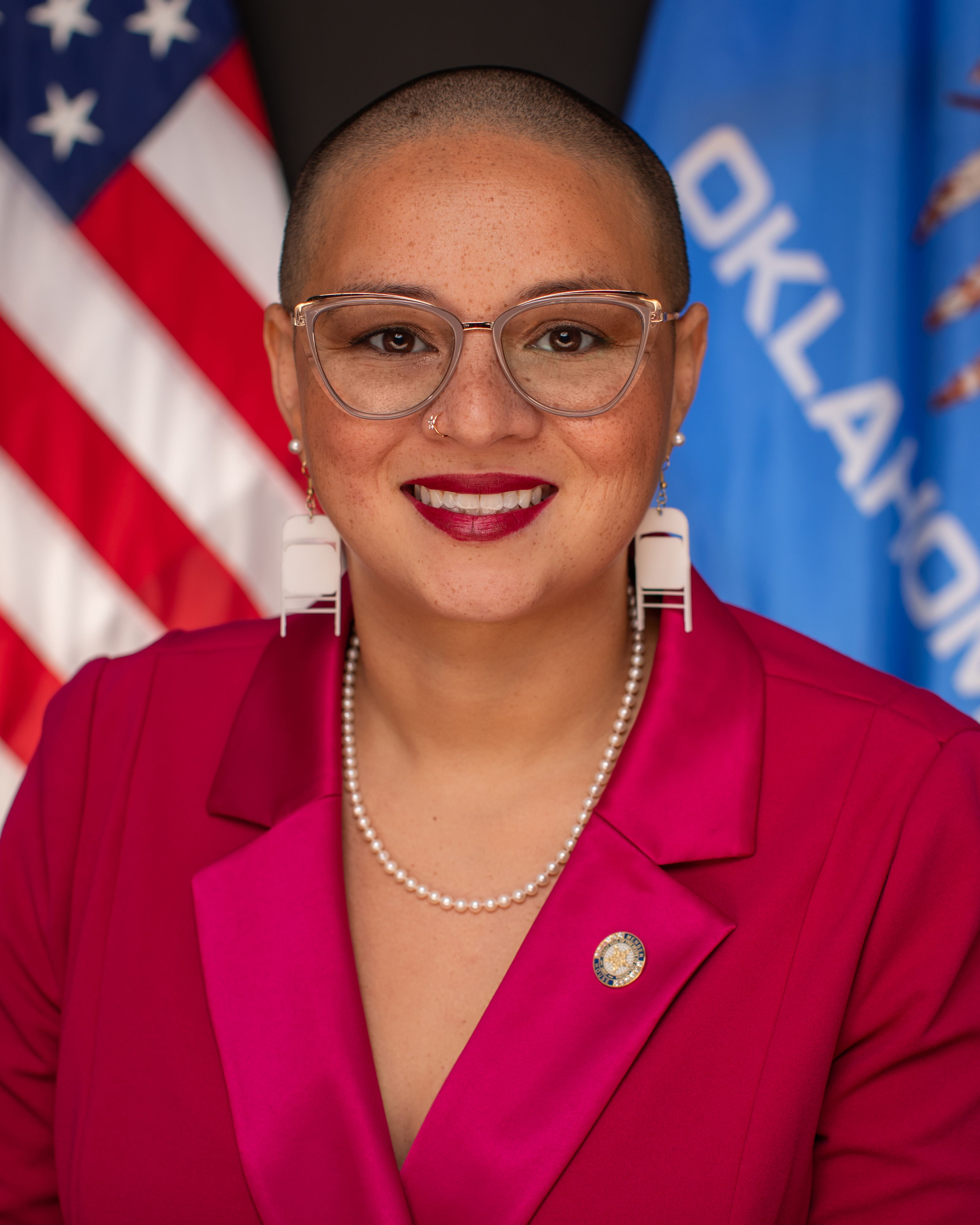
Michelle McCane
Michelle McCane House · District 72
D
Strong +
86% 22
Nikki Nice
Nikki Nice Senate · District 48
D
Strong +
85% 27
Lisa Standridge
Lisa Standridge Senate · District 15
R
Strong −
12% 32
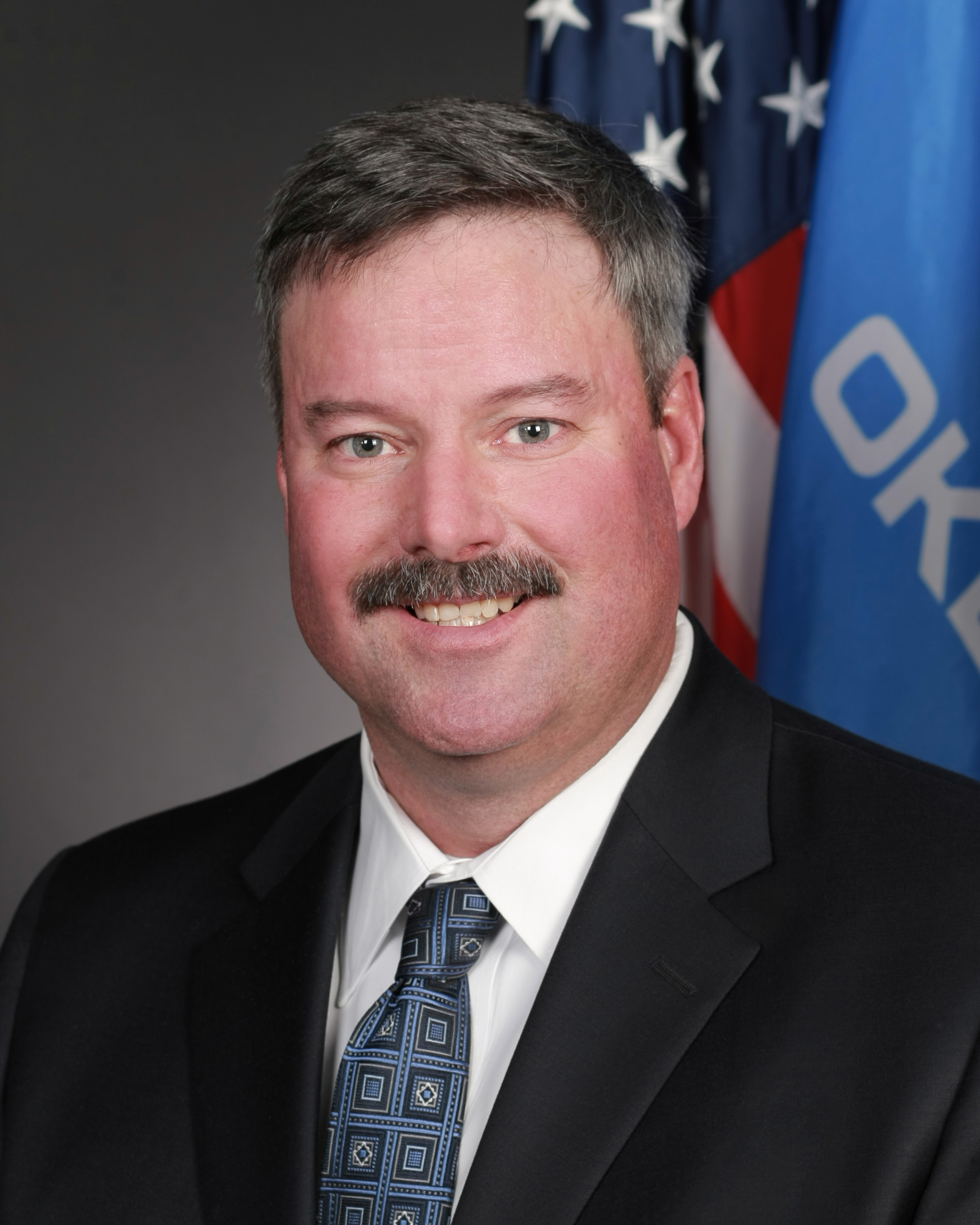
Casey Murdock
Casey Murdock Senate · District 27
R
Strong −
14% 43
Darrell Weaver
Darrell Weaver Senate · District 24
R
Strong −
14% 43
Jay Steagall
Jay Steagall House · District 43
R
Strong −
14% 14
Shane Jett
Shane Jett Senate · District 17
R
Strong −
15% 27
Showing 1–10 of 66 bills

All criminal justice bills

in committee · Oklahoma · Senate Feb 3, 2026

SB 1978: State Board of Corrections; establishing criteria for certain verification process. Effective date.

SB 1978 requires Oklahoma's State Board of Corrections to create specific verification rules before carrying out a death penalty execution. The bill mandates checks including confirmation that the Department followed constitutional prohibitions against cruel punishment, documentation of medical/drug purchases from reputable vendors, proper training for staff, and audio/video recording of executions. It directly affects death row inmates, correctional staff, medical and drug vendors, and victims' families (who must be notified of execution dates). The law also protects staff who opt out of executions from employment penalties. The bill becomes effective November 1, 2026.
Sub-Topics Corrections
in committee · Oklahoma · House Feb 3, 2026

HB 3122: Whistleblower protection; public policy; criminal punishment; fine; civil cause of action; effective date.

HB 3122 strengthens whistleblower protections in Oklahoma by making retaliation against employees who report wrongdoing a punishable offense. It defines retaliation as actions like termination, demotion, or intimidation by public officials, employers, or supervisors, with penalties including up to one year in jail and a $5,000 fine. The bill also allows whistleblowers to sue for economic and emotional damages, plus attorney fees, if they successfully prove retaliation. The law takes effect on November 1, 2026.
Sub-Topics Corrections
passed · Oklahoma · House Apr 23, 2026

HB 4144: Oklahoma Open Records Act; law enforcement records; arrest and incident reports; public inspection; effective date.

HB 4144 requires Oklahoma law enforcement agencies to make specific arrest and incident reports publicly available, including arrest details (name, date of birth, cause), incident summaries, radio logs, crime summaries, jail records, and body-worn camera footage. Agencies must redact sensitive information like minor identities, medical details, or ongoing investigation details before release, but must disclose redacted portions once investigations conclude. This bill directly affects all Oklahoma law enforcement agencies by expanding public access to policing records while establishing clear redaction standards for privacy and safety concerns. The policy changes standardize transparency for public record requests related to law enforcement activities.
Sub-Topics Corrections Law Enforcement Tags Government Transparency
in committee · Oklahoma · Senate Feb 3, 2026

SB 1880: Oklahoma Juvenile Code; requiring certain persons who testify falsely to be placed on certain list. Effective date.

SB 1880 amends Oklahoma's Juvenile Code to address false testimony in child welfare cases. It requires the Department of Human Services (DHS) to maintain a public list on its website of individuals - such as child welfare workers, law enforcement, or state employees - who knowingly provide false information under oath during proceedings involving children alleged to be neglected or abused. This list can be used as evidence to assess the truthfulness of these individuals in future cases. The bill also imposes penalties, including fines up to $1,000 or up to two years in prison, for falsifying documents in cases where a child suffered great bodily harm or death. The law takes effect November 1, 2026.
in committee · Oklahoma · House Mar 3, 2026

HB 3053: Parole; creating the Oklahoma Elder Parole Eligibility Act; directing the Pardon and Parole Board to grant parole to certain inmates; codification; effective date.

HB 3053, the "Oklahoma Elder Parole Eligibility Act," requires the Pardon and Parole Board to grant parole to Oklahoma inmates aged 65 or older who meet specific criteria, including no serious disciplinary infractions in the past 36 months and completion of required correctional programs. The Department of Corrections must automatically review eligible inmates, certify their compliance with these criteria, and provide documentation to the Board, which must then grant parole without discretion. Exclusions apply for inmates serving life without parole, those convicted of offenses where parole is statutorily prohibited, or those posing a documented imminent threat of harm (supported by recent medical/psychological evidence). Paroled inmates will face standard parole conditions, age-appropriate supervision, and any necessary medical or treatment plans. The law takes effect November 1, 2026.
in committee · Oklahoma · House Feb 3, 2026

HB 3966: Wrongful convictions; providing for retroactive application of wrongful conviction claims; effective date.

HB 3966 allows Oklahoma residents wrongfully convicted of felonies and later cleared through a governor's pardon or court order finding actual innocence to receive compensation. The bill calculates payments as $50,000 for each full year served in prison, with additional $50,000 per year for time spent on death row and $25,000 per year for parole or probation time. Compensation is capped at $1 million paid as a lump sum, or in annual installments over three years for larger awards. This retroactive law applies to all wrongful convictions resulting in imprisonment since 1975, with claims requiring documented evidence of innocence from the governor or court.
in committee · Oklahoma · Senate Feb 3, 2026

SB 1762: Protection of fundamental rights; prohibiting certain acts of punishment, penalty, or legal sanction. Effective date.

SB 1762, the "Oklahoma Protection of Fundamental Rights and Public Policy Act," prohibits female genital mutilation (FGM) as a felony punishable by up to five years in prison and a $20,000 fine, while banning corporal punishments like stoning, flogging, or amputation as legal sanctions. It extends the statute of limitations for civil claims involving sexual assault or coercive medical procedures (including those related to gender identity) until the victim's 45th birthday and invalidates marriages entered under coercion, force, or for minors under 18. The bill also prohibits discrimination based on gender or religion in family law matters, such as inheritance or custody, and invalidates arbitration agreements that would enforce discriminatory rules. Male circumcision for religious, cultural, or medical reasons remains permitted under the law.
in committee · Oklahoma · House Feb 3, 2026

HB 4416: Pretrial data; creating the Pretrial Data Collection Act; requiring certain entities to collect specific data; codification; effective date.

HB 4416, the "Pretrial Data Collection Act," requires Oklahoma police departments, sheriff offices, and county jails to collect standardized data on individuals in pretrial detention starting January 1, 2027. It mandates monthly reporting of specific details including demographic information (race, age, ZIP code), arrest and charge details, health conditions (mental illness, substance use disorders), jail costs, and facility capacity to the Oklahoma State Bureau of Investigation. The bill also requires the Bureau to publish this data in a public, searchable, machine-readable format on its website by July 1, 2027, for agencies with 500+ employees. This legislation aims to create transparency around pretrial detention practices through standardized data collection and public access.
in committee · Oklahoma · House Feb 12, 2026

HB 3850: Prisons and reformatories; directing the Department of Corrections to fund program for inmates to obtain high school equivalency diplomas; effective date.

HB 3850 requires Oklahoma's Department of Corrections to fully fund a program enabling all state prison inmates to earn high school equivalency diplomas (like a GED) before release, removing prior financial hardship exemptions. It mandates that the department assess each inmate's educational needs upon intake, prioritize those with basic literacy gaps or nearing release dates, and link program completion to parole eligibility. Inmates refusing recommended education programs lose earned credits and face parole eligibility risks. The law applies broadly to all inmates except those documented as incapable of benefiting from education. It takes effect November 1, 2026.
passed · Oklahoma · House Apr 16, 2026

HB 3606: Sex offenders; Sex Offenders Registration Act; petition; removal from registration requirements; effective date.

HB 3606 (correcting the misleading title) amends Oklahoma's Sex Offenders Registration Act to allow specific sex offenders to petition courts for removal of registration requirements. It creates two pathways: (1) for those convicted only of certain minor offenses (Sections 1111.1 or 1114 of Title 21) where the offender was under 4 years older than a 14-17-year-old victim, and (2) for those with permanent medical/cognitive impairments preventing compliance. Petitions require court approval, district attorney notice, and must confirm no conflict with federal law. If approved, the Department of Corrections removes the person from the public sex offender registry, though other criminal records remain accessible as public records.
Sub-Topics Corrections Courts
Showing 1 to 10 of 66 bills
1 2 3 7 Next