Issue · Criminal Justice

Criminal Justice

Every criminal justice bill, vote, and legislator stance in Oklahoma, automatically classified by Maddy, our AI policy reader.

Total bills
309
2026 Regular Session
Top supporter
Aletia Timmons
76% support rate
Top opponent
Brian Guthrie
24% support rate
Ranked legislators
10
5 support · 5 oppose
Key legislators

Who's moving criminal justice in Oklahoma

Legislators moving criminal justice in Oklahoma
Legislator Party Stance Support rate Votes
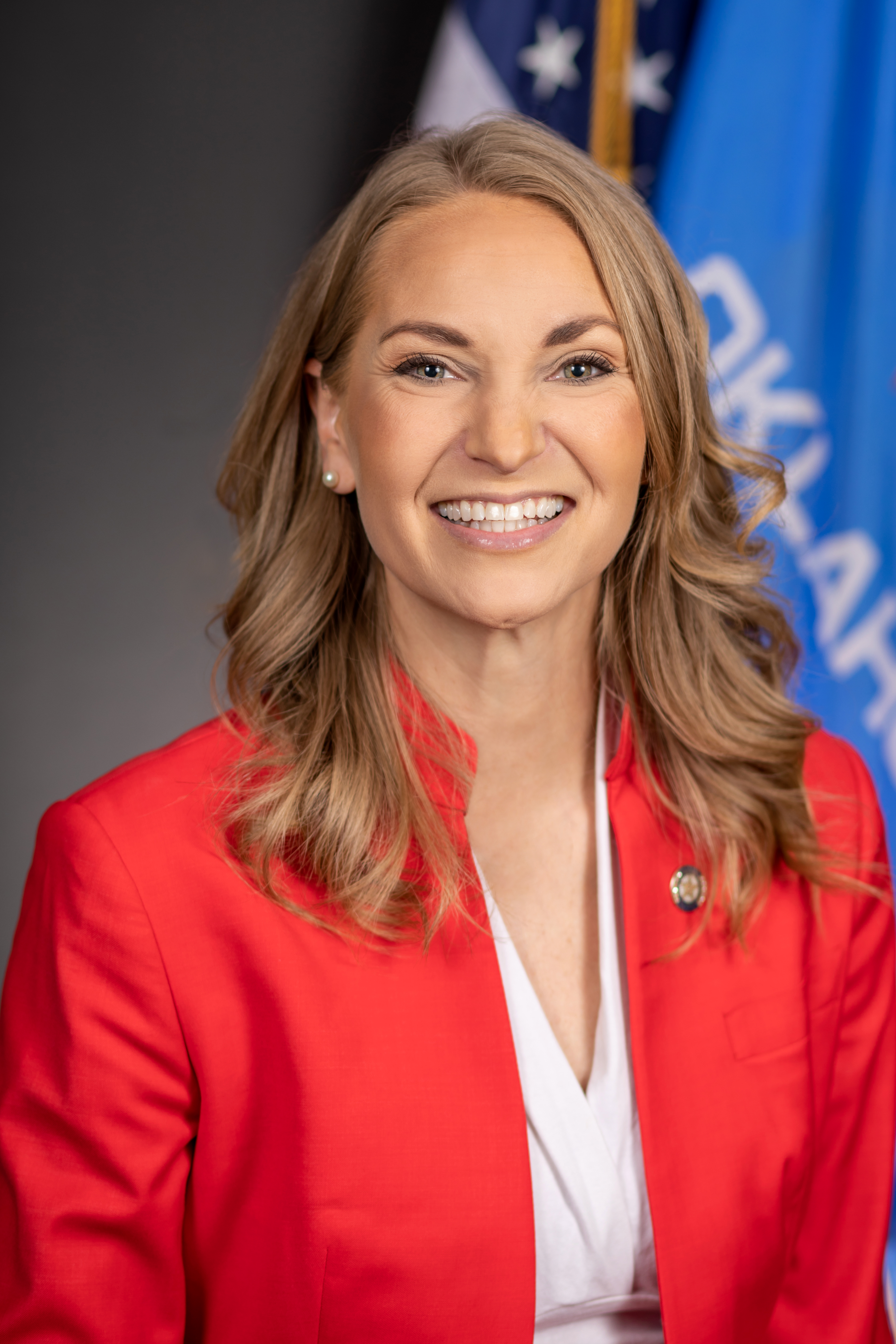
Aletia Timmons
Aletia Timmons House · District 97
D
Support
76% 91
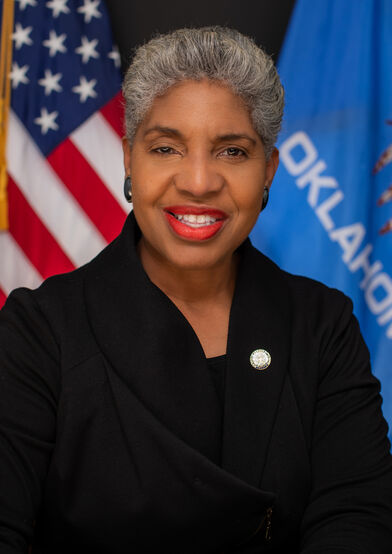
Regina Goodwin
Regina Goodwin Senate · District 11
D
Support
73% 225
Michael Brooks
Michael Brooks Senate · District 44
D
Support
72% 274
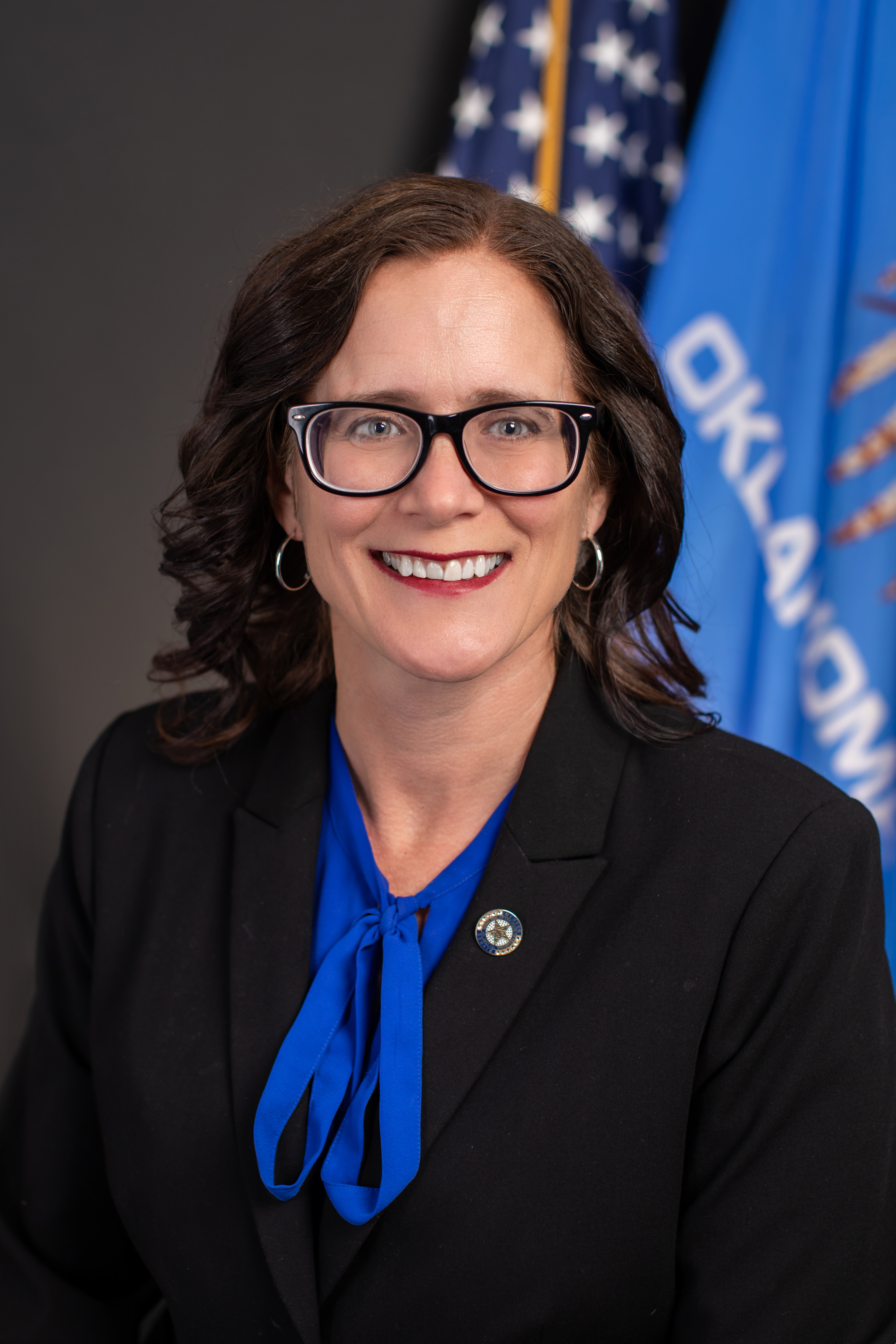
Carri Hicks
Carri Hicks Senate · District 40
D
Support
71% 184
Julia Kirt
Julia Kirt Senate · District 30
D
Support
70% 174
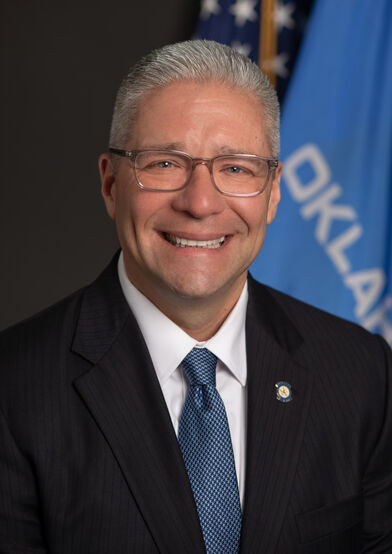
Brian Guthrie
Brian Guthrie Senate · District 25
R
Oppose
24% 158
Lisa Standridge
Lisa Standridge Senate · District 15
R
Oppose
26% 220
Jay Steagall
Jay Steagall House · District 43
R
Oppose
27% 149
Julie McIntosh
Julie McIntosh Senate · District 3
R
Oppose
28% 164
Dusty Deevers
Dusty Deevers Senate · District 32
R
Oppose
28% 156
Showing 81–90 of 309 bills

All criminal justice bills

in committee · Oklahoma · House Feb 3, 2026

HB 4135: Cross-deputization agreements; providing standardized cross-deputization agreement; codification; effective date.

HB 4135 standardizes agreements allowing Oklahoma state and local law enforcement officers to work on tribal lands by requiring all cross-deputization agreements between these agencies and federally recognized tribes to include specific mandatory provisions. Key mechanisms include defining officer authority to make arrests and respond to emergencies on tribal land, requiring liability insurance and training, and clarifying legal protections to reduce lawsuits. The bill directly affects state/local law enforcement agencies, tribal governments, and their officers operating within tribal boundaries in Oklahoma. It aims to resolve legal uncertainties that previously hindered cooperative law enforcement efforts on tribal lands.
Sub-Topics Law Enforcement Tags Tribal Nations
in committee · Oklahoma · Senate Feb 3, 2026

SB 1788: Law enforcement; requiring certain record and verification procedure. Emergency.

SB 1788 requires Oklahoma law enforcement agencies (like county sheriff's offices and city police departments) to verify and accurately record a person's race during the booking process. This involves using government-issued ID, birth certificates, or observable physical traits, followed by a second officer's review of the entry against the person's photo and documentation. Agencies must annually audit 10% of booking records to correct inaccuracies within 30 days and report findings to the Department of Public Safety. Violations may result in civil penalties up to $50,000 per audit cycle or loss of state funding.
in committee · Oklahoma · Senate Feb 3, 2026

SB 1665: Firearms; prohibiting courts from abridging a person's right to possess a firearm. Effective date.

SB 1665 prohibits Oklahoma courts from restricting a person’s right to purchase, possess, carry, or conceal a firearm. It requires courts to return firearms seized during a misdemeanor arrest or conviction once the case concludes, unless the firearm was used in the crime. The bill directly affects individuals arrested for misdemeanors who have firearms confiscated by law enforcement. It takes effect on November 1, 2026, and would be codified in Oklahoma Statutes as Section 1290.28 of Title 21.
passed · Oklahoma · House Apr 16, 2026

HB 3606: Sex offenders; Sex Offenders Registration Act; petition; removal from registration requirements; effective date.

HB 3606 (correcting the misleading title) amends Oklahoma's Sex Offenders Registration Act to allow specific sex offenders to petition courts for removal of registration requirements. It creates two pathways: (1) for those convicted only of certain minor offenses (Sections 1111.1 or 1114 of Title 21) where the offender was under 4 years older than a 14-17-year-old victim, and (2) for those with permanent medical/cognitive impairments preventing compliance. Petitions require court approval, district attorney notice, and must confirm no conflict with federal law. If approved, the Department of Corrections removes the person from the public sex offender registry, though other criminal records remain accessible as public records.
Sub-Topics Corrections Courts
in committee · Oklahoma · House Feb 17, 2026

HB 4112: Court fines and fees; deleting the assessment of certain fees; repealer; effective date.

HB 4112 removes a $10 court fee for traffic offenses (excluding parking violations) and deletes another specific fee assessment (Section 1313.3). It affects individuals convicted of certain crimes who would have paid these fees, including traffic offenses. The bill also modifies how forensic lab fees ($150 per offense) are collected and distributed, directing funds to relevant agencies instead of the CLEET fund. Additionally, it adds provisions to waive uncollectible court financial obligations and updates reporting requirements for collected fees.
Sub-Topics Courts
in committee · Oklahoma · House Feb 3, 2026

HB 3483: Children; Protect Families from Government Overreach Act; purpose; intent; Department of Human Services; physical custody; records; exception; emergency motion; report; Oklahoma Commission for Human Services; noncompliance; audits, civil penalties, and sanctions; civil remedies; reassessment; codification; effective date.

HB 3483, the "Protect Families from Government Overreach Act," requires Oklahoma's Department of Human Services to return children to parents or guardians within 72 hours if criminal charges against them are dismissed, dropped, or result in a not-guilty verdict. It mandates the return of all personal property and records related to the case, with all agency records expunged within the same timeframe. Exceptions allowing continued separation are permitted only if the agency files an emergency motion with clear evidence of ongoing child safety risks and secures a court order within 72 hours. The bill directly affects parents/guardians whose cases were resolved favorably and the Department of Human Services, imposing strict deadlines and civil penalties for noncompliance.
Sub-Topics Courts
passed · Oklahoma · House Apr 16, 2026

HB 3587: Mental health; authorizing court-ordered outpatient treatment; effective date.

HB 3587 allows Oklahoma courts to order outpatient mental health treatment instead of hospitalization for eligible individuals, prioritizing community-based care when it meets treatment needs and prevents harm to the person or others. The bill requires certified community mental health centers to develop treatment plans in collaboration with the individual, advocates, and their treatment team, which must be approved by the court. Courts must review these plans at least every 90 days through status hearings (with 72-hour notice), prohibit forced medication administration, and allow modifications or extensions if needed. This law directly affects individuals under court-ordered outpatient treatment and mental health providers, ensuring structured oversight while preserving patient rights.
Sub-Topics Courts Mental Health
in committee · Oklahoma · House Feb 3, 2026

HB 3503: Criminal procedure; disclosure of evidence; effective date.

HB 3503 requires Oklahoma prosecutors to disclose specific evidence to criminal defendants within 30 days of their initial court appearance. It mandates disclosure of witness information, law enforcement reports, statements from the accused or codefendants, expert test results, and all evidence that could help the defense (like impeachment evidence or information reducing charges). The bill also adds a 30-day advance notice requirement for prosecutors planning to use jailhouse informants, including their criminal history and any deals offered. This bill directly affects defendants, prosecutors, and law enforcement in criminal cases by expanding and clarifying disclosure obligations under Oklahoma law.
Sub-Topics Courts Law Enforcement
in committee · Oklahoma · Senate Feb 3, 2026

SB 2034: Expungement of records; providing automatic expungement for certain misdemeanor convictions. Effective date.

SB 2034 automatically seals criminal records for Oklahomans convicted of specific nonviolent misdemeanors after meeting waiting periods. It applies to cases like misdemeanor convictions with fines under $501 (after payment) or dismissed charges following successful completion of deferred sentences. Eligible individuals no longer need to file court petitions; their records are sealed automatically 5-10 years after conviction or dismissal, depending on the offense. This applies only to nonviolent offenses and excludes cases with pending charges or violent crimes.
Sub-Topics Courts
in committee · Oklahoma · Senate Feb 3, 2026

SB 2097: Oklahoma Juvenile Code; modifying definitions. Effective date.

SB 2097 amends specific definitions within Oklahoma's Juvenile Code (10A O.S. 2021, Section 2-1-103) to clarify terminology used in juvenile justice proceedings. It defines key terms like "behavioral health" (including mental health and substance abuse treatment), "community-based" services (near-home programs for prevention/diversion), and "core community-based" services (specific counseling, case management, and rehabilitative treatments). The bill directly affects juveniles, families, and juvenile justice professionals by standardizing how services and legal terms are applied in court and treatment settings. This definition update aims to improve consistency in implementing existing juvenile justice programs and reporting.
Showing 81 to 90 of 309 bills
Previous 1 8 9 10 31 Next