Issue · Criminal Justice

Criminal Justice

Every criminal justice bill, vote, and legislator stance in Oklahoma, automatically classified by Maddy, our AI policy reader.

Total bills
139
2026 Regular Session
Top supporter
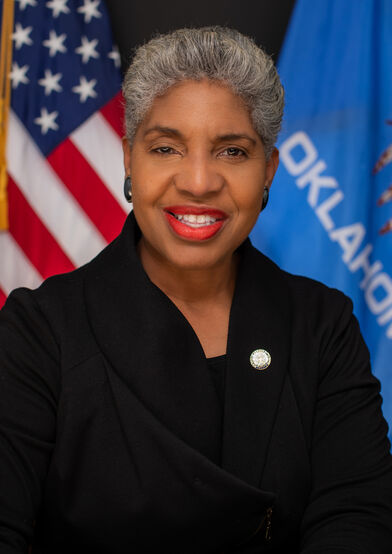
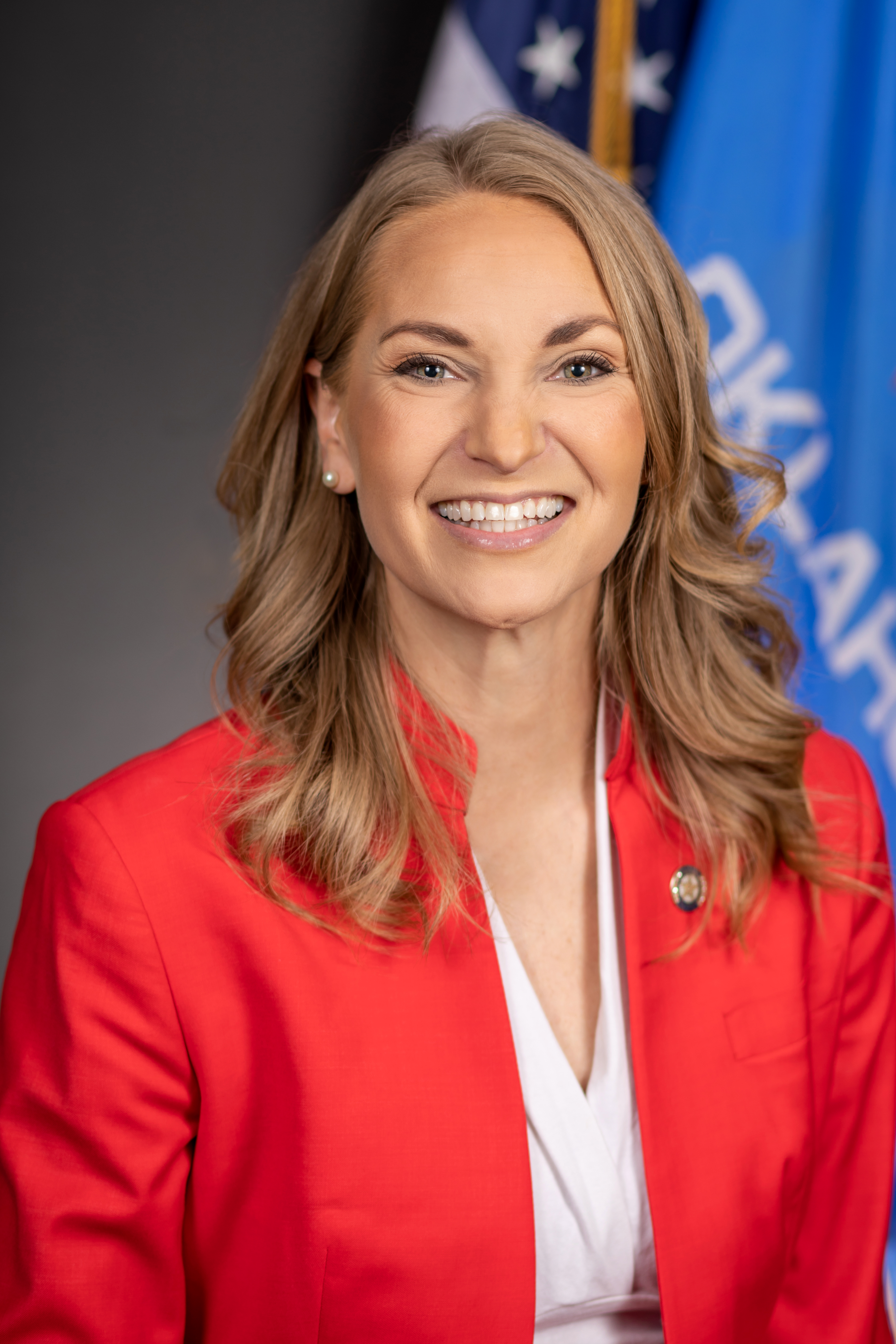
Aletia Timmons
76% support rate
Top opponent
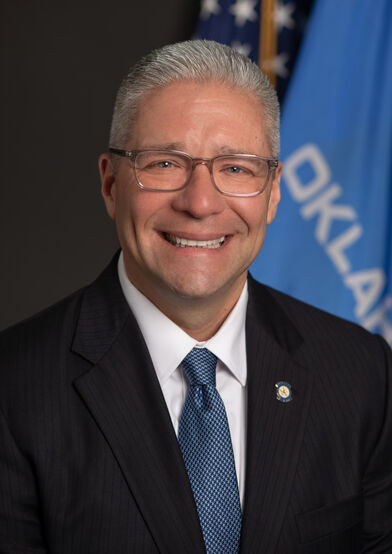
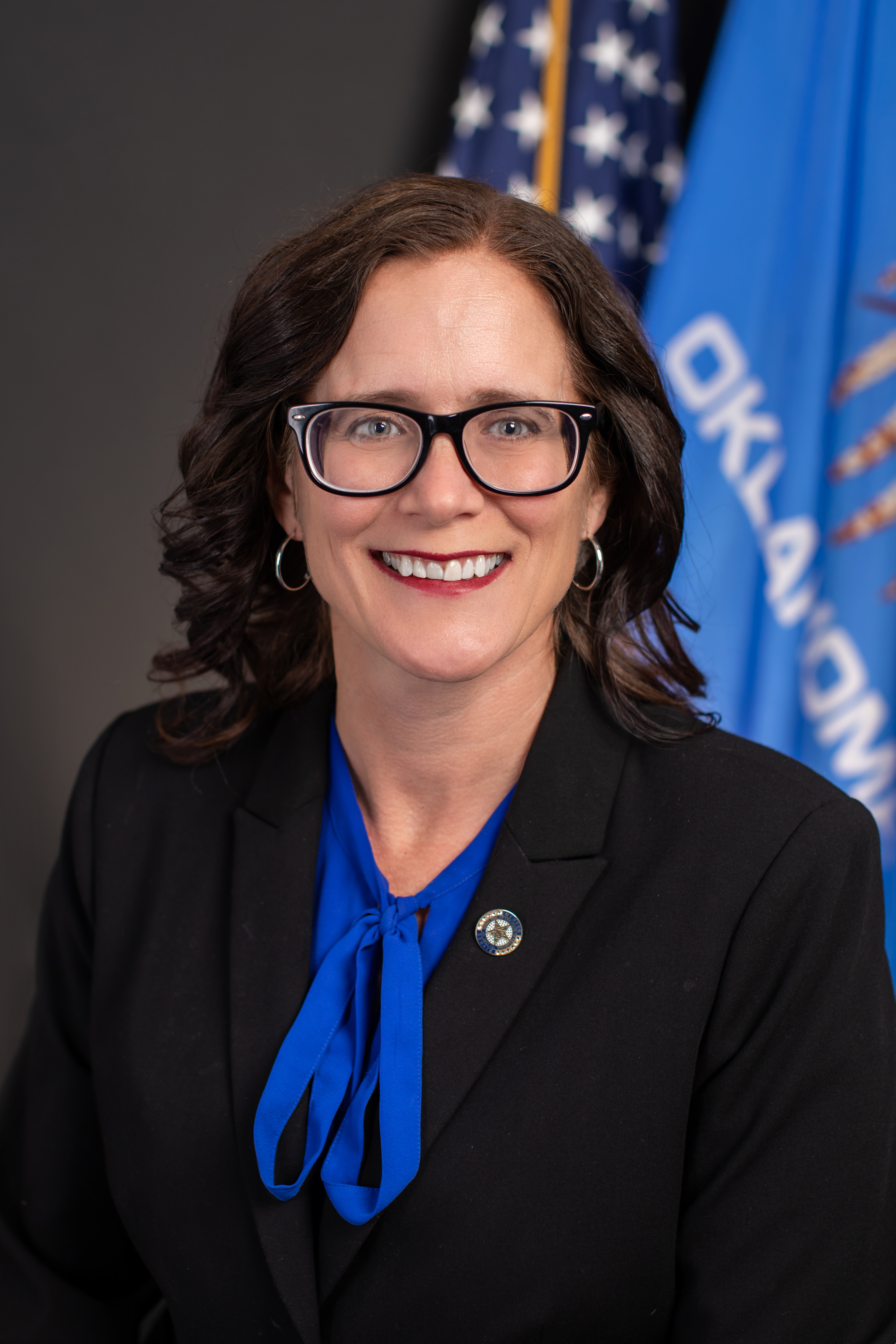
Brian Guthrie
24% support rate
Ranked legislators
10
5 support · 5 oppose
Key legislators

Who's moving criminal justice in Oklahoma

Legislators moving criminal justice in Oklahoma
Legislator Party Stance Support rate Votes
Aletia Timmons
Aletia Timmons House · District 97
D
Support
76% 91
Regina Goodwin
Regina Goodwin Senate · District 11
D
Support
73% 225
Michael Brooks
Michael Brooks Senate · District 44
D
Support
72% 274
Carri Hicks
Carri Hicks Senate · District 40
D
Support
71% 184
Julia Kirt
Julia Kirt Senate · District 30
D
Support
70% 174
Brian Guthrie
Brian Guthrie Senate · District 25
R
Oppose
24% 158
Lisa Standridge
Lisa Standridge Senate · District 15
R
Oppose
26% 220
Jay Steagall
Jay Steagall House · District 43
R
Oppose
27% 149
Julie McIntosh
Julie McIntosh Senate · District 3
R
Oppose
28% 164
Dusty Deevers
Dusty Deevers Senate · District 32
R
Oppose
28% 156
Showing 71–80 of 139 bills

All criminal justice bills

passed · Oklahoma · House Apr 17, 2025

HB 1861: Crimes and punishments; providing statutory reference for prostitution-related offense; effective date.

HB 1861 amends Oklahoma's prostitution-related offense penalties in Section 1031 of the statutes. It creates a new felony charge for engaging in prostitution while knowingly infected with HIV (Section B), increases penalties for child prostitution (Section C), and escalates violations near schools/churches to felony status with fines up to $7,500 and up to 5 years in prison (Section D). The bill directly affects individuals committing these specific prostitution-related offenses under the defined circumstances. It takes effect November 1, 2025.
Sub-Topics Corrections
in committee · Oklahoma · House Feb 4, 2025

HB 1724: Abortion pills; Prevention of Maternal Harm Act of 2025; coerced abortion; imprisonment; fines; Schedule IV; mifepristone and misoprostol; effective date.

HB 1724, the "Prevention of Maternal Harm Act of 2025," criminalizes administering abortion-inducing drugs (mifepristone and misoprostol) without a pregnant person’s consent. It imposes penalties of 5-20 years in prison and fines up to $100,000 for "coerced criminal abortion by means of fraud," with harsher sentences if the pregnancy exceeds three months. The bill also redesignates mifepristone and misoprostol as Schedule IV controlled substances under Oklahoma law, treating them like other restricted medications. This directly affects healthcare providers, caregivers, or others who administer these drugs without consent, making non-consensual use a felony. The law takes effect November 1, 2025.
in committee · Oklahoma · House Feb 4, 2025

HB 2200: Crimes and punishments; increasing and deleting certain penalties; effective date.

HB 2200 increases penalties for stealing or interfering with mail in Oklahoma. It makes unauthorized possession, destruction, or taking of mail (from mailboxes, delivery vehicles, or premises) punishable as a misdemeanor (up to 2 years in jail or $5,000 fine) or, for three or more offenses within 60 days, a felony (2-5 years in prison or $5,000 fine). The bill requires convicted individuals to pay restitution to victims as specified in Oklahoma law. This directly affects people who steal or tamper with mail, including postal items, packages, or delivery vehicles.
signed · Oklahoma · House May 15, 2025

HB 1993: Crimes and punishments; clarifying scope of certain unlawful act; effective date.

HB 1993 clarifies and strengthens penalties for drivers who elude law enforcement officers in Oklahoma. It defines specific misdemeanor penalties for willfully increasing speed, extinguishing lights, or otherwise attempting to evade officers, with higher fines for repeat offenses. The bill escalates penalties to felony charges if the eluding endangers others or causes "great bodily injury" (serious injury creating substantial risk of death or permanent disfigurement), imposing prison terms of 1-5 years and fines up to $5,000. This law, effective November 1, 2025, directly affects drivers who attempt to flee police vehicles.
signed · Oklahoma · Senate May 5, 2025

SB 369: Assault and battery; modifying scope of certain unlawful act. Effective date.

SB 369 expands the definition of aggravated assault and battery against law enforcement officers in Oklahoma. It specifically includes attempts to gain control of an officer's firearm or strangulation as qualifying offenses. The law applies to police officers, sheriffs, deputies, highway patrol officers, corrections personnel, and state/federal peace officers enforcing state laws while on duty. This change makes those specific acts punishable as a felony with penalties including up to life in prison or a $5,000 fine. The bill was approved by the governor on May 3, 2025, and is now in effect.
signed · Oklahoma · House May 12, 2025

HB 1413: Domestic violence; making certain pleas or finding of guilt to stalking violations constitute a conviction for purposes of sentencing; effective date.

HB 1413 amends Oklahoma law to treat certain pleas or findings of guilt for stalking violations as formal convictions for sentencing in domestic violence cases. This change directly affects individuals who commit stalking offenses and later face domestic violence charges, as prior stalking pleas or findings will now count as prior convictions. The bill modifies sentencing provisions under Oklahoma Statutes Title 21, Section 1173, ensuring that stalking-related convictions impact sentencing severity for subsequent domestic violence offenses. This policy change standardizes how stalking history is considered in domestic violence sentencing without altering the underlying stalking penalties.
signed · Oklahoma · House May 12, 2025

HB 1693: Criminal procedure; clarifying evidentiary hearing requirements; effective date.

HB 1693 clarifies Oklahoma's process for determining if a death row inmate is mentally competent to be executed. It requires inmates to file a motion challenging competency within seven days of the state's execution date request, with the court ordering a hearing to assess if the inmate can rationally understand the execution. The law establishes a presumption of competency, meaning inmates must prove incompetence by showing a "substantial doubt" through evidence like medical records. If found incompetent, the court mandates mental health treatment to restore competency within 30 days, with the state providing care until the inmate regains competency or the execution date is rescheduled.
Sub-Topics Corrections Courts
in committee · Oklahoma · Senate Feb 4, 2025

SB 416: Oklahoma Self-Defense Act; modifying scope of certain unlawful act related to prohibited ammunition. Effective date.

SB 416 modifies Oklahoma's Self-Defense Act to clarify that carrying a handgun (concealed or unconcealed) under this law with certain ammunition becomes a prohibited weapon. It specifically prohibits ammunition that is larger than .45 caliber, restricted bullets (as defined elsewhere in law), or any other ammunition already banned by law. This change directly affects individuals exercising their right to carry under Oklahoma's self-defense provisions. The bill updates the legal definition of prohibited ammunition within the Self-Defense Act without altering core self-defense rights. Violations would be punishable under existing criminal statutes.
Sub-Topics Firearms
in committee · Oklahoma · House Feb 4, 2025

HB 1306: Crimes and punishments; expanding scope of certain unlawful acts; effective date.

HB 1306 expands penalties for adults who encourage minors to join criminal gangs or foreign terrorist organizations. It makes it a felony to recruit, solicit, or encourage minors to participate in gang activities, with penalties including up to 5 years in prison for first offenses and 5-10 years for repeat violations. The bill also defines "criminal street gangs" as groups of five or more committing specific crimes (like robbery, drug trafficking, or violence) and reclassifies gang-related offenses as public nuisances. This directly affects adults who facilitate minor runaways or gang involvement, and gang members committing the enumerated crimes.
vetoed · Oklahoma · Senate May 29, 2025

SB 54: Motor vehicles; modifying scope and sentencing provisions for certain offenses. Effective date.

SB 54 modifies Oklahoma's driving under the influence (DUI) law to expand what constitutes a violation, including driving under the influence of any controlled substance (like marijuana) or combined alcohol and drugs, and applies the law to private roads accessing homes. It creates tiered penalties: first offenses are misdemeanors (up to 1 year jail, $1,000 fine), while repeat offenses become felonies with escalating sentences (1-5 years for second offenses, up to 20 years for fourth offenses). Key provisions require mandatory substance abuse evaluations, treatment at the defendant's expense, ignition interlock devices for 30-90 days, and community service for repeat offenders. The bill directly affects anyone convicted of DUI/DWI, particularly those with prior convictions, by increasing penalties and adding treatment and device requirements.
Showing 71 to 80 of 139 bills
Previous 1 7 8 9 14 Next