Issue · Criminal Justice

Criminal Justice

Every criminal justice bill, vote, and legislator stance in Oklahoma, automatically classified by Maddy, our AI policy reader.

Total bills
309
2026 Regular Session
Top supporter
Aletia Timmons
76% support rate
Top opponent
Brian Guthrie
24% support rate
Ranked legislators
10
5 support · 5 oppose
Key legislators

Who's moving criminal justice in Oklahoma

Legislators moving criminal justice in Oklahoma
Legislator Party Stance Support rate Votes
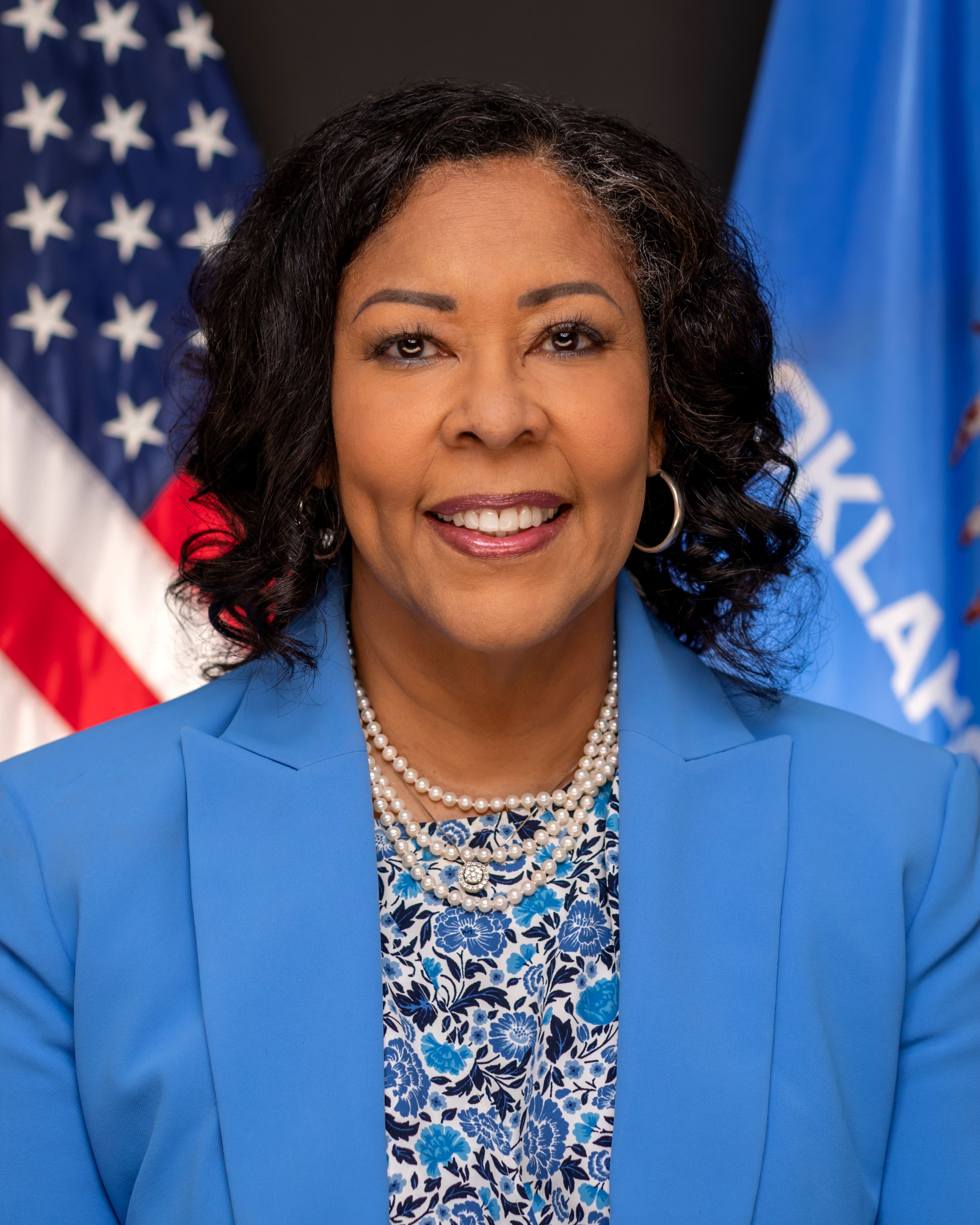
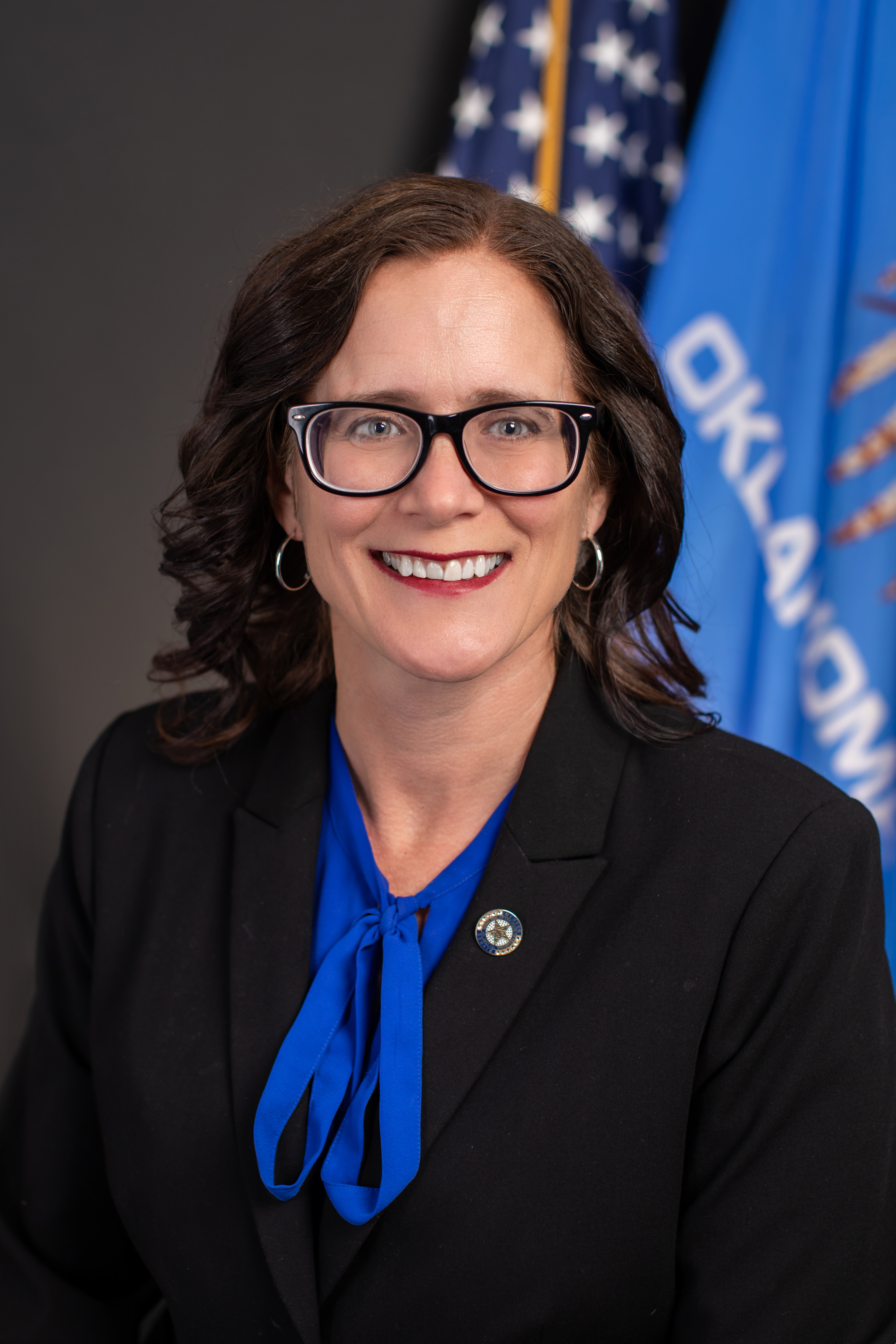
Aletia Timmons
Aletia Timmons House · District 97
D
Support
76% 91
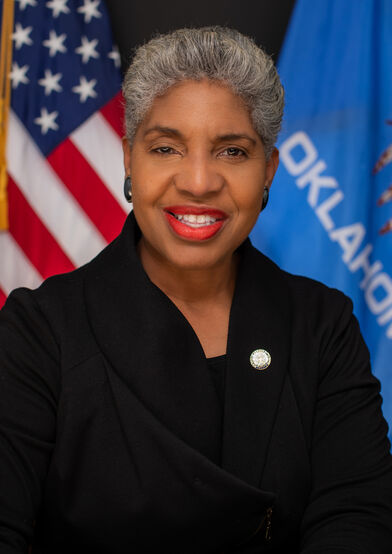
Regina Goodwin
Regina Goodwin Senate · District 11
D
Support
73% 225
Michael Brooks
Michael Brooks Senate · District 44
D
Support
72% 274
Carri Hicks
Carri Hicks Senate · District 40
D
Support
71% 184
Julia Kirt
Julia Kirt Senate · District 30
D
Support
70% 174
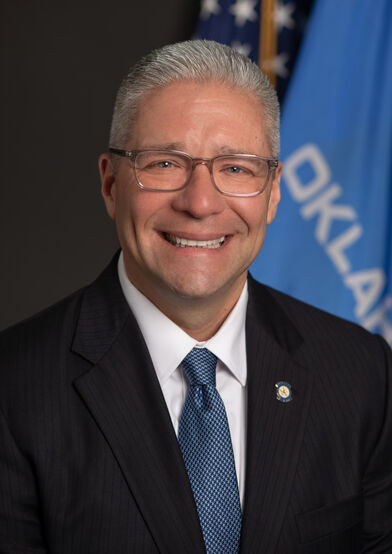
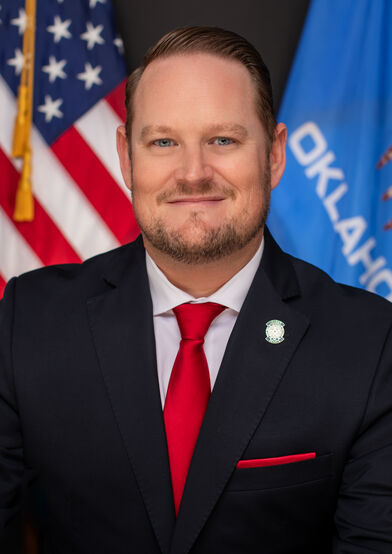
Brian Guthrie
Brian Guthrie Senate · District 25
R
Oppose
24% 158
Lisa Standridge
Lisa Standridge Senate · District 15
R
Oppose
26% 220
Jay Steagall
Jay Steagall House · District 43
R
Oppose
27% 149
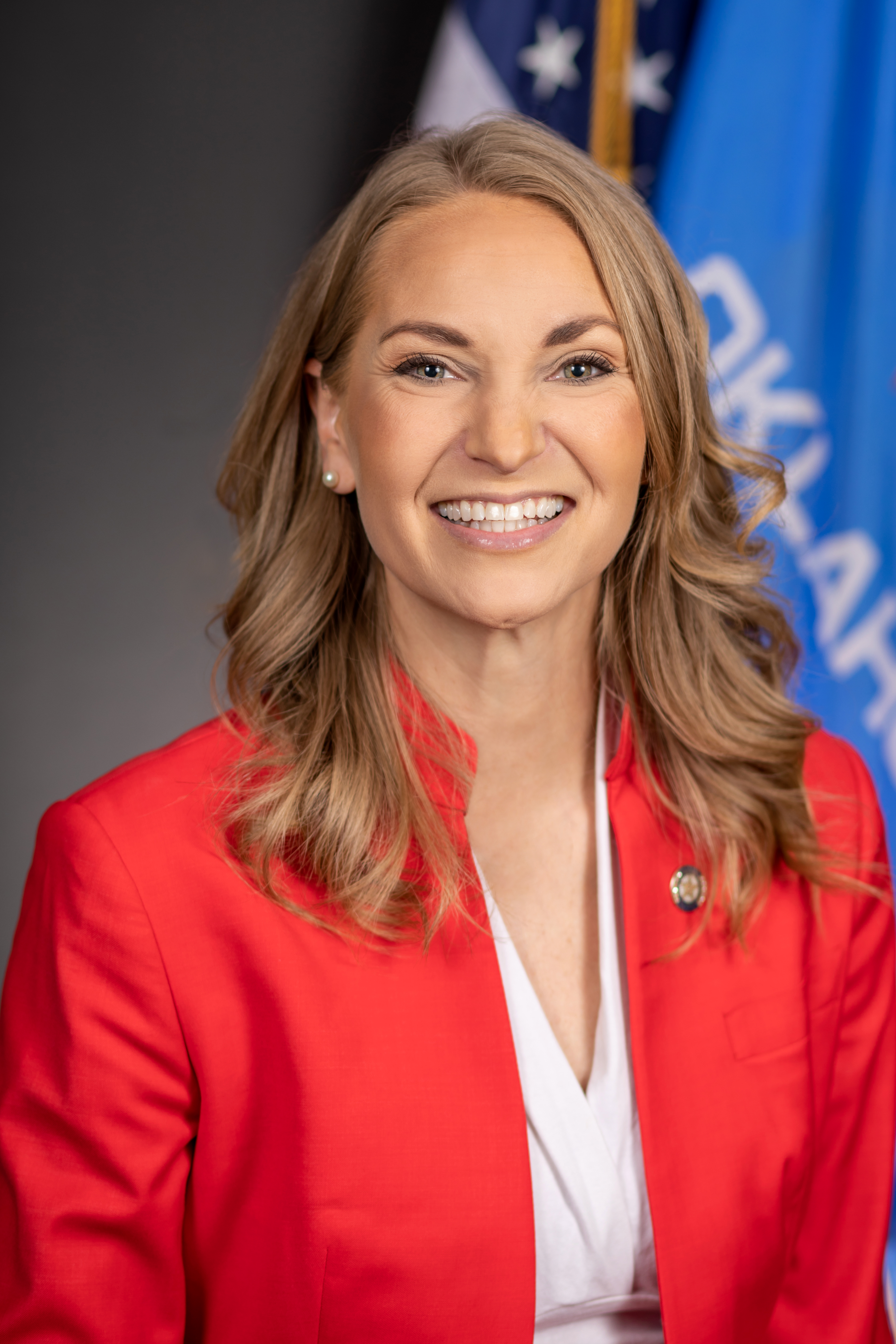
Julie McIntosh
Julie McIntosh Senate · District 3
R
Oppose
28% 164
Dusty Deevers
Dusty Deevers Senate · District 32
R
Oppose
28% 156
Showing 31–40 of 309 bills

All criminal justice bills

in committee · Oklahoma · Senate Feb 3, 2026

SB 1881: Adjudicative hearings; authorizing hearings to be made public if in the public interest. Effective date.

SB 1881 modifies Oklahoma's juvenile court hearing rules to require public access for hearings involving a child's second or subsequent delinquency adjudication, while keeping most other juvenile hearings private. It mandates that courts make these repeat-offense hearings public unless a judge determines that public disclosure would substantially harm the child's mental or physical well-being. Victims, relatives, legal guardians, and designated representatives may attend all hearings, but the bill explicitly prohibits publishing juvenile identities in public reports. This change directly affects juvenile court participants, including victims, guardians, and the courts handling repeat delinquency cases under Oklahoma's Juvenile Code.
in committee · Oklahoma · Senate Feb 3, 2026

SB 1588: Address Confidentiality Program; permitting certain medical care providers to apply for the Address Confidentiality Program. Effective date.

SB 1588 expands Oklahoma's Address Confidentiality Program to allow medical care providers (including doctors, nurses, paramedics, and hospital staff) who have reported a crime against them to use a confidential address instead of their real residential or work address. Applicants must submit a sworn statement detailing safety concerns, provide contact details for the Attorney General, and designate the AG as their agent for mail and legal notices. The Attorney General approves applications, provides a substitute address for official records, and keeps actual addresses confidential, with penalties for false statements including perjury charges. The program, effective November 1, 2026, ensures medical providers can safely access services while maintaining privacy from potential retaliation.
in committee · Oklahoma · Senate Feb 26, 2026

SB 1926: Protection from Domestic Abuse Act; authorizing filing of certain petition in any county. Effective date.

SB 1926 allows victims of domestic abuse in Oklahoma to file protective order petitions in any county, removing previous restrictions that required filing in the victim's county, the abuser's county, or the location of the abuse. This change makes it easier for victims to seek protection without being limited by geographic location. The bill also requires victims to file a police report first if they are not family members or in a dating relationship before filing a petition. It becomes effective November 1, 2026.
in committee · Oklahoma · Senate Feb 3, 2026

SB 1978: State Board of Corrections; establishing criteria for certain verification process. Effective date.

SB 1978 requires Oklahoma's State Board of Corrections to create specific verification rules before carrying out a death penalty execution. The bill mandates checks including confirmation that the Department followed constitutional prohibitions against cruel punishment, documentation of medical/drug purchases from reputable vendors, proper training for staff, and audio/video recording of executions. It directly affects death row inmates, correctional staff, medical and drug vendors, and victims' families (who must be notified of execution dates). The law also protects staff who opt out of executions from employment penalties. The bill becomes effective November 1, 2026.
Sub-Topics Corrections
in committee · Oklahoma · House Feb 3, 2026

HB 3122: Whistleblower protection; public policy; criminal punishment; fine; civil cause of action; effective date.

HB 3122 strengthens whistleblower protections in Oklahoma by making retaliation against employees who report wrongdoing a punishable offense. It defines retaliation as actions like termination, demotion, or intimidation by public officials, employers, or supervisors, with penalties including up to one year in jail and a $5,000 fine. The bill also allows whistleblowers to sue for economic and emotional damages, plus attorney fees, if they successfully prove retaliation. The law takes effect on November 1, 2026.
Sub-Topics Corrections
in committee · Oklahoma · Senate Feb 11, 2026

SB 1462: Oklahoma Organized Retail Crime Task Force; extending sunset date. Effective date. Emergency.

SB 1462 extends the deadline for the Oklahoma Organized Retail Crime Task Force from June 1, 2026, to July 1, 2036. The task force, composed of 15 members representing law enforcement, retail associations, and government agencies, must submit a report by December 31, 2025, analyzing organized retail theft impacts and recommending solutions. The bill updates statutory language and declares an emergency to take effect July 1, 2026. It directly affects the task force members, state officials receiving the report, and Oklahoma businesses impacted by retail theft.
Sub-Topics Law Enforcement
in committee · Oklahoma · Senate Apr 30, 2026

SB 1584: Oklahoma State Bureau of Investigation; modifying time frame for which sexual assault evidence kits must be submitted and tested. Effective date.

SB 1584 modifies Oklahoma law regarding sexual assault evidence kits by reducing the deadline for law enforcement to submit kits to crime labs from 20 to 10 days after a sexual assault report is filed, unless the victim requests no testing. It requires crime labs to test kits within 30 days of receipt and mandates that medical providers inform victims of their right to request future testing. The bill also maintains a 50-year retention requirement for untested kits and requires law enforcement to coordinate with the Sexual Assault Forensic Evidence Task Force (SAFE) on processing guidelines. This directly affects law enforcement agencies, crime laboratories, and sexual assault victims in Oklahoma. The bill takes effect November 1, 2026.
in committee · Oklahoma · Senate Feb 3, 2026

SB 2094: Firearms; prohibiting certain persons from taking certain action; requiring certain actions; prohibiting certain liability. Effective date.

SB 2094, the "Firearm Preservation Act," requires Oklahoma law enforcement agencies to auction firearms they acquire (e.g., through court orders, forfeitures, or estates) instead of destroying them. Agencies must sell these firearms only to individuals legally eligible to purchase them under state and federal law, with buyers passing required background checks. Proceeds from auctions fund agency operations or training, and agencies are shielded from liability if auctioned firearms are later used in crimes. The law mandates agencies to maintain detailed auction records for five years and imposes fines for noncompliance.
in committee · Oklahoma · Senate Feb 3, 2026

SB 1467: Criminal justice data; requiring sharing of certain information upon request. Effective date.

SB 1467 requires Oklahoma criminal justice agencies (like police departments, courts, and correctional facilities) to share specific public criminal justice data with approved researchers upon request. This includes information on law enforcement stops, arrests, court proceedings, and corrections, but only if the data is already available to the public under Oklahoma's Open Records Act. Researchers must prove they are "bona fide" (with institutional review board approval and agreements to use data solely for research, without public disclosure) and agencies may charge reasonable fees for search and copying. The law takes effect January 1, 2027, with requests not accepted before July 1, 2027, and the Attorney General must provide compliance guidance.
in committee · Oklahoma · House Feb 10, 2026

HB 3379: Higher education; Higher Education Workforce Development and Fair Admission Act; prohibiting state education institutions from inquiring about criminal conviction history on initial application; exceptions; effective date; emergency.

HB 3379 prohibits Oklahoma public colleges and universities from asking about a prospective student's criminal history on initial application forms or during early admissions decisions, except for convictions related to sex offenses listed in Oklahoma law (21 Okl. Stat. §§ 843.5, 1111, etc.). After admission, institutions may inquire about criminal history for counseling, campus participation decisions, or specific programs like teacher preparation, but must consider factors like time passed, rehabilitation, and the offense's relevance. The bill specifically prevents denial of admission or academic program continuation for students seeking licensed careers (e.g., teaching) based solely on criminal history, requiring institutions to offer counseling about licensing requirements instead. It takes effect July 1, 2026.
Showing 31 to 40 of 309 bills
Previous 1 3 4 5 31 Next