Issue · Criminal Justice

Criminal Justice (Corrections)

Every criminal justice bill, vote, and legislator stance in Oklahoma, automatically classified by Maddy, our AI policy reader.

Total bills
58
2026 Regular Session
Top supporter
John Waldron
89% support rate
Top opponent
Lisa Standridge
12% support rate
Ranked legislators
10
5 support · 5 oppose
Key legislators

Who's moving corrections in Oklahoma

Legislators moving corrections in Oklahoma
Legislator Party Stance Support rate Votes
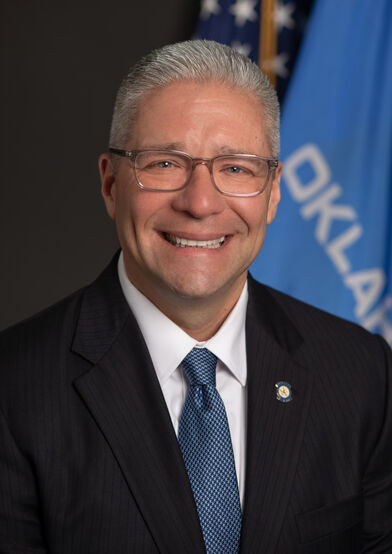
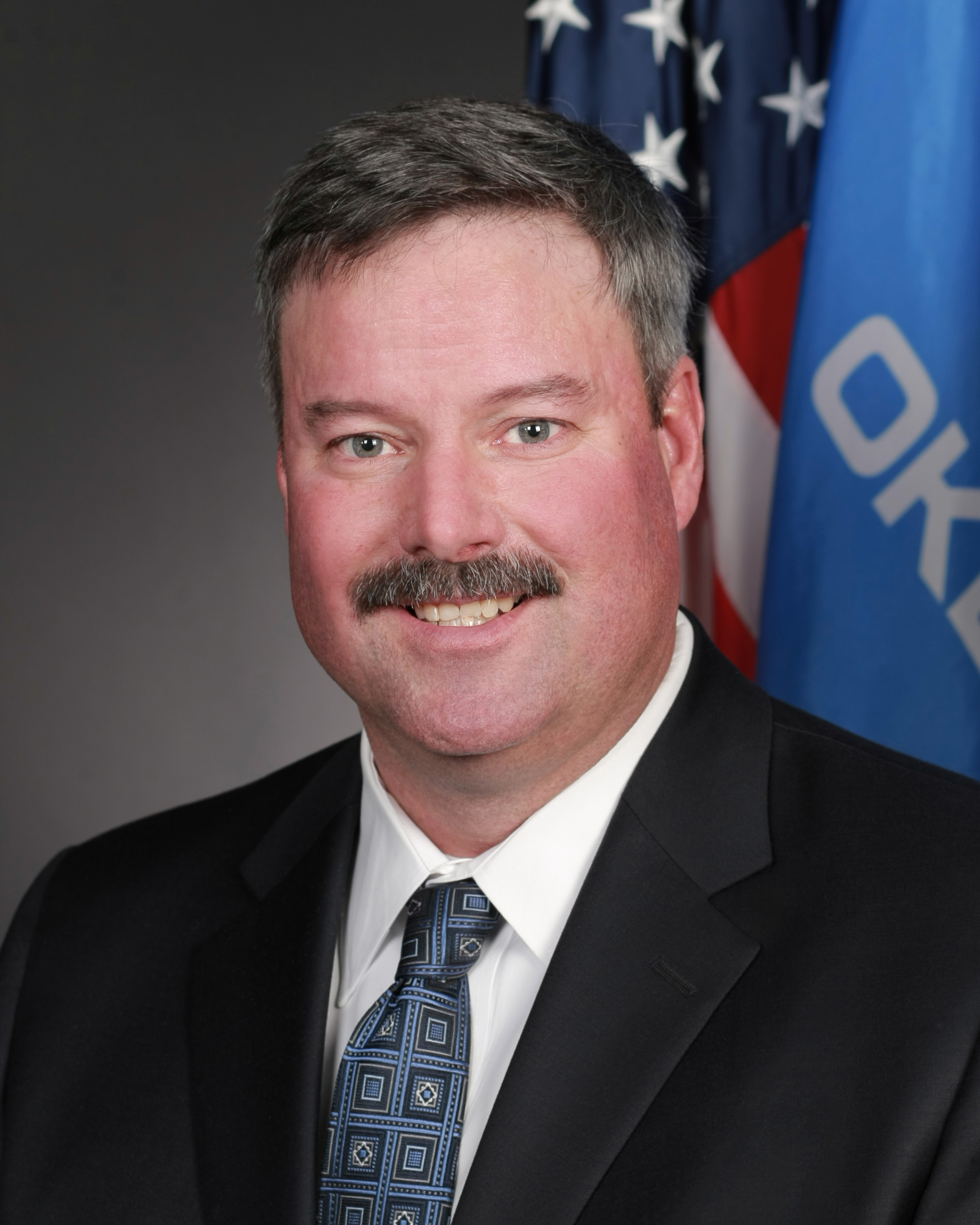
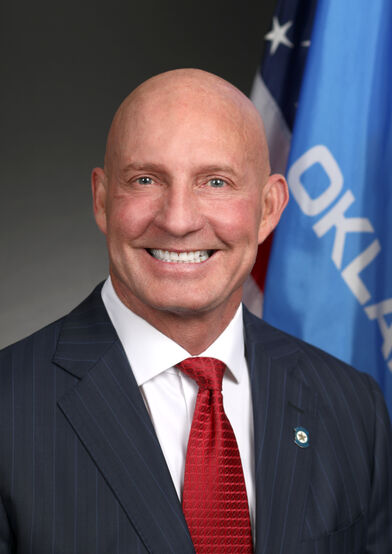
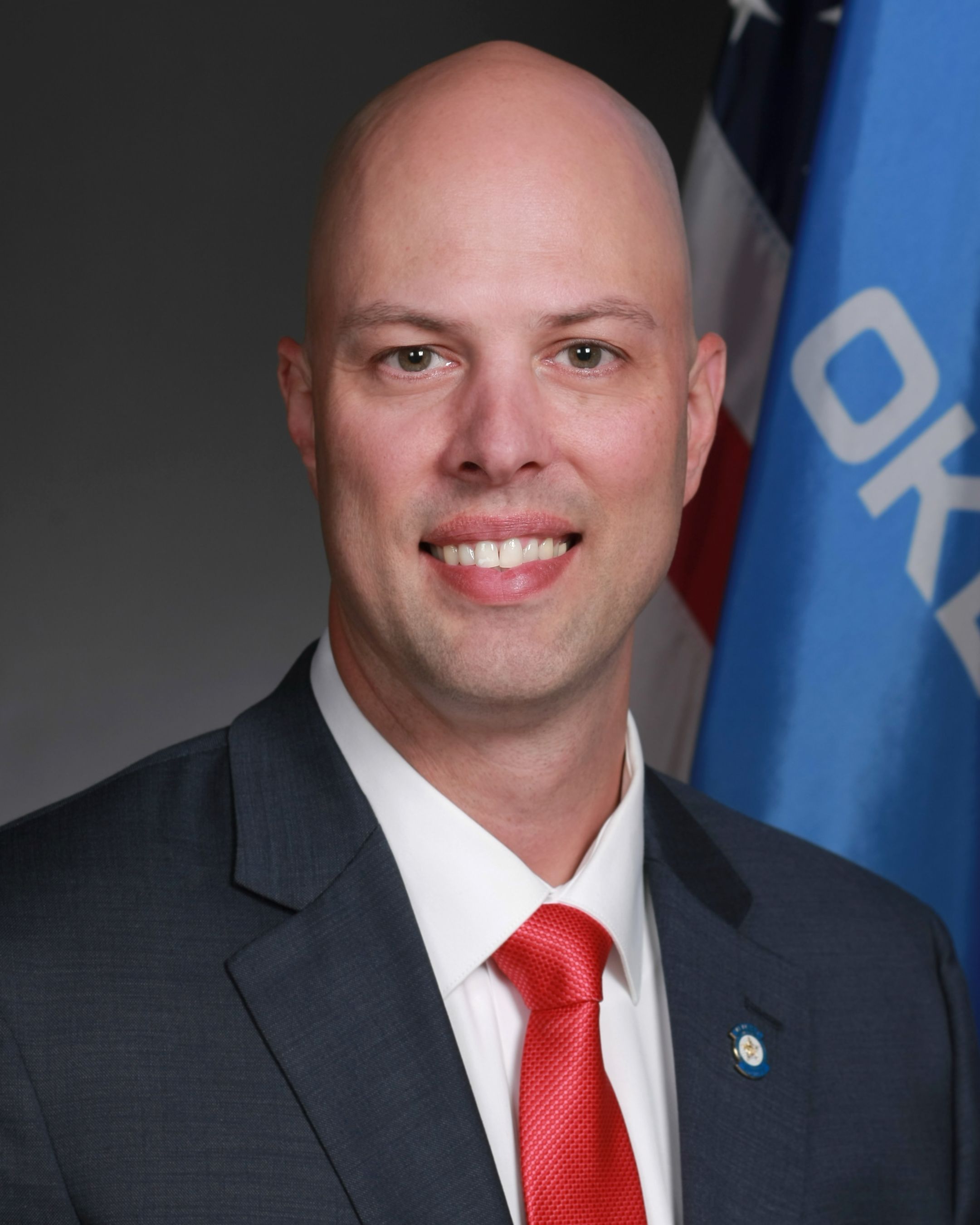
John Waldron
John Waldron House · District 77
D
Strong +
89% 19
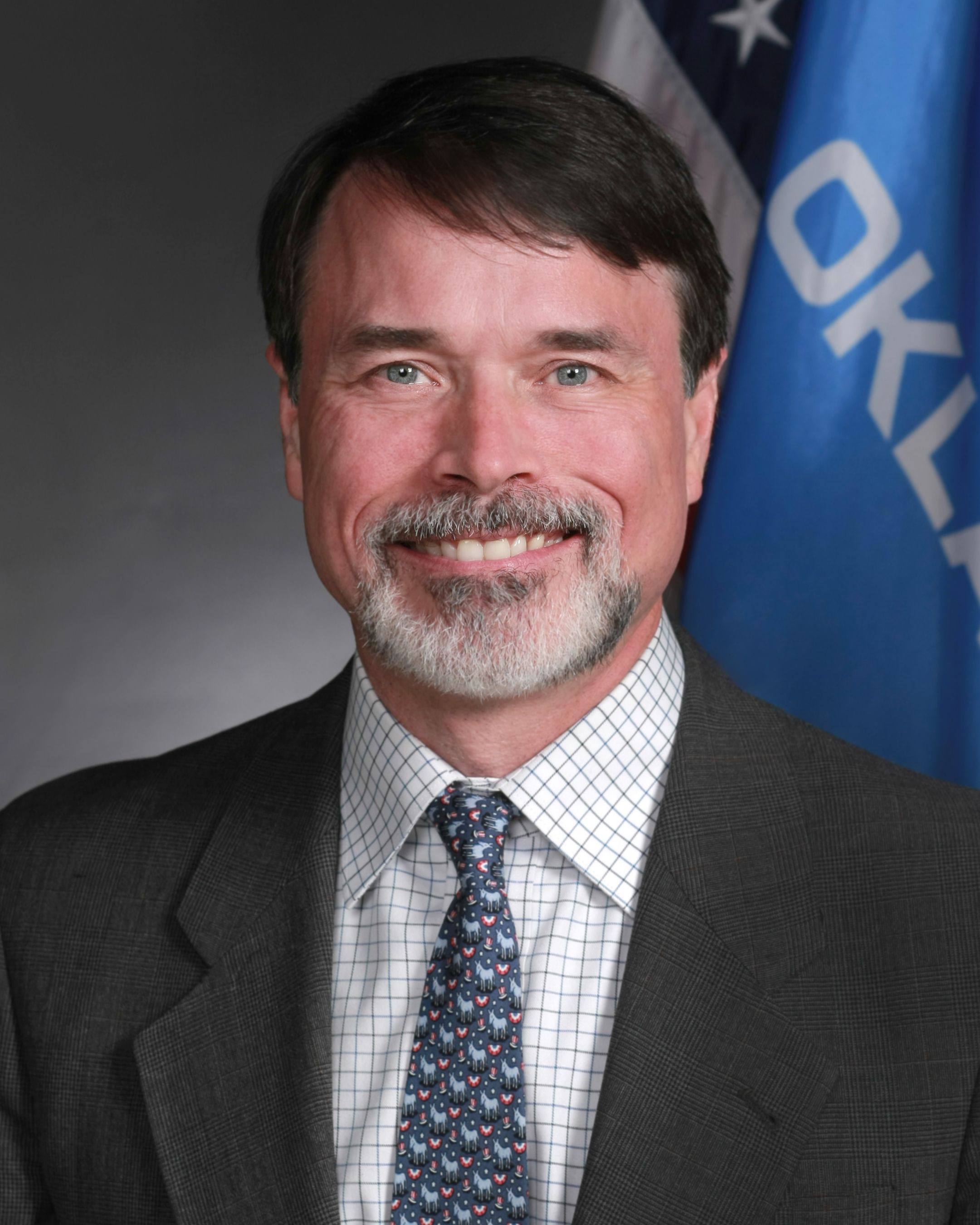
Michael Brooks
Michael Brooks Senate · District 44
D
Strong +
88% 51
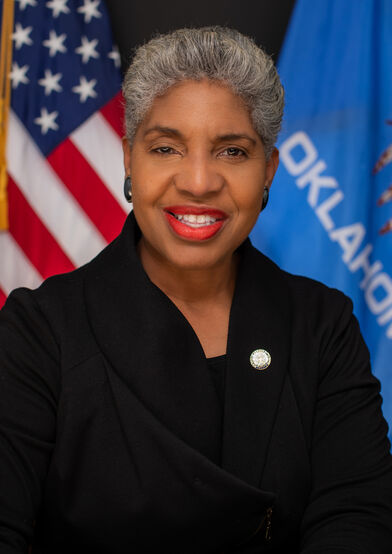
Regina Goodwin
Regina Goodwin Senate · District 11
D
Strong +
87% 45
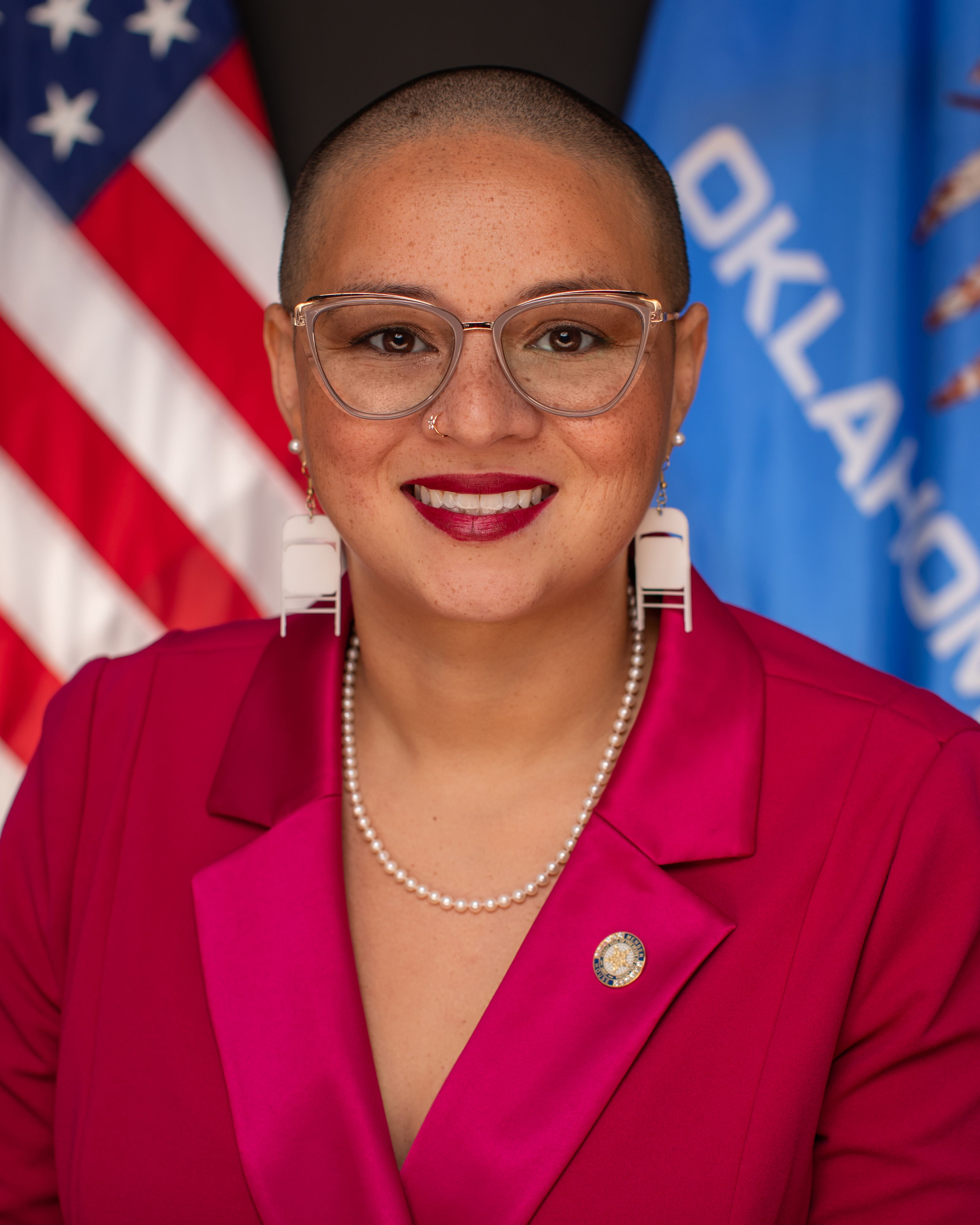
Michelle McCane
Michelle McCane House · District 72
D
Strong +
86% 22
Nikki Nice
Nikki Nice Senate · District 48
D
Strong +
85% 27
Lisa Standridge
Lisa Standridge Senate · District 15
R
Strong −
12% 32
Casey Murdock
Casey Murdock Senate · District 27
R
Strong −
14% 43
Darrell Weaver
Darrell Weaver Senate · District 24
R
Strong −
14% 43
Jay Steagall
Jay Steagall House · District 43
R
Strong −
14% 14
Shane Jett
Shane Jett Senate · District 17
R
Strong −
15% 27
Showing 21–30 of 58 bills

All criminal justice bills

in committee · Oklahoma · Senate Mar 6, 2025

SB 551: Crimes and punishment; modifying penalty provision related to child sexual abuse. Effective date.

SB 551 amends Oklahoma's penalties for child sexual abuse and exploitation, specifically increasing minimum sentences for offenses against children under 12. It sets a mandatory 25-year minimum prison term for perpetrators of child sexual abuse (Section F) or exploitation (Section I) involving children under 12, replacing previous sentencing ranges. The bill also requires mandatory post-prison supervision for certain convictions and expands the age range covered to include all children under 18. These changes directly affect individuals convicted of child sexual abuse/exploitation (including enablers like caregivers) and the state's sentencing framework. The law updates statutory language but does not alter defenses or exemptions like reasonable parental force.
Sub-Topics Corrections Sentencing
vetoed · Oklahoma · Senate May 29, 2025

SB 631: Crimes and punishments; expanding scope of acts that require service of minimum percentage of sentence. Effective date.

SB 631 requires offenders convicted of 23 specific serious crimes - including child pornography, human trafficking, aggravated assault on a defender, and discharging firearms into buildings - to serve at least 85% of their prison sentence before becoming eligible for parole. It expands the existing 85% service requirement to include these new offenses, which were previously not subject to this rule. The bill also prohibits earned credits or other reductions that would lower the required service below 85% for these convictions. This applies to anyone convicted of these offenses in Oklahoma, effective November 1, 2025.
in committee · Oklahoma · House Feb 26, 2025

HB 1008: Abortion; prohibition of abortion; definitions; prescribing standard based upon preservation of the life of a pregnant woman; emergency.

HB 1008 prohibits most abortions in Oklahoma except when necessary to preserve the life of a pregnant woman facing a medical emergency involving physical disorder, illness, or injury directly related to pregnancy. It defines "medical emergency" as conditions where abortion is required to save the woman's life, and imposes penalties of up to $100,000 or 10 years in prison for violations. The bill explicitly states it does not criminalize women for pregnancy outcomes and preserves access to contraceptives when used before pregnancy detection. The law takes immediate effect as an emergency measure upon passage.
passed · Oklahoma · House Apr 17, 2025

HB 1861: Crimes and punishments; providing statutory reference for prostitution-related offense; effective date.

HB 1861 amends Oklahoma's prostitution-related offense penalties in Section 1031 of the statutes. It creates a new felony charge for engaging in prostitution while knowingly infected with HIV (Section B), increases penalties for child prostitution (Section C), and escalates violations near schools/churches to felony status with fines up to $7,500 and up to 5 years in prison (Section D). The bill directly affects individuals committing these specific prostitution-related offenses under the defined circumstances. It takes effect November 1, 2025.
Sub-Topics Corrections
in committee · Oklahoma · House Feb 4, 2025

HB 1724: Abortion pills; Prevention of Maternal Harm Act of 2025; coerced abortion; imprisonment; fines; Schedule IV; mifepristone and misoprostol; effective date.

HB 1724, the "Prevention of Maternal Harm Act of 2025," criminalizes administering abortion-inducing drugs (mifepristone and misoprostol) without a pregnant person’s consent. It imposes penalties of 5-20 years in prison and fines up to $100,000 for "coerced criminal abortion by means of fraud," with harsher sentences if the pregnancy exceeds three months. The bill also redesignates mifepristone and misoprostol as Schedule IV controlled substances under Oklahoma law, treating them like other restricted medications. This directly affects healthcare providers, caregivers, or others who administer these drugs without consent, making non-consensual use a felony. The law takes effect November 1, 2025.
in committee · Oklahoma · House Feb 4, 2025

HB 2200: Crimes and punishments; increasing and deleting certain penalties; effective date.

HB 2200 increases penalties for stealing or interfering with mail in Oklahoma. It makes unauthorized possession, destruction, or taking of mail (from mailboxes, delivery vehicles, or premises) punishable as a misdemeanor (up to 2 years in jail or $5,000 fine) or, for three or more offenses within 60 days, a felony (2-5 years in prison or $5,000 fine). The bill requires convicted individuals to pay restitution to victims as specified in Oklahoma law. This directly affects people who steal or tamper with mail, including postal items, packages, or delivery vehicles.
signed · Oklahoma · House May 15, 2025

HB 1993: Crimes and punishments; clarifying scope of certain unlawful act; effective date.

HB 1993 clarifies and strengthens penalties for drivers who elude law enforcement officers in Oklahoma. It defines specific misdemeanor penalties for willfully increasing speed, extinguishing lights, or otherwise attempting to evade officers, with higher fines for repeat offenses. The bill escalates penalties to felony charges if the eluding endangers others or causes "great bodily injury" (serious injury creating substantial risk of death or permanent disfigurement), imposing prison terms of 1-5 years and fines up to $5,000. This law, effective November 1, 2025, directly affects drivers who attempt to flee police vehicles.
signed · Oklahoma · Senate May 5, 2025

SB 369: Assault and battery; modifying scope of certain unlawful act. Effective date.

SB 369 expands the definition of aggravated assault and battery against law enforcement officers in Oklahoma. It specifically includes attempts to gain control of an officer's firearm or strangulation as qualifying offenses. The law applies to police officers, sheriffs, deputies, highway patrol officers, corrections personnel, and state/federal peace officers enforcing state laws while on duty. This change makes those specific acts punishable as a felony with penalties including up to life in prison or a $5,000 fine. The bill was approved by the governor on May 3, 2025, and is now in effect.
signed · Oklahoma · House May 12, 2025

HB 1693: Criminal procedure; clarifying evidentiary hearing requirements; effective date.

HB 1693 clarifies Oklahoma's process for determining if a death row inmate is mentally competent to be executed. It requires inmates to file a motion challenging competency within seven days of the state's execution date request, with the court ordering a hearing to assess if the inmate can rationally understand the execution. The law establishes a presumption of competency, meaning inmates must prove incompetence by showing a "substantial doubt" through evidence like medical records. If found incompetent, the court mandates mental health treatment to restore competency within 30 days, with the state providing care until the inmate regains competency or the execution date is rescheduled.
Sub-Topics Corrections Courts
in committee · Oklahoma · House Feb 4, 2025

HB 1306: Crimes and punishments; expanding scope of certain unlawful acts; effective date.

HB 1306 expands penalties for adults who encourage minors to join criminal gangs or foreign terrorist organizations. It makes it a felony to recruit, solicit, or encourage minors to participate in gang activities, with penalties including up to 5 years in prison for first offenses and 5-10 years for repeat violations. The bill also defines "criminal street gangs" as groups of five or more committing specific crimes (like robbery, drug trafficking, or violence) and reclassifies gang-related offenses as public nuisances. This directly affects adults who facilitate minor runaways or gang involvement, and gang members committing the enumerated crimes.
Showing 21 to 30 of 58 bills
Previous 1 2 3 4 6 Next