Issue · Criminal Justice

Criminal Justice

Every criminal justice bill, vote, and legislator stance in Oklahoma, automatically classified by Maddy, our AI policy reader.

Total bills
309
2026 Regular Session
Top supporter
Aletia Timmons
76% support rate
Top opponent
Brian Guthrie
24% support rate
Ranked legislators
10
5 support · 5 oppose
Key legislators

Who's moving criminal justice in Oklahoma

Legislators moving criminal justice in Oklahoma
Legislator Party Stance Support rate Decisive votes
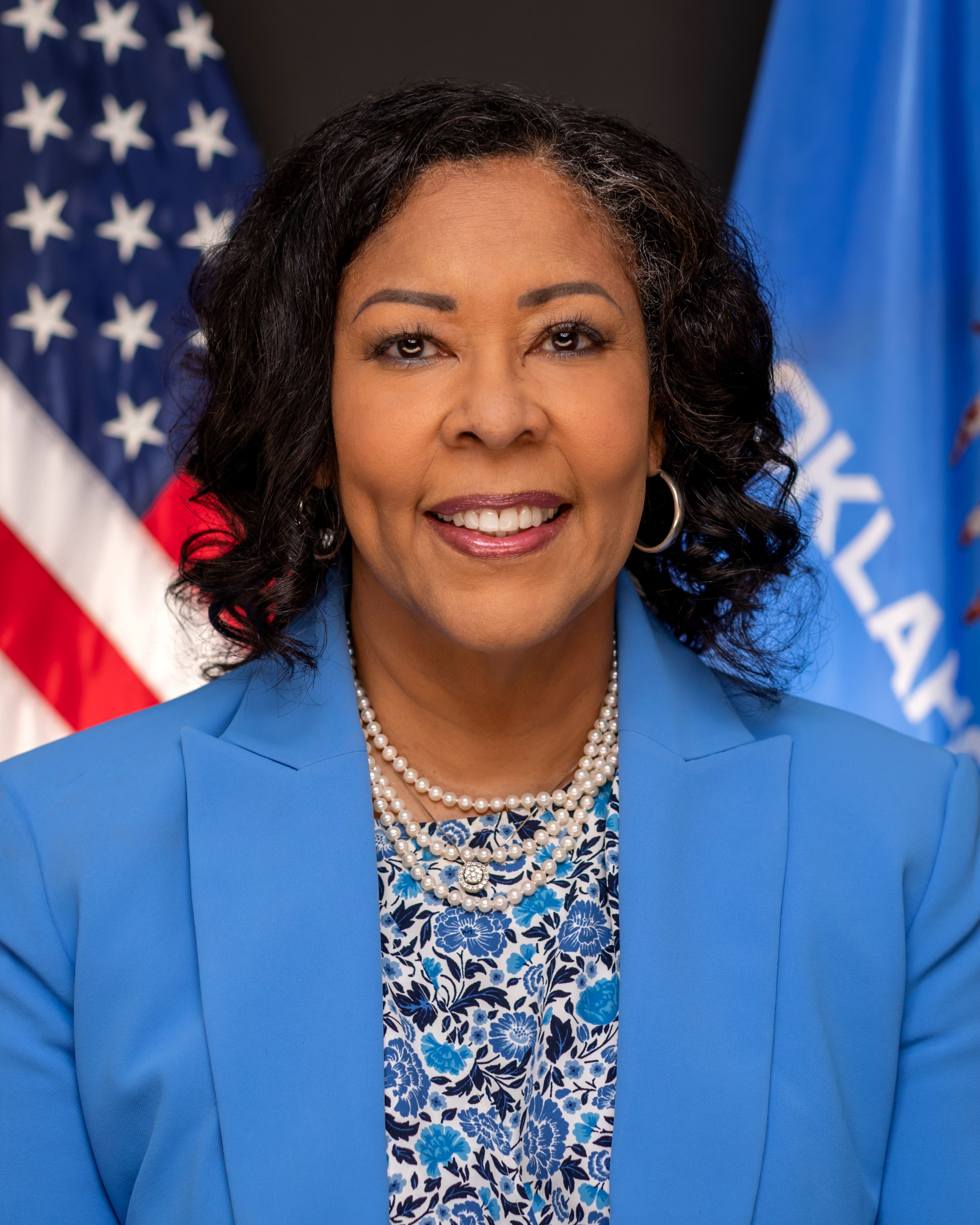
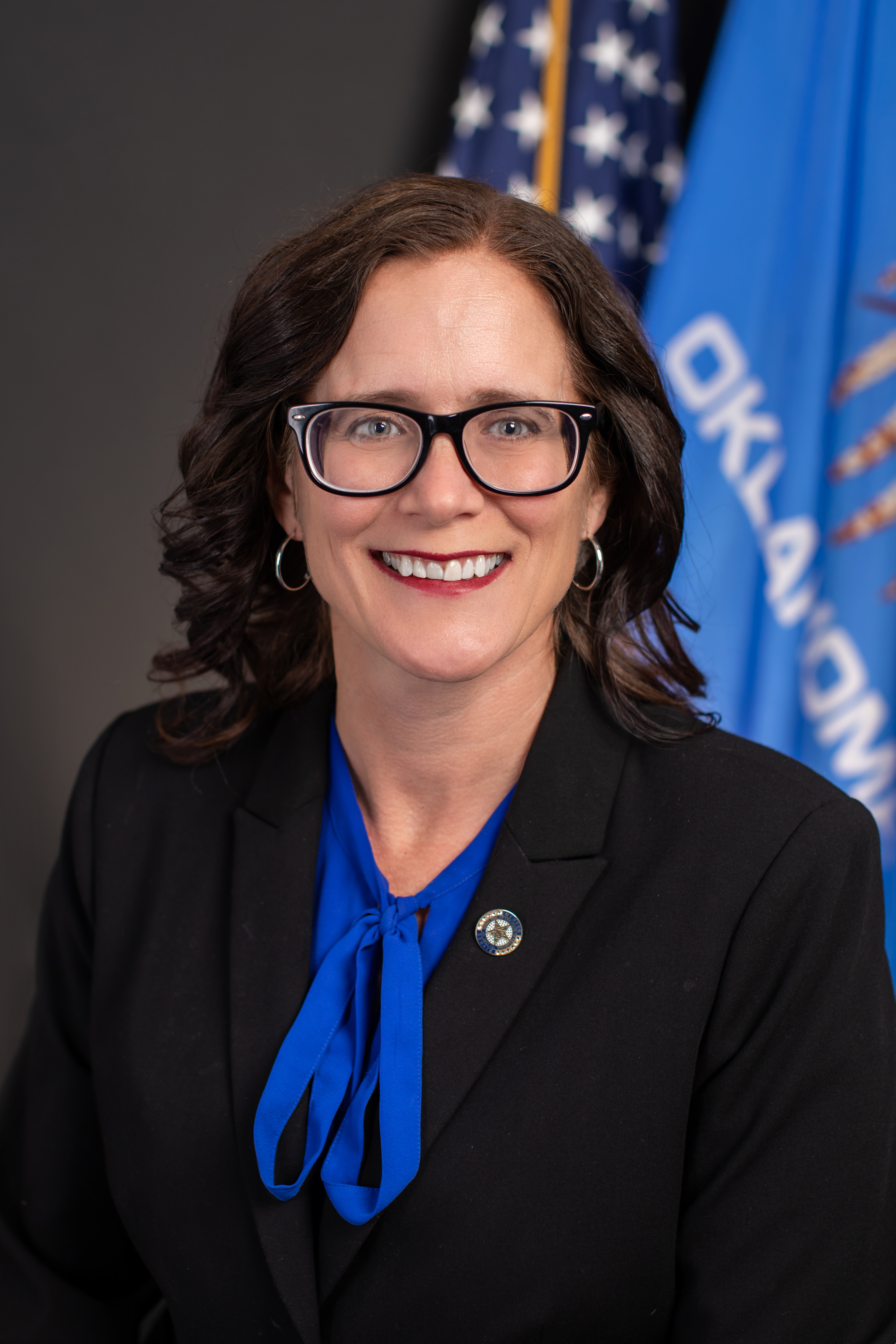
Aletia Timmons
Aletia Timmons House · District 97
D
Support
76% 25
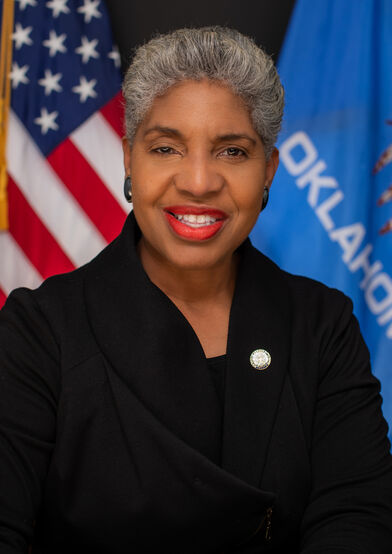
Regina Goodwin
Regina Goodwin Senate · District 11
D
Support
73% 96
Michael Brooks
Michael Brooks Senate · District 44
D
Support
72% 123
Carri Hicks
Carri Hicks Senate · District 40
D
Support
71% 62
Julia Kirt
Julia Kirt Senate · District 30
D
Support
70% 56
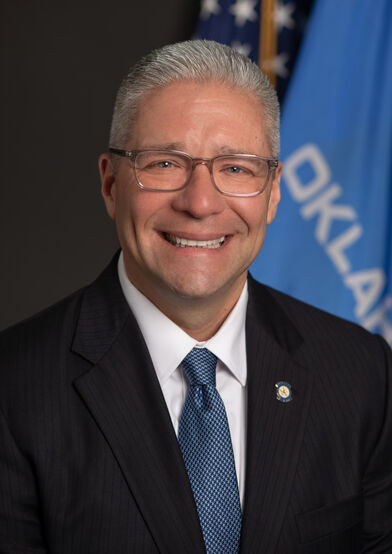
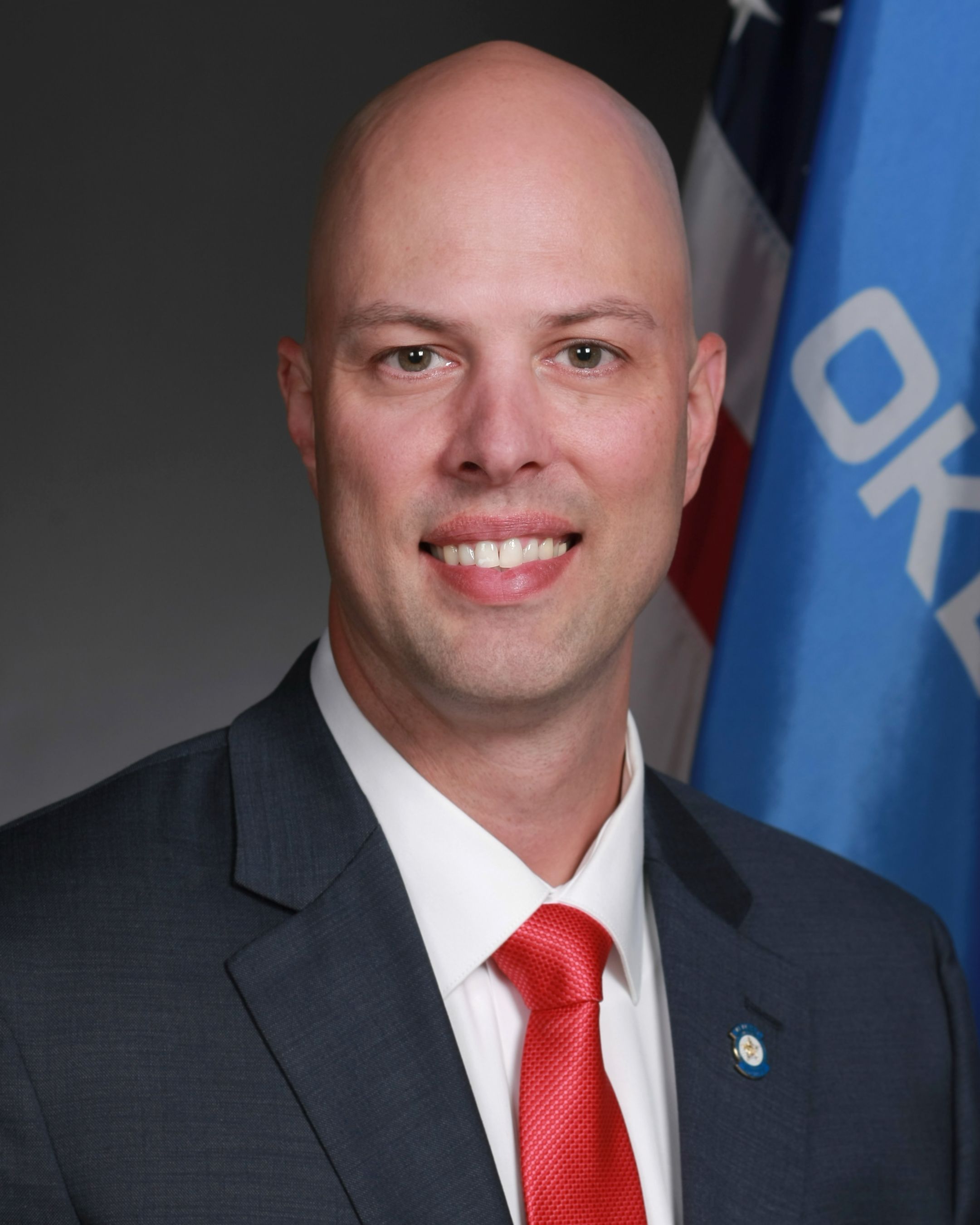
Brian Guthrie
Brian Guthrie Senate · District 25
R
Oppose
24% 58
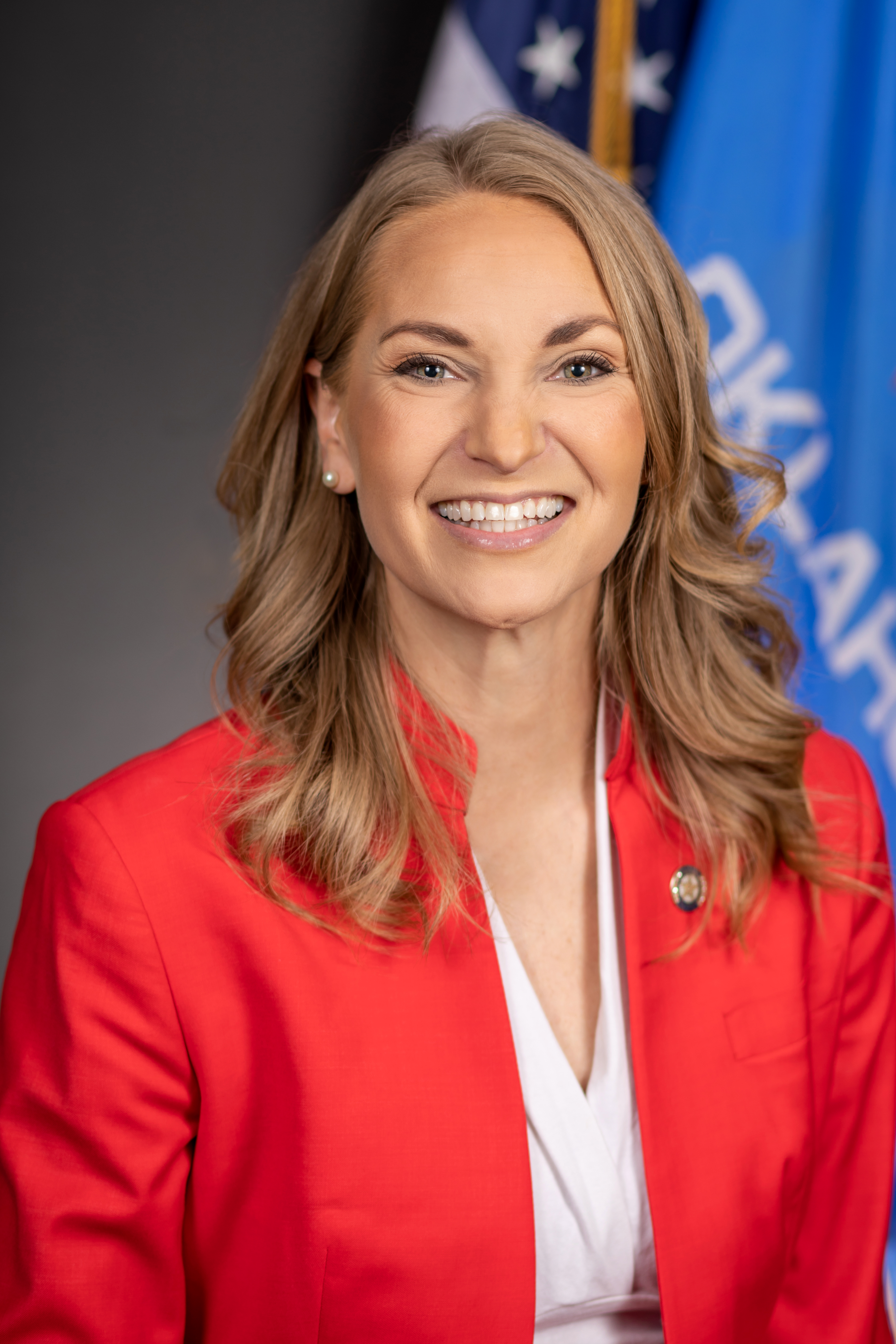
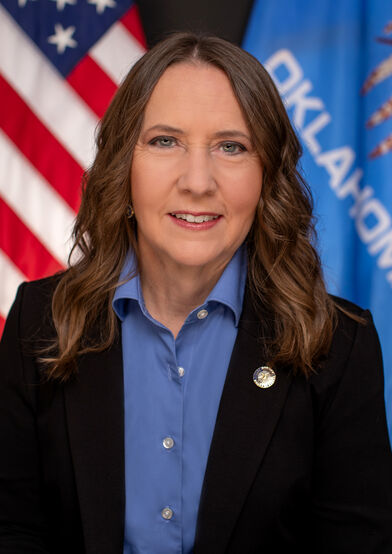
Lisa Standridge
Lisa Standridge Senate · District 15
R
Oppose
26% 91
Jay Steagall
Jay Steagall House · District 43
R
Oppose
27% 44
Julie McIntosh
Julie McIntosh Senate · District 3
R
Oppose
28% 61
Dusty Deevers
Dusty Deevers Senate · District 32
R
Oppose
28% 53
Showing 211–220 of 309 bills

All criminal justice bills

in committee · Oklahoma · House Feb 4, 2025

HB 2054: Criminal procedure; modifying certain qualifications; effective date.

HB 2054 modifies Oklahoma's criminal expungement rules to expand eligibility for sealing criminal records. It adds specific qualifying categories, such as cases involving DNA exoneration, dismissed charges after deferred sentences, and nonviolent felony dismissals following successful completion of programs. The bill also establishes a key new provision: beginning three years after its effective date (subject to funding), individuals with "clean slate eligible" cases - like those with dismissed charges, misdemeanor convictions under $500 fines, or certain nonviolent felony dismissals - will automatically qualify for record sealing. This affects Oklahomans with specific conviction types, dismissed charges, or completed diversion programs who meet the time-based requirements. The changes aim to streamline record sealing for eligible individuals without requiring them to file motions.
in committee · Oklahoma · Senate Feb 4, 2025

SB 828: Criminal procedure; increasing time for which certain prosecutions may be commenced. Effective date.

Oklahoma Senate Bill 828 extends the statute of limitations for prosecuting certain serious crimes, primarily affecting victims of child sexual abuse. It allows prosecution for child sexual abuse crimes (including those involving minors in pornography or child trafficking) to occur at any time until the victim turns 45, and for crimes against adults, within 20 years of the crime being reported to police. The bill also creates a key exception: if DNA evidence is preserved and later identifies the offender, prosecution can proceed at any time. This change directly impacts prosecutors, law enforcement, and victims in these specific cases, while leaving most other criminal statute of limitations unchanged.
signed · Oklahoma · Senate May 12, 2025

SB 690: Prisons and reformatories; authorizing certain attainment of earned credits. Effective date.

SB 690 amends Oklahoma's correctional system to clarify how inmates earn sentence-reduction credits. It establishes four class levels (1-4) based on participation in work, education, and rehabilitation programs, with higher credits for better performance (e.g., Class 4 inmates earn 60 credits/month if they have no prior felony convictions). The bill prohibits earning credits for inmates convicted of crimes resulting in death of law enforcement or DOC staff, or for those violating probation. It also updates language to be gender-neutral and specifies that credits equal one day of reduced incarceration per credit. This law directly affects all Oklahoma state inmates serving sentences with the possibility of sentence reduction through earned credits.
signed · Oklahoma · House May 28, 2025

HB 1462: Criminal procedure; directing courts to prioritize orders of payments of restitution; effective date.

HB 1462 requires Oklahoma courts to prioritize ordering restitution payments to crime victims when sentencing convicted defendants (excluding death penalty cases). The bill amends sentencing procedures to ensure courts consider restitution as a key requirement before other sentencing options, with interest accruing at 12% annually. It directly affects convicted individuals who must pay restitution, crime victims who receive priority for compensation, and courts that must now formally prioritize this in sentencing decisions. The law applies to all criminal convictions where restitution is feasible without causing undue hardship to the defendant.
in committee · Oklahoma · Senate Feb 3, 2026

SB 1294: Detention facilities; prohibiting charges for certain calls. Effective date.

SB 1294 prohibits detention facilities in Oklahoma from charging fees for phone calls made by individuals held in those facilities. It specifically applies to facilities operated by the Office of Juvenile Affairs (for juvenile detention) and the Department of Corrections (for adult correctional facilities). The bill bans any fees or charges for placing phone calls from these facilities, directly affecting incarcerated individuals and their families who rely on communication. The law takes effect on November 1, 2026.
signed · Oklahoma · Senate May 5, 2025

SB 623: Protection from Domestic Abuse Act; requiring service in certain location; requiring initial attempt of service of protective orders upon defendant within specified time frame. Emergency.

SB 623 requires that protective orders in domestic abuse cases be served to the accused person within 24 hours of issuance, with priority service available 24/7 when the defendant's location is known. It mandates electronic service between counties via sheriff's offices and allows sheriffs to use private process servers or other law enforcement if initial service fails. The bill directly affects domestic abuse victims (by expediting protection) and law enforcement (by changing service protocols), while ensuring orders have statewide validity for cross-jurisdiction service. These changes aim to improve the speed and reliability of serving protective orders to enhance victim safety.
in committee · Oklahoma · Senate Feb 4, 2025

SB 145: Department of Corrections; requiring certain accommodations for certain inmates. Effective date.

SB 145 requires Oklahoma correctional facilities to provide specific accommodations for lactating inmates, including equipment for pumping breast milk, storage bags, refrigeration/freezing options, and safe handling procedures for delivering breast milk to a designated recipient. The bill directly affects incarcerated individuals who are postpartum and lactating. The Oklahoma Department of Corrections must create implementing rules to administer these requirements, with the law taking effect November 1, 2025. This policy change mandates concrete facility provisions rather than altering broader correctional practices.
Sub-Topics Corrections
in committee · Oklahoma · House Feb 4, 2025

HB 1994: Crimes and punishments; increasing certain age limitation for rape; emergency.

HB 1994 amends Oklahoma's rape statutes to increase age thresholds for certain definitions of rape and conviction limitations. It raises the age where consent is automatically invalid from under 16 to under 18 in most cases, and updates age ranges for student-employee relationships (e.g., from under 20 to under 22 for secondary school students). The bill also adjusts the age gap requirement for consensual acts, changing the minimum age from 14 to 15 years while maintaining a four-year age difference rule for conviction. These changes directly affect minors under 18 in school, foster care, or higher education settings interacting with employees of those institutions. The bill declares an emergency to take effect immediately upon passage.
in committee · Oklahoma · Senate Feb 4, 2025

SB 379: Arrest booking photographs; establishing procedures for removal of certain photographs from publication or dissemination under certain circumstances. Effective date.

SB 379 requires websites or businesses publishing arrest booking photographs to remove them within a set timeframe upon a written request from the affected individual. It prohibits charging for removal, bans republication after removal, and allows affected people to sue for civil penalties of $1,000 per day of noncompliance, with recovery funds deposited into the state’s General Revenue Fund. The law excludes businesses that primarily profit from selling or sharing arrest photos, such as mugshot websites that charge for removal.
signed · Oklahoma · House May 5, 2025

HB 1364: Crimes and punishments; sexual obscenity; making certain acts unlawful; effective date.

HB 1364 prohibits the nonconsensual sharing of AI-generated sexual images or real images of someone in a sexual act or showing intimate body parts without their consent. It defines "artificially generated sexual depiction" as images created using AI or photo editing that appear authentic but did not occur in reality. Violating this law is a misdemeanor (up to 1 year in jail or $1,000 fine) for first offenses, and a felony (up to 10 years in prison and sex offender registration) for repeated violations (three or more images within six months). The law applies to both real images and AI-generated content, with exemptions for criminal investigations and public exposure.
Showing 211 to 220 of 309 bills
Previous 1 21 22 23 31 Next