Issue · Criminal Justice

Criminal Justice (Violent Crime)

Every criminal justice bill, vote, and legislator stance in Oklahoma, automatically classified by Maddy, our AI policy reader.

Total bills
22
2026 Regular Session
Top supporter
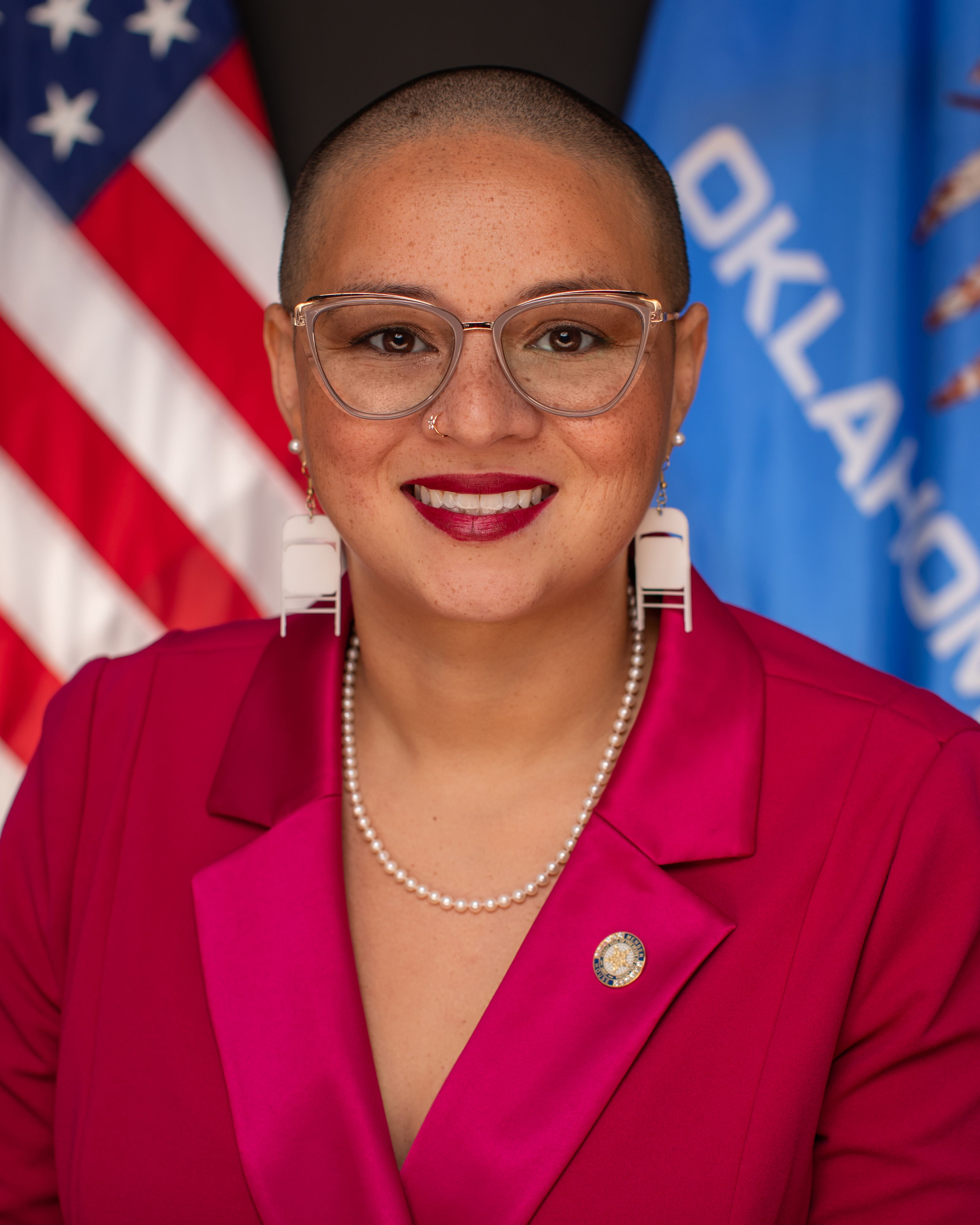
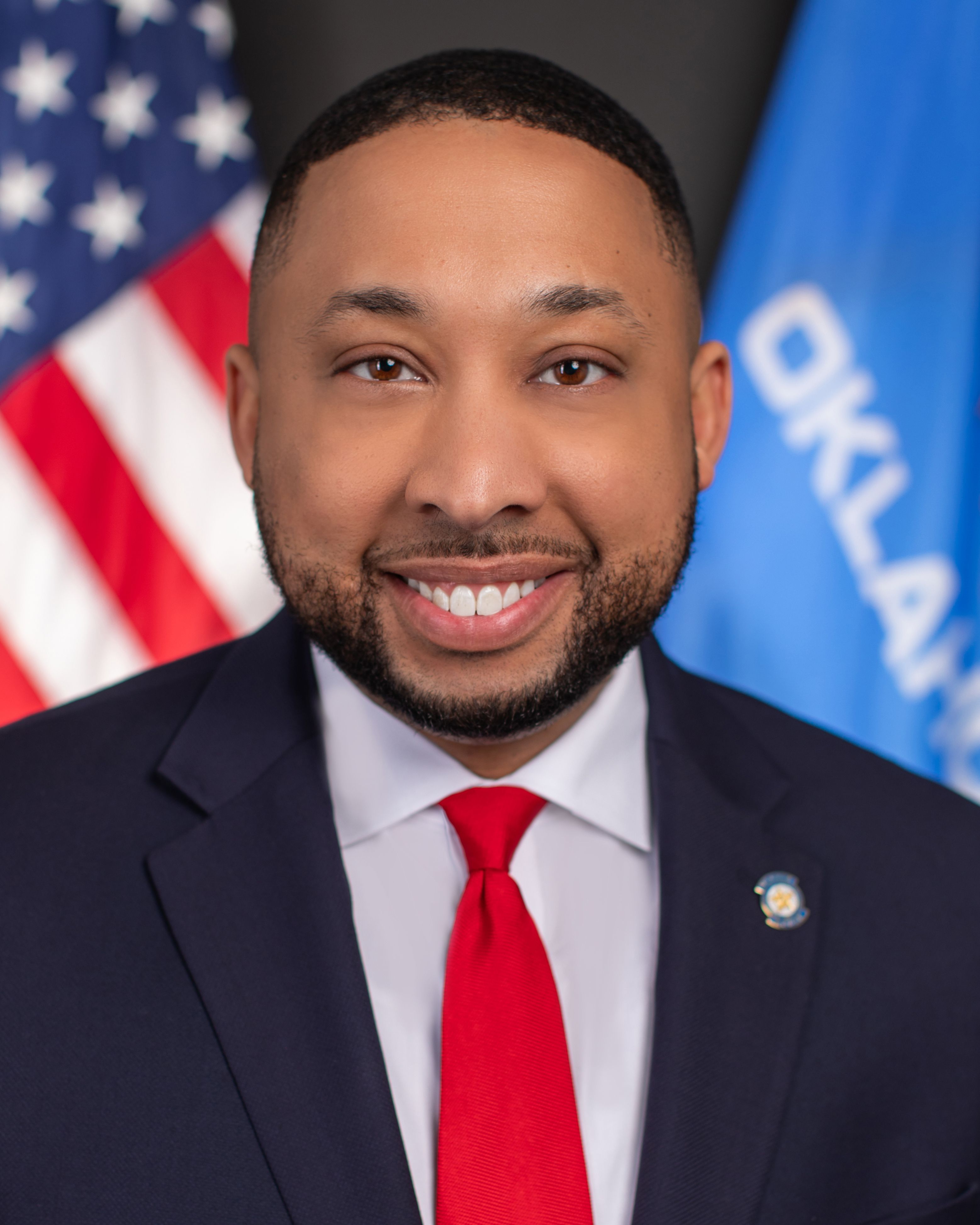
Michelle McCane
100% support rate
Top opponent
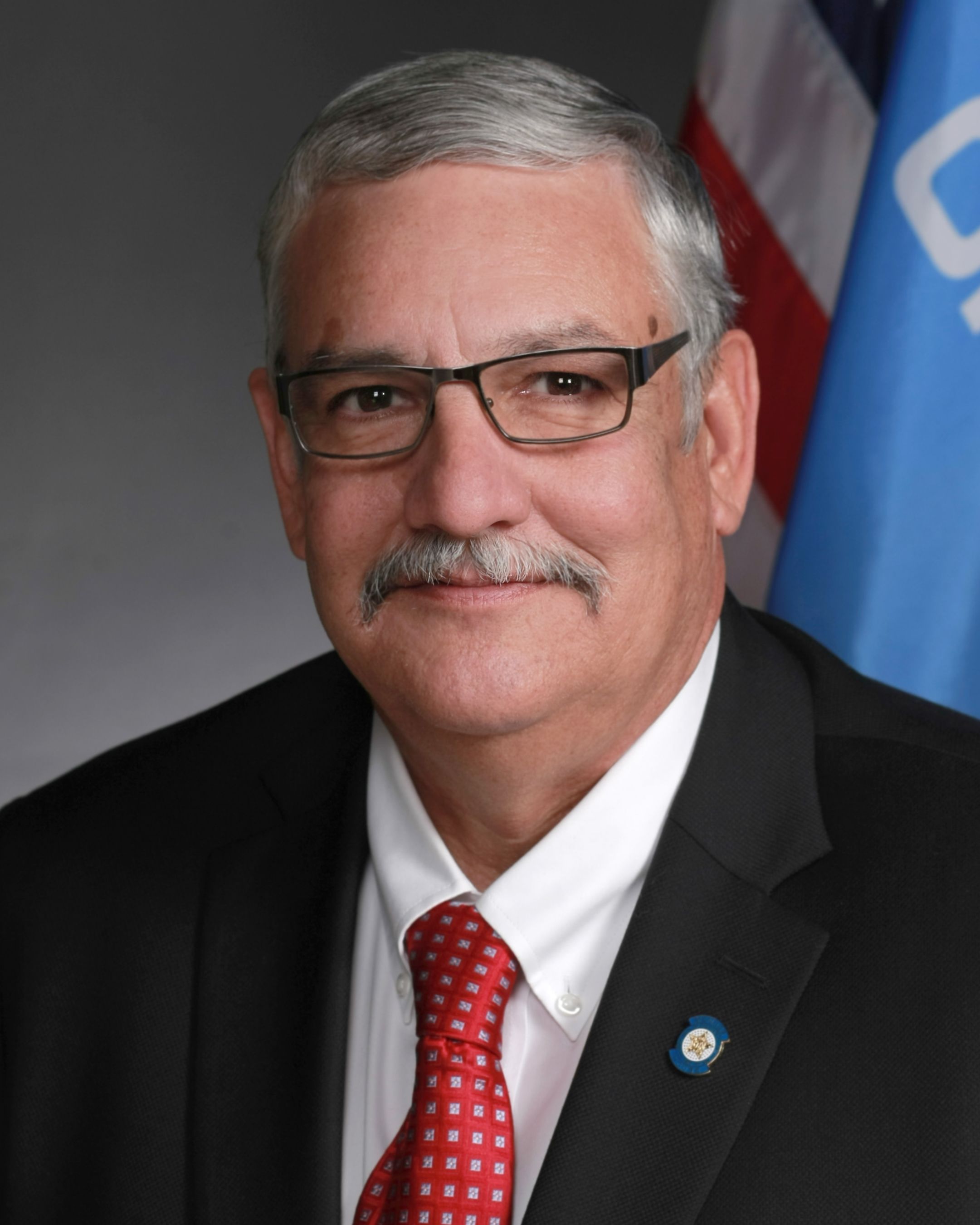
Chuck Hall
0% support rate
Ranked legislators
10
5 support · 5 oppose
Key legislators

Who's moving violent crime in Oklahoma

Legislators moving violent crime in Oklahoma
Legislator Party Stance Support rate Votes
Michelle McCane
Michelle McCane House · District 72
D
Strong +
100% 4
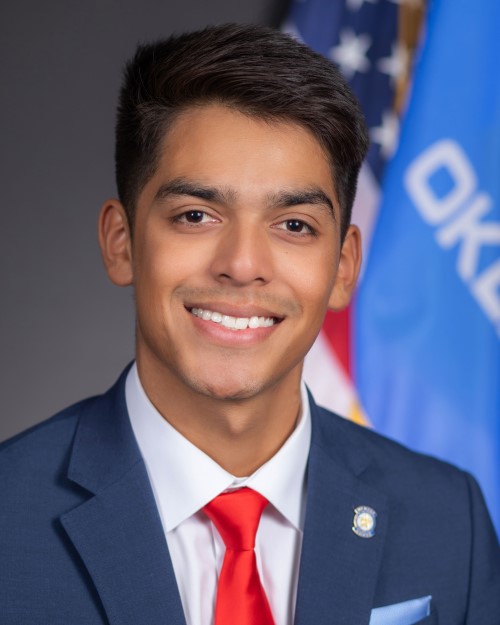
Arturo Alonso
Arturo Alonso House · District 89
D
Strong +
80% 5
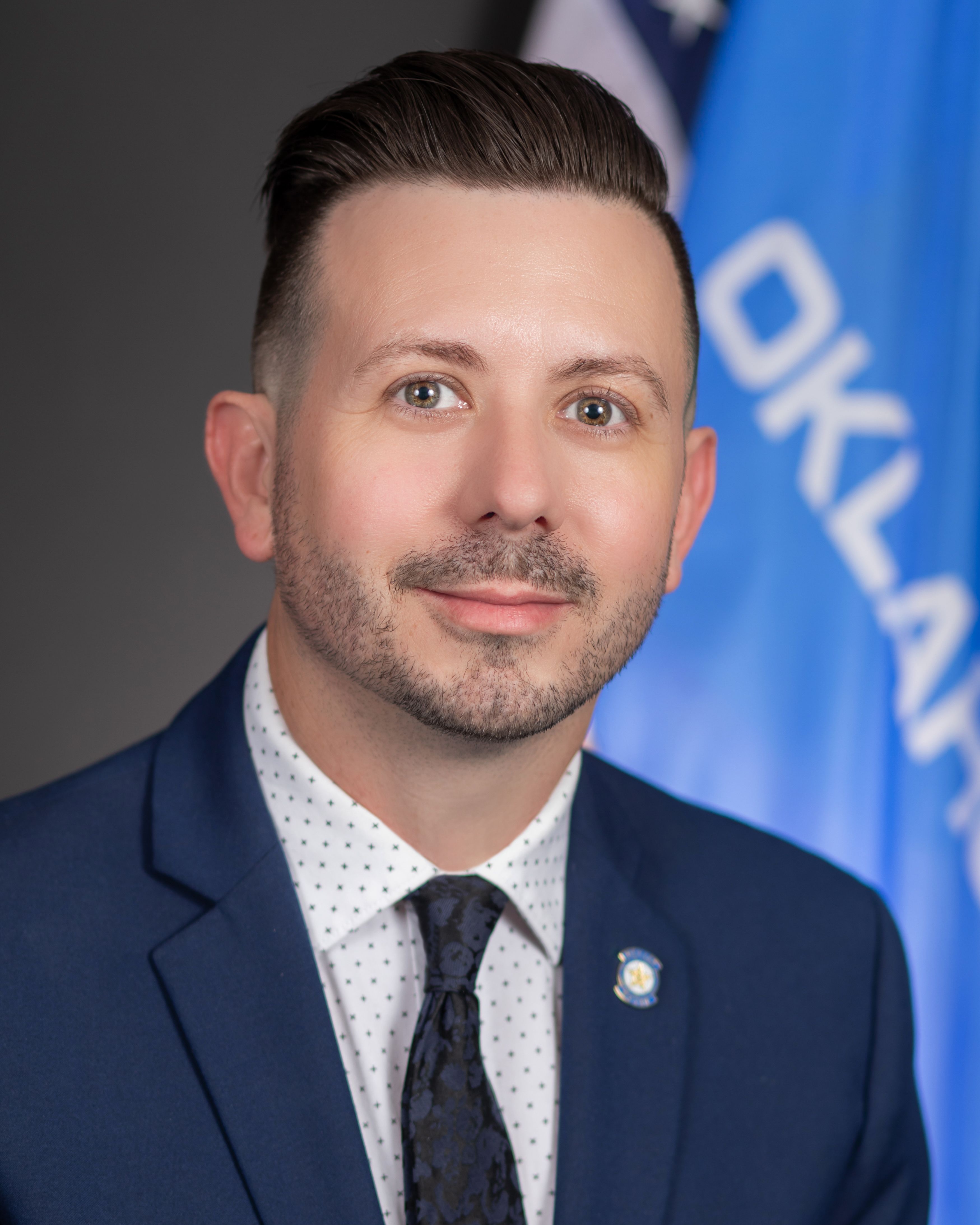
Jared Deck
Jared Deck House · District 44
D
Strong +
80% 5
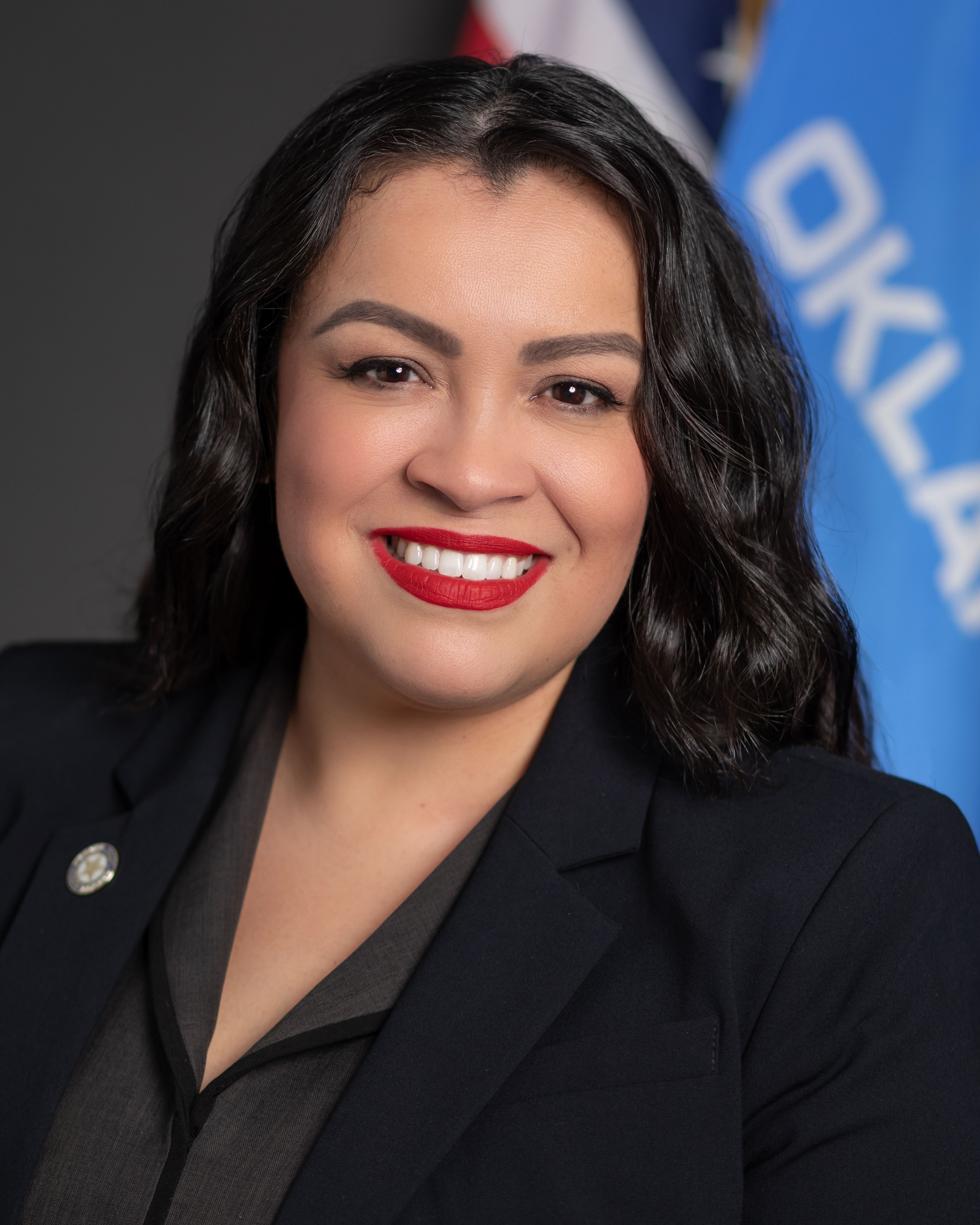
Annie Menz
Annie Menz House · District 45
D
Support
75% 4
Mickey Dollens
Mickey Dollens House · District 93
D
Support
75% 4
Chuck Hall
Chuck Hall Senate · District 20
R
Strong −
0% 11
Rob Hall
Rob Hall House · District 67
R
Strong −
0% 11
Robert Manger
Robert Manger House · District 101
R
Strong −
0% 9
David Hardin
David Hardin House · District 86
R
Strong −
0% 8
Erick Harris
Erick Harris House · District 39
R
Strong −
0% 8
Showing 11–20 of 22 bills

All criminal justice bills

died · Oklahoma · Senate Feb 26, 2026

SB 1335: Oklahoma Campus Security Act; requiring certain campus police officers to complete certain training. Effective date. Emergency.

SB 1335 requires campus police officers at Oklahoma's public universities, community colleges, and public school districts to complete six hours of evidence-based sexual assault and sexual violence training. Existing officers must complete this training within one year of the bill's effective date (July 1, 2026). The bill updates Oklahoma's Campus Security Act to mandate this training for all campus police officers employed by governing boards of higher education institutions and public school districts. It does not change other officer duties or requirements, focusing solely on this specific training obligation.
Sub-Topics Policing Violent Crime
signed · Oklahoma · House May 8, 2025

HB 2705: Sexual assault victims; directing law enforcement agencies to inform sexual assault victims of the status of certain evidence; codification; effective date.

HB 2705 requires Oklahoma law enforcement agencies to inform sexual assault victims about the status of forensic evidence in their case upon the victim's request. Specifically, victims must be told whether DNA was tested, if the DNA profile was entered into the state DNA database (CODIS), and if a match was found with another case. The law does not compel agencies to provide this information without a request and explicitly excludes details that could interfere with ongoing investigations. This law, effective November 1, 2025, directly affects sexual assault victims and law enforcement agencies handling such cases.
in committee · Oklahoma · Senate Feb 13, 2025

SB 864: Sex Offenders Registration Act; modifying provisions related to sex offenders; prohibiting certain agreement. Effective date.

SB 864 modifies Oklahoma's Sex Offenders Registration Act to clarify who must register and strengthen requirements. It requires registration for individuals convicted of specific sex offenses (including child exploitation, sexual assault, and trafficking) who live, work, or attend school in Oklahoma, including those with out-of-state convictions. The bill explicitly prohibits plea agreements that allow offenders to avoid registration and clarifies that deferred convictions still mandate registration. It also states that sealing a criminal record does not remove the obligation to register, applying to both Oklahoma and certain out-of-state convictions.
Sub-Topics Violent Crime
vetoed · Oklahoma · Senate May 29, 2025

SB 1089: Determination of competency; modifying procedures for proceedings for restoration of competency; requiring certain reporting. Effective date.

SB 1089 modifies Oklahoma's process for handling criminal cases involving defendants found incompetent to stand trial *and* dangerous, specifically for those charged with serious felonies (e.g., murder, assault) or violent crimes. It requires courts to use a "clear and convincing evidence" standard - stronger than typical criminal cases - to determine if such defendants committed the crimes, before allowing continued custody. The bill mandates the Department of Mental Health to report regularly to courts about these defendants and prohibits their release until the maximum possible sentence period for the alleged crime expires. This affects only defendants meeting all three criteria: incompetence, dangerousness, and charges for specific serious crimes.
Sub-Topics Violent Crime
in committee · Oklahoma · Senate Feb 27, 2025

SB 381: Firearms; modifying provisions related to carry of firearms by convicted felons. Effective date.

SB 381 modifies Oklahoma law to restore firearm rights for certain nonviolent convicted felons who have completed their sentences and maintained a 5-year clean record (no new misdemeanor or felony charges). It specifically allows these individuals to possess non-semi-automatic firearms and apply for handgun carry permits under the Oklahoma Self-Defense Act. However, rights are denied for those convicted of offenses like domestic abuse, sexual assault, child endangerment, or stalking. The bill maintains existing prohibitions for felons under supervision, delinquents, and undocumented immigrants possessing firearms.
vetoed · Oklahoma · Senate May 5, 2025

SB 37: Oklahoma State Bureau of Investigation; authorizing response to certain events; creating revolving fund. Effective date.

SB 37 would have authorized the Oklahoma State Bureau of Investigation (OSBI) to independently respond to mass casualty events caused by violent crime (defined as incidents injuring ≥3 people, requiring unusual emergency resources, and causing a sudden surge of casualties) without needing a local law enforcement request. It created a "Mass Casualty Revolving Fund" in the state treasury to cover OSBI costs for these investigations, funded by state appropriations, federal grants, or other designated sources. The fund would allow ongoing, unrestricted spending for OSBI's role in coordinating with local agencies during such events. This bill was vetoed by the Governor on May 5, 2025, so it did not become law.
in committee · Oklahoma · House Feb 4, 2025

HB 2925: High-speed vehicular pursuits; directing law enforcement agencies to adopt certain policies and procedures; codification; effective date.

HB 2925 requires all Oklahoma law enforcement agencies (state, county, and local) to adopt written policies governing high-speed vehicle pursuits. The bill mandates specific provisions, including banning pursuits in densely populated areas, prohibiting shooting at moving vehicles, requiring supervisory approval before starting a pursuit, and limiting pursuits of misdemeanants to cases where no public harm or property damage is likely. It also strictly restricts pursuing alleged felons only when there is reasonable certainty the pursuit will prevent further harm, and prohibits pursuits for any crime not posing an immediate threat of death or serious injury (listing murder, assault, kidnapping, rape, and armed robbery as qualifying offenses). The policy changes take effect November 1, 2025.
passed · Oklahoma · House May 5, 2025

HB 1594: Crimes and punishments; assault and battery; clarifying scope of certain unlawful act; effective date.

HB 1594 clarifies that certain assault and battery charges do not apply when death results from the act. The bill amends Oklahoma law to remove language that previously included cases involving death under specific assault/battery definitions. This change directly affects criminal cases where prosecutors might have sought charges under this statute for incidents resulting in death, narrowing the scope of the offense. The amendment specifies this clarification applies to cases where death occurs, not to other assault-related charges.
Sub-Topics Violent Crime
died · Oklahoma · House Feb 10, 2025

HB 1026: Crimes and punishments; making certain acts unlawful; codification; effective date.

HB 1026 makes it a misdemeanor to assault security officers, private investigators, or bail enforcers while they are performing their licensed duties. The law specifically applies when these professionals are wearing identifiable uniforms, badges, or proof of employment during lawful work. Conviction carries penalties of up to one year in jail, a $1,000 fine, or both. The bill would take effect November 1, 2025, and is codified in Oklahoma Statutes Title 21, Section 650.12.
passed · Oklahoma · House Apr 21, 2025

HB 1676: Officers; Kay Floyd SANE Act; District Attorneys Council; Sexual Assault Nurse Examiner (SANE) Statewide Coordinator; salary; effective date.

HB 1676, the "Kay Floyd SANE Act," creates a new Sexual Assault Nurse Examiner (SANE) Statewide Coordinator position within Oklahoma's District Attorneys Council. The coordinator will oversee forensic medical exam training, recruit SANE professionals, develop local SANE and Sexual Assault Response Team programs, and manage payments from the Sexual Assault Examination Fund. The role requires a minimum annual salary of $125,000, funded through the District Attorneys Council's appropriations. The position is established until October 1, 2025, with the bill taking effect November 1, 2025. This directly affects county-level sexual assault response systems and SANE program expansion statewide.
Showing 11 to 20 of 22 bills