Issue · Criminal Justice

Criminal Justice (Corrections)

Every criminal justice bill, vote, and legislator stance in Oklahoma, automatically classified by Maddy, our AI policy reader.

Total bills
58
2026 Regular Session
Top supporter
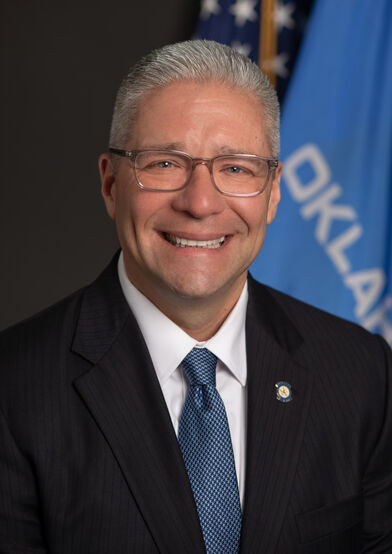
John Waldron
89% support rate
Top opponent
Lisa Standridge
12% support rate
Ranked legislators
10
5 support · 5 oppose
Key legislators

Who's moving corrections in Oklahoma

Legislators moving corrections in Oklahoma
Legislator Party Stance Support rate Votes
John Waldron
John Waldron House · District 77
D
Strong +
89% 19
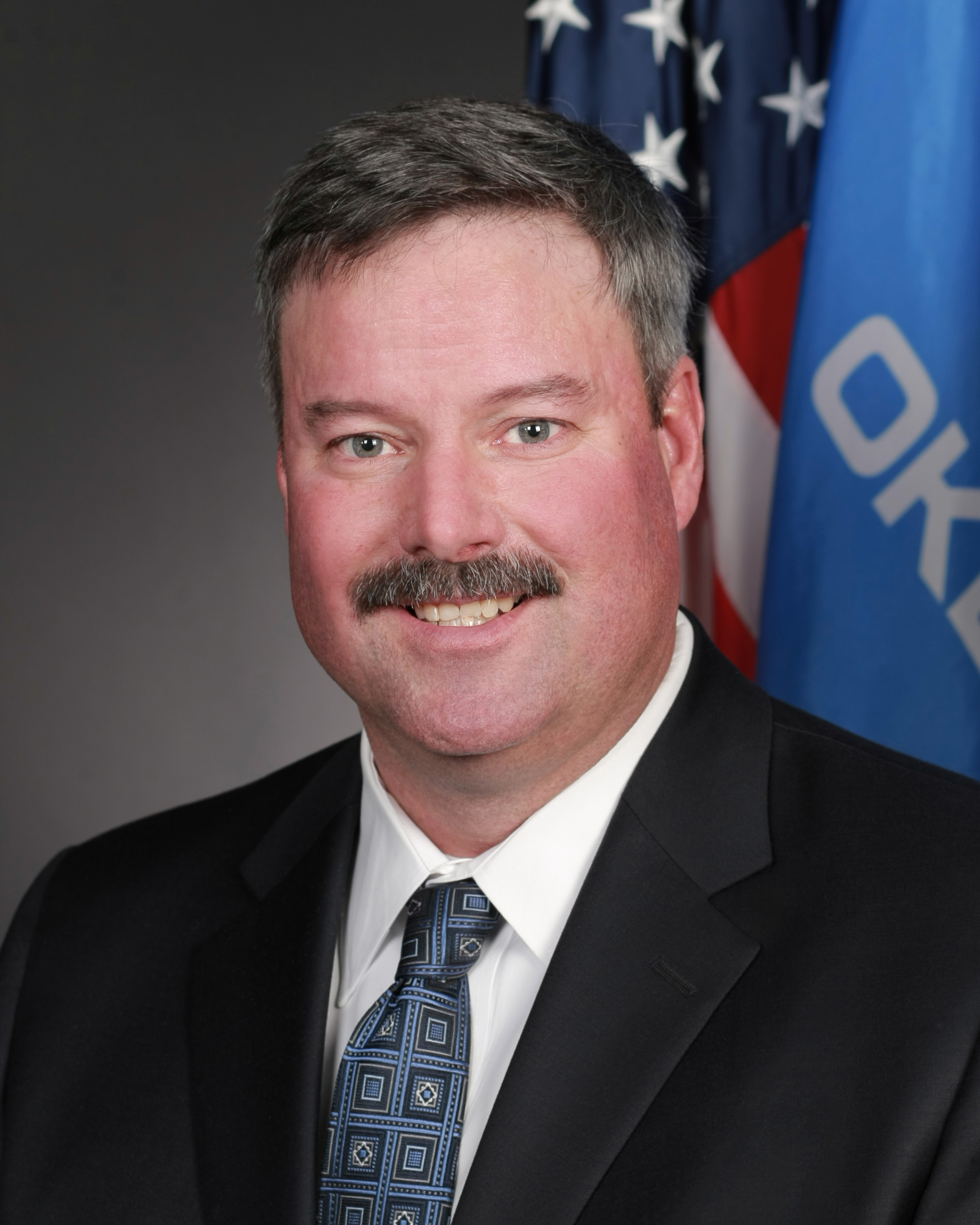
Michael Brooks
Michael Brooks Senate · District 44
D
Strong +
88% 51
Regina Goodwin
Regina Goodwin Senate · District 11
D
Strong +
87% 45
Michelle McCane
Michelle McCane House · District 72
D
Strong +
86% 22
Nikki Nice
Nikki Nice Senate · District 48
D
Strong +
85% 27
Lisa Standridge
Lisa Standridge Senate · District 15
R
Strong −
12% 32
Casey Murdock
Casey Murdock Senate · District 27
R
Strong −
14% 43
Darrell Weaver
Darrell Weaver Senate · District 24
R
Strong −
14% 43
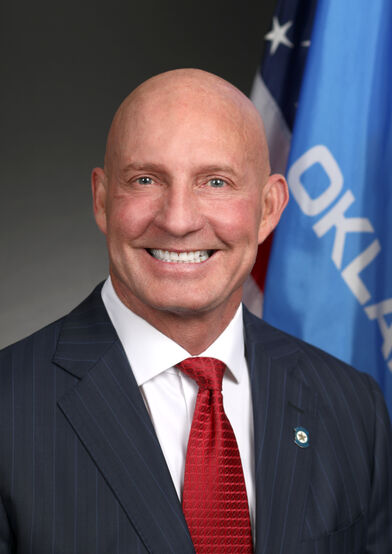
Jay Steagall
Jay Steagall House · District 43
R
Strong −
14% 14
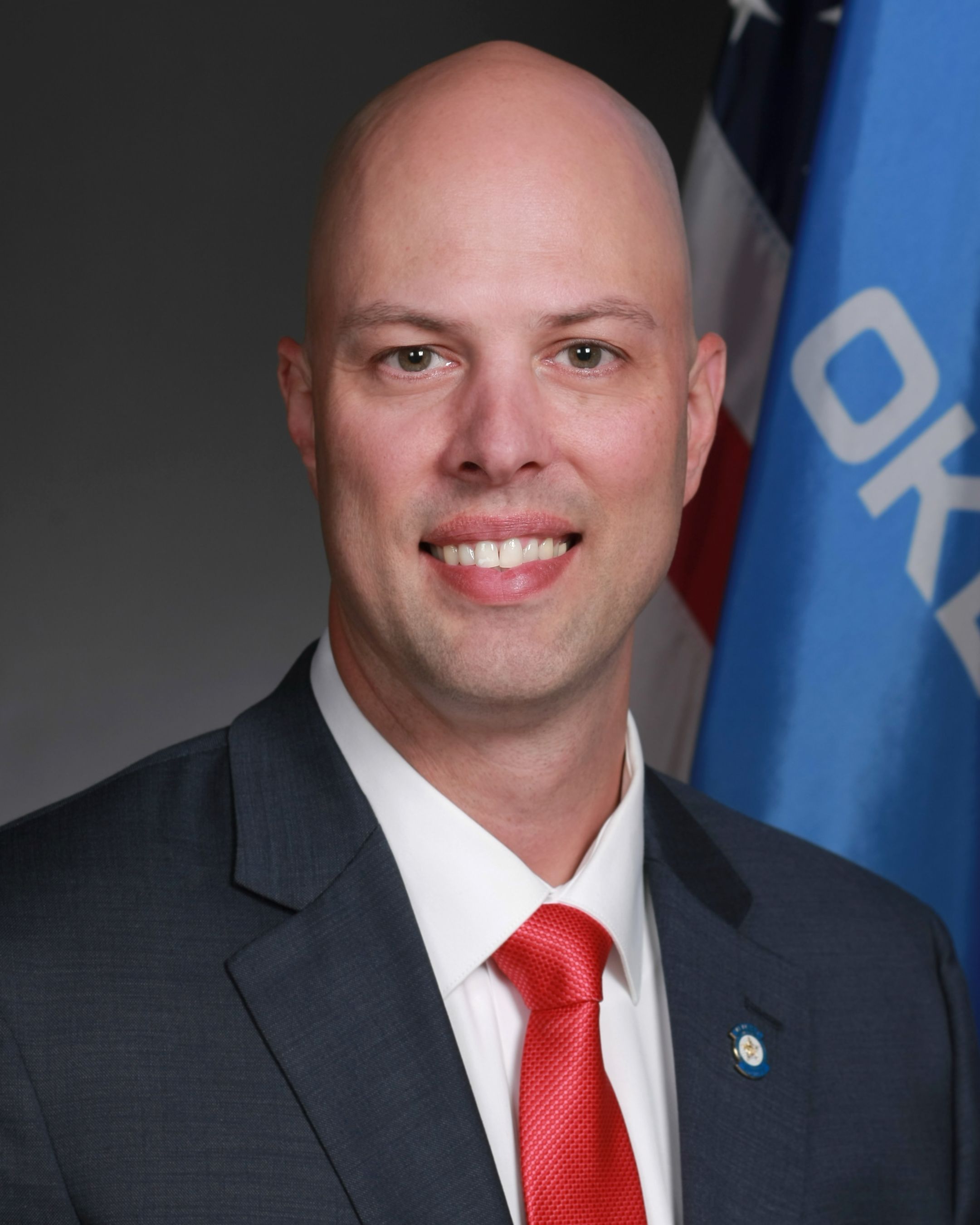
Shane Jett
Shane Jett Senate · District 17
R
Strong −
15% 27
Showing 11–20 of 58 bills

All criminal justice bills

passed · Oklahoma · House Apr 21, 2026

HB 4170: Crimes and punishments; taking of crude oil or gasoline; making certain acts unlawful; penalty; effective date.

HB 4170 amends Oklahoma law to increase penalties for stealing crude oil, gasoline, or oil/gas drilling equipment. It sets misdemeanor penalties for theft under $1,000 (up to 60 days jail or $500 fine) and Class C2 felony penalties for $1,000+ value (fines up to $50,000 or 1-10 years in prison). The bill also adds felony charges if theft causes environmental damage requiring over $2,500 in cleanup costs. It directly affects individuals stealing oil/gas infrastructure, with penalties including fines, imprisonment, and forfeiture of tools used in the crime. The law takes effect November 1, 2026.
Sub-Topics Corrections
in committee · Oklahoma · Senate Feb 3, 2026

SB 1468: Firearms; modifying elements of certain offenses. Effective date.

SB 1468 amends Oklahoma law to define and restrict specific firearms and ammunition. It defines "restricted bullets" (less than 60% lead core with fluorocarbon coating designed to penetrate body armor) and "restricted weapons" (automatic firearms or conversion devices like "Glock switches," excluding bump stocks). The bill makes it unlawful to manufacture, sell, possess, or use these items, with violations classified as Class B4 felonies punishable by up to 10 years in prison and fines up to $10,000. This law directly affects individuals or businesses involved in handling these specific firearms or ammunition, effective November 1, 2026.
Sub-Topics Corrections Firearms
in committee · Oklahoma · Senate Feb 3, 2026

SB 1604: Crimes and punishments; creating the Railroad Safety Act. Emergency.

SB 1604, the Railroad Safety Act, creates new criminal penalties for threats or violence targeting trains and railroad operations in Oklahoma. It directly affects passengers, railroad workers, and anyone near trains or stations by prohibiting seizing trains (Class B1 felony), threatening crew/passengers (Class B4 felony), or discharging firearms in stations (Class B4 felony). Key provisions include fines up to $20,000 or 20 years in prison for seizing trains with weapons, and stricter penalties for using deadly weapons during violations. The law defines "station" to include adjacent parking areas and rail zones, and declares an emergency to expedite implementation.
Sub-Topics Corrections Rail
died · Oklahoma · House Feb 4, 2026

HB 3349: Crimes and punishments; updating language; effective date.

HB 3349 updates Oklahoma's legal definitions and penalties for human trafficking. It clarifies terms like "coercion" (including passport confiscation or controlling a person's access to substances) and "human trafficking for labor or commercial sex," defining specific acts like recruiting minors for prostitution. The bill increases penalties to a Class A2 felony with mandatory 85% prison time served (not less than 5 years for adults, 15 years for minors), requires restitution to victims, and bans probation for trafficking convictions. It directly affects traffickers, victims (especially minors), and courts handling these cases, while establishing that victims' consent or lack of knowledge about a victim's age cannot be used as defenses. The law takes effect November 1, 2026.
in committee · Oklahoma · Senate Feb 3, 2026

SB 2100: Crimes and punishment; modifying elements of certain offense; specifying punishments for certain offenses. Effective date.

SB 2100 modifies Oklahoma's false reporting laws to increase penalties for malicious false reports about crimes or missing children. It makes falsely reporting a felony a felony offense (instead of a misdemeanor), and creates a new Class D3 felony for falsely triggering an AMBER alert, punishable by up to 1 year in prison or a $1,000 minimum fine. The bill directly affects individuals who make false reports to law enforcement, aiming to deter misuse of emergency systems while preserving protections for genuine reports. It takes effect November 1, 2026.
died · Oklahoma · Senate Mar 10, 2026

SB 1540: Crimes and punishments; creating felony offense related to child abuse. Effective date.

SB 1540 amends Oklahoma law to create new felony classifications for child abuse, neglect, and related offenses. It defines "child abuse" as willful or malicious harm by anyone responsible for a child's welfare, making it a Class A3 felony punishable by up to life in prison or fines up to $5,000. The bill also establishes "enabling child abuse" and "enabling child neglect" as separate Class A3 and Class B1 felonies, respectively, targeting those who facilitate harm to children. Additionally, it requires life without parole for repeat offenders convicted of first-degree rape, sodomy, or sexual abuse of a child. These provisions directly affect caregivers, parents, and institutions responsible for child safety.
signed · Oklahoma · House May 4, 2026

HB 3086: Prisons and reformatories; Corrections Act of 1967; expanding powers and duties of the State Board of Corrections; effective date.

HB 3086 requires Oklahoma's State Board of Corrections to approve the Director's authority over prisoners' discipline and work programs. It specifically creates a Construction Division within the Department of Corrections for inmate work crews and prohibits inmates in this program from forming unions, striking, or engaging in collective bargaining. The bill also mandates Board approval for the Director to appoint staff, accept funding, or establish policies governing prison operations. These changes primarily affect prisoners working in the Construction Division and correctional staff managing prison programs.
in committee · Oklahoma · House Feb 3, 2026

HB 3203: Crimes and punishments; making certain acts unlawful; effective date.

HB 3203 amends Oklahoma's assault and battery laws to specifically address medical treatment without consent. It defines "aggravated assault and battery" in Section 646 when medical professionals administer treatment causing injury or distress without informed consent, fail to explain risks, or ignore a patient's refusal. Violating these medical consent provisions becomes a Class B5 felony under Section 647, carrying up to four years in prison or a $5,000 fine - stricter than standard aggravated assault penalties. The bill directly affects healthcare providers performing treatments and patients who experience unauthorized medical interventions. It clarifies "informed consent" as a process requiring clear information about treatment risks and benefits.
passed · Oklahoma · House Apr 1, 2026

HB 3584: Human trafficking; modifying elements of crime to include certain victims; emergency.

HB 3584 modifies Oklahoma's sentencing rules for human trafficking convictions. It requires individuals convicted of human trafficking (as defined in Section 748) to serve at least 85% of their prison sentence before becoming eligible for parole, with no earned credits allowed to reduce this time. The bill expands the definition of "human trafficking" to explicitly include child sex trafficking and trafficking involving minors, while defining key terms like "coercion" and "commercial sex." This policy directly affects convicted traffickers, particularly those involved in cases exploiting children or forcing commercial sex acts.
signed · Oklahoma · Senate May 12, 2025

SB 861: Crimes and punishments; gang-related offenses; modifying reference to certain offense. Effective date.

SB 861 amends Oklahoma law to clarify that individuals committing gang-related offenses - such as those listed in Section 856 of Title 21 - as a condition of gang membership or while associated with a gang face a mandatory 5-year prison term added to any other penalties. It updates statutory references to align with existing definitions of "criminal street gang" and "gang-related offense" from Section 856. The bill, effective November 1, 2025, directly affects criminal street gang members who commit specified offenses, reinforcing penalties for gang-associated criminal activity. It makes no new policy changes but corrects outdated references in current law.
Sub-Topics Corrections
Showing 11 to 20 of 58 bills
Previous 1 2 3 6 Next