Issue · Criminal Justice

Criminal Justice

Every criminal justice bill, vote, and legislator stance in Oklahoma, automatically classified by Maddy, our AI policy reader.

Total bills
139
2026 Regular Session
Top supporter
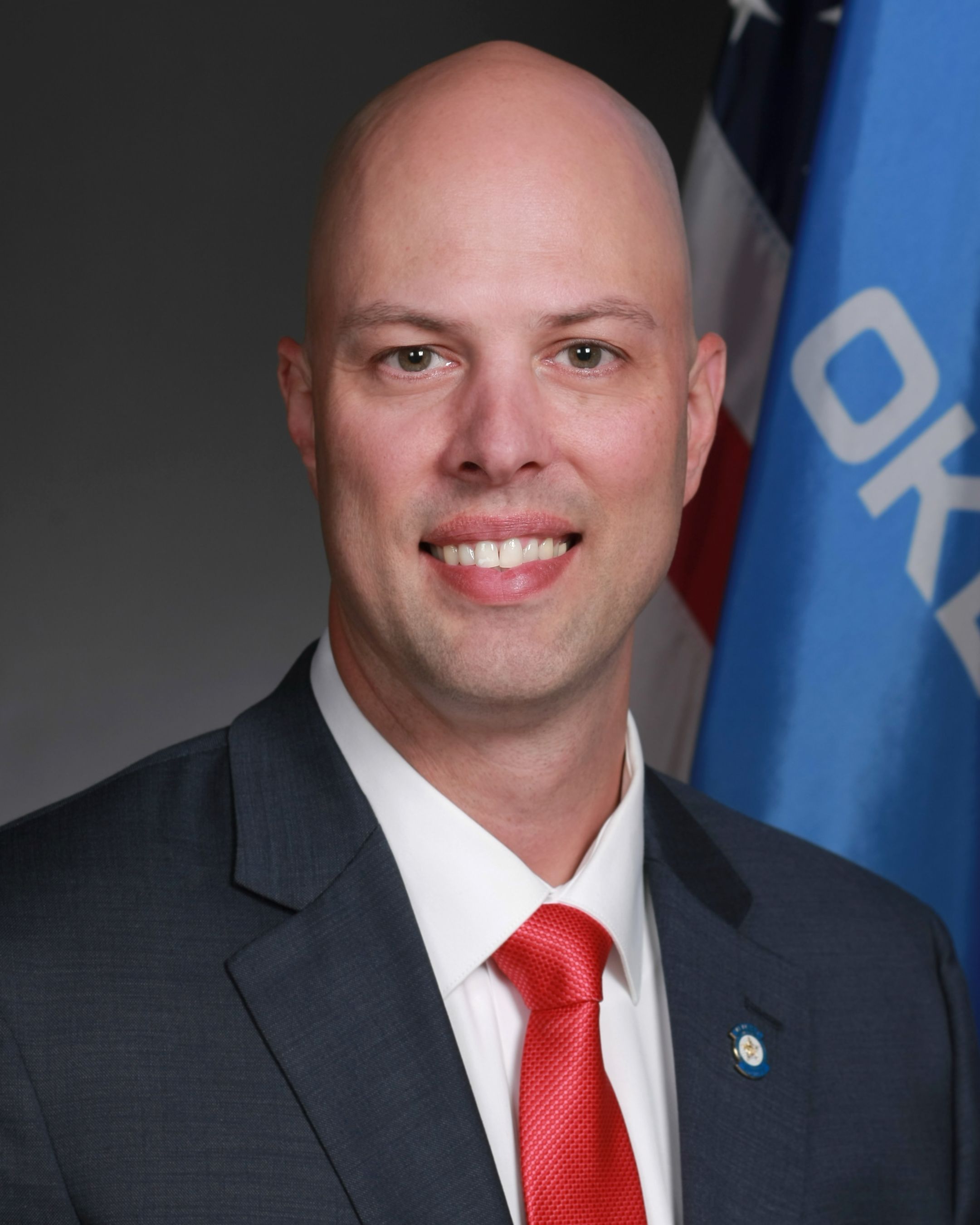
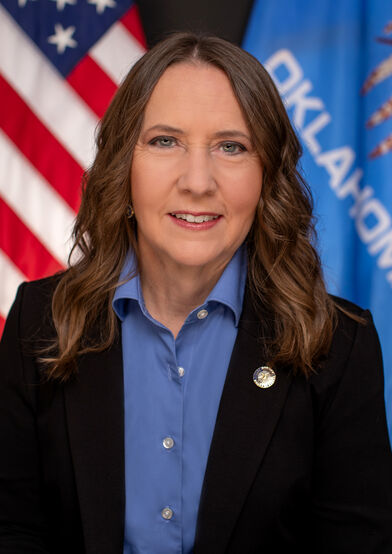
Aletia Timmons
76% support rate
Top opponent
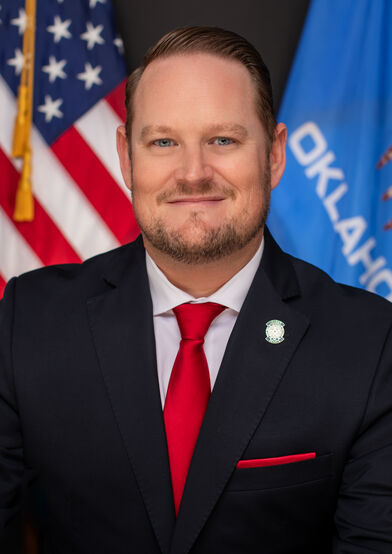
Brian Guthrie
24% support rate
Ranked legislators
10
5 support · 5 oppose
Key legislators

Who's moving criminal justice in Oklahoma

Legislators moving criminal justice in Oklahoma
Legislator Party Stance Support rate Votes
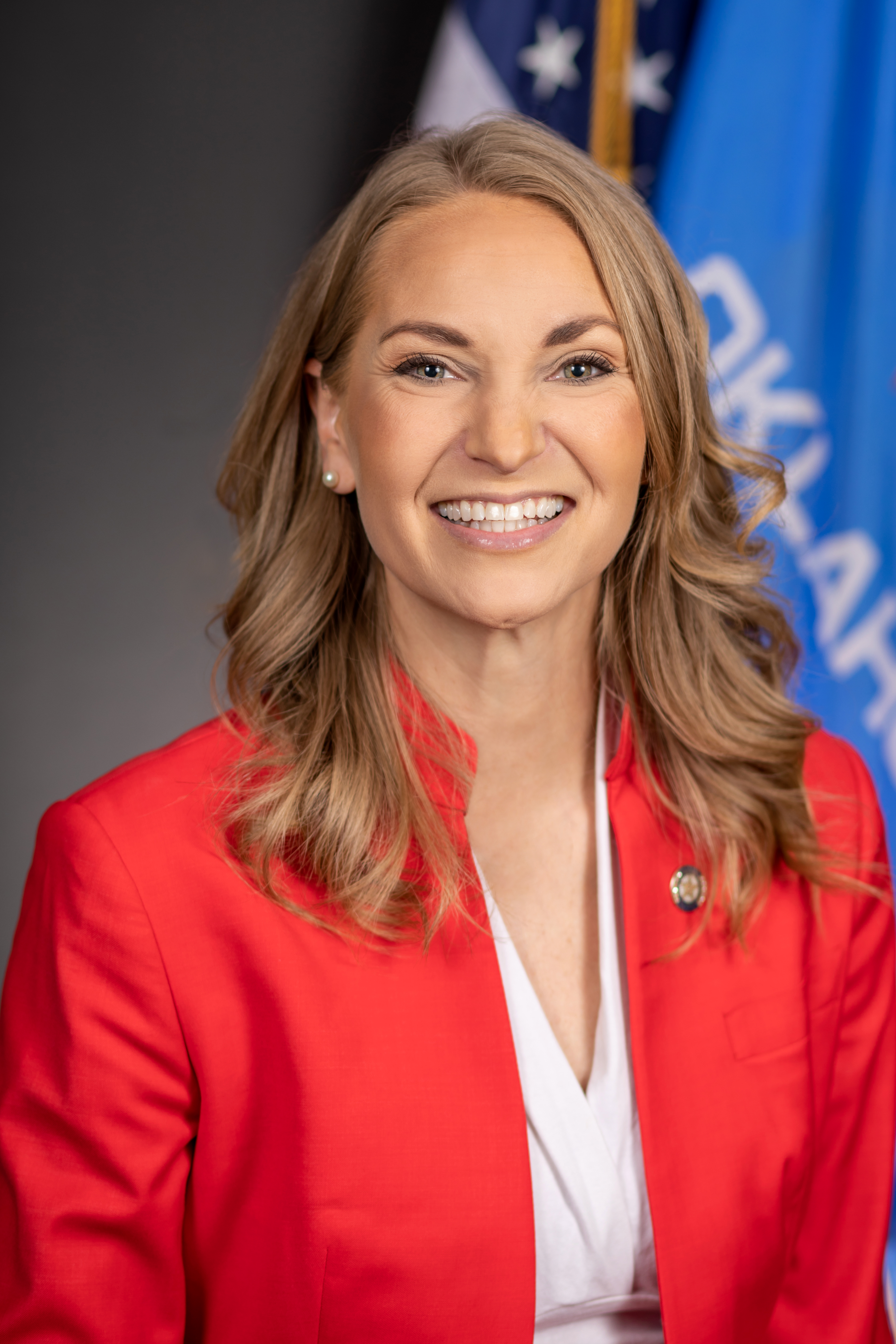
Aletia Timmons
Aletia Timmons House · District 97
D
Support
76% 91
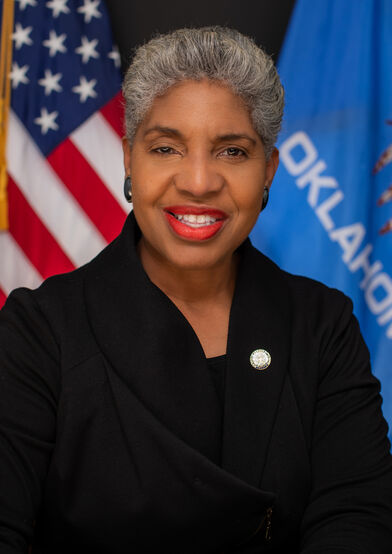
Regina Goodwin
Regina Goodwin Senate · District 11
D
Support
73% 225
Michael Brooks
Michael Brooks Senate · District 44
D
Support
72% 274
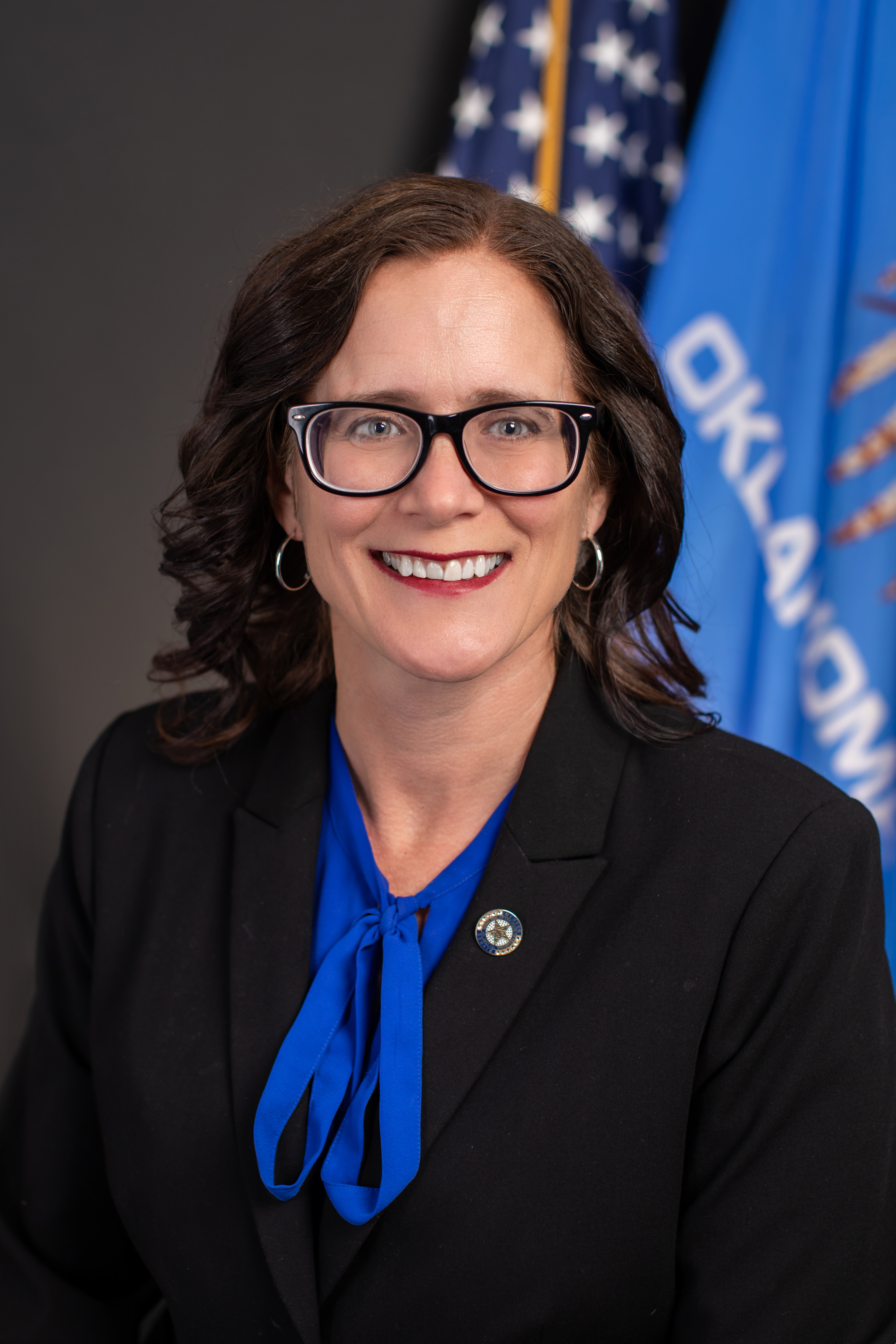
Carri Hicks
Carri Hicks Senate · District 40
D
Support
71% 184
Julia Kirt
Julia Kirt Senate · District 30
D
Support
70% 174
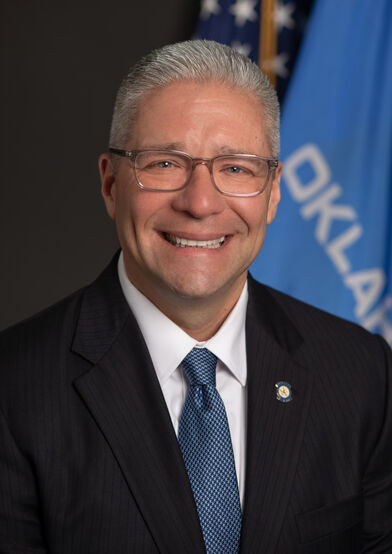
Brian Guthrie
Brian Guthrie Senate · District 25
R
Oppose
24% 158
Lisa Standridge
Lisa Standridge Senate · District 15
R
Oppose
26% 220
Jay Steagall
Jay Steagall House · District 43
R
Oppose
27% 149
Julie McIntosh
Julie McIntosh Senate · District 3
R
Oppose
28% 164
Dusty Deevers
Dusty Deevers Senate · District 32
R
Oppose
28% 156
Showing 11–20 of 139 bills

All criminal justice bills

in committee · Oklahoma · Senate Feb 3, 2026

SB 1417: Child abuse; modifying scope of certain offenses and penalties. Effective date.

SB 1417 expands Oklahoma's most serious criminal category (Class A1) to include specific child abuse offenses, such as sexual abuse of children under 12, repeat sexual abuse offenses, and child exploitation. It modifies penalties for child abuse, neglect, exploitation, and sexual abuse, clarifying sentencing ranges and increasing maximum penalties for certain crimes (e.g., extending some sentences to life imprisonment). The bill replaces outdated legal references, adds an affirmative defense for some cases, and updates statutory language to align with current law. It directly affects individuals convicted of these specific child abuse crimes in Oklahoma.
Sub-Topics Sentencing
in committee · Oklahoma · Senate Feb 3, 2026

SB 1911: Youthful Offender Act; prohibiting certification as a youthful offender for persons charged with certain sex offenses. Effective date. Emergency.

SB 1911 amends Oklahoma's Youthful Offender Act to prohibit certification as a youthful offender for minors (ages 15-17) charged with specific sex offenses, including rape by instrumentation, forcible sodomy, and lewd acts involving children under 16. This change means individuals facing these charges will be held accountable as adults from the outset, rather than having the option to be treated as youthful offenders. The bill directly affects minors charged with the listed offenses by removing their eligibility for youthful offender status under Oklahoma law. It updates existing statutory language to clarify that these cases will proceed under adult criminal procedures. The bill became effective immediately upon enactment.
Sub-Topics Juvenile Justice
signed · Oklahoma · House May 12, 2026

HB 4104: Crimes and punishment; Class B5 offenses; adding offenses; loitering; felony offenses; Sex Offenders Registration Act; adding offenses for registration; effective date.

HB 4104 expands Oklahoma's sex offender registration requirements by adding 38 new offenses to the list that trigger mandatory registration. It amends Oklahoma Statutes to require registration for convictions involving second or subsequent domestic violence offenses, stalking, certain animal cruelty, specific violations of the Sex Offenders Registration Act (like failing to register), and other specified crimes. This affects individuals convicted of any of these newly designated offenses, including repeat domestic abuse, stalking, or offenses related to non-compliance with registration rules. The bill takes effect January 1, 2026, and does not address loitering as implied by its title.
Sub-Topics Domestic Violence
in committee · Oklahoma · Senate Feb 3, 2026

SB 2181: Child stealing; prohibiting child stealing and creating a felony offense. Effective date.

SB 2181 creates a new felony offense for knowingly removing, enticing, or withholding a child under 18 to interfere with lawful custody, affecting parents, guardians, or custodians. It classifies the primary offense as a felony punishable by up to five years in prison, while enticing a child to leave lawful custody (first two violations) becomes a misdemeanor with a $500 fine. Repeat offenses or taking a child out of state escalate to felony charges, and the bill establishes graduated civil fines starting at $500 for the first violation, doubling for each subsequent offense. The law repeals Oklahoma’s existing child-stealing statute (21 O.S. § 891) and takes effect November 1, 2026.
Sub-Topics Corrections
in committee · Oklahoma · Senate Feb 3, 2026

SB 2009: Assisted reproduction services; making certain acts unlawful; mandating reporting of fertility fraud; providing penalties; granting certain protections. Effective date.

SB 2009, the "Protecting Patients Act of 2026," makes fertility fraud a felony punishable by up to 20 years in prison. It defines fertility fraud as knowingly misrepresenting reproductive materials or using donor materials without consent, directly affecting fertility clinics, healthcare providers, and patients undergoing assisted reproduction (like IVF or egg donation). Key provisions require facilities to report suspected fraud to law enforcement, protect whistleblowers from retaliation, mandate permanent license revocation for healthcare providers convicted of fraud, and require sex offender registration for offenders (excluding life sentences). The bill also extends the statute of limitations for DNA-identified cases by 10 years and mandates confidentiality for victims and reporters. It becomes effective November 1, 2026.
in committee · Oklahoma · Senate Feb 3, 2026

SJR 34: Constitutional amendment; prohibiting certain acts related to abortion; imposing certain duty on health care providers; granting certain immunities.

SJR 34 is a proposed constitutional amendment that would prohibit most abortions in Oklahoma by defining "abortion" as intentionally terminating an unborn person's life from conception. It requires healthcare providers to attempt live births when a medical condition threatens the mother's life, making every reasonable effort to preserve both lives. Violating this prohibition would be classified as first-degree murder, and the amendment grants criminal immunity to providers who meet the reasonable effort standard, while allowing civil lawsuits with $10,000+ per violation and attorney fees. The amendment explicitly excludes contraceptive use before pregnancy detection and permits medical procedures for live birth, ectopic pregnancy care, or miscarriage management.
Sub-Topics Women's Health
in committee · Oklahoma · Senate Feb 3, 2026

SB 1542: Stalking; authorizing use of certain monitoring device. Effective date.

SB 1542 amends Oklahoma's stalking laws to define stalking as a Class B6 felony when someone willfully, maliciously, and repeatedly follows or harasses another person, causing both a reasonable person and the victim to feel frightened or threatened. It increases penalties for repeat offenses (up to 12 years for third violations) and elevates stalking to a Class B5 felony (up to 15 years) if the perpetrator violates a restraining order, is on probation for violence, or has prior stalking convictions involving violence. The bill directly affects individuals convicted of stalking and their victims, with penalties varying based on prior offenses and protective orders. It replaces existing stalking provisions in Oklahoma Statutes Section 1173 without adding monitoring device provisions as suggested by the bill title.
signed · Oklahoma · House May 6, 2026

HB 3695: Motor vehicles; personal injury accidents; modifying scope of certain defined term; effective date.

HB 3695 amends Oklahoma's definition of "great bodily injury" in motor vehicle laws to explicitly include bone fractures, disfigurement, loss of body function, or serious risk of death. It increases penalties for drivers causing such injuries while violating traffic laws: first offenses become misdemeanors (90 days-1 year jail, up to $2,500 fine), and repeat offenses or causing "great bodily injury" become Class B1 felonies (4-20 years prison, up to $5,000 fine). The bill directly affects drivers convicted of traffic violations resulting in severe injuries. It takes effect November 1, 2026.
Sub-Topics Corrections
in committee · Oklahoma · Senate Feb 3, 2026

SB 1711: Oklahoma State Bureau of Investigation; prohibiting certain evidence collection. Effective date.

SB 1711 prohibits the Oklahoma State Bureau of Investigation (OSBI) from collecting fingerprints from firearms unless there is reasonable suspicion the firearm was used in a crime. This law directly affects the OSBI’s evidence collection practices and applies to all firearm-related investigations handled by the agency. The key provision requires officers to have reasonable suspicion before taking fingerprints, replacing previous broader authority. The bill becomes effective November 1, 2026, and would be codified under Oklahoma Statutes Title 74, Section 151.5.
Sub-Topics Firearms
in committee · Oklahoma · Senate Feb 3, 2026

SB 1445: Flooded highways; modifying provisions of certain offense that results in death. Effective date.

SB 1445 amends Oklahoma law to strengthen penalties for drivers who ignore barricades on flooded highways or construction zones. It makes it unlawful to drive through closed areas, with stricter penalties if a death occurs: causing the death of a minor becomes a felony manslaughter charge (Class A2), while causing the death of an adult becomes a lesser felony (Class B5). The bill directly affects drivers who disregard traffic-control devices during flood closures, imposing fines, jail time, and restitution for property damage or injury. Key provisions include requiring drivers to merge safely in construction zones and prohibiting tampering with traffic devices. The law takes effect November 1, 2026.
Showing 11 to 20 of 139 bills