Issue · Criminal Justice

Criminal Justice

Every criminal justice bill, vote, and legislator stance in Oklahoma, automatically classified by Maddy, our AI policy reader.

Total bills
448
2026 Regular Session
Top supporter
Aletia Timmons
76% support rate
Top opponent
Brian Guthrie
24% support rate
Ranked legislators
10
5 support · 5 oppose
Key legislators

Who's moving criminal justice in Oklahoma

Legislators moving criminal justice in Oklahoma
Legislator Party Stance Support rate Votes
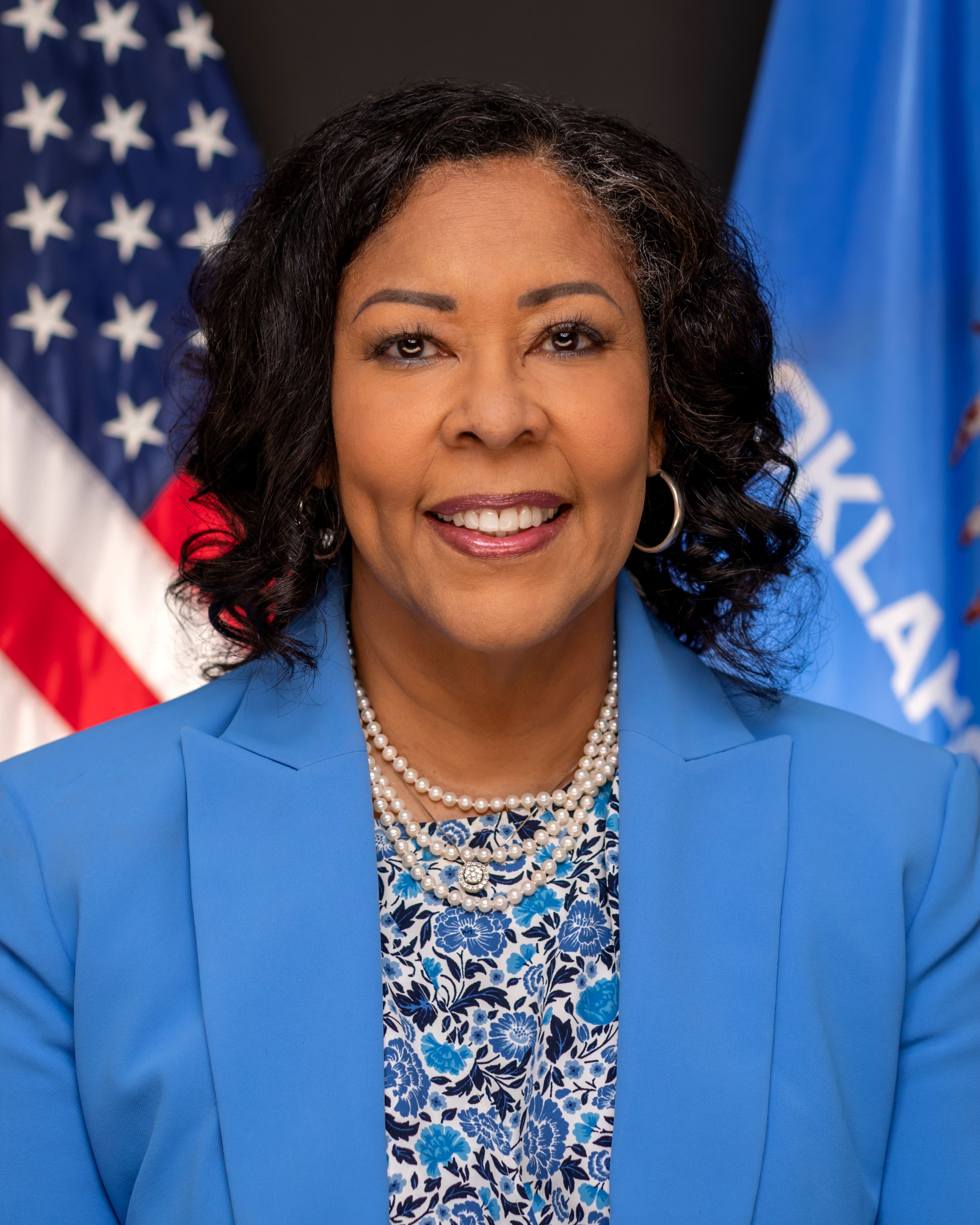
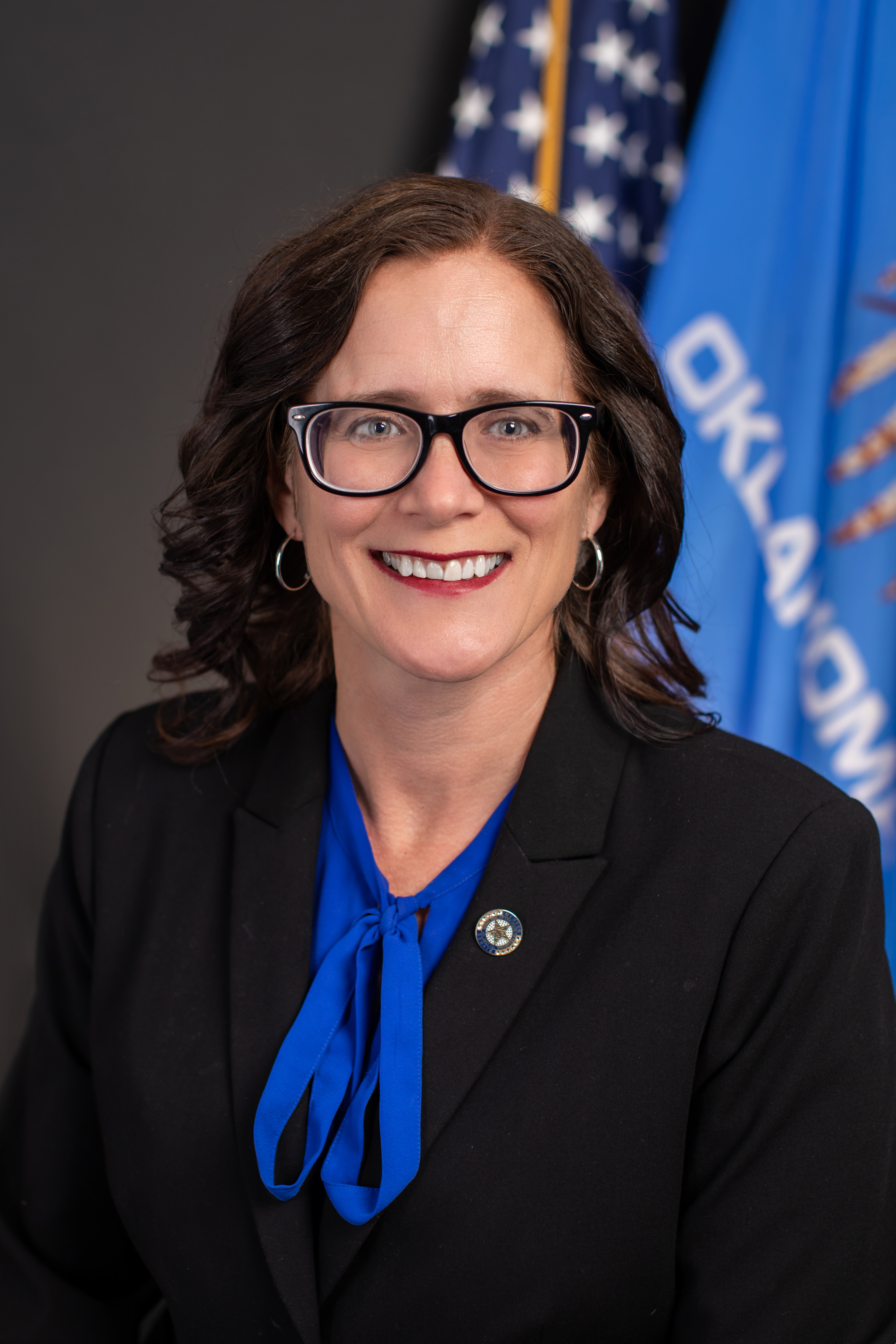
Aletia Timmons
Aletia Timmons House · District 97
D
Support
76% 91
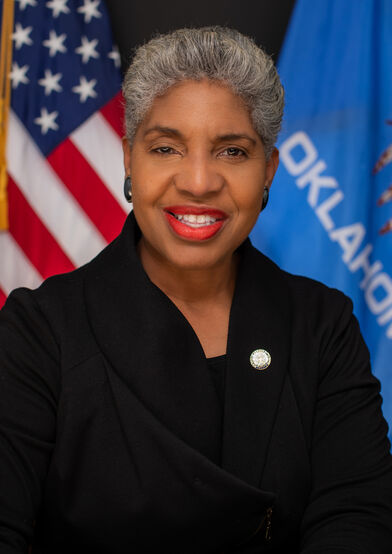
Regina Goodwin
Regina Goodwin Senate · District 11
D
Support
73% 225
Michael Brooks
Michael Brooks Senate · District 44
D
Support
72% 274
Carri Hicks
Carri Hicks Senate · District 40
D
Support
71% 184
Julia Kirt
Julia Kirt Senate · District 30
D
Support
70% 174
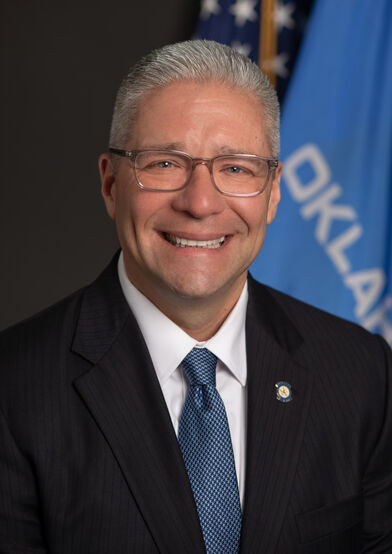
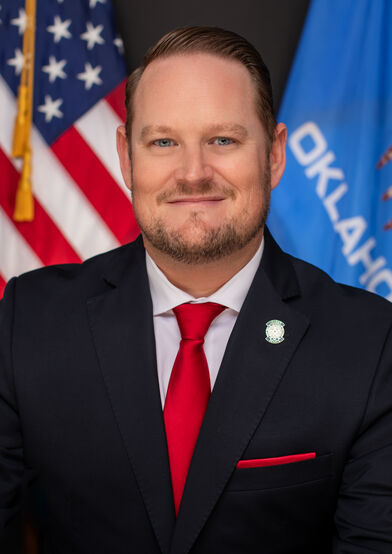
Brian Guthrie
Brian Guthrie Senate · District 25
R
Oppose
24% 158
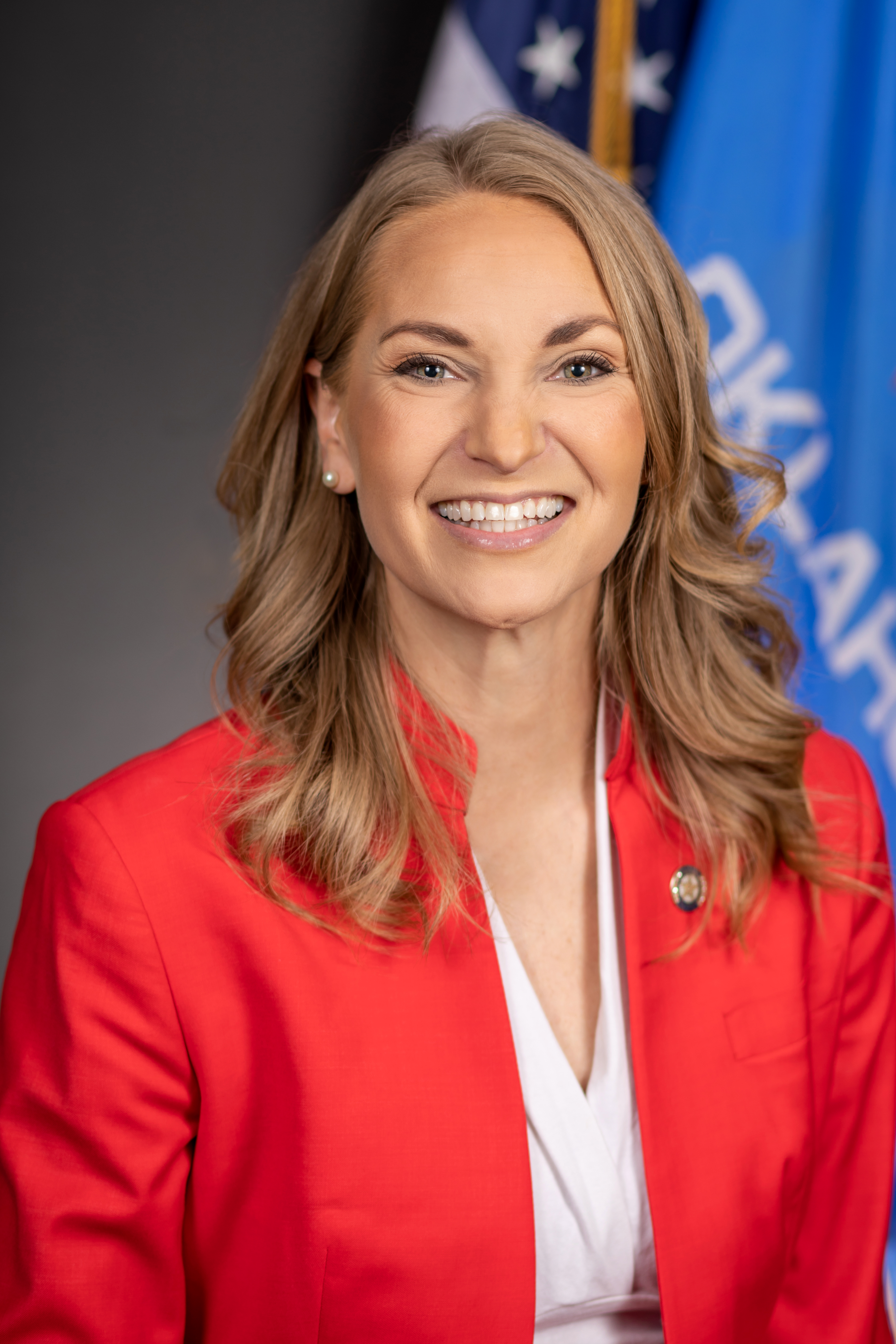
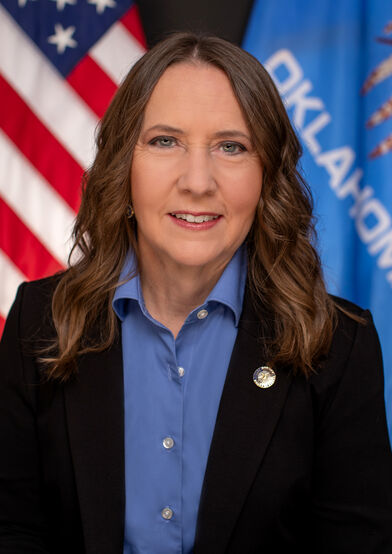
Lisa Standridge
Lisa Standridge Senate · District 15
R
Oppose
26% 220
Jay Steagall
Jay Steagall House · District 43
R
Oppose
27% 149
Julie McIntosh
Julie McIntosh Senate · District 3
R
Oppose
28% 164
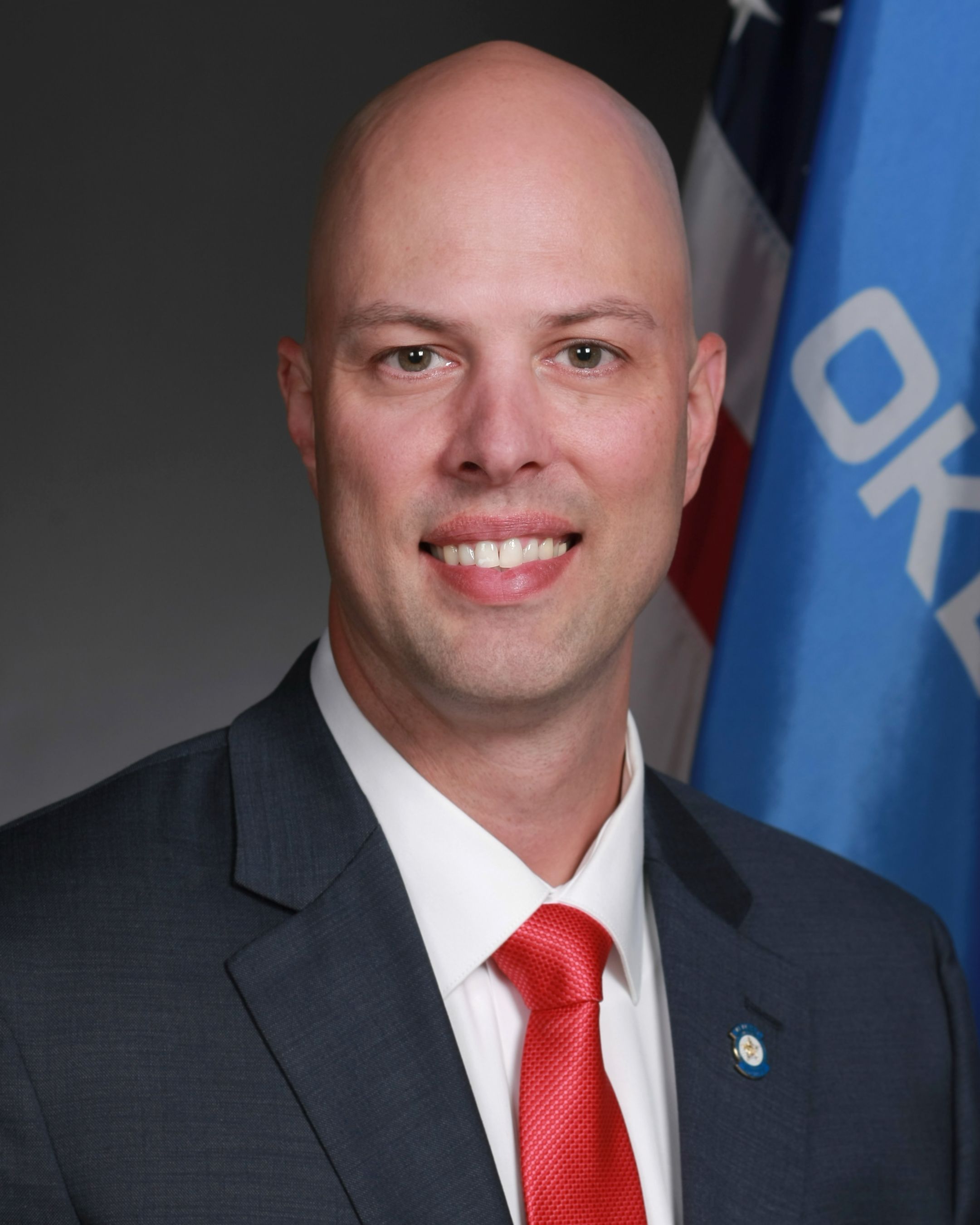
Dusty Deevers
Dusty Deevers Senate · District 32
R
Oppose
28% 156
Showing 131–140 of 448 bills

All criminal justice bills

in committee · Oklahoma · Senate Feb 3, 2026

SB 2034: Expungement of records; providing automatic expungement for certain misdemeanor convictions. Effective date.

SB 2034 automatically seals criminal records for Oklahomans convicted of specific nonviolent misdemeanors after meeting waiting periods. It applies to cases like misdemeanor convictions with fines under $501 (after payment) or dismissed charges following successful completion of deferred sentences. Eligible individuals no longer need to file court petitions; their records are sealed automatically 5-10 years after conviction or dismissal, depending on the offense. This applies only to nonviolent offenses and excludes cases with pending charges or violent crimes.
Sub-Topics Courts
in committee · Oklahoma · Senate Feb 3, 2026

SB 2097: Oklahoma Juvenile Code; modifying definitions. Effective date.

SB 2097 amends specific definitions within Oklahoma's Juvenile Code (10A O.S. 2021, Section 2-1-103) to clarify terminology used in juvenile justice proceedings. It defines key terms like "behavioral health" (including mental health and substance abuse treatment), "community-based" services (near-home programs for prevention/diversion), and "core community-based" services (specific counseling, case management, and rehabilitative treatments). The bill directly affects juveniles, families, and juvenile justice professionals by standardizing how services and legal terms are applied in court and treatment settings. This definition update aims to improve consistency in implementing existing juvenile justice programs and reporting.
in committee · Oklahoma · House Feb 3, 2026

HB 3350: Crimes and punishments; updating language; effective date.

HB 3350 updates the language in Oklahoma's murder sentencing statute (21 O.S. § 701.11) without changing legal standards. It clarifies that juries must unanimously identify specific aggravating circumstances beyond a reasonable doubt when recommending the death penalty, and specifies that the death penalty cannot be imposed if no aggravating circumstances are found or if mitigating circumstances outweigh them. The bill directly affects murder sentencing procedures in Oklahoma courts, requiring clearer written jury instructions. It is purely a linguistic update to existing law, with no substantive policy changes, and takes effect November 1, 2026.
Sub-Topics Sentencing
died · Oklahoma · House Feb 4, 2026

HB 3349: Crimes and punishments; updating language; effective date.

HB 3349 updates Oklahoma's legal definitions and penalties for human trafficking. It clarifies terms like "coercion" (including passport confiscation or controlling a person's access to substances) and "human trafficking for labor or commercial sex," defining specific acts like recruiting minors for prostitution. The bill increases penalties to a Class A2 felony with mandatory 85% prison time served (not less than 5 years for adults, 15 years for minors), requires restitution to victims, and bans probation for trafficking convictions. It directly affects traffickers, victims (especially minors), and courts handling these cases, while establishing that victims' consent or lack of knowledge about a victim's age cannot be used as defenses. The law takes effect November 1, 2026.
passed · Oklahoma · House Apr 23, 2026

HB 3345: Inmate assessment and evaluations; providing risk, mental health and substance abuse screenings for arrested persons; effective date.

HB 3345 requires mandatory mental health, substance abuse, and risk screenings for individuals arrested on felony charges in Oklahoma after their initial court appearance. These screenings, conducted by certified professionals from the Department of Mental Health, must be shared with courts, prosecutors, defendants, and their attorneys. Results cannot be used as evidence in criminal trials unless the defendant waives this right, but may inform sentencing or diversion options. The law takes effect November 1, 2026.
vetoed · Oklahoma · House May 14, 2026

HB 4342: Civil procedure; admissibility; evidence; disclosure; term; effective date.

This bill allows evidence of past domestic violence or abuse to be admitted in criminal trials for current domestic violence charges. Prosecutors must disclose such evidence to defendants at least 15 days before trial, including witness statements or summaries of expected testimony. It defines "domestic violence or abuse" broadly to include psychological, physical, sexual, economic, or emotional acts within qualifying relationships. The law applies specifically to criminal cases involving domestic violence in Oklahoma, effective November 1, 2026.
in committee · Oklahoma · Senate Feb 3, 2026

SB 1666: Torts; stating liability of peace officers for injuries related to the deprivation of certain rights. Effective date.

SB 1666 holds peace officers (state or local law enforcement) personally liable when they, under color of law, deprive individuals of rights protected by Oklahoma's Bill of Rights (Article II), including through inaction. It removes qualified immunity as a defense, prohibits statutory immunity for such claims, and requires courts to award reasonable attorney fees to successful plaintiffs. Employers must indemnify officers for liability arising under this law, unless the officer acted without good faith or was convicted of a related crime, in which case the officer bears limited personal responsibility. The law directly affects peace officers, their employers, and individuals seeking redress for rights violations by law enforcement.
Sub-Topics Law Enforcement
signed · Oklahoma · House May 12, 2026

HB 3970: Court reporters; duties and salaries; remote availability; transcripts; certifications; continuing education; shorthand reporter examinations; methods; effective date; emergency.

HB 3970 updates Oklahoma's court reporting rules by allowing electronic recording of proceedings when a court reporter is unavailable, while requiring official transcripts prepared by certified reporters for appeals. It increases base salaries for court reporters to $53,000 annually, adds a $3,000 equipment allowance, and establishes longevity pay of up to $8,000 per year for certified reporters with 20+ years of service. The bill also sets specific formatting standards for transcripts (e.g., page margins, line spacing) and clarifies that only transcripts from official court reporters can be used in future trials or appeals. These changes directly affect court reporters, judges, and legal parties across Oklahoma's district courts, Workers' Compensation Court, and Corporation Commission.
Sub-Topics Courts
in committee · Oklahoma · Senate Feb 3, 2026

SB 1607: Sentencing of juveniles; prohibiting imposition of certain terms of imprisonment for certain persons. Effective date.

SB 1607 prohibits sentencing juveniles (persons under 18 at the time of the offense) who are certified as adults for certain crimes to life imprisonment without parole or mandatory minimum sentences exceeding 20 years. The bill amends Oklahoma statutes (10A O.S. § 2-5-204 and 22 O.S. § 985.1) to establish these specific sentencing limits for juveniles tried as adults. It directly affects youth convicted of crimes after being certified to stand trial as adults under Oklahoma’s juvenile justice system. The law aims to limit severe prison terms for young offenders while maintaining adult criminal proceedings for those certified as adults.
died · Oklahoma · House Feb 6, 2026

HB 3351: Pardon and Parole Board; increasing compensation for members of the Board; and providing an effective date.

HB 3351 increases annual compensation for Oklahoma's Pardon and Parole Board members and establishes attendance requirements tied to pay. The bill sets the Board Chair's annual pay at $24,800 (split into $400 for meeting prep and $1,667 for monthly meetings) and members' pay at $22,800 (split into $400 prep and $1,500 per meeting). Members who miss meetings without justification lose their monthly compensation, and missing two or more meetings may lead to removal proceedings. This directly affects the Board members, who are appointed to review parole and pardon cases.
Sub-Topics Probation & Parole
Showing 131 to 140 of 448 bills
Previous 1 13 14 15 45 Next