Issue · Criminal Justice

Criminal Justice (Corrections)

Every criminal justice bill, vote, and legislator stance in Oklahoma, automatically classified by Maddy, our AI policy reader.

Total bills
124
2026 Regular Session
Top supporter
John Waldron
89% support rate
Top opponent
Lisa Standridge
12% support rate
Ranked legislators
10
5 support · 5 oppose
Key legislators

Who's moving corrections in Oklahoma

Legislators moving corrections in Oklahoma
Legislator Party Stance Support rate Votes
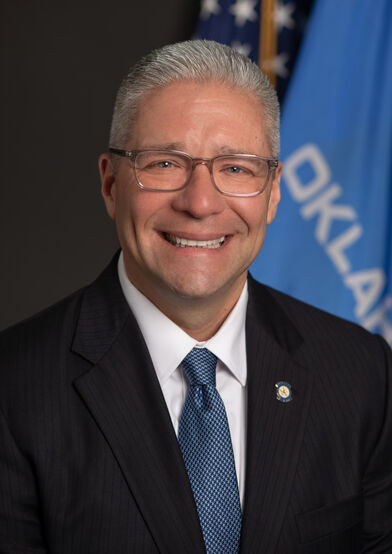
John Waldron
John Waldron House · District 77
D
Strong +
89% 19
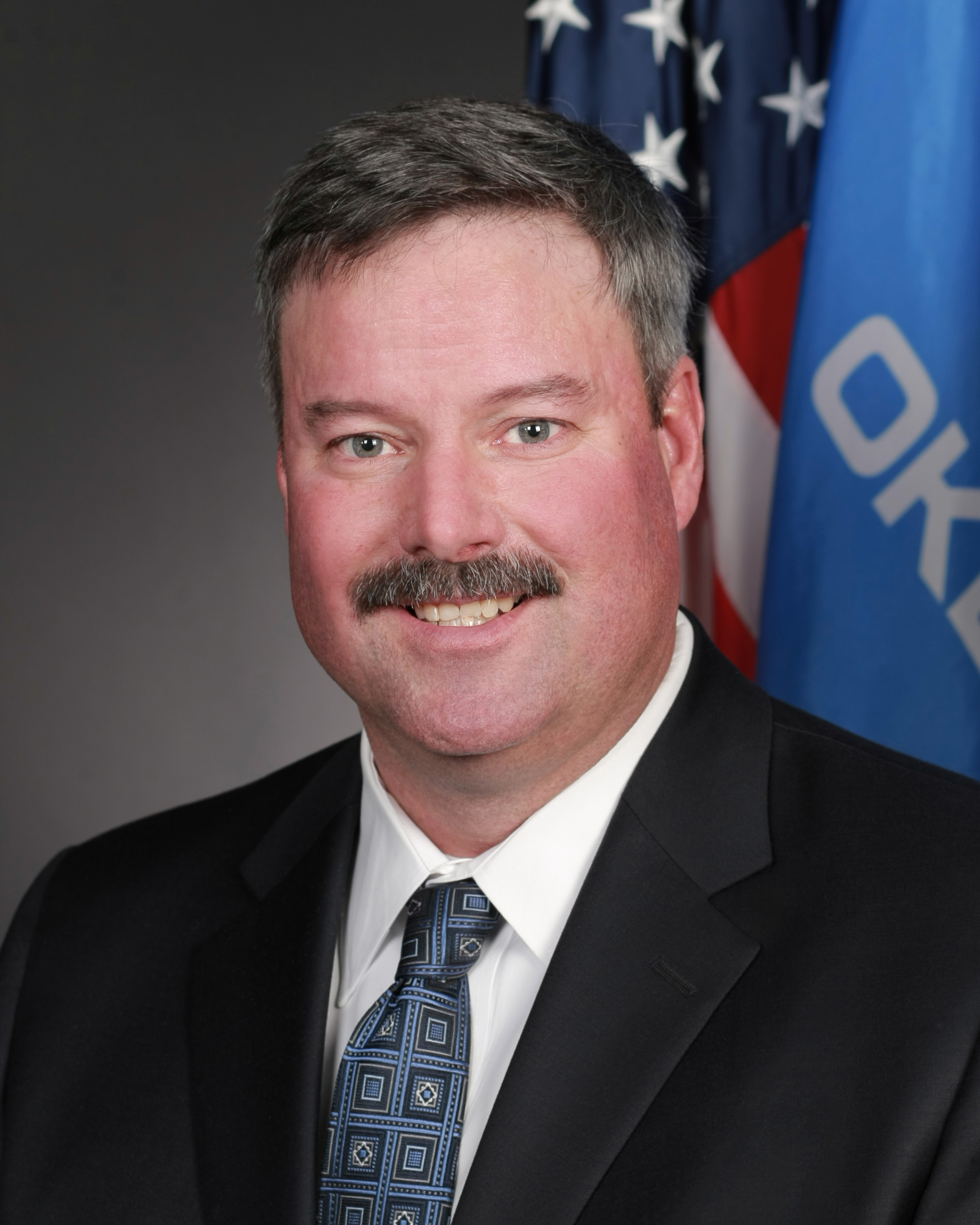
Michael Brooks
Michael Brooks Senate · District 44
D
Strong +
88% 51
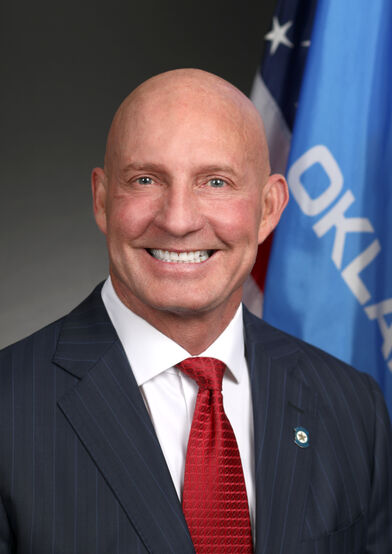
Regina Goodwin
Regina Goodwin Senate · District 11
D
Strong +
87% 45
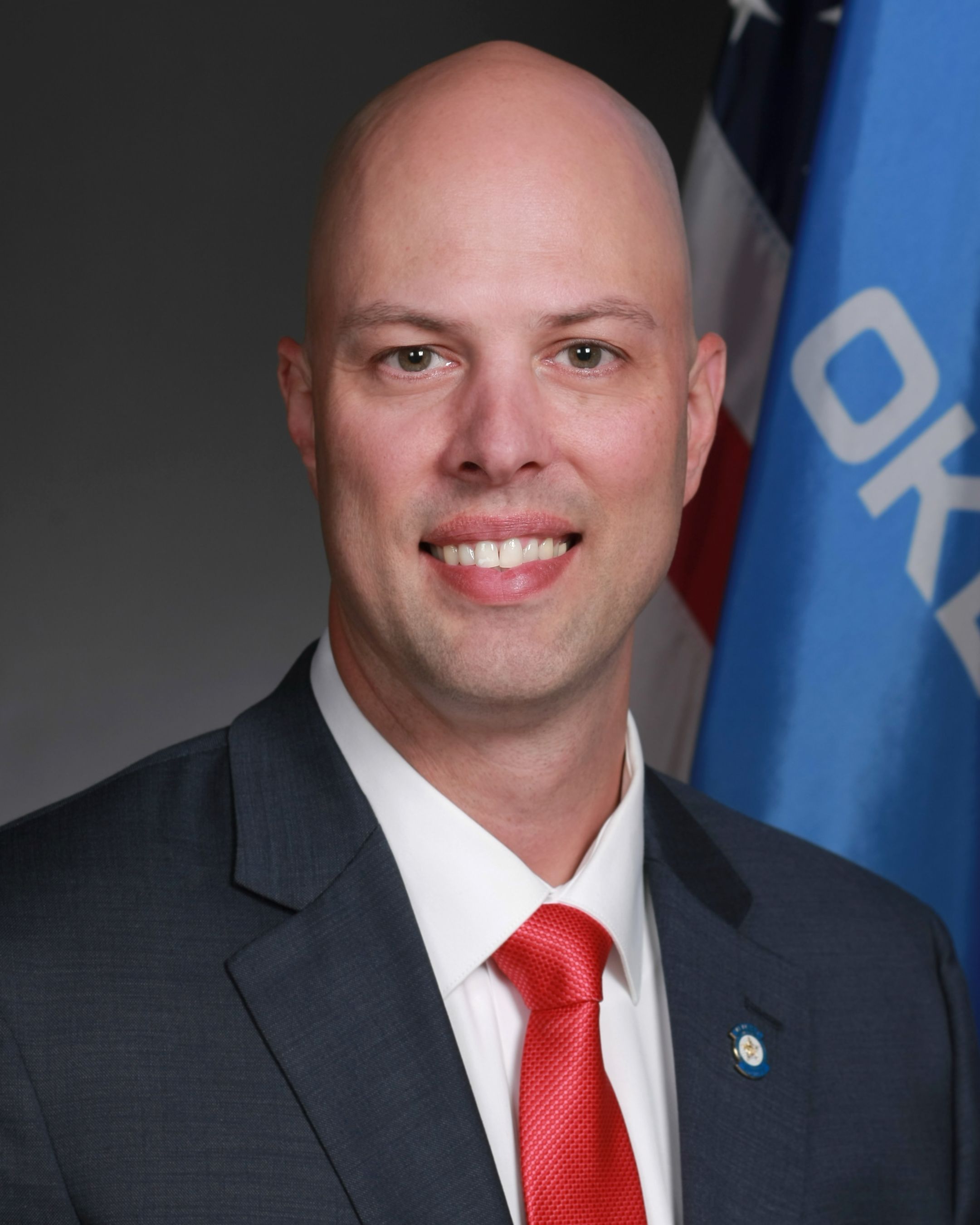
Michelle McCane
Michelle McCane House · District 72
D
Strong +
86% 22
Nikki Nice
Nikki Nice Senate · District 48
D
Strong +
85% 27
Lisa Standridge
Lisa Standridge Senate · District 15
R
Strong −
12% 32
Casey Murdock
Casey Murdock Senate · District 27
R
Strong −
14% 43
Darrell Weaver
Darrell Weaver Senate · District 24
R
Strong −
14% 43
Jay Steagall
Jay Steagall House · District 43
R
Strong −
14% 14
Shane Jett
Shane Jett Senate · District 17
R
Strong −
15% 27
Showing 101–110 of 124 bills

All criminal justice bills

in committee · Oklahoma · House Feb 5, 2025

HB 1240: Prisons and reformatories; granting elected state officials the right to access facilities operated by the Department of Corrections without prior notification; codification; effective date.

HB 1240 (Oklahoma) removes the requirement for elected state officials (such as legislators) to sign nondisclosure agreements before visiting Department of Corrections facilities. The bill amends Oklahoma law to ensure these officials can freely report or comment on facility conditions without prior notification or confidentiality restrictions. It directly affects state legislators and other elected officials who conduct facility inspections. The change takes effect November 1, 2025.
Sub-Topics Corrections
in committee · Oklahoma · House Feb 4, 2025

HB 1331: Crimes and punishments; critical infrastructure; prohibited acts; effective date.

HB 1331 increases penalties for trespassing on or damaging critical infrastructure facilities in Oklahoma. Simple trespass becomes a misdemeanor (up to $1,000 fine or 6 months jail), while damaging facilities or intending to disrupt operations becomes a felony (up to $100,000 fine or 10 years imprisonment). The law broadly defines "critical infrastructure" to include power plants, water treatment centers, cell towers, pipelines, and other essential facilities requiring physical barriers or clear "no trespassing" signs. Organizations conspiring with offenders face fines ten times the standard penalty for the underlying violation.
Sub-Topics Corrections
in committee · Oklahoma · House Feb 4, 2025

HB 2923: Prisoner reentry; creating the Oklahoma Prisoner Reentry Pilot Program; stating purpose of pilot program; codification; effective date.

HB 2923 creates the Oklahoma Prisoner Reentry Pilot Program to support inmates transitioning from prison to community life. It directly affects inmates under the Department of Corrections' jurisdiction who have a medium or high risk of felony re-arrest, focusing on those in counties with over 500,000 residents. The bill requires the Department to provide case management services connecting participants to 14 specific support areas, including housing, job training, healthcare, substance abuse treatment, and transitional services like transportation. The program must be evaluated annually to assess recidivism reduction, with results reported to the Legislature and Governor, and becomes effective November 1, 2025.
in committee · Oklahoma · Senate Feb 4, 2025

SB 156: Crimes and punishments; modifying punishments for false reporting. Effective date.

SB 156 modifies Oklahoma's false reporting laws to adjust penalties based on the severity of the crime falsely reported. It classifies making a false report about a misdemeanor as a misdemeanor (penalties up to 90 days in jail or $500 fine), while falsely reporting a felony becomes a felony with penalties matching the actual crime. Additionally, falsely reporting a missing child to trigger an AMBER alert is now a felony punishable by up to one year in jail or a $1,000 fine. The bill directly affects individuals who make false reports to law enforcement, increasing consequences for serious false claims. It takes effect on November 1, 2025.
died · Oklahoma · House Feb 10, 2025

HB 1026: Crimes and punishments; making certain acts unlawful; codification; effective date.

HB 1026 makes it a misdemeanor to assault security officers, private investigators, or bail enforcers while they are performing their licensed duties. The law specifically applies when these professionals are wearing identifiable uniforms, badges, or proof of employment during lawful work. Conviction carries penalties of up to one year in jail, a $1,000 fine, or both. The bill would take effect November 1, 2025, and is codified in Oklahoma Statutes Title 21, Section 650.12.
in committee · Oklahoma · Senate Feb 13, 2025

SB 869: Prostitution; creating felony offense; providing for penalties. Effective date.

SB 869 reclassifies certain prostitution-related offenses from misdemeanors to felonies under Oklahoma law. It creates new felony penalties for: engaging in prostitution while knowingly infected with HIV (up to 5 years in prison), child prostitution sex trafficking (up to 10 years), and prostitution within 1,000 feet of schools or churches (up to 5 years). The bill also updates penalty structures for repeat offenses and requires community service or health notifications for convictions. This directly affects individuals engaging in these specific acts, with penalties varying based on the circumstances and prior convictions. The bill takes effect November 1, 2025.
in committee · Oklahoma · House Feb 4, 2025

HB 1312: Crimes and punishments; making certain acts unlawful; codification; effective date.

HB 1312 makes it a felony for individuals unlawfully present in the U.S. to be arrested for a criminal offense in Oklahoma, punishable by up to life in prison. However, courts may suspend prosecution and order deportation instead, requiring the Department of Corrections to arrange transportation to return the person to their country of origin. If someone returns to Oklahoma after deportation and is arrested again, the court can revoke the suspended sentence and impose the full original prison term. The law takes effect on November 1, 2025, directly affecting undocumented immigrants arrested for state crimes.
died · Oklahoma · House Feb 12, 2025

HB 2883: Crimes and punishments; creating the Utility Worker Protection Act of 2025; establishing assault or battery of a utility worker as a felony; effective date.

HB 2883, the Utility Worker Protection Act of 2025, makes assault or battery against utility workers a felony. It defines "utility workers" as those employed by or contracted with companies providing electricity, water, natural gas, or other utility services while performing job duties. The bill sets penalties for such offenses at up to two years in prison, a $1,000 fine, or both, and states this law works alongside existing legal protections. The bill takes effect on November 1, 2025.
in committee · Oklahoma · House Feb 4, 2025

HB 1622: Crimes and punishments; modifying threshold amounts for certain penalties; effective date.

HB 1622 amends Oklahoma's larceny statute to lower the threshold for misdemeanor penalties when stealing retail or wholesale merchandise. It reduces the value threshold from $1,000 to $500 for first or second convictions, meaning thefts under $500 now carry misdemeanor penalties (up to 30 days jail or $500 fine), while thefts of $500-$2,500 remain felonies. The bill also clarifies that multiple thefts within 180 days can be combined to determine penalties, and requires restitution for victims. This directly affects individuals convicted of retail theft in Oklahoma, altering the severity of penalties based on the stolen property's value.
in committee · Oklahoma · House Feb 4, 2025

HB 1681: Public health and safety; providing an exception to Global Positioning System (GPS) monitoring device requirement; effective date.

HB 1681 modifies Oklahoma's trafficking law to temporarily exempt people charged with serious drug trafficking from wearing a GPS monitoring device while receiving hospital care for medical treatment. This applies specifically to individuals confined in county jail who require hospitalization and are released on their own recognizance for medical reasons. Once discharged, they must have a GPS device installed within 48 hours, with the cost paid by the individual. The bill does not change the requirement for GPS monitoring before hospitalization or after discharge, only provides a temporary exception during medical care.
Sub-Topics Corrections
Showing 101 to 110 of 124 bills
Previous 1 10 11 12 13 Next