Issue · Criminal Justice

Criminal Justice (Law Enforcement)

Every criminal justice bill, vote, and legislator stance in Oklahoma, automatically classified by Maddy, our AI policy reader.

Total bills
107
2026 Regular Session
Top supporter
Trey Caldwell
100% support rate
Top opponent
Brian Guthrie
17% support rate
Ranked legislators
10
5 support · 5 oppose
Key legislators

Who's moving law enforcement in Oklahoma

Legislators moving law enforcement in Oklahoma
Legislator Party Stance Support rate Votes
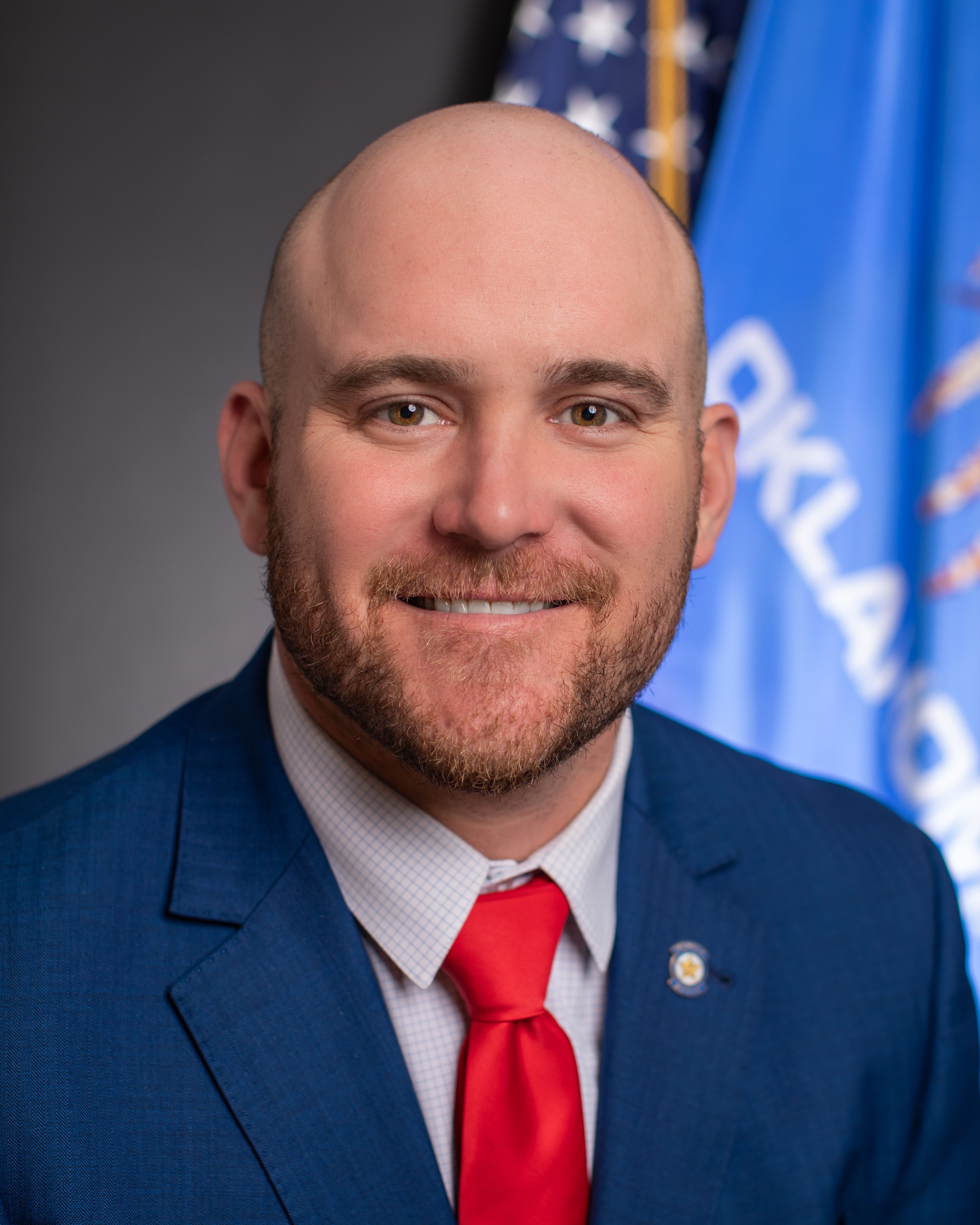
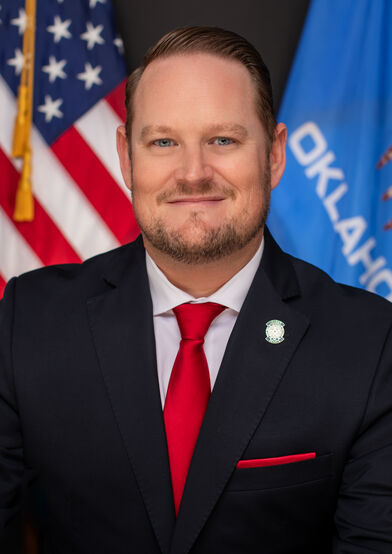
Trey Caldwell
Trey Caldwell House · District 63
R
Strong +
100% 5
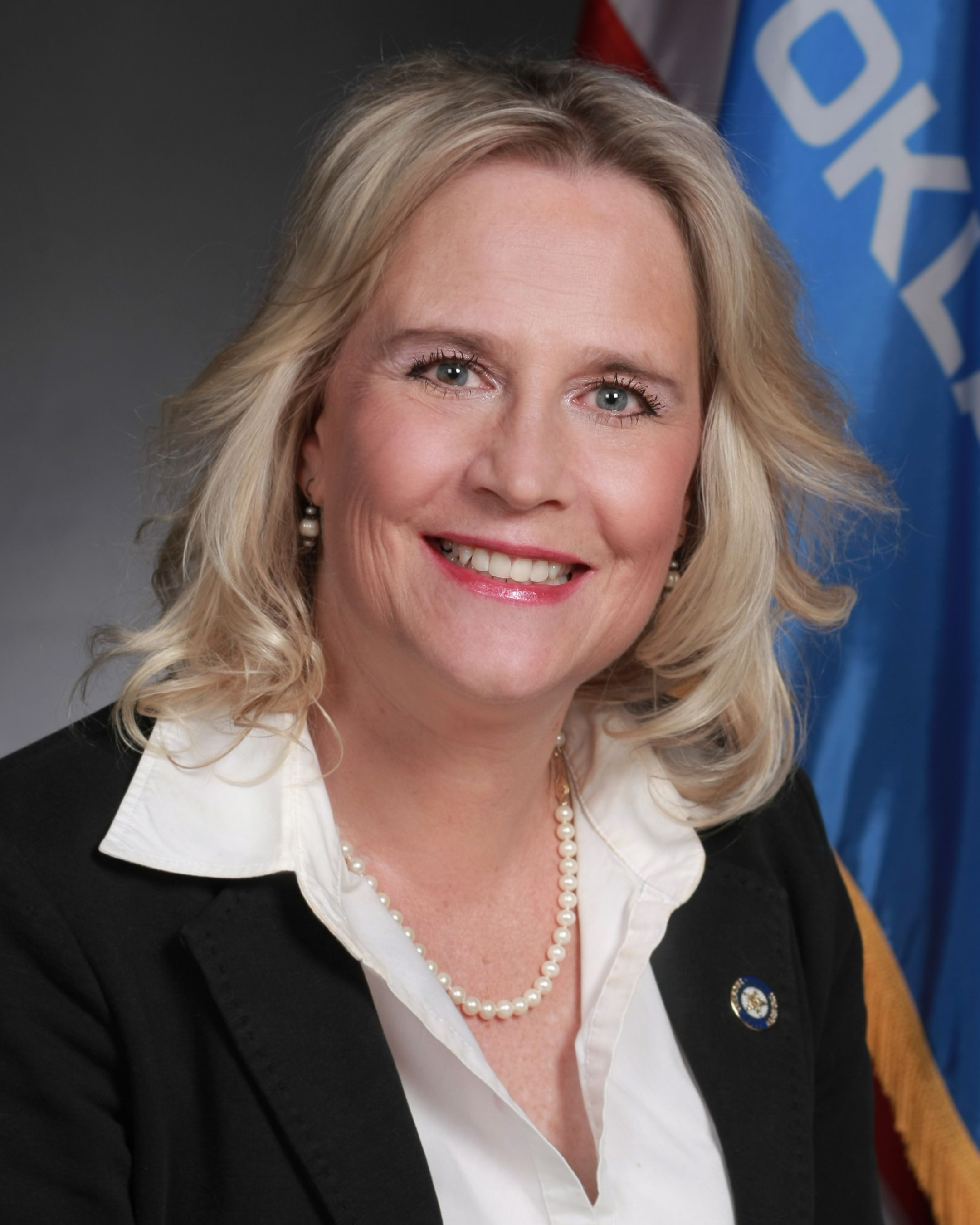
Nicole Miller
Nicole Miller House · District 82
R
Strong +
100% 4
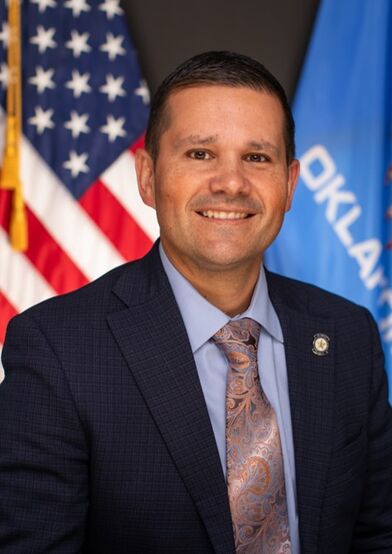
Bryan Logan
Bryan Logan Senate · District 8
R
Strong +
100% 3
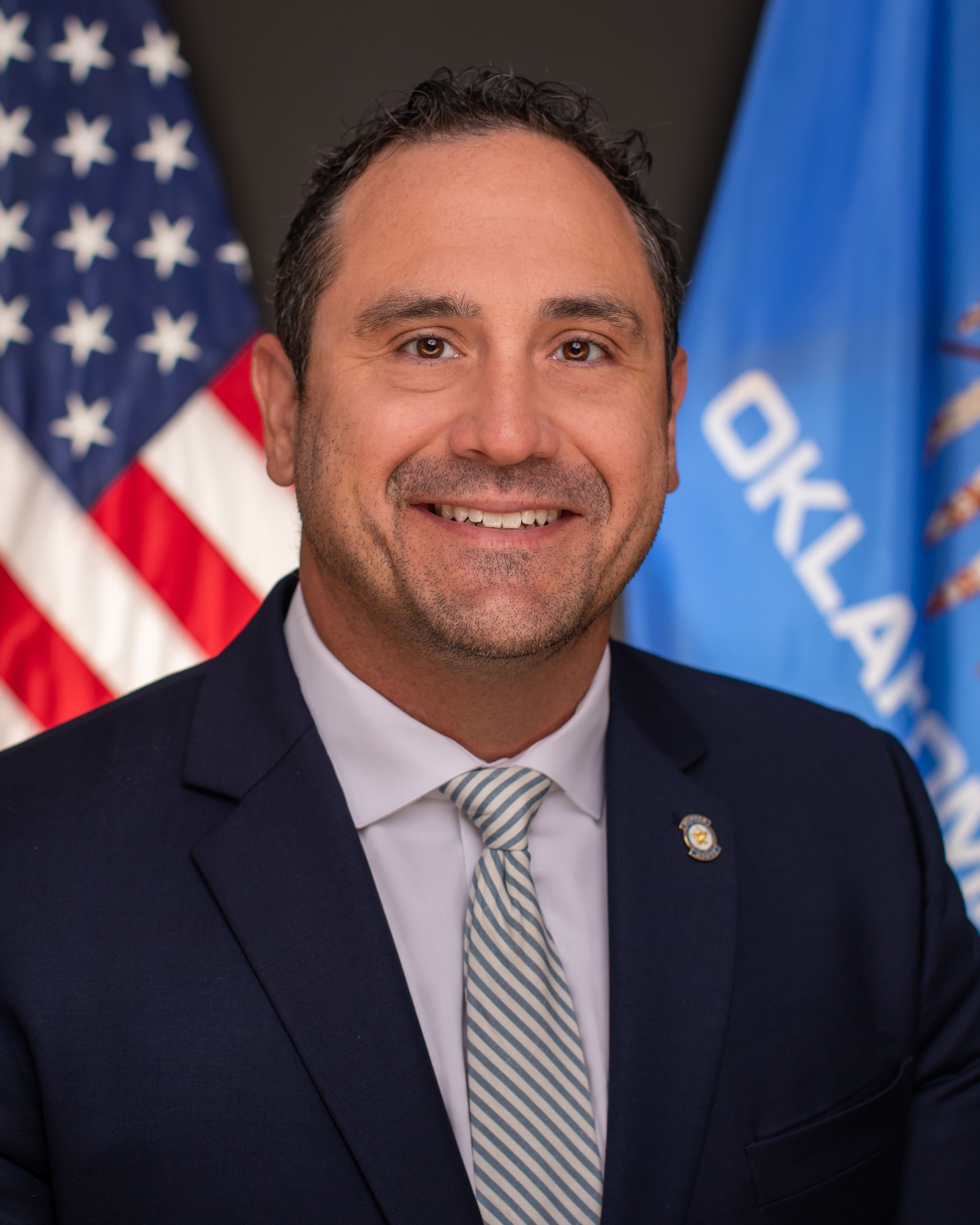
Nick Archer
Nick Archer House · District 55
R
Strong +
100% 3
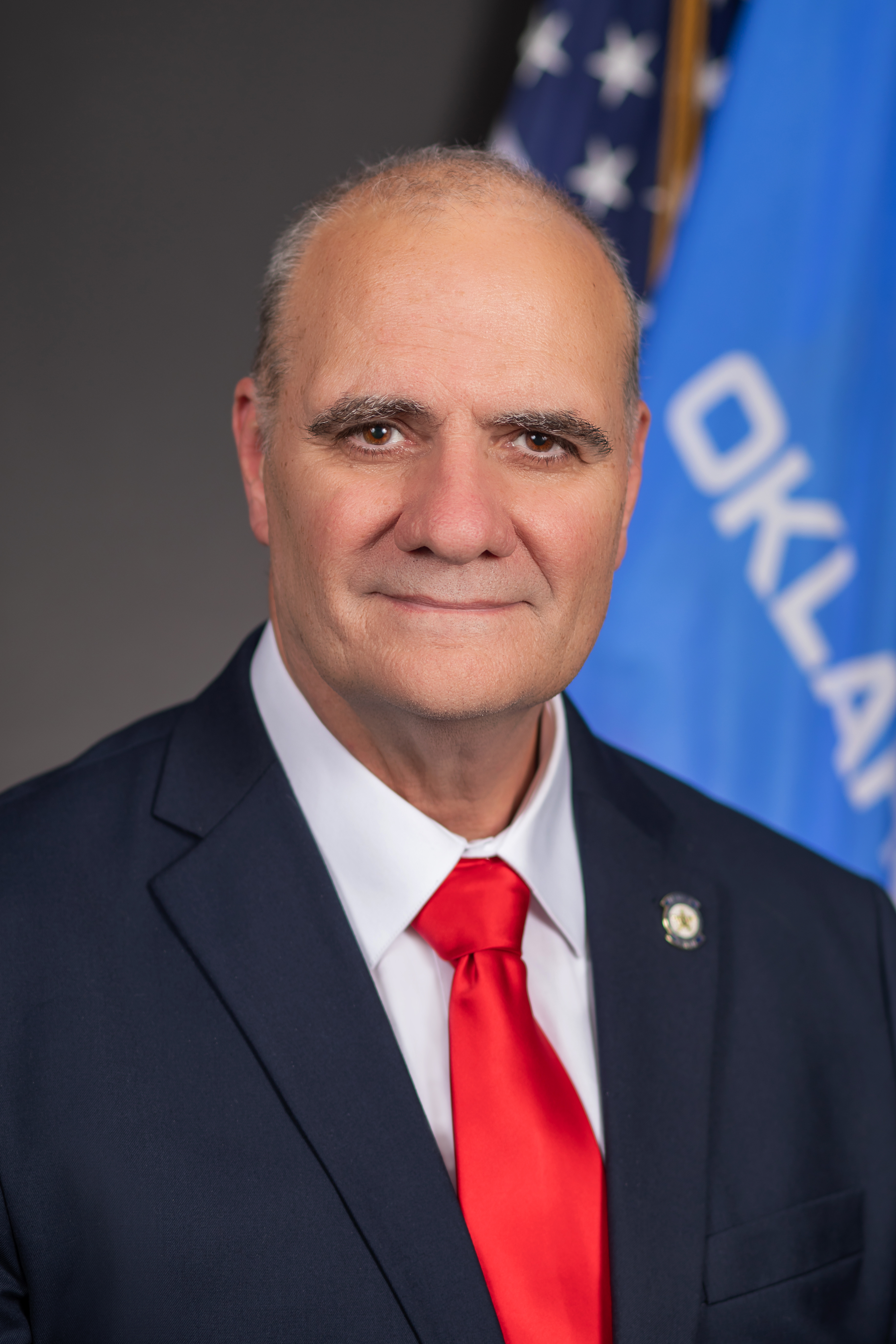
Eddy Dempsey
Eddy Dempsey House · District 1
R
Strong +
88% 8
Brian Guthrie
Brian Guthrie Senate · District 25
R
Strong −
17% 6
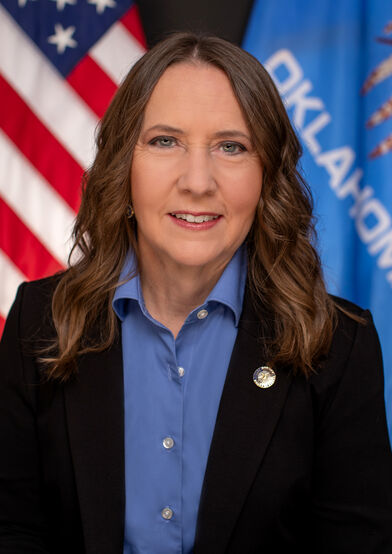
Julie McIntosh
Julie McIntosh Senate · District 3
R
Strong −
17% 6
Lisa Standridge
Lisa Standridge Senate · District 15
R
Strong −
17% 6
Dana Prieto
Dana Prieto Senate · District 34
R
Oppose
25% 8
Dusty Deevers
Dusty Deevers Senate · District 32
R
Oppose
29% 7
Showing 91–100 of 107 bills

All criminal justice bills

vetoed · Oklahoma · House May 29, 2025

HB 1563: Criminal procedure; authorizing the issuance of subpoena duces tecum to businesses and commercial entities; codification; effective date.

HB 1563 allows criminal defendants to subpoena specific records from law enforcement and businesses in Oklahoma. It permits defendants to request body camera footage, traffic videos, incident reports, or security camera recordings covering the time of the alleged crime from businesses or commercial entities. The bill includes safeguards: law enforcement can object if records involve juvenile confidentiality, ongoing investigations, or informant privacy, and requires strict fee limits ($0.25/page for copies). This directly affects criminal defendants seeking evidence, while balancing access with protections for sensitive information.
in committee · Oklahoma · Senate Feb 4, 2025

SB 1103: Torts; prohibiting prosecution for certain acts; clarifying actions deemed reasonable. Effective date.

SB 1103 protects individuals who intervene during a violent crime. It prohibits prosecution for reasonable actions taken to stop the crime or ensure the victim's safety until law enforcement arrives, regardless of the intervener's official role. The bill defines "violent crime" using existing Oklahoma law (Title 57, Section 571) and clarifies that such protective actions are deemed reasonable under the law. The measure becomes effective November 1, 2025.
in committee · Oklahoma · Senate Feb 4, 2025

SB 691: Law enforcement; requiring the Council on Law Enforcement Education and Training and the Department of Mental Health and Substance Abuse Services to develop certain program. Effective date.

SB 691 requires Oklahoma's Council on Law Enforcement Education and Training and the Department of Mental Health and Substance Abuse Services to create a voluntary program offering specialized training for law enforcement officers to handle mental health crisis calls. Officers who complete the training will be designated as "law enforcement mental health specialists." The bill mandates these agencies to develop the program and establish rules for its implementation, effective November 1, 2025. This directly affects participating officers and aims to improve responses to mental health emergencies involving law enforcement.
in committee · Oklahoma · Senate Feb 4, 2025

SB 526: Firearms; directing courts and law enforcement agencies to protect certain rights. Emergency.

SB 526 (Oklahoma Senate Bill 526) prohibits Oklahoma courts and law enforcement from enforcing any order requiring firearm confiscation from law-abiding citizens, declaring such actions an infringement on Second Amendment rights. It mandates that law enforcement officers may refuse to follow orders violating the Second Amendment or their oath, and prohibits retaliation or budget cuts against officers or police departments that refuse such orders or designate their area as a "Second Amendment sanctuary." The bill defines "law-abiding citizen" as someone legally permitted to possess firearms and lawfully present in the U.S. It takes immediate effect as an emergency measure.
signed · Oklahoma · Senate Apr 28, 2025

SB 595: Jail standards; creating the Oklahoma Jail Standards Act. Emergency.

SB 595 creates the Oklahoma Jail Standards Act, requiring all city and county jails to meet new safety, health, and operational standards. It mandates annual inspections by the State Department of Health, sets specific requirements for inmate food, sanitation, medical care, staff training (4-8 hours yearly for direct-contact staff), and inmate classification, and requires facilities to develop written policies for emergencies and medical services. The bill directly affects all county jails, sheriff's departments, and facility administrators, while allowing temporary tent jails to operate under different rules. The Act also clarifies that medical care must cover illnesses or injuries from arrest through incarceration, and includes exceptions for short-term holding facilities under 12 hours.
in committee · Oklahoma · House Feb 4, 2025

HB 1856: State government; Oklahoma 10-8 Fund; grant program; Office of the Attorney General; revolving fund; appropriation; effective date.

HB 1856 creates the "Oklahoma 10-8 Fund Grant Program" to provide one-time bonuses to new peace officers (police, deputies, troopers) who meet specific criteria. Eligible officers receive $10,000 if hired by an agency with 50+ sworn vacancies or $5,000 if hired by an agency with 15-49 vacancies, upon verification of state certification and six months of service. The program, funded by a $20 million state appropriation, prohibits agencies from reducing officer salaries due to these bonuses. It applies to officers hired after the bill’s effective date (November 1, 2025) who are either new to Oklahoma law enforcement or returning since January 2020.
in committee · Oklahoma · Senate Feb 4, 2025

SB 857: Automatic license plate reader systems; authorizing certain use by law enforcement. Effective date.

SB 857 authorizes Oklahoma law enforcement agencies to use automatic license plate reader (ALPR) systems on highway rights-of-way under specific conditions. It requires agencies to obtain a Department of Transportation permit, adopt public policies covering data use and security, and delete most license plate data within 30 days unless part of an active investigation. The bill prohibits using ALPRs to issue traffic citations or sell collected data, mandates encryption for data security, and requires agencies to maintain access logs for accountability. This directly affects law enforcement operations and the privacy of drivers whose license plates are scanned, with the law taking effect November 1, 2025.
in committee · Oklahoma · Senate Feb 4, 2025

SB 767: Hiring practices; creating the Fair Chance Hiring Practices by Public Employers Act; prohibiting certain employment practices. Effective date.

SB 767, the "Fair Chance Hiring Practices by Public Employers Act," prohibits Oklahoma state and local government employers (like schools, agencies, and municipalities) from asking about an applicant’s criminal history before making a conditional job offer. It allows employers to ask only about convictions that would disqualify someone under existing law and permits checking criminal history after a conditional offer is made. The law excludes sensitive roles - such as law enforcement, school staff, correctional officers, and positions involving vulnerable populations - from its requirements. The bill takes effect November 1, 2025, applying only to job applications submitted on or after that date.
Sub-Topics Law Enforcement
in committee · Oklahoma · House Feb 4, 2025

HB 2186: Pretrial data; Pretrial Collection Data Act; requiring certain entities to collect specific data; effective date.

HB 2186, the "Pretrial Data Collection Act," requires Oklahoma police departments, sheriff offices, and county jails to collect and report specific data about individuals in pretrial detention starting January 1, 2026. It mandates monthly collection of demographic details (like race, age, ZIP code, and unhoused status), offense information, mental health/substance use disorder status, jail costs, and facility metrics (such as operational capacity and average stay length). This data must be submitted to the Oklahoma State Bureau of Investigation and published publicly in machine-readable format by July 2026. The bill directly affects law enforcement agencies, county jails, and the public, aiming to standardize pretrial data for transparency and analysis.
in committee · Oklahoma · Senate Feb 4, 2025

SB 492: Asset forfeiture; repealing provisions related to asset forfeiture. Effective date.

SB 492 repeals seven specific sections of Oklahoma’s asset forfeiture law (63 O.S. 2021 §§ 2-503 through 2-508), which governed property seizure, notice requirements, and disposal procedures. This bill removes existing rules that directly affected individuals whose property was seized by law enforcement under asset forfeiture. The repeal takes effect November 1, 2025, eliminating these specific legal provisions without creating new mechanisms. The bill focuses solely on repealing outdated statutes, with no new policy changes or direct impact on current forfeiture practices.
Sub-Topics Law Enforcement
Showing 91 to 100 of 107 bills