Issue · Criminal Justice

Criminal Justice (Courts)

Every criminal justice bill, vote, and legislator stance in Oklahoma, automatically classified by Maddy, our AI policy reader.

Total bills
89
2026 Regular Session
Top supporter
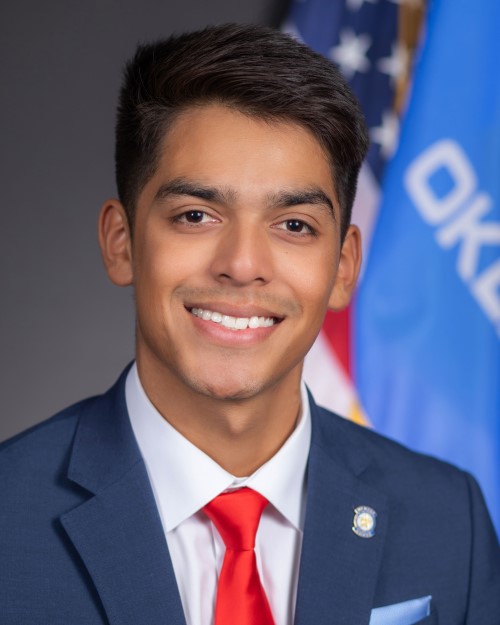
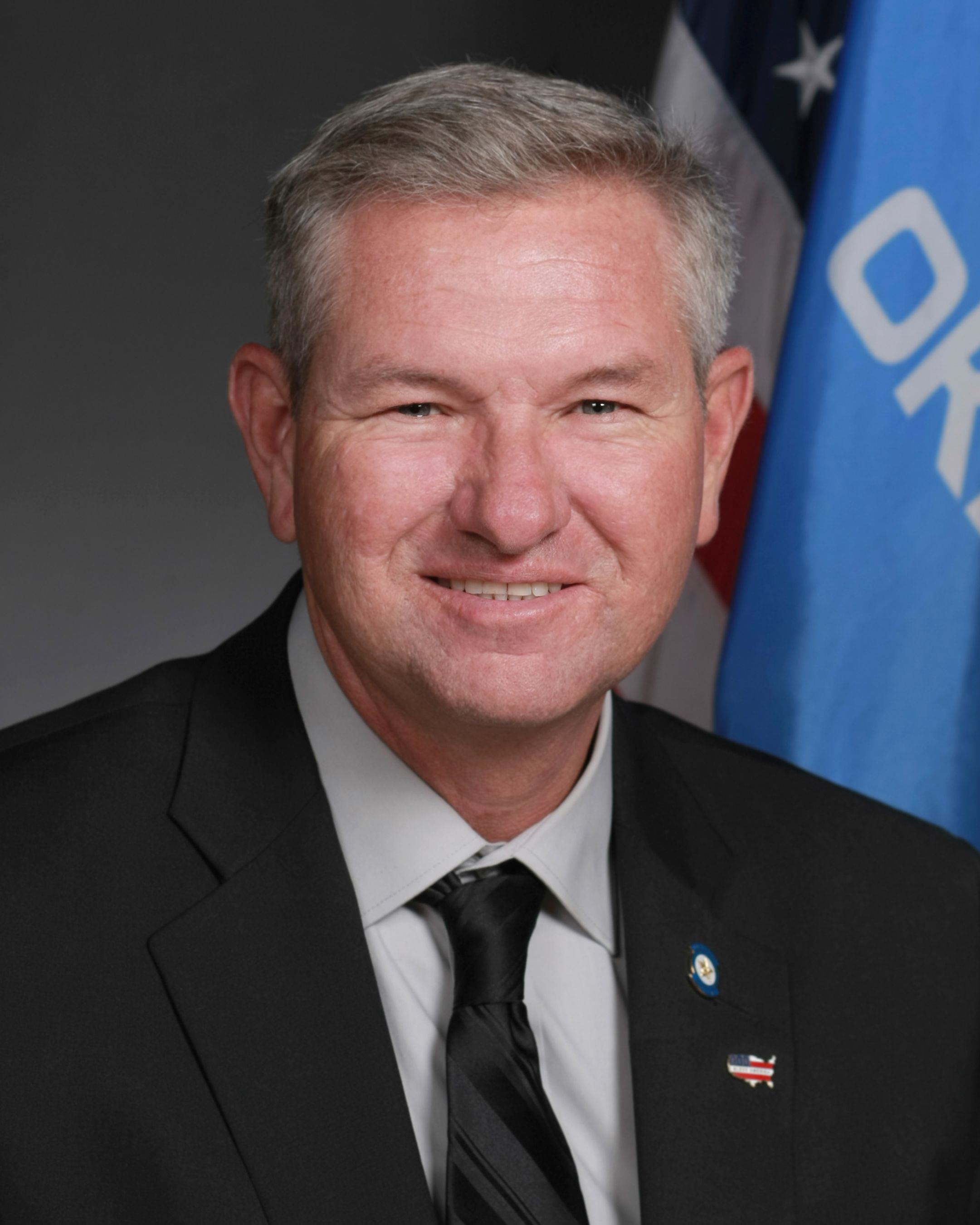
Arturo Alonso
100% support rate
Top opponent
Ross Ford
0% support rate
Ranked legislators
10
5 support · 5 oppose
Key legislators

Who's moving courts in Oklahoma

Legislators moving courts in Oklahoma
Legislator Party Stance Support rate Votes
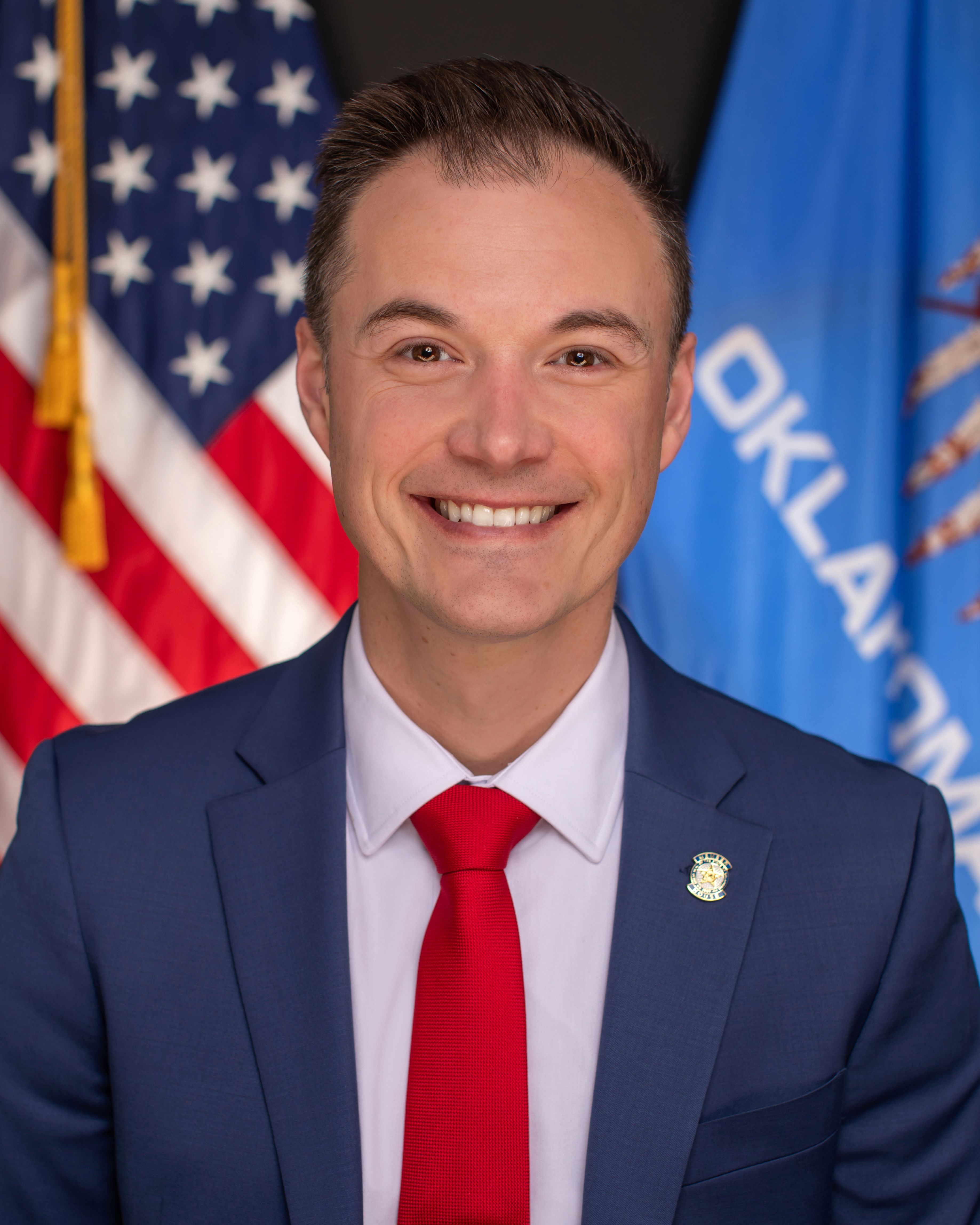
Arturo Alonso
Arturo Alonso House · District 89
D
Strong +
100% 4
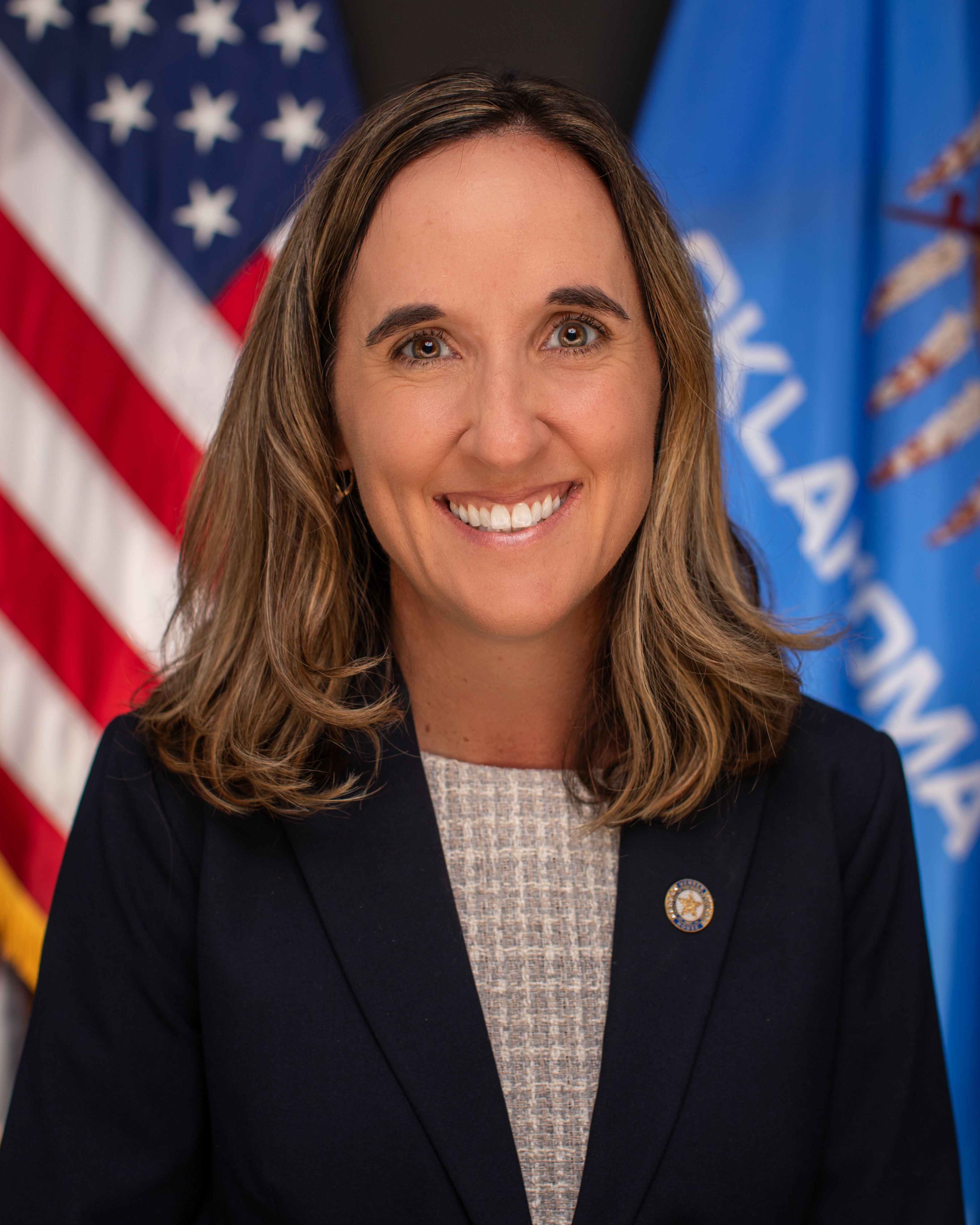
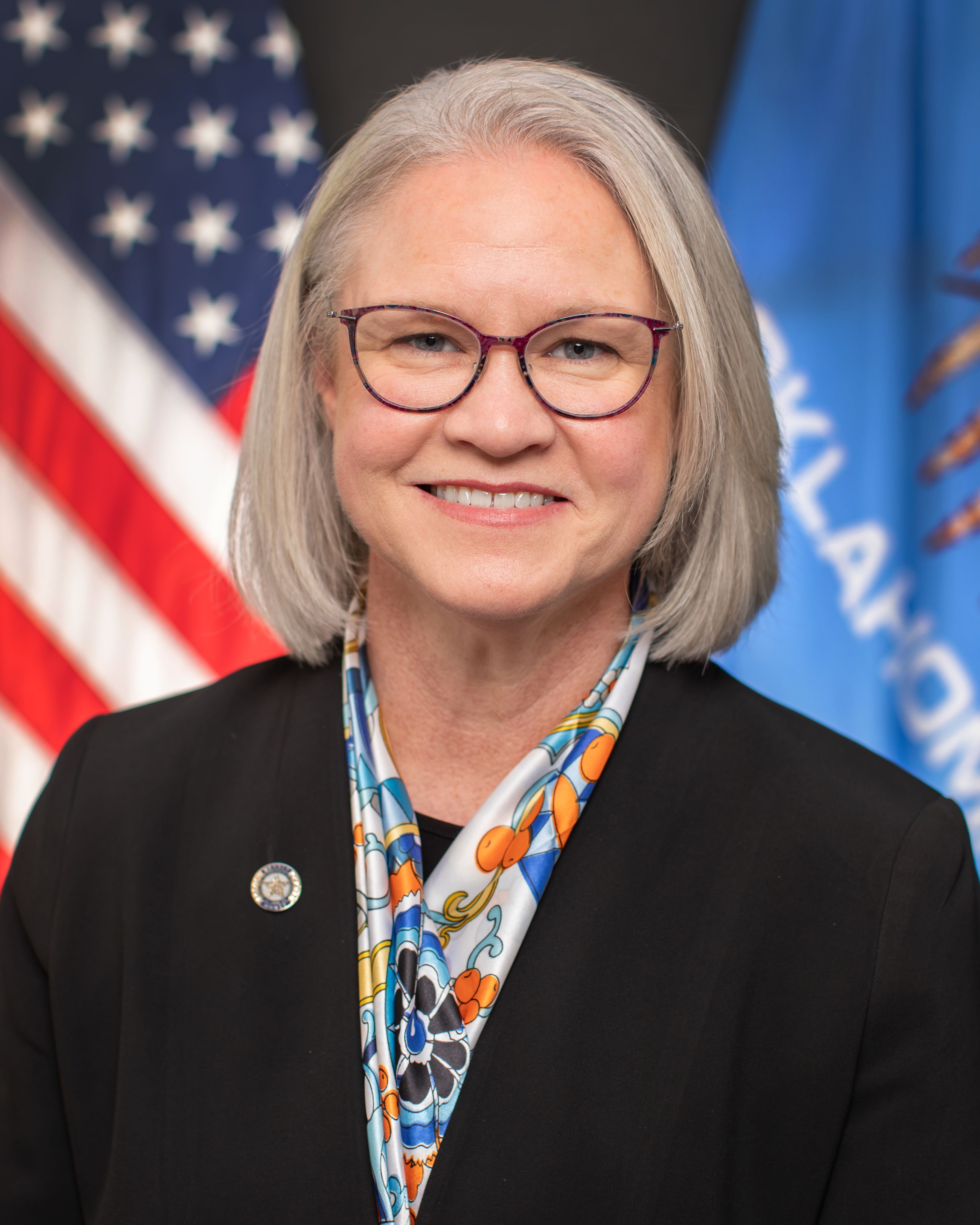
Ellen Pogemiller
Ellen Pogemiller House · District 88
D
Strong +
100% 4
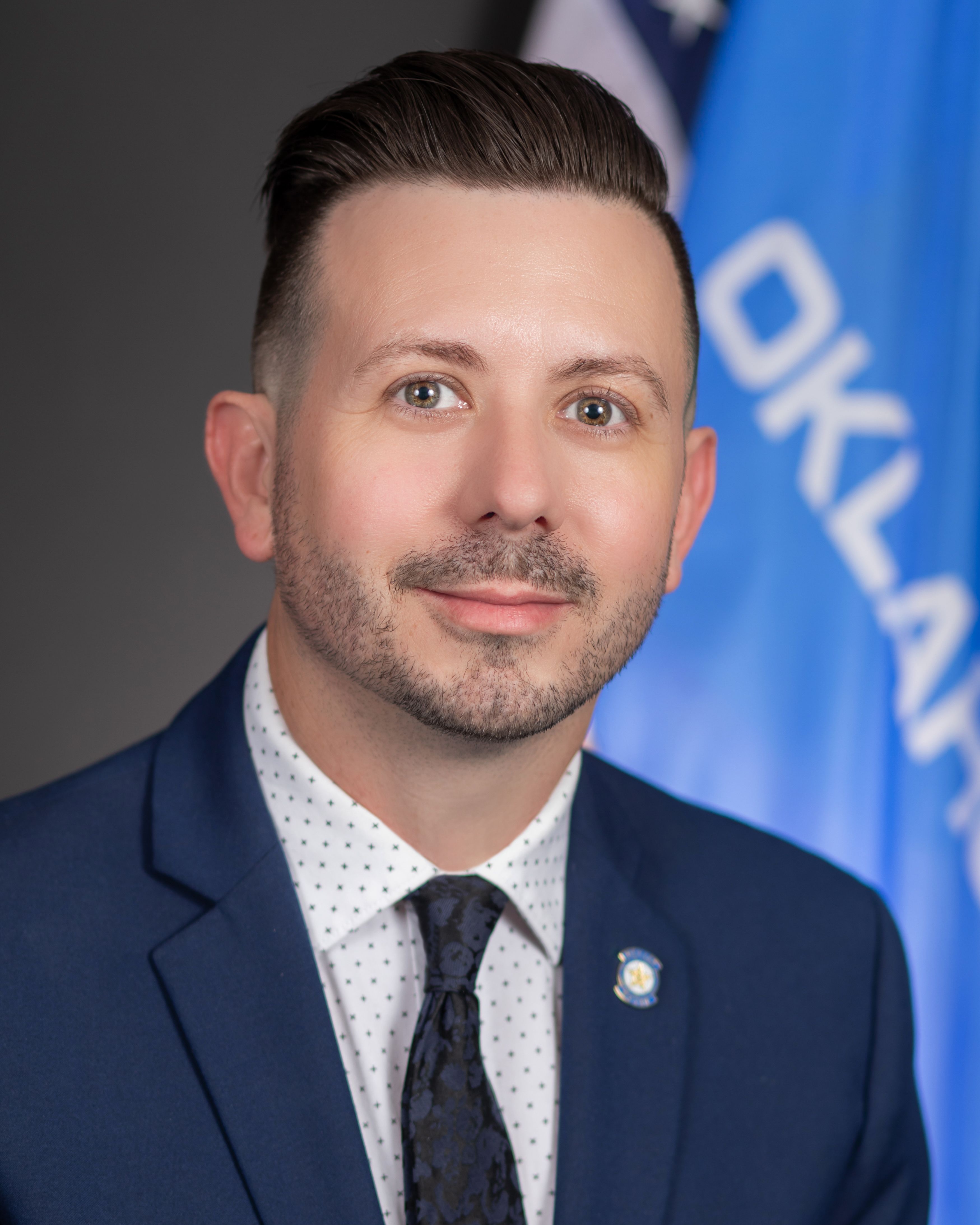
Jared Deck
Jared Deck House · District 44
D
Strong +
100% 4
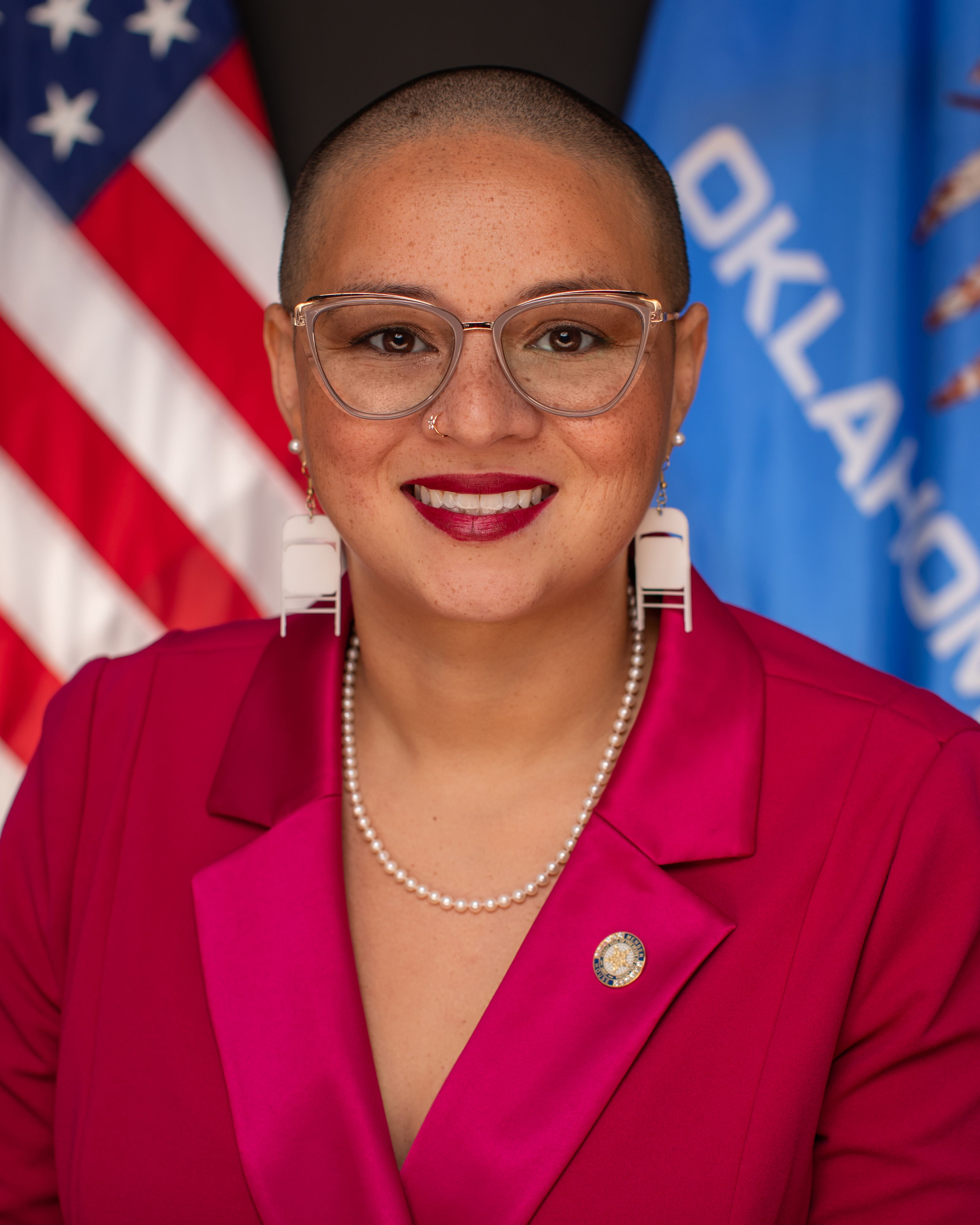
Michelle McCane
Michelle McCane House · District 72
D
Strong +
100% 4
Trish Ranson
Trish Ranson House · District 34
D
Strong +
100% 4
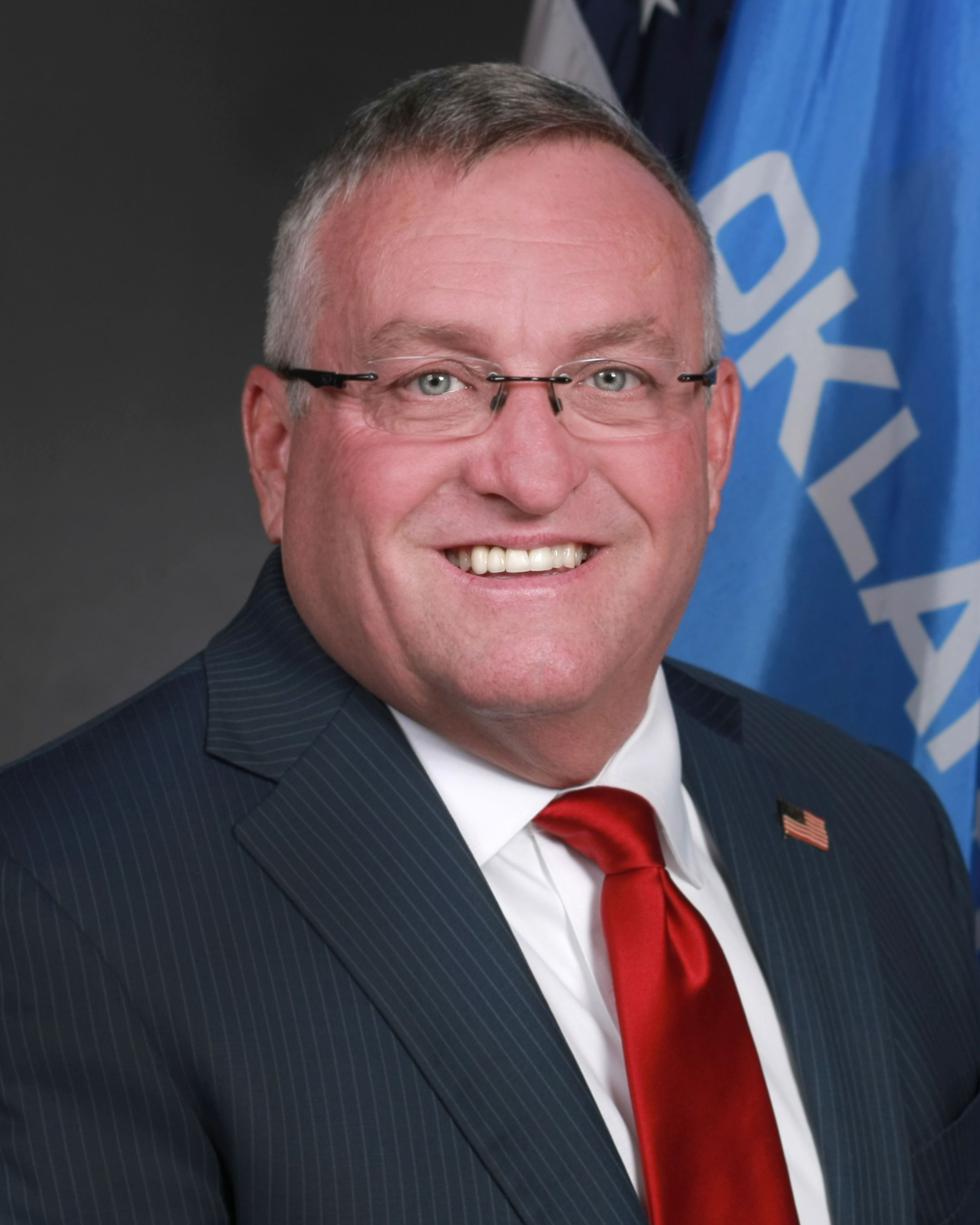
Ross Ford
Ross Ford House · District 76
R
Strong −
0% 5
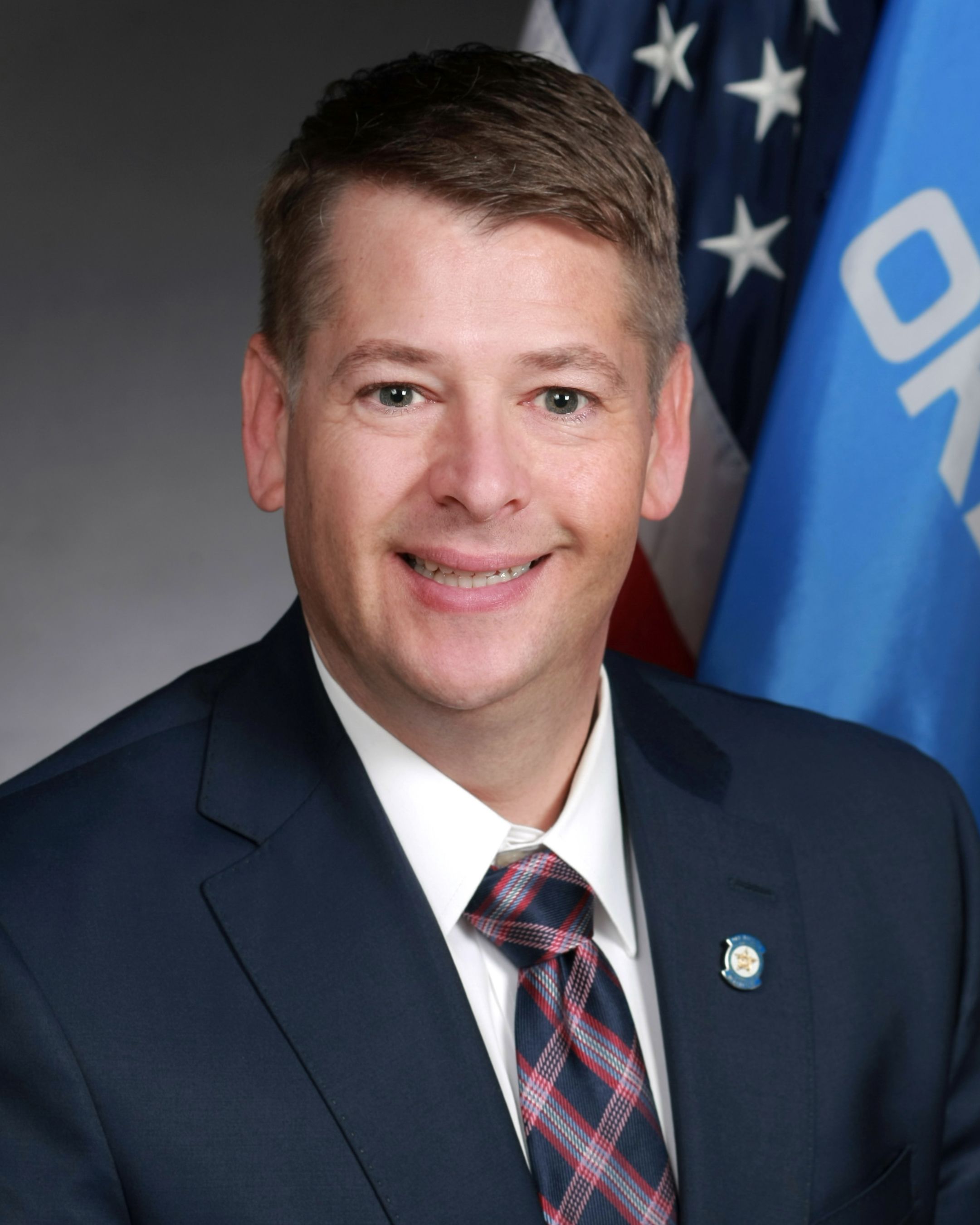
Chris Sneed
Chris Sneed House · District 14
R
Strong −
0% 4
Cody Maynard
Cody Maynard House · District 21
R
Strong −
0% 4
David Smith
David Smith House · District 18
R
Strong −
0% 4
Denise Crosswhite Hader
Denise Crosswhite Hader House · District 41
R
Strong −
0% 4
Showing 1–10 of 89 bills

All criminal justice bills

in committee · Oklahoma · Senate Feb 4, 2025

SB 902: Protection from Domestic Abuse Act; requiring certain safety plan in certain circumstances. Effective date.

This bill amends Oklahoma's Protection from Domestic Abuse Act to strengthen how protective orders are served and handled in court. It requires courts to schedule full hearings within 14 days of filing a petition, or within 72 hours if a minor child is removed from the victim's home, and allows petitions to be renewed every 14 days if the defendant has not been served. The law also mandates that safety plans included in protective orders remain confidential and prohibits courts from ordering mediation or joint counseling sessions that could compromise victim safety. Additionally, the bill authorizes courts to require defendants to pay for court-approved counseling or treatment programs aimed at stopping domestic abuse.
in committee · Oklahoma · Senate Feb 3, 2026

SB 1536: State government; authorizing the Attorney General to investigate certain entities for certain solicitations. Emergency.

Oklahoma's SB 1536 authorizes the Attorney General to investigate entities suspected of fraudulently soliciting funds for foreign terrorist organizations or providing them material support. It requires the Attorney General to designate such entities as "Designated Terrorist Support Entities" after investigation, barring them from receiving any state funds (including grants, contracts, or tax benefits) once a final court decision is issued. The bill mandates training for peace officers on recognizing terrorist fundraising tactics and requires annual public reports on investigations and recovered funds. It specifically references the Muslim Brotherhood as a defined entity of concern under the law. The law aims to prevent state funds from indirectly supporting terrorism through deceptive charitable activities.
Sub-Topics Courts
signed · Oklahoma · Senate May 6, 2026

SB 2072: Conveyances; prohibiting charging fee for certain filing; requiring certain notice to certain law enforcement agencies. Effective date.

SB 2072 prevents property title theft by requiring county clerks to accept and record notices of fraudulent property transfers without charging a filing fee. It directly affects victims of title theft (people whose property titles were stolen), county clerks, and local law enforcement agencies. The bill mandates that after filing such a notice, county clerks must send a copy to the district attorney and local police for investigation. The law takes effect November 1, 2026, and allows victims to seek court enforcement if a clerk unjustly refuses to record a valid notice.
in committee · Oklahoma · Senate Feb 3, 2026

SB 1881: Adjudicative hearings; authorizing hearings to be made public if in the public interest. Effective date.

SB 1881 modifies Oklahoma's juvenile court hearing rules to require public access for hearings involving a child's second or subsequent delinquency adjudication, while keeping most other juvenile hearings private. It mandates that courts make these repeat-offense hearings public unless a judge determines that public disclosure would substantially harm the child's mental or physical well-being. Victims, relatives, legal guardians, and designated representatives may attend all hearings, but the bill explicitly prohibits publishing juvenile identities in public reports. This change directly affects juvenile court participants, including victims, guardians, and the courts handling repeat delinquency cases under Oklahoma's Juvenile Code.
in committee · Oklahoma · Senate Feb 3, 2026

SB 2094: Firearms; prohibiting certain persons from taking certain action; requiring certain actions; prohibiting certain liability. Effective date.

SB 2094, the "Firearm Preservation Act," requires Oklahoma law enforcement agencies to auction firearms they acquire (e.g., through court orders, forfeitures, or estates) instead of destroying them. Agencies must sell these firearms only to individuals legally eligible to purchase them under state and federal law, with buyers passing required background checks. Proceeds from auctions fund agency operations or training, and agencies are shielded from liability if auctioned firearms are later used in crimes. The law mandates agencies to maintain detailed auction records for five years and imposes fines for noncompliance.
in committee · Oklahoma · Senate Feb 3, 2026

SB 1467: Criminal justice data; requiring sharing of certain information upon request. Effective date.

SB 1467 requires Oklahoma criminal justice agencies (like police departments, courts, and correctional facilities) to share specific public criminal justice data with approved researchers upon request. This includes information on law enforcement stops, arrests, court proceedings, and corrections, but only if the data is already available to the public under Oklahoma's Open Records Act. Researchers must prove they are "bona fide" (with institutional review board approval and agreements to use data solely for research, without public disclosure) and agencies may charge reasonable fees for search and copying. The law takes effect January 1, 2027, with requests not accepted before July 1, 2027, and the Attorney General must provide compliance guidance.
signed · Oklahoma · House Apr 29, 2026

HB 3742: Criminal procedure; Due Process Protection Act of 2026; preliminary examinations and proceedings; disclosure; effective date.

HB 3742 amends Oklahoma's criminal discovery rules to shorten the time limit for completing pre-trial evidence exchanges. It specifically requires prosecutors to disclose detailed information about jailhouse informants - including their criminal history, any deals made with them, and specific statements made to them - 10 days before trial. The bill also mandates district attorneys to maintain centralized records of all cases using jailhouse informants, with annual de-identified reports published by the District Attorneys Council. This directly affects criminal defendants, prosecutors, and jailhouse informants in Oklahoma court proceedings by increasing transparency around informant credibility. The changes aim to streamline discovery while improving accountability for informant testimony.
Sub-Topics Courts
in committee · Oklahoma · House Feb 3, 2026

HB 3966: Wrongful convictions; providing for retroactive application of wrongful conviction claims; effective date.

HB 3966 allows Oklahoma residents wrongfully convicted of felonies and later cleared through a governor's pardon or court order finding actual innocence to receive compensation. The bill calculates payments as $50,000 for each full year served in prison, with additional $50,000 per year for time spent on death row and $25,000 per year for parole or probation time. Compensation is capped at $1 million paid as a lump sum, or in annual installments over three years for larger awards. This retroactive law applies to all wrongful convictions resulting in imprisonment since 1975, with claims requiring documented evidence of innocence from the governor or court.
in committee · Oklahoma · House Feb 24, 2026

HB 3903: Domestic violence; criminal procedure; law enforcement agencies; incident reports; court clerks; protective order; petition; case record; exceptions; judiciary; annual training; effective date.

HB 3903 requires Oklahoma law enforcement agencies to create detailed written domestic violence incident reports (not just dispatch logs), including crime type, day, and time, and submit monthly summaries to the Oklahoma State Bureau of Investigation. It mandates that court clerks accept, file-stamp, and docket protective order petitions without charging victims any fees, while prohibiting courts from requiring victims to pursue other legal actions (like divorce) before seeking protection. The bill also adds provisions allowing courts to grant exclusive custody of animals owned by either party during domestic violence cases and requires annual judiciary training on these procedures. These changes directly affect victims seeking protection, law enforcement agencies, and court clerks handling domestic violence cases.
in committee · Oklahoma · Senate Mar 4, 2026

SB 2179: Criminal procedure; persons in a state of mental illness or defect; modifying conditions and procedures for discharge or conditional release. Effective date.

SB 2179 requires Oklahoma's Department of Mental Health to create a written individualized service plan for people found not guilty by reason of mental illness (NGRI/MI) within 45 days of their court adjudication. The plan must include treatment details, risk assessments, and service schedules, developed with the individual's input and based on a forensic psychological evaluation. Once approved by the court, the plan becomes part of the court's final order and must be reviewed quarterly for the first year, then semiannually, with updates provided to the court and parties. This bill directly affects NGRI/MI individuals, courts, mental health providers, and the Department of Mental Health by mandating structured treatment planning and oversight.
Sub-Topics Courts Mental Health
Showing 1 to 10 of 89 bills
1 2 3 9 Next