

Issue · Budget & Taxes
Budget & Taxes (Income Tax)
Every budget & taxes bill, vote, and legislator stance in Oklahoma, automatically classified by Maddy, our AI policy reader.
Total bills
138
2026 Regular Session
Top supporter
Preston Stinson
100% support rate
Top opponent
Jim Olsen
35% support rate
Ranked legislators
10
5 support · 5 oppose
Key legislators
Who's moving income tax in Oklahoma
| Legislator | Party | Stance | Support rate | Votes |
|---|---|---|---|---|
Preston Stinson
House · District 96
|
R |
Strong +
|
100% | 20 |
|
DT
Dillon Travis
House · District 35
|
R |
Strong +
|
100% | 4 |
Kevin Norwood
House · District 74
|
R |
Strong +
|
100% | 4 |
Robert Manger
House · District 101
|
R |
Strong +
|
97% | 29 |
Brian Hill
House · District 47
|
R |
Strong +
|
96% | 26 |
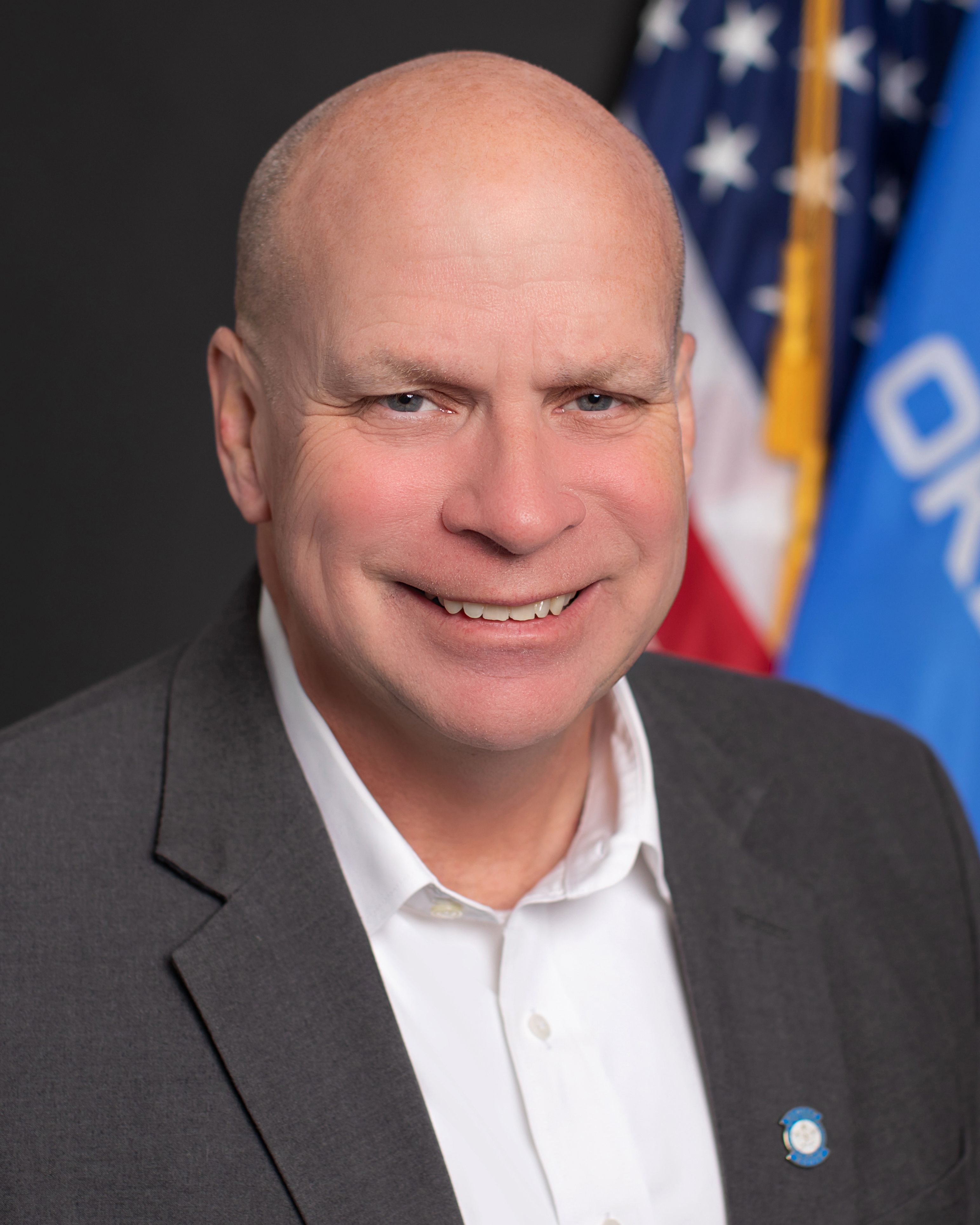
Jim Olsen
House · District 2
|
R |
Oppose
|
35% | 20 |
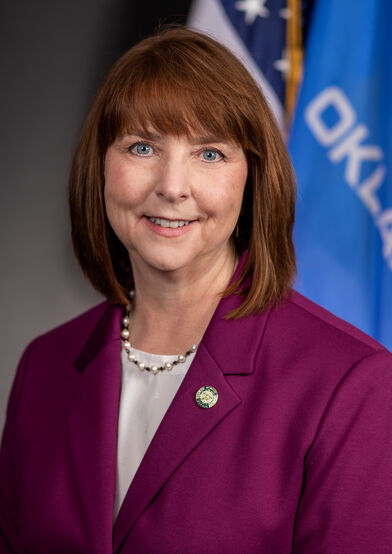
Mary Boren
Senate · District 16
|
D |
Oppose
|
35% | 20 |

Rick West
House · District 3
|
R |
Oppose
|
35% | 20 |

Tom Gann
House · District 8
|
R |
Oppose
|
36% | 22 |

Jim Shaw
House · District 32
|
R |
Oppose
|
38% | 21 |
Showing 71–80 of 138
bills
All budget & taxes bills
SB 223: Income tax; authorizing claim for child tax credit in the tax year certain stillborn birth certificates are issued. Effective date.
HB 2019: Revenue and taxation; income tax credit; aerospace industry; effective date.
Topics
✓ Budget & TaxesSupports Budget & TaxesCreates targeted tax credits for aerospace employers and employees, reducing tax liability and aligning with tax relief indicators for workforce development.
✓ EducationSupports EducationProvides tuition reimbursement tax credits (up to $5,000 annually, capped at $5,000 total over five years) for employees, directly supporting higher education access.
HB 2229: Revenue and taxation; income tax; earned income tax credit; effective date.
Topics
✓ Budget & TaxesSupports Budget & TaxesIncreases EITC percentage from 5% to 10% and makes credit refundable, providing tax relief to low-to-moderate income residents.
✓ HousingSupports HousingIncreases state EITC for low-income residents, boosting disposable income to improve housing affordability
✓ Labor & EmploymentSupports Labor & EmploymentExpands EITC for low-to-moderate income workers, increasing state tax benefits and making credit refundable, directly advancing worker financial support.
SB 1409: Income tax; authorizing claim for child tax credit in the year certain stillborn birth certificates are issued. Effective date.
HB 1923: Research and development; Oklahoma Research and Development Tax Incentive Act of 2025; effective date.
Topics
✓ Budget & TaxesSupports Budget & TaxesCreates tax credit for R&D businesses, reducing tax burden to incentivize innovation, directly altering state tax policy to promote economic development.
✓ TechnologySupports TechnologyCreates tax credit for R&D spending, directly funding tech innovation and incentivizing Oklahoma businesses to invest in technology development.
SB 1279: Income tax; creating the Health Care Sharing Ministries Tax Parity Act; providing deduction for certain expenditures. Effective date.
Topics
✓ Budget & TaxesSupports Budget & TaxesProvides tax deduction for health care ministry expenses, reducing taxable income for qualifying residents, aligning with tax relief indicators.
✓ HealthcareSupports HealthcareBill provides tax deductions for health care sharing ministry membership, expanding alternative coverage options and making healthcare access more affordable for residents.
Sub-Topics
Income Tax
SB 108: Income tax; eliminating limitation on itemization of wagering losses for certain tax years. Effective date.
Sub-Topics
Income Tax
SB 290: Tax; modifying certain income tax rates for certain tax years. Effective date.
SB 1394: Income tax credit; providing credit equal to OHFA down payment and closing cost assistance. Effective date.
Topics
✓ Budget & TaxesSupports Budget & TaxesProvides refundable tax credit for first-time homebuyers using OHFA, reducing tax liability for lower-income residents through direct fiscal relief.
✓ HousingSupports HousingCreates refundable tax credit matching OHFA down payment assistance, directly increasing affordability for first-time homebuyers through state housing program funding.