Issue · Budget & Taxes

Budget & Taxes (Income Tax)

Every budget & taxes bill, vote, and legislator stance in Oklahoma, automatically classified by Maddy, our AI policy reader.

Total bills
120
2026 Regular Session
Top supporter
Preston Stinson
100% support rate
Top opponent
Jim Olsen
35% support rate
Ranked legislators
10
5 support · 5 oppose
Key legislators

Who's moving income tax in Oklahoma

Legislators moving income tax in Oklahoma
Legislator Party Stance Support rate Votes
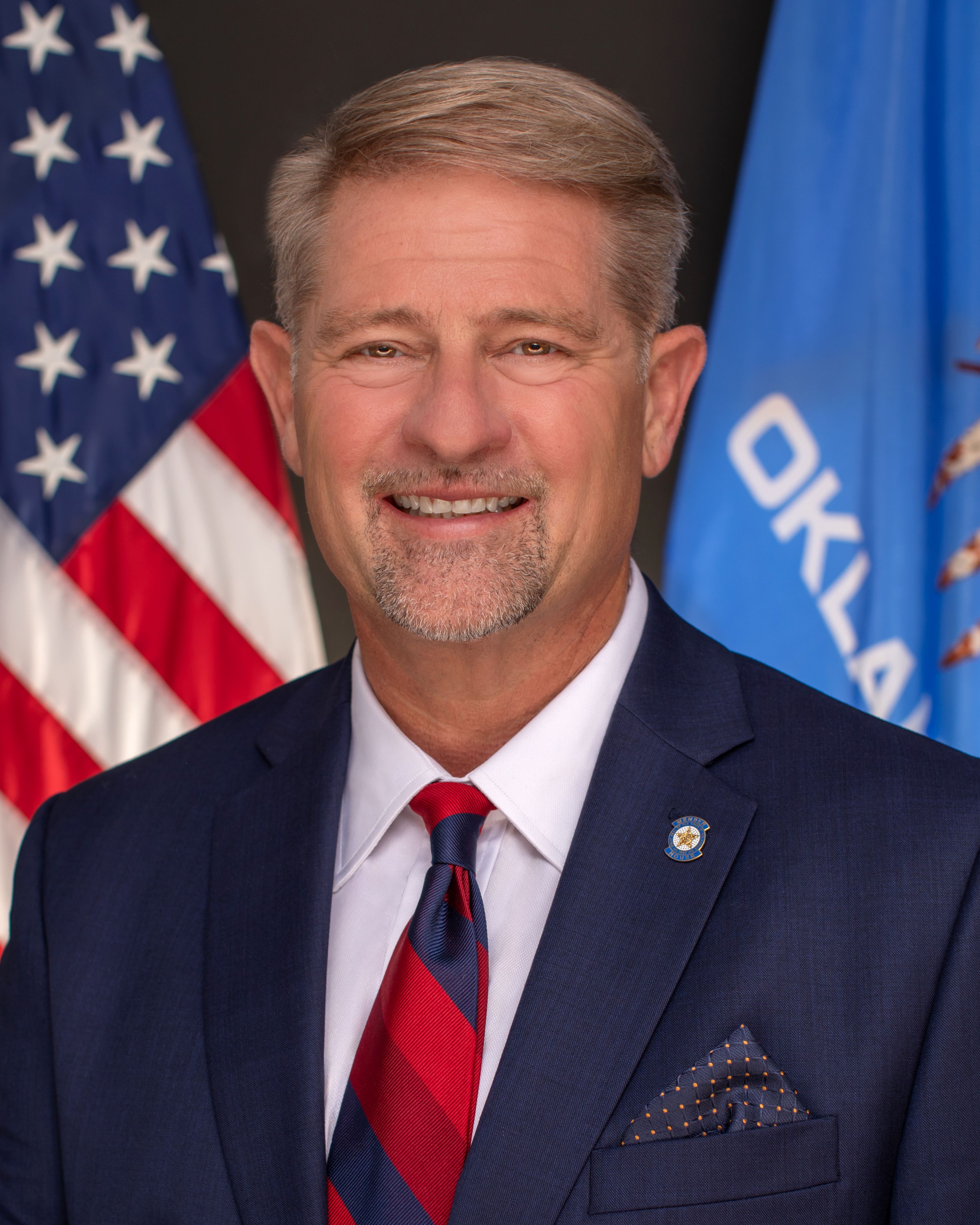
Preston Stinson
Preston Stinson House · District 96
R
Strong +
100% 20
DT
Dillon Travis House · District 35
R
Strong +
100% 4
Kevin Norwood
Kevin Norwood House · District 74
R
Strong +
100% 4
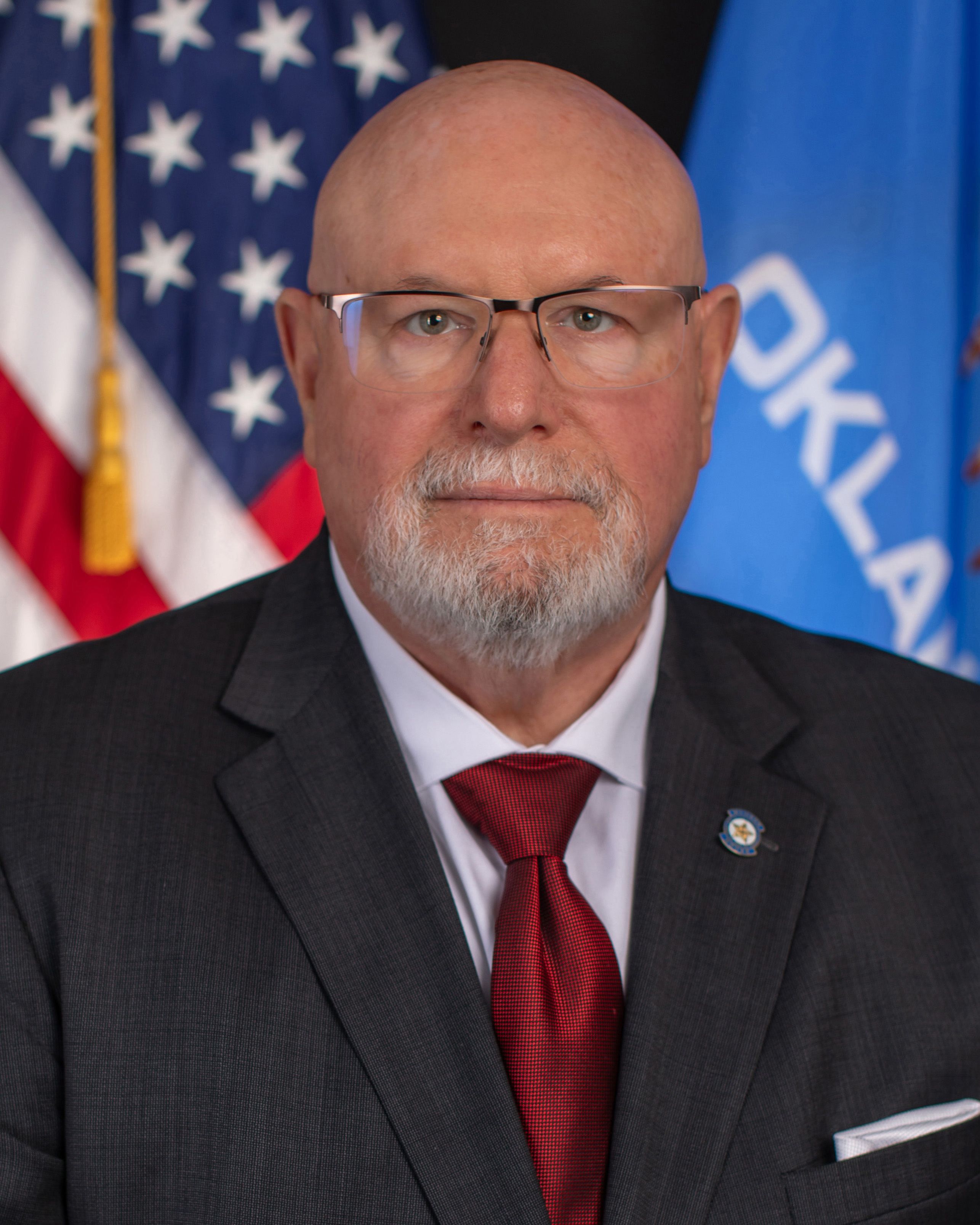
Robert Manger
Robert Manger House · District 101
R
Strong +
97% 29
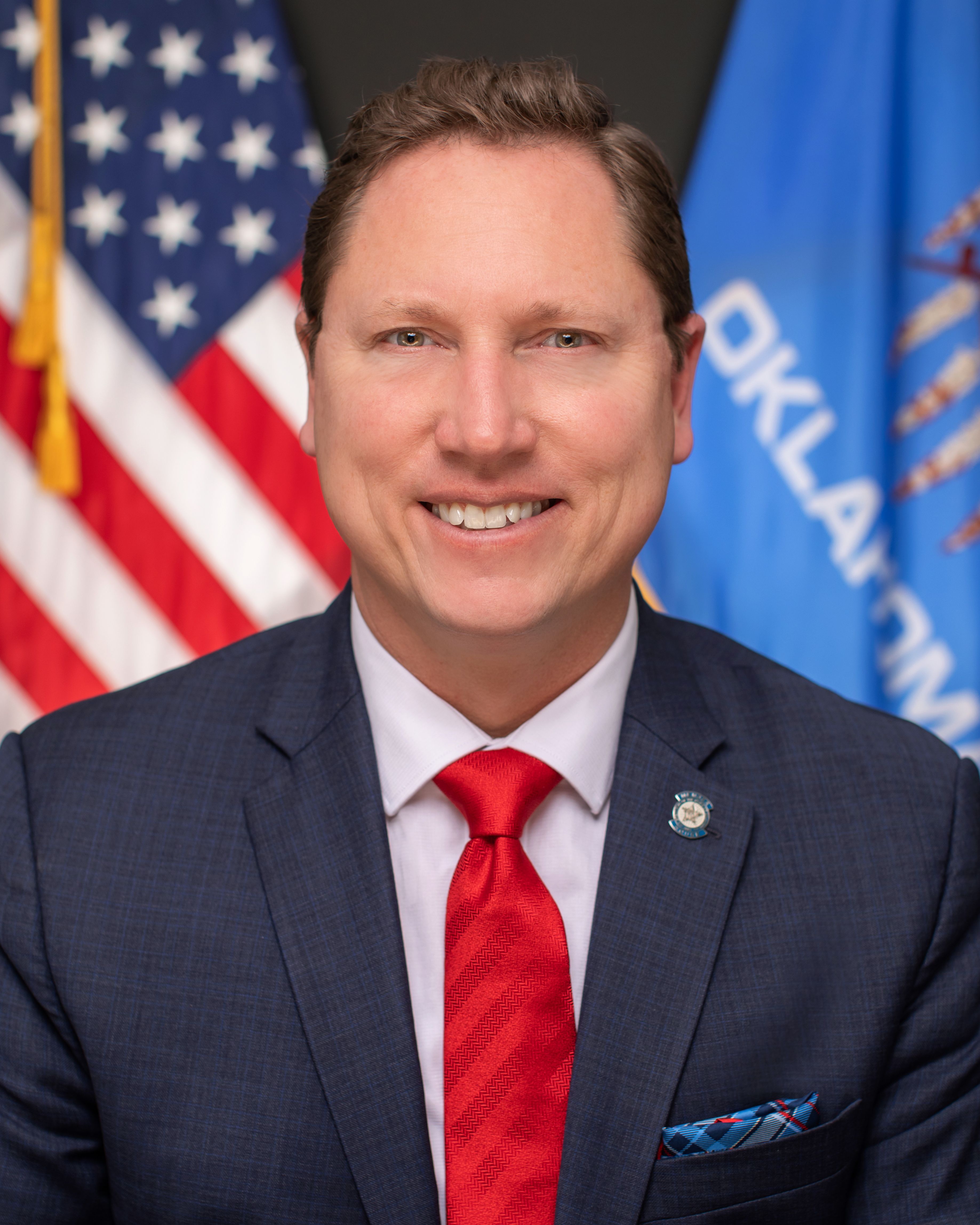
Brian Hill
Brian Hill House · District 47
R
Strong +
96% 26
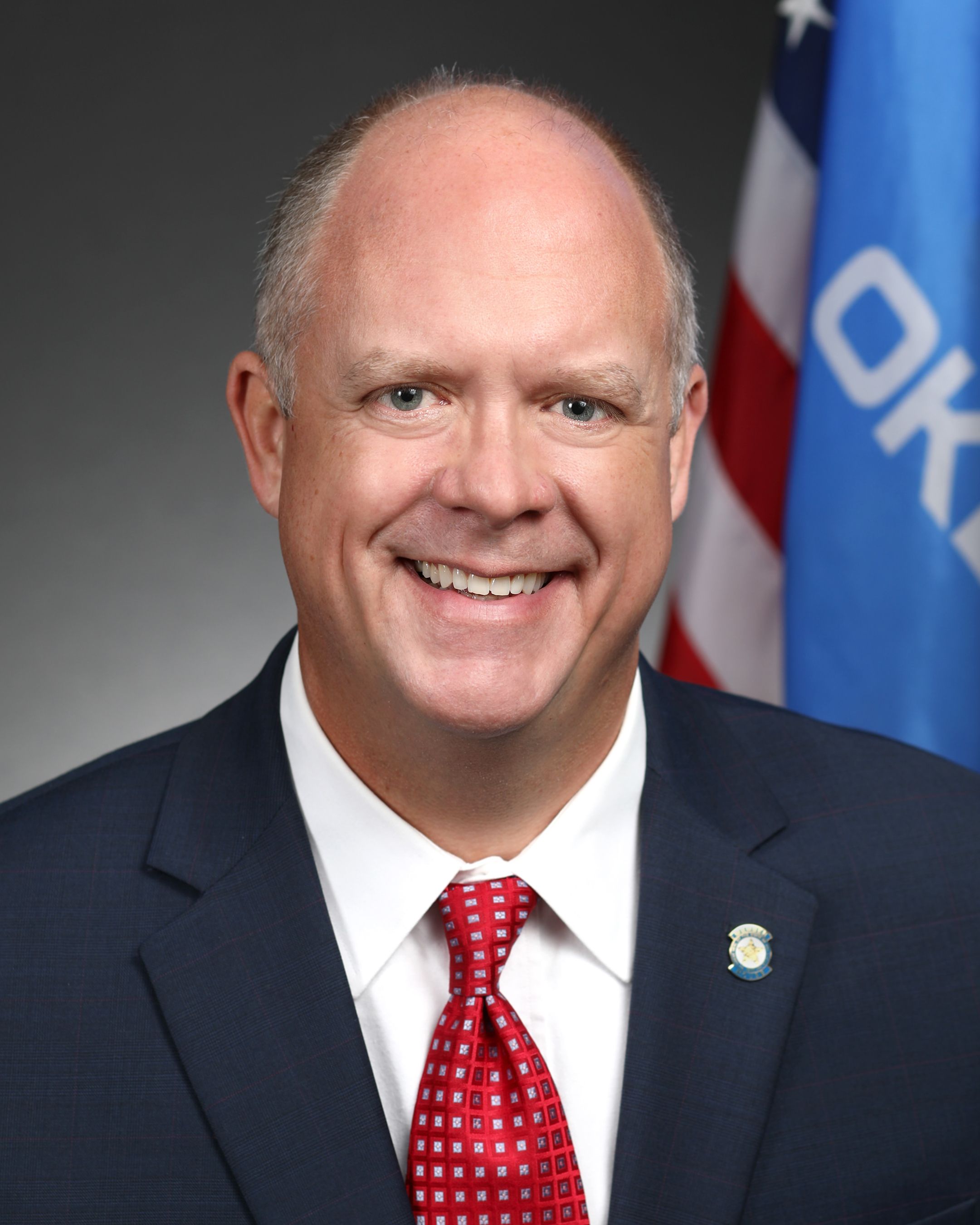
Jim Olsen
Jim Olsen House · District 2
R
Oppose
35% 20
Mary Boren
Mary Boren Senate · District 16
D
Oppose
35% 20
Rick West
Rick West House · District 3
R
Oppose
35% 20
Tom Gann
Tom Gann House · District 8
R
Oppose
36% 22
Jim Shaw
Jim Shaw House · District 32
R
Oppose
38% 21
Showing 61–70 of 120 bills

All budget & taxes bills

in committee · Oklahoma · Senate Feb 3, 2026

SB 1409: Income tax; authorizing claim for child tax credit in the year certain stillborn birth certificates are issued. Effective date.

SB 1409 allows Oklahoma taxpayers to claim a state income tax credit for stillbirths. The credit equals 5% of the federal child tax credit that would have applied if the child had been born alive and been a dependent in the household. Taxpayers can claim this credit only in the tax year the stillbirth occurred, as documented by a stillborn birth certificate issued under Oklahoma law. The credit applies to tax years starting in 2027 and becomes effective November 1, 2026.
Sub-Topics Income Tax Tax Credits
in committee · Oklahoma · House Feb 4, 2025

HB 1923: Research and development; Oklahoma Research and Development Tax Incentive Act of 2025; effective date.

HB 1923 creates a new state tax credit for businesses conducting qualified research and development (R&D) activities in Oklahoma. It directly affects Oklahoma-based companies that invest in R&D, allowing them to claim a credit against their state income tax for eligible expenses. The credit applies to qualifying R&D costs incurred after the bill's effective date of November 1, 2025. This policy change aims to incentivize in-state innovation by reducing the tax burden on R&D spending.
in committee · Oklahoma · Senate Feb 3, 2026

SB 1279: Income tax; creating the Health Care Sharing Ministries Tax Parity Act; providing deduction for certain expenditures. Effective date.

SB 1279, the Health Care Sharing Ministries Tax Parity Act, allows Oklahoma taxpayers who are active members of qualifying health care sharing ministries to deduct membership and administrative fees and exclude from taxable income any payments received from the ministry for medical expenses. This applies to Oklahoma residents who maintained membership for at least one month during the tax year, starting in 2027. The bill defines a qualifying ministry as a not-for-profit organization facilitating voluntary medical cost sharing among members with shared ethical or religious beliefs, without insurance guarantees. Taxpayers must claim these benefits using forms prescribed by the Oklahoma Tax Commission, which will establish verification rules. The law takes effect for tax year 2027.
Sub-Topics Income Tax
in committee · Oklahoma · Senate Mar 3, 2025

SB 108: Income tax; eliminating limitation on itemization of wagering losses for certain tax years. Effective date.

SB 108 would remove a restriction preventing Oklahoma taxpayers from deducting gambling losses against their taxable income for certain tax years. This change directly affects individual taxpayers who have wagering losses in qualifying tax years, allowing them to deduct these losses as itemized deductions. The bill amends Oklahoma's tax code (68 O.S. § 2358) to eliminate the existing limitation on such deductions. It does not change other tax provisions or create new requirements.
Sub-Topics Income Tax
in committee · Oklahoma · Senate Feb 4, 2025

SB 290: Tax; modifying certain income tax rates for certain tax years. Effective date.

SB 290 modifies Oklahoma's individual income tax rates for tax years beginning in 2024 and later. It sets new tax brackets: for single filers, 0.25% on the first $1,000, rising to 4.75% on income over $6,250; for joint filers, 0.25% on the first $2,000, rising to 4.75% on income over $10,650. The bill directly affects all Oklahoma residents and nonresidents who file state income tax returns. These rate changes replace previous brackets and take effect starting with the 2024 tax year.
in committee · Oklahoma · Senate Feb 3, 2026

SB 1394: Income tax credit; providing credit equal to OHFA down payment and closing cost assistance. Effective date.

SB 1394 creates a refundable income tax credit for Oklahoma residents who receive down payment or closing cost assistance through the Oklahoma Increased Housing Program (OHFA). The credit equals the exact amount of assistance received each tax year, directly benefiting first-time homebuyers using OHFA support. If the credit exceeds a taxpayer's income tax liability, the excess amount is refunded to them. This credit applies to tax years starting in 2027, effective November 1, 2026.
in committee · Oklahoma · Senate Feb 4, 2025

SB 327: Income tax; modifying marginal income tax brackets for certain tax years. Effective date.

SB 327 modifies Oklahoma's individual income tax rates for tax years beginning in 2024. It lowers the top marginal tax rate from 5.50% to 4.75% for single filers and married couples filing jointly, while adjusting brackets for lower income levels (e.g., 0.25% on the first $1,000 for singles instead of 0.5%). The bill directly affects Oklahoma residents filing individual income tax returns for 2024 and future years. Key changes include updated tax percentages across all income tiers, with the highest rate applying to income above specific thresholds (e.g., $12,200 for single filers). The bill is currently in committee review and would take effect for the 2024 tax year.
in committee · Oklahoma · Senate Feb 23, 2026

SB 102: Income tax; excluding certain compensation to certain nonresidents; prohibiting requirement of employers to withhold taxes from certain compensation. Effective date.

SB 102 modifies Oklahoma's income tax code to exclude certain income from nonresident workers who spend limited time in the state. Specifically, it excludes compensation for nonresidents working in Oklahoma for less than 30 days per year if their total earnings from that work are $20,000 or less, effective for tax years starting in 2026. This applies directly to temporary workers, contractors, or short-term business visitors with minimal Oklahoma presence. The change simplifies tax calculations for these individuals by removing their limited-service income from Oklahoma taxable income.
Sub-Topics Income Tax
in committee · Oklahoma · House Feb 4, 2025

HB 1009: Revenue and taxation; income tax; rates; effective date.

HB 1009 reduces Oklahoma's individual income tax rates for tax years beginning in 2022-2024. It lowers the top marginal rate from 5.50% to 4.75% for single filers (and 5.50% to 5.25% for married couples filing jointly) on income above specific thresholds, with new brackets starting at 0.25% for the first $1,000 of taxable income. The bill directly affects all Oklahoma residents and nonresidents who file individual income tax returns. Key provisions include lowering rates across all income tiers and specifying that reductions apply to tax years ending in 2024. The bill also includes similar rate reductions for corporate income tax.
in committee · Oklahoma · House Feb 4, 2025

HB 1536: Revenue and taxation; creating the Oklahoma Gun Safety Incentive Act; income tax credit; Oklahoma Tax Commission; Oklahoma Department of Public Safety; initiative; effective date.

HB 1536 creates the "Oklahoma Gun Safety Incentive Act," providing an income tax credit for Oklahoma residents who purchase qualifying gun safety equipment. It allows a 25% tax credit (up to $200 annually) for gun safes, trigger locks, or smart gun technology meeting safety standards, with proof of purchase required. The credit is funded from the general fund, capped at $1 million yearly, and requires the Oklahoma Tax Commission to create an online application portal. The bill also mandates reports on credit usage and firearm safety impacts, and launches a public campaign ("Lock & Protect, Oklahoma!") to promote safe storage. It affects individual gun owners, not law enforcement or military purchases, and takes effect January 1, 2026.
Showing 61 to 70 of 120 bills
Previous 1 6 7 8 12 Next