Issue · Budget & Taxes

Budget & Taxes (Income Tax)

Every budget & taxes bill, vote, and legislator stance in Oklahoma, automatically classified by Maddy, our AI policy reader.

Total bills
120
2026 Regular Session
Top supporter
Preston Stinson
100% support rate
Top opponent
Jim Olsen
35% support rate
Ranked legislators
10
5 support · 5 oppose
Key legislators

Who's moving income tax in Oklahoma

Legislators moving income tax in Oklahoma
Legislator Party Stance Support rate Votes
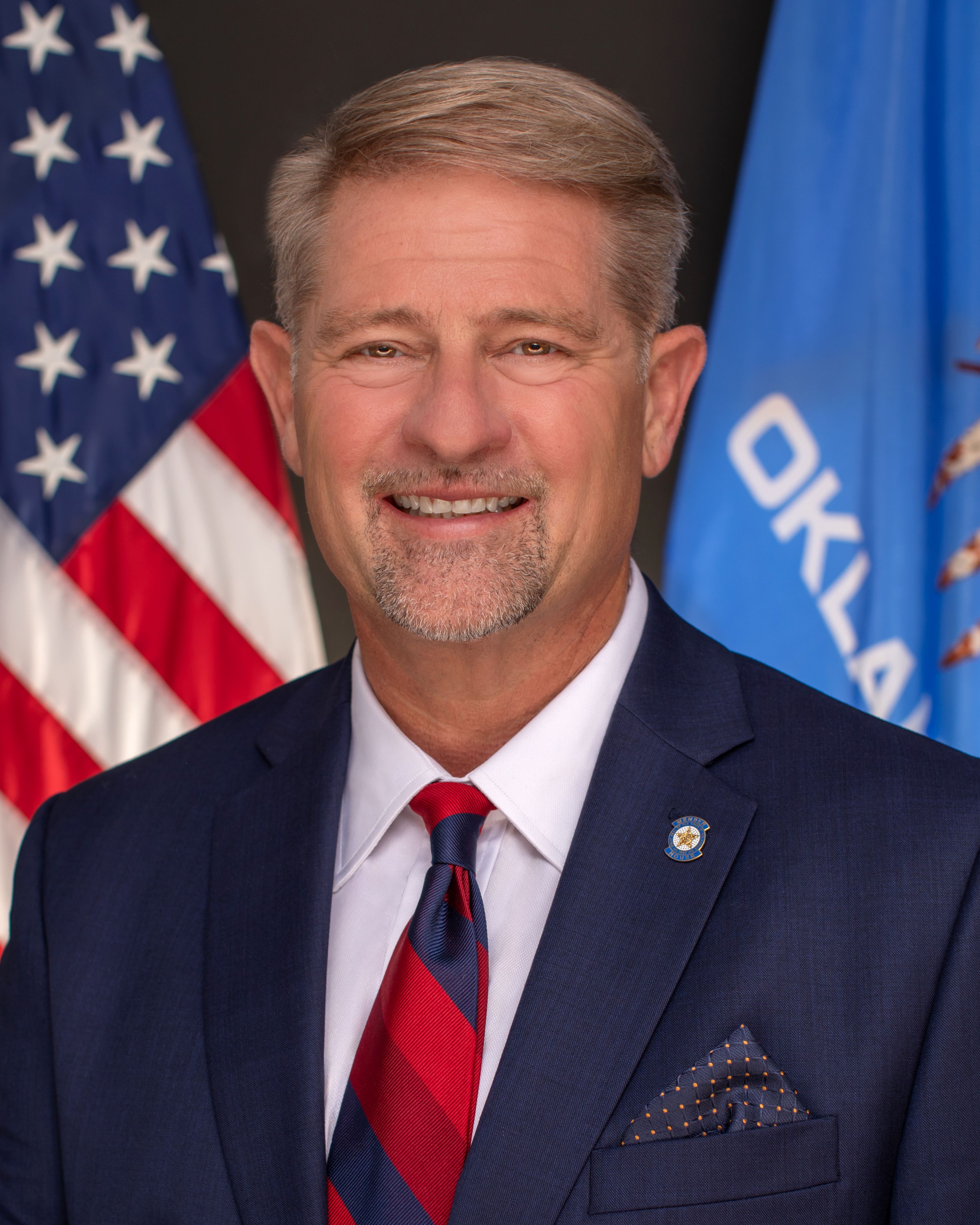
Preston Stinson
Preston Stinson House · District 96
R
Strong +
100% 20
DT
Dillon Travis House · District 35
R
Strong +
100% 4
Kevin Norwood
Kevin Norwood House · District 74
R
Strong +
100% 4
Robert Manger
Robert Manger House · District 101
R
Strong +
97% 29
Brian Hill
Brian Hill House · District 47
R
Strong +
96% 26
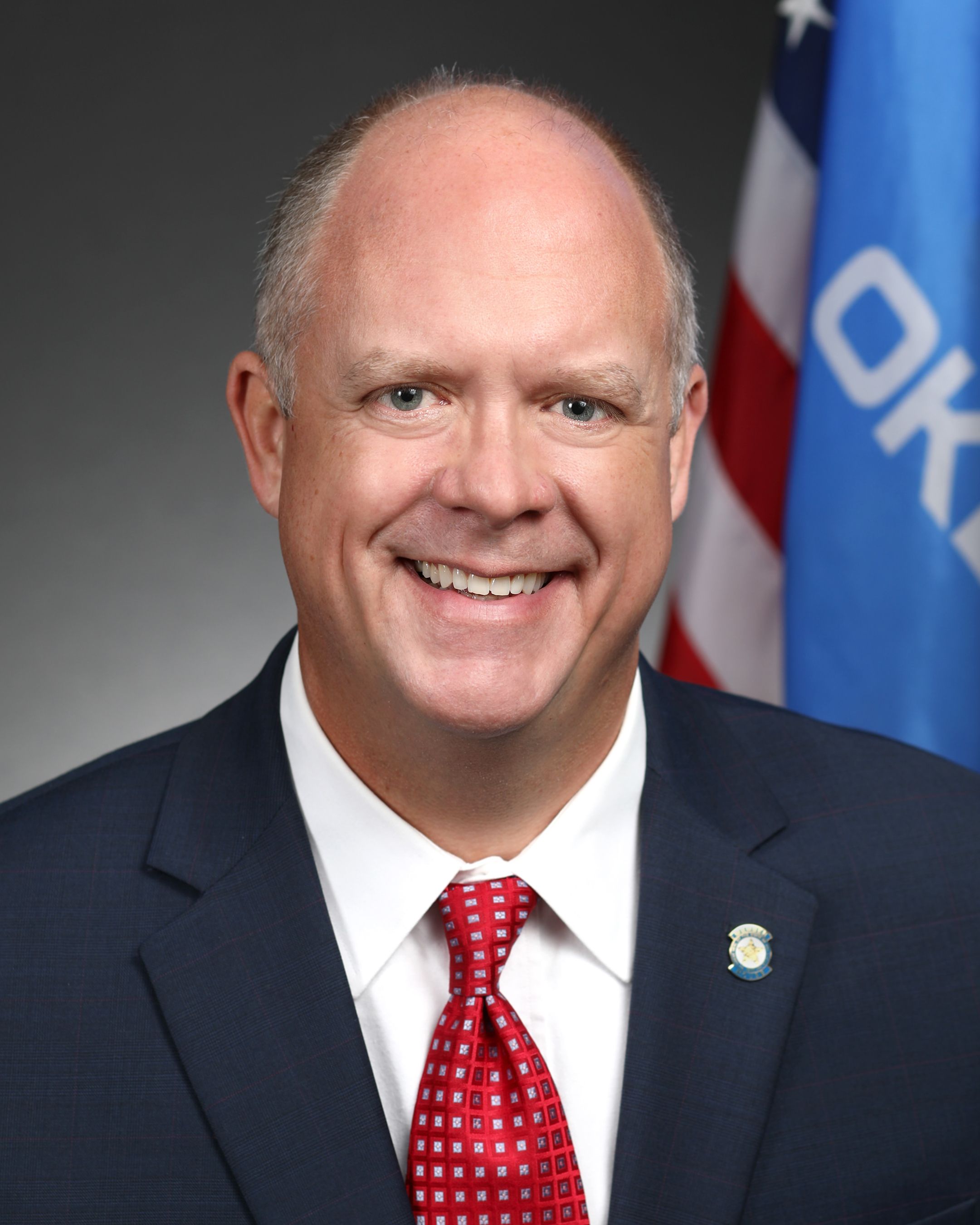
Jim Olsen
Jim Olsen House · District 2
R
Oppose
35% 20
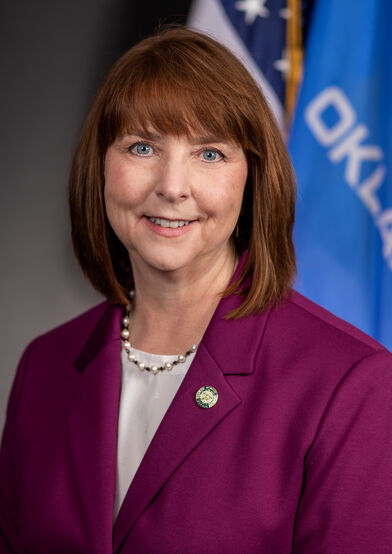
Mary Boren
Mary Boren Senate · District 16
D
Oppose
35% 20
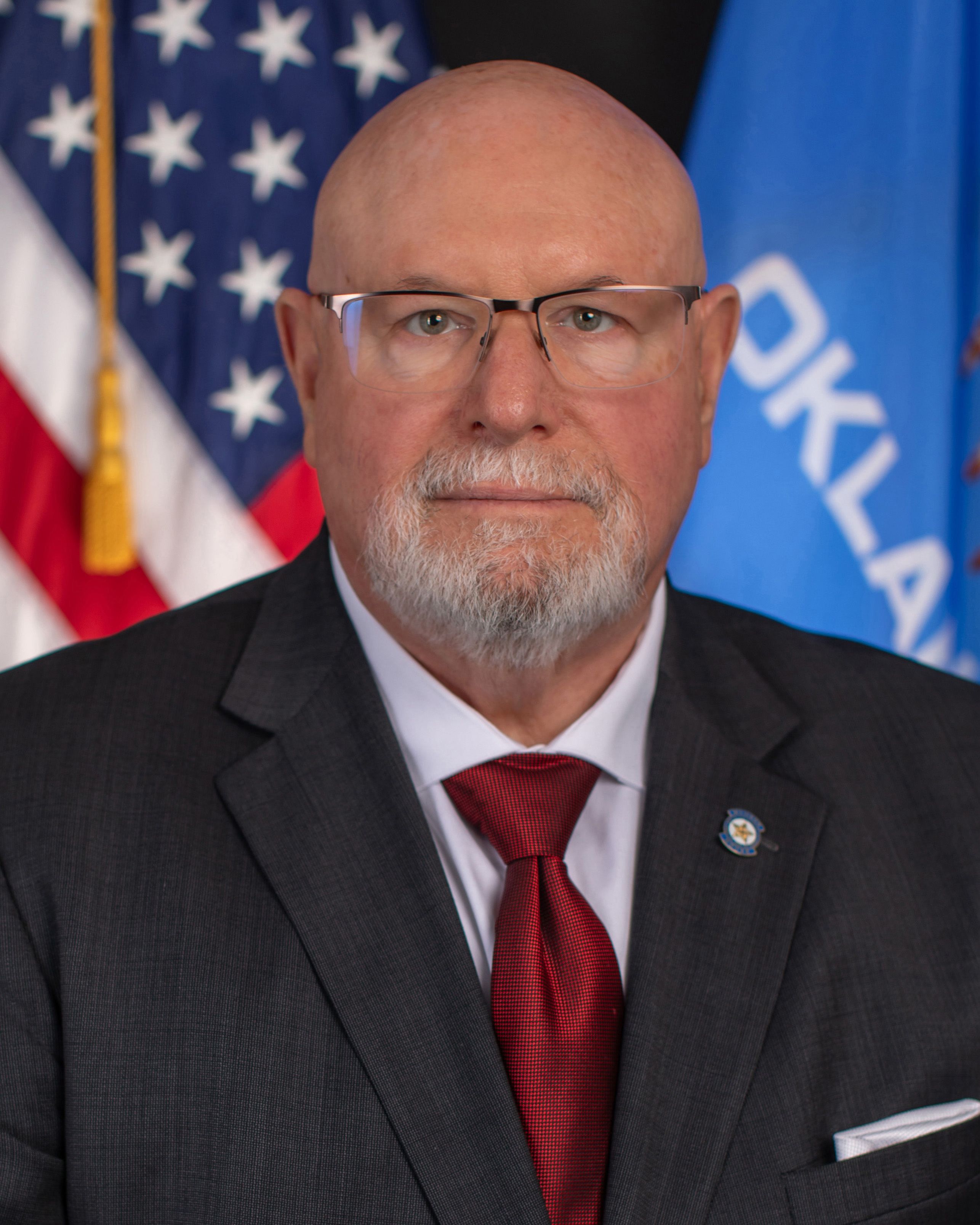
Rick West
Rick West House · District 3
R
Oppose
35% 20
Tom Gann
Tom Gann House · District 8
R
Oppose
36% 22
Jim Shaw
Jim Shaw House · District 32
R
Oppose
38% 21
Showing 31–40 of 120 bills

All budget & taxes bills

in committee · Oklahoma · Senate Feb 26, 2025

SB 1: Taxation; directing State Board of Equalization to make certain certification; reduction of income tax rate upon certain certification. Emergency.

SB 1 requires Oklahoma's State Board of Equalization to certify five-year revenue averages for oil, natural gas, and corporate income taxes. If annual tax collections exceed these averages by $400 million or more, it automatically reduces individual and corporate income tax rates. This directly affects all Oklahoma taxpayers by linking potential tax cuts to specific revenue growth thresholds. The $400 million trigger adjusts for inflation every decade starting in 2035.
in committee · Oklahoma · Senate Feb 3, 2026

SB 1402: Income tax; creating the Health Care Sharing Ministries Tax Parity Act; providing deduction for certain expenditures. Effective date.

SB 1402, the "Health Care Sharing Ministries Tax Parity Act," creates tax benefits for Oklahoma residents who participate in qualifying health care sharing ministries (HCSMs). It allows eligible residents to deduct qualified health care sharing expenses (including membership fees and administrative costs) from their Oklahoma adjusted gross income for tax years 2027 and later. Additionally, it exempts from taxable income any "qualified health care share" received by individuals through an HCSM for medical expenses. The bill defines HCSMs as not-for-profit, faith-based organizations that operate without insurance-like guarantees, and requires claims to be filed using forms prescribed by the Oklahoma Tax Commission.
Sub-Topics Income Tax
in committee · Oklahoma · House Feb 4, 2025

HB 1473: Revenue and taxation; Health Care Sharing Ministry Tax Parity Act; definitions; income tax deduction; effective date.

HB 1473, the "Health Care Sharing Ministry Tax Parity Act," allows Oklahoma residents who are active members of qualifying health care sharing ministries (HCSMs) to deduct their membership contributions from their state income taxes starting in 2026. It treats these deductions similarly to health insurance premiums, applying to self-employed individuals, employer contributions (as nontaxable benefits), and individuals covering themselves or dependents. To claim the deduction, members must provide documentation of contributions and membership, and false claims could result in $500 penalties per offense and three years of ineligibility. Funds received from HCSMs for medical expenses will not be considered taxable income under Oklahoma law.
Sub-Topics Income Tax Insurance
signed · Oklahoma · Senate May 27, 2025

SB 684: Income tax credit; relating to the Oklahoma Parental Choice Tax Credit Act; modifying tax years for which certain annual credit limit is enforced; prescribing procedure for enforcement of annual limit. Effective date. Emergency.

SB 684 modifies Oklahoma's Parental Choice Tax Credit Act by increasing the annual credit limit to $7,500 for eligible taxpayers claiming credits for private school tuition and related education expenses. It changes the tax years for which the credit limit applies and requires the Oklahoma Tax Commission to maintain a publicly accessible, searchable online list of all taxpayers claiming the credit, including their names, credit amounts, and the specific law authorizing the credit. This bill directly affects Oklahoma taxpayers claiming the education credit and participating private schools, which must provide information to the Tax Commission. The law also specifies that qualified expenses include tuition at accredited private schools or certain educational services like tutoring and materials. The changes take effect immediately upon the bill's approval.
passed · Oklahoma · House Apr 28, 2025

HB 1848: Revenue and taxation; income tax credit; childcare expenses; childcare services; definitions; effective date.

HB 1848 creates an Oklahoma income tax credit for employers that covers up to 30% of eligible childcare expenses for employees' children aged 5 or younger. Qualifying expenses include direct childcare assistance, operating a childcare facility for employees, or reserving spots at a licensed childcare facility. The credit is capped at $30,000 per employer annually and $5 million statewide per fiscal year, and applies to tax years 2026 through 2030. This policy aims to reduce childcare costs for working families by incentivizing employer-supported childcare solutions.
Sub-Topics Income Tax Tax Credits
in committee · Oklahoma · Senate Feb 17, 2025

SB 221: Income tax credit; Oklahoma Rural Jobs Act; providing expanded annual credit limitation for certain applications. Effective date. Emergency.

SB 221 doubles the annual state tax credit limit under Oklahoma's Rural Jobs Act, raising it from $15 million to $30 million for applications approved on or after July 1, 2025. It allows rural investment funds certified before this date to reapply for certification for subsequent projects, ensuring continuity for existing applicants. The bill requires rural funds to secure cash investments within 95 days of certification, with at least 10% coming from local sources like employees or affiliates, and mandates the Department to provide eligibility opinions within 15 business days. This directly affects rural investment funds and businesses in Oklahoma’s rural areas seeking tax credit-funded capital.
Sub-Topics Income Tax Tax Credits
in committee · Oklahoma · Senate Feb 25, 2026

SB 683: Education; Oklahoma Parental Choice Tax Credit Act; expanding qualifying expenses eligible for credit; requiring submission of receipt or list to claim certain qualifying expenses. Effective date.

SB 683 creates an Oklahoma income tax credit for families covering education expenses for eligible students. It directly affects Oklahoma taxpayers with children in accredited private schools or using approved alternative education methods (like homeschooling). The credit amount varies by family income: up to $7,500 annually for lower-income families ($75,000 adjusted gross income or less), decreasing to $5,000 for higher earners ($250,000+), with separate provisions for schools serving homeless or financially disadvantaged students. Qualified expenses include private school tuition, tutoring, textbooks, and standardized test fees, but exclude amounts covered by scholarships. The bill amends existing tax law to define terms and update references, effective for tax years 2024 and beyond.
signed · Oklahoma · Senate May 14, 2025

SB 573: Small business incubators; requiring submission of certain information to the Oklahoma Commerce Department to qualify for certain income tax exemption. Effective date.

SB 573 allows small businesses operating within Oklahoma incubators to qualify for up to 10 years of state income tax exemption on business income earned while occupying the incubator space. To maintain this exemption after 2025, businesses must annually submit specific financial and operational details - including employment levels, subcontractor payments, revenue estimates, and other financial information - to the Oklahoma Department of Commerce using a form created by the agency. The bill requires the Commerce Department to establish this reporting framework and mandates that businesses disclose prior tax exemptions and additional state incentives received. This law, effective November 1, 2025, applies directly to small businesses using incubator facilities to access the tax benefit.
Sub-Topics Business Taxes Income Tax Tax Incentives Tags Small Business
in committee · Oklahoma · Senate Feb 3, 2026

SB 1406: Income tax; creating the Health Care Sharing Ministries Tax Parity Act; providing deduction for certain expenditures. Effective date.

SB 1406 creates the "Health Care Sharing Ministries Tax Parity Act" in Oklahoma, providing tax benefits for residents participating in health care sharing ministries (HCSMs). It allows eligible Oklahoma residents (qualified individuals) to deduct membership fees and medical sharing costs paid to HCSMs from their taxable income, and exempts payments received from HCSMs from taxable income for tax years 2027 and later. The bill defines HCSMs as tax-exempt organizations operating under specific ethical/religious guidelines without insurance-like guarantees, requiring quarterly financial statements and public disclaimers. These tax provisions apply only to residents actively enrolled in an HCSM for at least one month during the tax year, with claims filed using forms prescribed by the Oklahoma Tax Commission. The bill takes effect November 1, 2026.
Sub-Topics Income Tax
died · Oklahoma · House Feb 5, 2025

HB 2091: Revenue and taxation; income tax credit; rent; procedures; effective date.

HB 2091 creates a refundable state income tax credit for Oklahoma residents who pay rent for their primary residence. Starting in 2026, eligible taxpayers can claim up to $110 annually, with future credit amounts adjusted yearly based on inflation measured by the Consumer Price Index. To claim the credit, individuals must provide their landlord's name, rental address, and annual rent paid on a form required by the Oklahoma Tax Commission. The credit applies to all qualifying renters, not just low-income households, and becomes effective November 1, 2025.
Showing 31 to 40 of 120 bills
Previous 1 3 4 5 12 Next