Issue · Budget & Taxes

Budget & Taxes (Income Tax)

Every budget & taxes bill, vote, and legislator stance in Oklahoma, automatically classified by Maddy, our AI policy reader.

Total bills
138
2026 Regular Session
Top supporter
Preston Stinson
100% support rate
Top opponent
Jim Olsen
35% support rate
Ranked legislators
10
5 support · 5 oppose
Key legislators

Who's moving income tax in Oklahoma

Legislators moving income tax in Oklahoma
Legislator Party Stance Support rate Votes
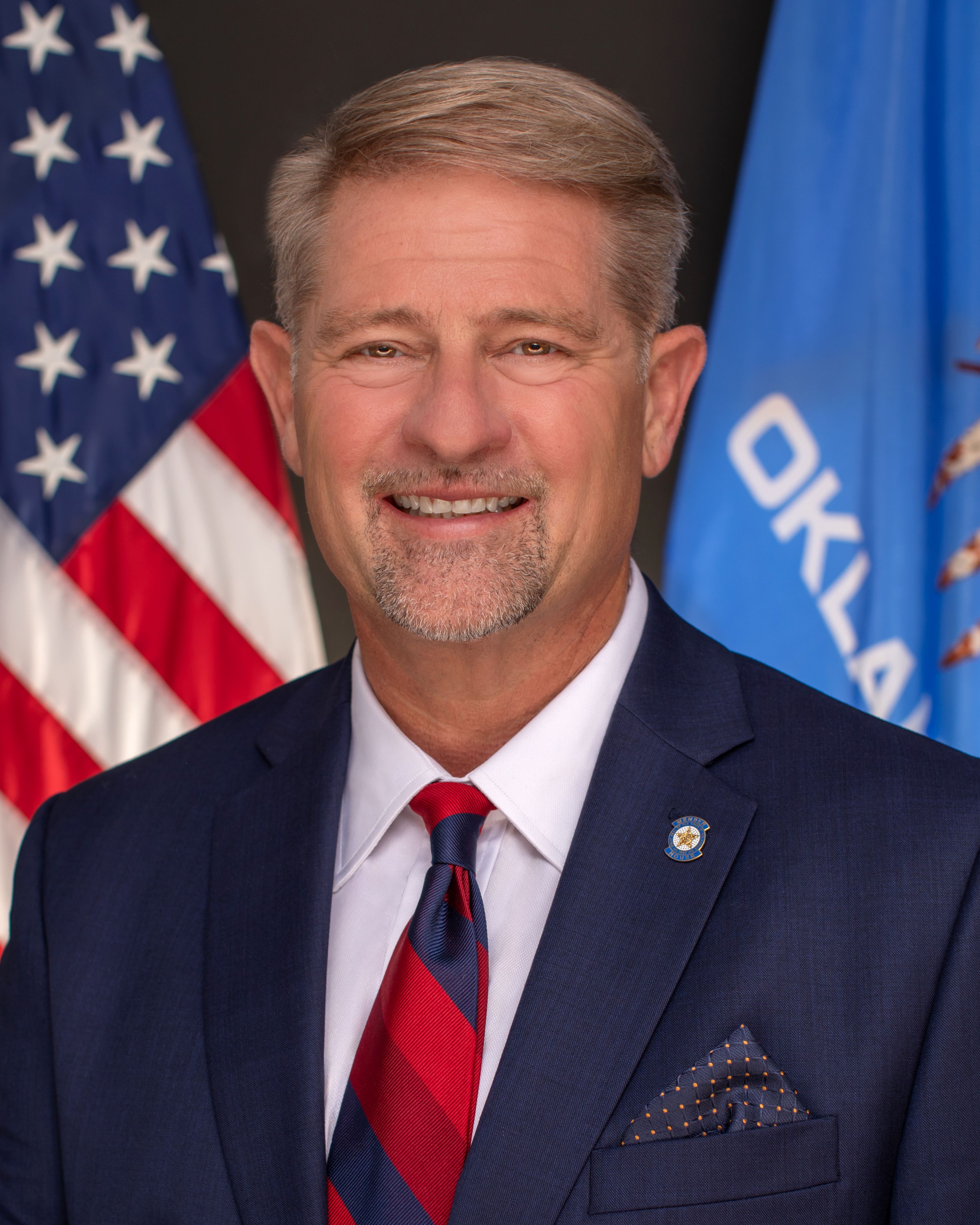
Preston Stinson
Preston Stinson House · District 96
R
Strong +
100% 20
DT
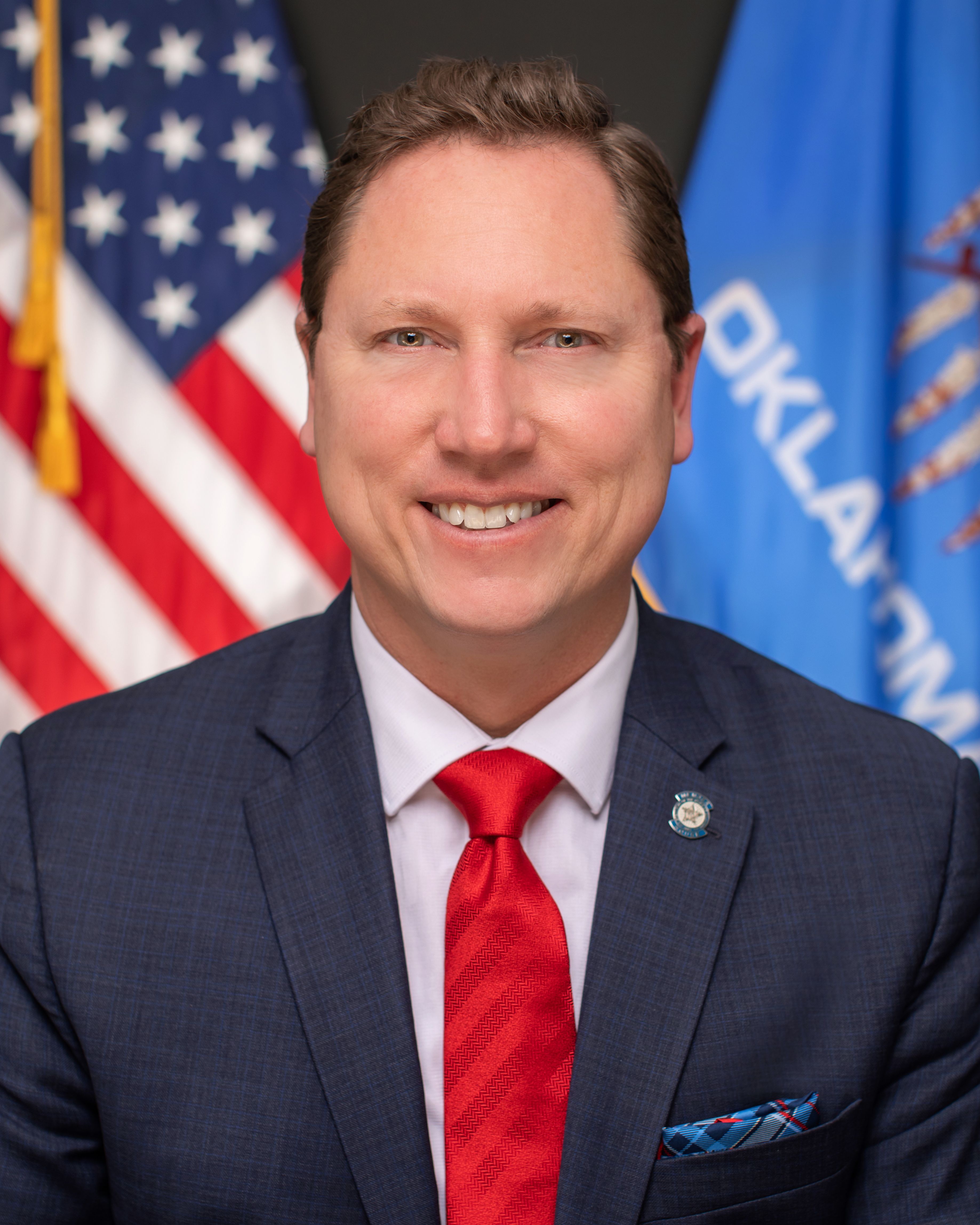
Dillon Travis House · District 35
R
Strong +
100% 4
Kevin Norwood
Kevin Norwood House · District 74
R
Strong +
100% 4
Robert Manger
Robert Manger House · District 101
R
Strong +
97% 29
Brian Hill
Brian Hill House · District 47
R
Strong +
96% 26
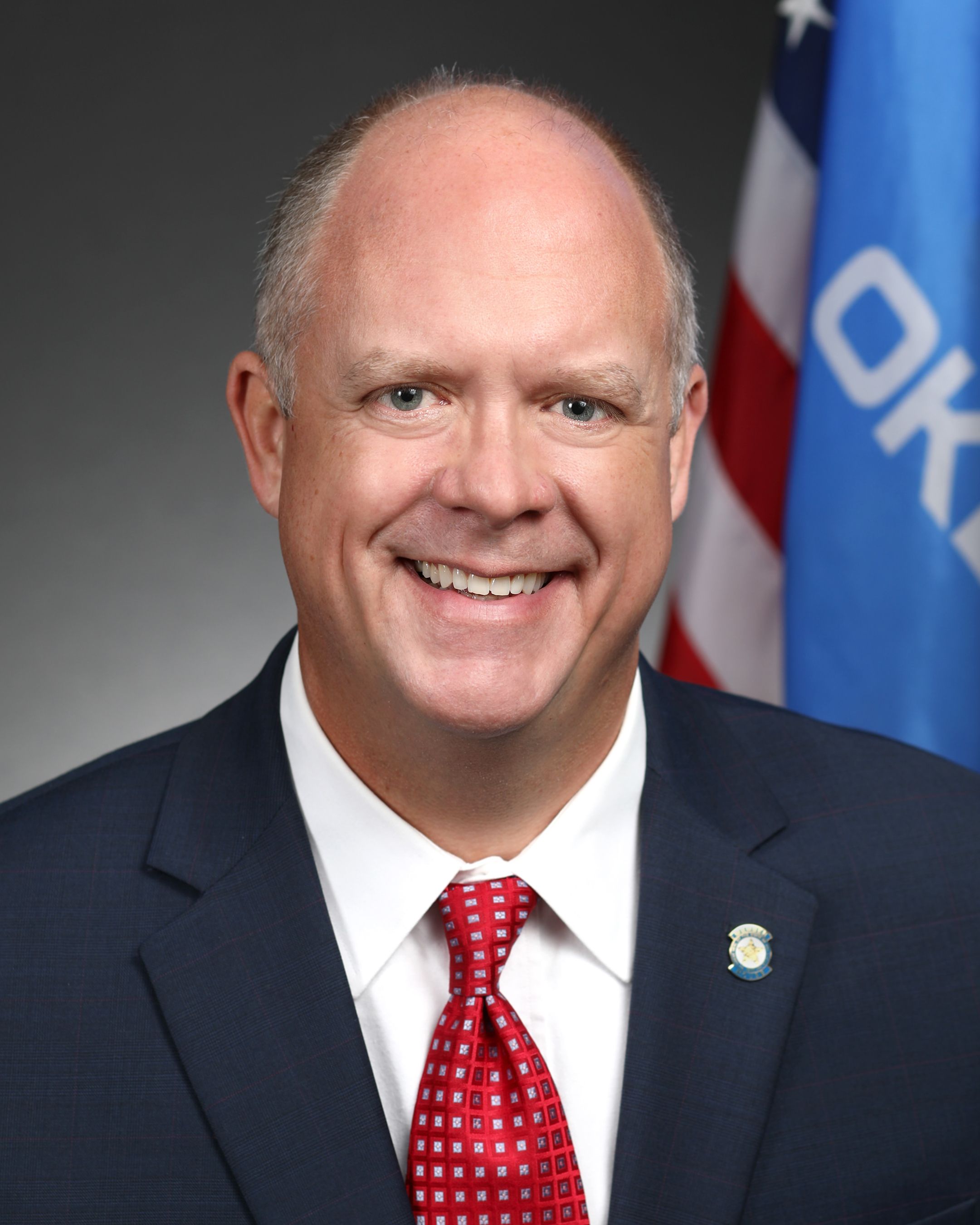
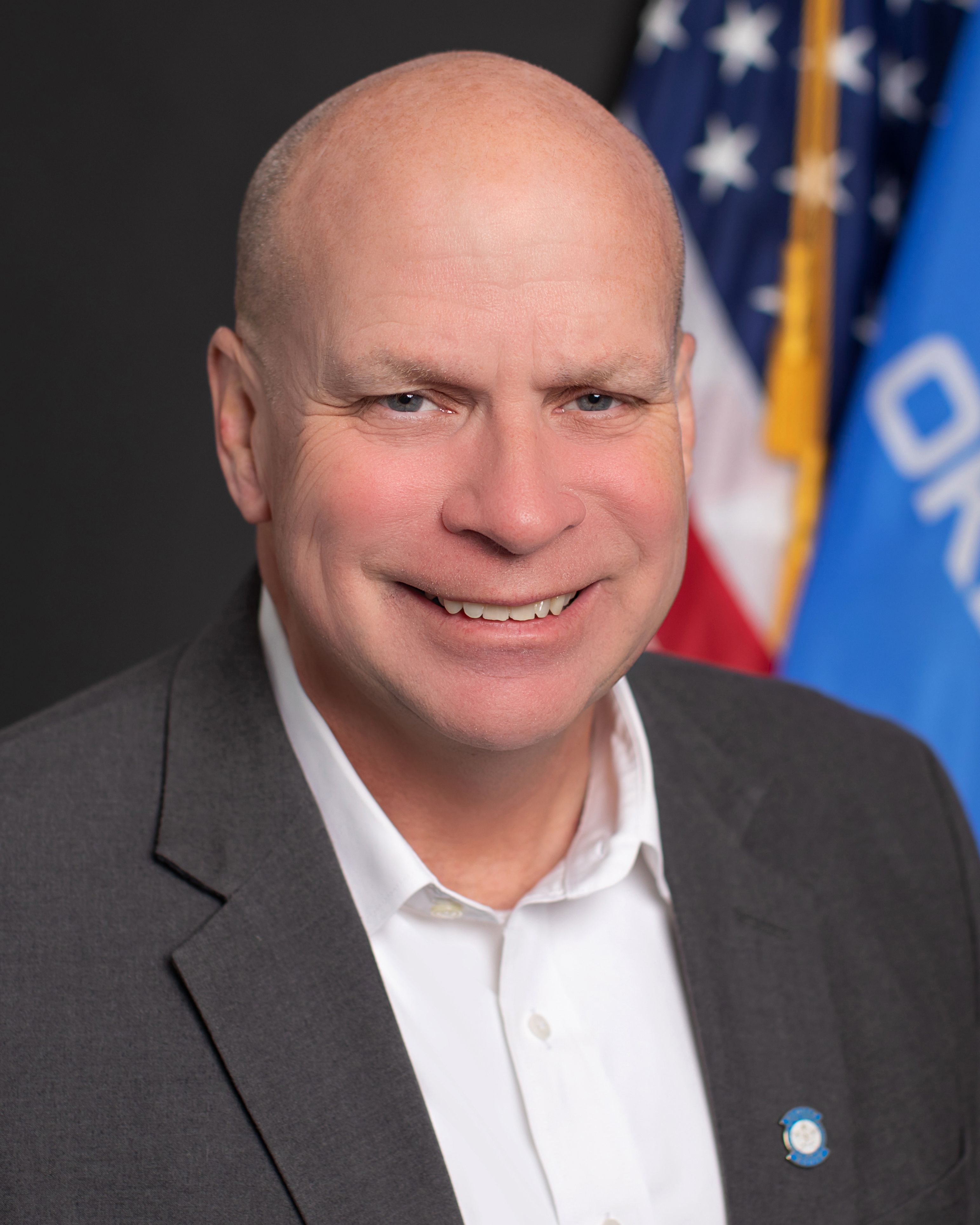
Jim Olsen
Jim Olsen House · District 2
R
Oppose
35% 20
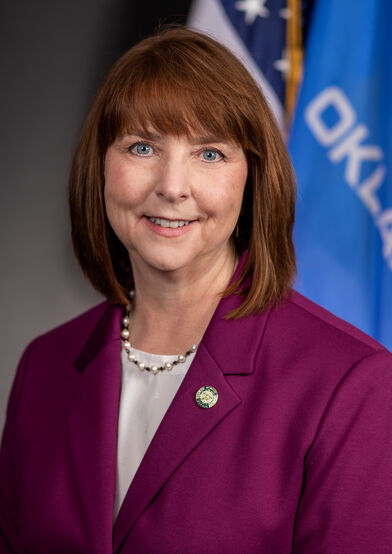
Mary Boren
Mary Boren Senate · District 16
D
Oppose
35% 20
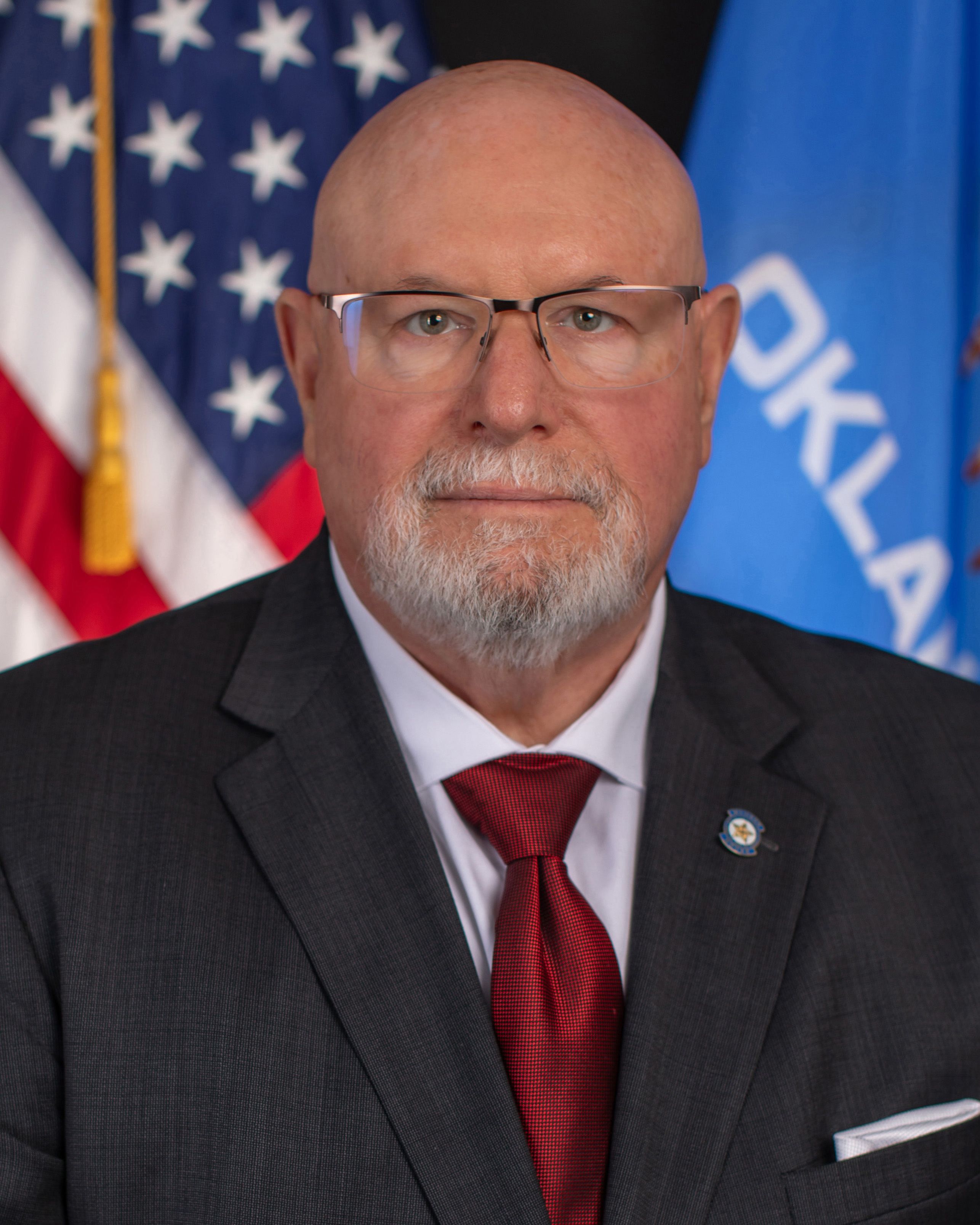
Rick West
Rick West House · District 3
R
Oppose
35% 20
Tom Gann
Tom Gann House · District 8
R
Oppose
36% 22
Jim Shaw
Jim Shaw House · District 32
R
Oppose
38% 21
Showing 121–130 of 138 bills

All budget & taxes bills

in committee · Oklahoma · Senate Feb 4, 2025

SB 106: Income tax; providing credit for employers who make payments on student loan debt of employees. Effective date.

SB 106 creates a 30% tax credit for Oklahoma employers who pay down employees' student loan debt, effective for tax years starting in 2026. The credit directly affects employers (not employees) and cannot reduce tax liability below zero, but unused portions can be carried forward for up to 10 years. Employers must claim the credit using forms and documentation specified by the Oklahoma Tax Commission. The bill takes effect November 1, 2025.
Sub-Topics Income Tax Tax Credits
in committee · Oklahoma · House Feb 4, 2025

HB 1469: Schools; Oklahoma Parental Choice Tax Credit Act; website requirements; effective date.

HB 1469 creates an income tax credit program for Oklahoma taxpayers covering qualified education expenses for eligible students. It directly affects parents, guardians, or legal custodians who pay for private school tuition or approved educational services (like tutoring, materials, or assessments) for children in Oklahoma. The credit amount varies by family income (ranging from $5,000 to $7,500 annually) and includes special provisions for schools serving homeless students or financially disadvantaged students (90% of enrollment below 250% of federal poverty level). The bill requires taxpayers to submit receipts to the Oklahoma Tax Commission and limits credits to expenses not covered by scholarships or discounts.
in committee · Oklahoma · House Feb 6, 2025

HB 1267: Revenue and taxation; income tax; rate; effective date.

HB 1267 adjusts Oklahoma's individual income tax rates for tax years beginning in 2024. It lowers the top marginal tax rate from 5.50% to 4.75% for most taxpayers (single filers and married couples filing jointly), creating new tax brackets starting at 0.25% for lower income levels. The bill eliminates deductions for federal income taxes when calculating Oklahoma taxable income. These changes affect all Oklahoma residents and nonresidents filing state income tax returns for 2024 and subsequent years, with the top rate reduction contingent on a State Board of Equalization determination.
died · Oklahoma · House Feb 6, 2025

HB 1788: Revenue and taxation; individual income tax; rates; brackets; standard deduction amounts; effective date.

HB 1788 amends Oklahoma's individual income tax rates for taxable years beginning in 2024 and ending in 2025. It lowers tax brackets across the board, reducing the top marginal rate from 5.5% to 4.75% for single filers and married couples filing jointly. The bill also eliminates the deduction for federal income taxes paid when calculating taxable income. These changes directly affect all Oklahoma individual taxpayers filing state income tax returns during the 2024-2025 tax years.
Sub-Topics Income Tax
in committee · Oklahoma · Senate Feb 4, 2025

SB 296: Income tax; expanding credit to include instructor pilots. Effective date.

SB 296 expands Oklahoma's existing income tax credit program to include instructor pilots working for aerospace employers. It defines "instructor pilot" as FAA-licensed flight instructors employed in Oklahoma under federal government contracts, who were not previously working in the aerospace sector. Employers can claim a tax credit equal to 5-10% of an instructor pilot's compensation (depending on where they earned their degree), capped at $12,500 annually for up to five years. This affects aerospace employers hiring qualifying instructor pilots and provides a direct tax benefit to those employers, not the pilots themselves.
Sub-Topics Income Tax Tax Credits
died · Oklahoma · House Feb 17, 2025

HB 2366: Revenue and taxation; income tax credit; biomanufacturing; effective date.

HB 2366 creates a $5,000 annual income tax credit for qualified employees working in Oklahoma's biomanufacturing sector, available for up to five years total per employee. It directly affects new employees (not previously working in the sector) who hold relevant engineering degrees from ABET-accredited programs or hold a Professional Engineer license. The credit applies to taxable years beginning after December 31, 2025, and cannot reduce tax liability below zero, with unused credits carryable to subsequent years. Employers must be "qualified" (engaged in biomanufacturing), and employees must meet specific education or licensing criteria to qualify.
in committee · Oklahoma · Senate Feb 4, 2025

SB 826: Income tax credit; providing tax credit for contributions to charitable organizations. Effective date.

SB 826 creates Oklahoma income tax credits for donations to specific charitable organizations. Taxpayers can claim a credit of up to $400 (single/head of household) or $800 (married filing jointly) for contributions to organizations serving low-income households, people with chronic illnesses/disabilities, or up to $500/$1,000 for foster care-focused organizations. Credits cannot reduce tax liability below zero, must be claimed on a state form, and cannot be used if federal deductions for the same donations are claimed. Organizations must provide written certification to the Tax Commission verifying they meet eligibility requirements, including spending at least 50% of their budget on qualifying services. The credit is non-refundable but can be carried forward for up to five years if unused in a tax year.
Sub-Topics Income Tax Tax Credits
in committee · Oklahoma · Senate Feb 4, 2025

SB 100: Income tax; exempting certain income from taxable income. Effective date.

SB 100 amends Oklahoma's income tax code to adjust how taxable income is calculated for individuals and corporations. It requires adding interest income from state or local government obligations (not already exempt) to taxable income, while also deducting amounts the state cannot tax due to federal or constitutional restrictions. The bill further modifies how federal net operating loss deductions are calculated, including specific rules for carryovers and allocations based on property location. This directly affects Oklahoma taxpayers and businesses when determining their state tax liability. The changes aim to align Oklahoma tax calculations with federal rules while updating statutory references.
in committee · Oklahoma · House Feb 4, 2025

HB 1206: Revenue and taxation; income tax; rate; effective date.

HB 1206 lowers Oklahoma's top individual income tax rate for taxable years beginning in 2024. It reduces the highest marginal rate from 5.50% to 4.75% for most taxpayers, applying to income above specific thresholds (e.g., $2,300 for single filers, $4,600 for married couples filing jointly). The bill affects all Oklahoma residents and nonresidents filing individual income tax returns. It also eliminates the deduction for federal income taxes when calculating taxable income. The new rates take effect January 1, 2024, as specified in Section C of the amended tax code.
in committee · Oklahoma · Senate Feb 4, 2025

SB 255: Revenue and taxation; authorizing a state income tax credit for expenditures made for purchase of feral swine removal equipment. Effective date.

SB 255 creates a 70% state income tax credit for Oklahoma taxpayers who purchase equipment to control feral swine, directly affecting agricultural landowners (individuals or businesses owning ≥20 acres). The credit covers 70% of qualified equipment costs - such as traps, cameras, or barriers - used to reduce crop damage, habitat destruction, or other harm caused by feral swine. The credit is capped at $15,000 total across all tax years and can be carried over for up to five years if unused. It requires proof of agricultural land ownership and excludes businesses that profit from removing feral swine for hire.
Sub-Topics Income Tax Tax Credits
Showing 121 to 130 of 138 bills