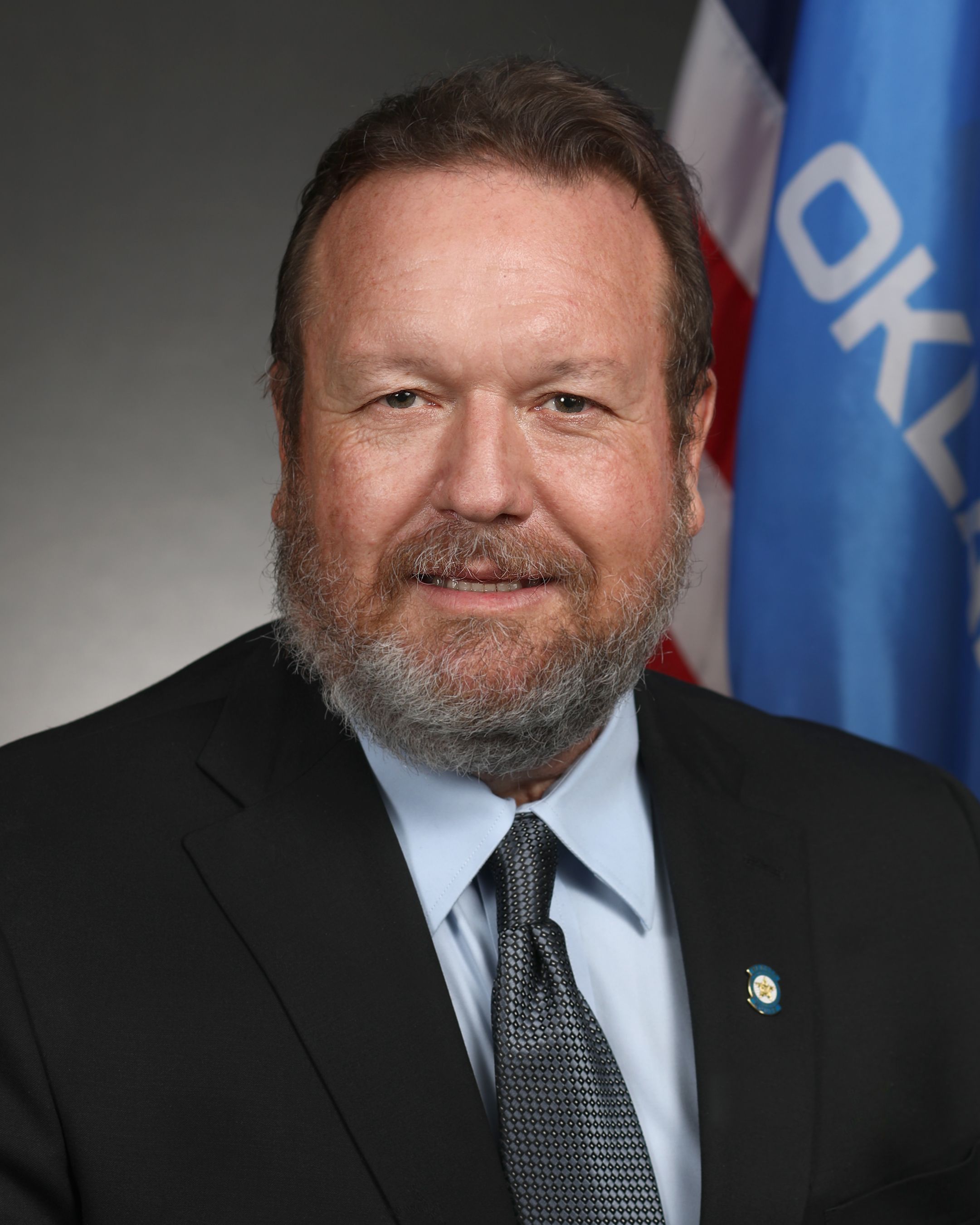
HB 2754 establishes the Oklahoma Rural Hospitals Funding Assistance Grant Program to provide financial support to qualifying rural hospitals. It directly affects publicly owned hospitals in towns with fewer than 5,000 residents that meet federal critical access hospital standards. The program creates a revolving fund in the state treasury, administered by the State Department of Health, to award grants prioritizing areas with significant healthcare access barriers due to distance. Grants are limited to the total funds available in the revolving fund, and the program becomes effective July 1, 2025.
HB 2019 amends Oklahoma's tax code to create two new tax credits for the aerospace industry. It allows Oklahoma aerospace employers to claim a credit equal to 5-10% of wages paid to employees with Oklahoma degrees (up to $12,500 annually), and employees to claim up to $5,000 annually in tax credits for tuition reimbursement (capped at $5,000 total over five years). Both credits apply only to the first five years of employment and cannot reduce tax liability below zero. The bill extends these credits through 2032 (previously 2026) and takes effect November 1, 2025. It directly affects Oklahoma aerospace companies and their employees who meet the education and employment criteria.
HB 1540 creates the Oklahoma Workforce Education Partnership Revolving Fund within the State Treasury to support career and technology education programs. The fund, managed by the Oklahoma Department of Career and Technology Education (ODCTE), will use state appropriations, gifts, and donations to expand career tech education based on critical occupation data. It operates as a reusable fund (replenished by incoming revenue) until July 1, 2030, with expenditures requiring state treasurer warrants. The bill directly affects ODCTE's ability to fund workforce training programs, aiming to align education with local job market needs.
HB 2590 requires Oklahoma's Office of Management and Enterprise Services to create a standardized form for state agencies evaluating vendors managing federal funds. This form must include specific vendor details like legal name, incorporation jurisdiction, principal officers' names, prior federal fund management experience, recent financial audits, and pending lawsuits. It directly affects state agencies contracting with external vendors for federal fund management. The bill mandates this form be used starting July 1, 2025, to standardize vendor vetting processes.
HB 2407 creates a $2 million revolving fund in the Oklahoma State Treasury, managed by the Department of Commerce, to provide grants for qualifying Main Street programs. To receive funding, a Main Street must first be designated by Oklahoma's Main Street Program, maintain that designation, and submit annual proof of eligibility. The grant funds, appropriated from the General Revenue Fund for fiscal year 2026, may be used for operational costs but cannot be relied upon for ongoing operations. The bill requires reallocation of unclaimed funds if a recipient loses their Main Street designation, effective July 1, 2025.
HB 1092 creates a $7,500 annual tax credit for Oklahoma residents who complete qualifying trade or vocational programs (such as HVAC, plumbing, or welding training) at approved Oklahoma schools. The credit, available for taxable years starting January 1, 2026, offsets income tax liability up to the actual tuition cost paid (whichever is lower), but cannot reduce tax below zero. Unused portions may carry forward for up to three years, and the credit can only be claimed once per individual after receiving program certification. This policy directly supports Oklahoma residents pursuing in-demand technical careers by reducing the cost of vocational education.
HB 1433 re-creates a revolving fund to support municipal audits conducted by Oklahoma's Special Investigative Unit. The bill specifies funding sources for this fund and sets an effective date of July 1, 2025, with an emergency clause allowing immediate implementation upon approval. It directly affects Oklahoma municipalities requiring audit services and the Special Investigative Unit's operational budget. The bill's core mechanism is establishing this dedicated funding stream to ensure consistent audit capacity for local governments. (Note: The provided context lacks detailed policy provisions beyond the title, effective date, and fund structure.)
HB 1203, the Strategic Bitcoin Reserve Act, would allow Oklahoma's State Treasurer to invest up to 10% of specific state funds (General Fund, Revenue Stabilization Fund, and Constitutional Reserve Fund) in Bitcoin or digital assets with a $500 billion+ market cap, plus approved stablecoins. The bill requires all digital assets to be held through secure custody solutions meeting strict security standards, including multi-party governance and encrypted storage in geographically diverse facilities. It also mandates that taxes paid in Bitcoin be converted to U.S. currency and transferred to the State General Fund, and permits state retirement funds to hold digital assets under similar secure custody rules. The act applies directly to state treasury operations, retirement funds, and tax collection processes. The bill was introduced in 2025 but failed in committee in April 2025.
HB 1420 requires Oklahoma state agencies to reduce owned and leased property by prioritizing the sale of underutilized state-owned assets, eliminating unnecessary leases, and using existing property instead of new construction. It mandates that all state agencies obtain approval from the Office of Management and Enterprise Services before leasing, purchasing, or constructing new property, with proceeds from sales deposited into a dedicated building maintenance fund. The bill also requires annual public reporting on property sales, lease reductions, and fund usage, while exempting agencies like the Oklahoma Department of Transportation and Turnpike Authority from these requirements. This policy directly affects all state agencies (except the exempted entities) by changing how they manage real estate assets and funding for building maintenance.
HB 2402 would create tax breaks and grants to attract manufacturers of low-temperature waste heat electrification technology (recovering heat below 200°C) to Oklahoma. Companies investing $10 million+ with 50+ new jobs would get up to 30% corporate tax breaks for five years (renewable), while larger investments ($20 million+ with 100+ jobs) qualify for 50% breaks. The state would cap annual spending at $8 million, with unused funds rolling over, and prioritize grants for facilities in economic development zones or energy-sector projects. Manufacturers must meet specific technology standards, submit job/investment plans, and report annually on progress to the Oklahoma Department of Commerce.