

Maddy summaryThis bill is a non-binding resolution that expresses the House of Representatives' sentiment to honor public servants for their dedication to the United States. It specifically acknowledges the work of federal, state, and local government employees, as well as uniformed service members, who deliver essential services and support the economy. The resolution calls on the American public to observe Public Service Recognition Week with ceremonies and activities that recognize these contributions. Because it is a symbolic expression of the House's feelings rather than a law with enforceable rules, it does not create new policies or mandate specific actions.
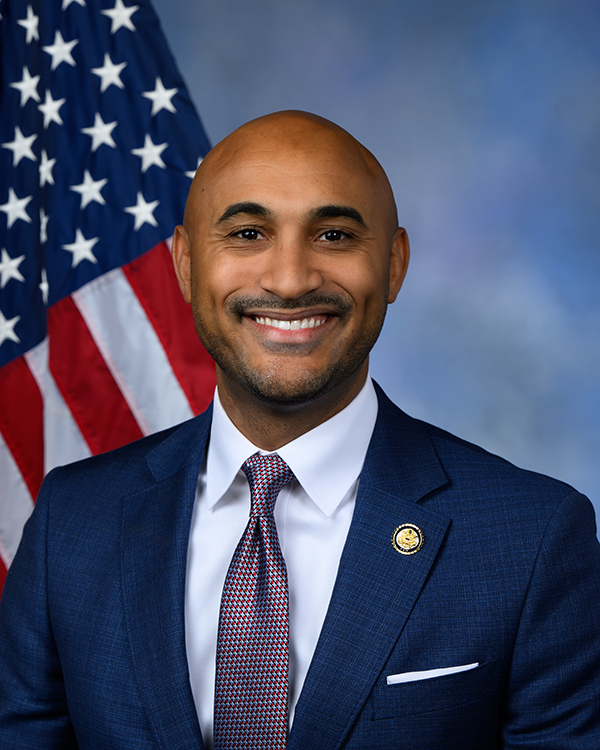
Rep. Shomari Figures
Sponsored bills
Maddy summaryThe Special Election Timeliness Act requires states to hold special elections to fill vacancies in the U.S. House of Representatives within 180 days, unless a regular general election is scheduled during that period. This law directly affects state officials who manage elections and federal representatives who may lose their seats due to death, resignation, or failure to be elected. The bill establishes legal enforcement mechanisms, allowing the Attorney General or aggrieved federal leaders to sue state executives in federal court if these deadlines are missed. By setting a specific timeline, the legislation aims to ensure timely representation in Congress without altering the existing process for nominating candidates.
Maddy summaryThe Rural Animal Shelter Investment Act allows rural animal shelters to apply for federal loans and grants previously reserved for essential community facilities like schools and libraries. By amending the Consolidated Farm and Rural Development Act, the bill officially classifies these shelters as essential community facilities, making them eligible for financial assistance under the Community Facility Direct Loan and Grant Program. The changes will take effect 180 days after the law is enacted, providing a specific timeline for when shelters can begin accessing these funding opportunities.
Maddy summaryThe Veterinary Education Equity Act amends the National Agricultural Research, Extension, and Teaching Policy Act to include 1890 Institutions in a veterinary services grant program. Under this change, the Secretary of Agriculture must give higher priority to grant projects submitted by these historically Black colleges and universities. The bill directly affects 1890 Institutions by increasing their chances of receiving federal funding for veterinary education and research initiatives.
Maddy summaryThe Rural Health Resilience Act of 2026 creates a new program to provide loans and loan guarantees to struggling health facilities in rural areas to prevent them from closing or cutting essential services. This assistance is available to various types of rural hospitals, clinics, and behavioral health centers that demonstrate financial distress through metrics like low operating margins or insufficient cash reserves. The funds can be used for facility repairs, covering operational costs such as payroll and supplies, paying down debt, or bridging gaps in insurance reimbursements. Additionally, the program prioritizes support for sole community providers and areas with high poverty rates, and requires the Secretary of Agriculture to report on the program's outcomes to Congress within 18 months.
Maddy summaryThe Save SNAP Act of 2026 modifies how federal funding is allocated to states for the Supplemental Nutrition Assistance Program. It creates a hardship exception that allows the federal government to cover the full cost of food benefits for any state that cannot pay its required share due to financial difficulties. This change ensures that states facing unexpected budget shortfalls will not be forced to reduce or delay SNAP benefits for their residents. The new provisions take effect on October 1, 2026.
Maddy summaryThe HARVEST Act directs the Secretary of Agriculture to conduct a study by September 30, 2026, on how to better support 1890 Institutions in providing technical assistance for transferring agricultural land and assets. This initiative specifically aims to help the next generation of farmers and ranchers navigate issues related to heirs property, which is defined as land held jointly by relatives where title was acquired from a family member. The report will explore ways these educational institutions can improve their programs to facilitate the succession of farms and ranches to future generations.
Maddy summaryThe Rehabilitation of Historic Schools Act of 2026 allows public school buildings to qualify for federal tax credits when they are rehabilitated, provided the buildings were used as public schools for five years before and after the renovation. This change removes a previous restriction that had excluded public educational facilities from receiving these financial incentives. The bill requires the Treasury Department to report data on the number of rehabilitated schools, student enrollment, and renovation costs to Congress within five years of enactment. These provisions apply to properties placed in service after the law is passed, aiming to encourage the preservation and repair of historic public school infrastructure.
Maddy summaryThis bill reauthorizes three existing rural health care grant programs under the Public Health Service Act through 2030, extending funding from the previous 2021-2025 period. It requires all funded projects to directly serve rural underserved populations and involve these communities in planning, development, and operations. The programs support rural clinics, health networks, and quality improvement initiatives to expand access to care in underserved areas. Funding will now continue through 2030, maintaining critical support for rural health providers.
Maddy summaryThis bill, HR 8403, amends the Food and Nutrition Act of 2008 to modify the definition of eligible food items for the Supplemental Nutrition Assistance Program (SNAP). It directly affects SNAP recipients by expanding the types of food they can purchase with their benefits. The key provision explicitly adds "hot rotisserie chicken" to the list of items considered SNAP-eligible food. This change would allow individuals using SNAP to buy prepared hot rotisserie chickens from authorized retailers.