

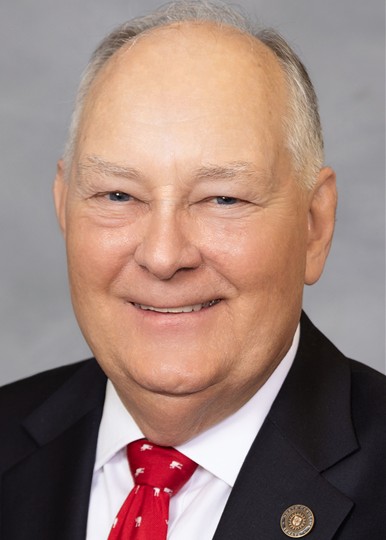
Photo of Brent Jackson
R North Carolina Senate · District 9 On the 2026 ballot

Sen. Brent Jackson

Compare
Total votes
743
all sessions
Attendance
98%
12 missed
Higher than 76% of chamber peers
With party
99%
of cast votes
Near the chamber average
Bipartisan score
0%
crosses aisle rarely
Near the chamber average
Sponsored
70
bills & resolutions
Lower than 80% of chamber peers
Committees
16
assignments
70 bills and resolutions

Sponsored bills

Total
70
Primary
32
Co-sponsor
38
This page
70
matching current filters
Co-sponsor SB 1078
In committee · North Carolina Senate · Co-sponsor
9th Senatorial District Local Act-2.

Maddy summaryThis bill is a local act that applies exclusively to North Carolina's 9th Senatorial District. It contains no substantive policy changes, funding allocations, or new regulations. The legislation serves only to formally relate to the district and becomes effective immediately upon passage.

In committee May 6, 2026 1 co-sponsor
Co-sponsor SB 316
Passed · North Carolina Senate · Co-sponsor
Lower Healthcare Costs.

Maddy summarySB 316 requires North Carolina hospitals and ambulatory surgical facilities to publicly disclose detailed pricing information for common medical services, including full charges, negotiated rates, and reimbursements from Medicaid, Medicare, and major insurers. Beginning in 2015, these facilities must submit quarterly reports to the state health department on the 100 most frequent inpatient diagnoses (DRGs) and common surgical/imaging procedures. The data will be made publicly available online, enabling patients and employers to compare costs and make informed healthcare decisions. This bill directly affects healthcare providers by mandating transparency but does not alter insurance coverage or set price limits. Its key mechanism is standardized reporting of pricing data to foster competition and affordability in the healthcare market.

Passed May 6, 2026 1 co-sponsor
Primary SB 940
died · North Carolina Senate · Lead sponsor
2026 Appropriations Act.

Maddy summarySB 940, titled the 2026 Appropriations Act, allocates state funds for the 2026-2027 fiscal year to support the daily operations of North Carolina state agencies, departments, and institutions. The bill distributes money from the General Fund, the Highway Fund, and the Highway Trust Fund to cover essential services, including transportation maintenance, while also funding federal block grants for health and other programs. It incorporates existing budget rules and applies only to the specific fiscal year unless other laws indicate a longer duration. The legislation becomes effective on July 1, 2026, and includes standard provisions ensuring that any remaining funds revert to their original sources at the end of the year.

died Apr 30, 2026 0 co-sponsors
Primary SB 914
died · North Carolina Senate · Lead sponsor
2026 Appropriations Act.

Maddy summaryThis bill, titled the Current Operations Appropriations Act of 2026, allocates state funding for the 2026-2027 fiscal year to cover the daily operations of North Carolina's government agencies, departments, and institutions. It distributes money from various sources, including the General Fund, the State Highway Fund, and the Highway Trust Fund, to support essential services such as transportation maintenance and federal block grant programs. The legislation also incorporates existing budget rules and specifies that its provisions apply only to the 2026-2027 period, with any unused funds reverting to the state at the end of the fiscal year.

died Apr 30, 2026 0 co-sponsors
Co-sponsor SB 916
died · North Carolina Senate · Co-sponsor
2026 Appropriations Act.

Maddy summaryThis bill authorizes the North Carolina General Assembly to allocate funding for state agencies and departments for the 2026-2027 fiscal year. It distributes money from the General Fund, Highway Fund, and federal block grants to cover current operations and maintenance costs. Unused funds are required to revert to the state treasury at the end of the fiscal year unless otherwise specified by law. The act becomes effective on July 1, 2026, and applies specifically to the 2026-2027 budget period.

died Apr 30, 2026 1 co-sponsor
Primary SB 915
died · North Carolina Senate · Lead sponsor
2026 Governor's Budget.

Maddy summarySB 915 establishes the 2026 Governor's Budget for North Carolina, allocating specific funding amounts to state departments, institutions, and agencies for their current operations. The bill directly affects a wide range of entities, including public schools, universities, health and human services agencies, and justice system bodies, by providing financial resources for their services. Key provisions include detailed dollar amounts for each fiscal year of the 2025-2027 biennium, with savings reverting to the state fund if not fully utilized. This legislation sets the financial framework for state government activities but does not specify new programs or policy changes beyond the budget allocations.

died Apr 30, 2026 0 co-sponsors
Co-sponsor SB 50
Vetoed · North Carolina Senate · Co-sponsor
Freedom to Carry NC.

Maddy summarySB 50, "Freedom to Carry NC," allows most North Carolina residents aged 18 or older (who are U.S. citizens) to carry concealed handguns without a permit, while maintaining existing permit options for reciprocity. The bill prohibits concealed carry for individuals with certain felony convictions, domestic violence misdemeanors, active warrants, or specific mental health or substance use conditions. It also requires carrying valid ID and disclosing concealed weapons to law enforcement upon request. Additional provisions include increased penalties for assaults on first responders, new offenses for felons discharging firearms during crimes, and expanded benefits for law enforcement families. The bill does not change current restrictions on carrying firearms in sensitive locations like schools or government buildings.

Vetoed Apr 6, 2026 1 co-sponsor
Co-sponsor SB 479
Signed into law · North Carolina Senate · Co-sponsor
SCRIPT Act.

Maddy summarySB 479, the SCRIPT Act, requires health insurers in North Carolina to allow patients to choose any participating pharmacy without restrictions. It prohibits insurers from imposing unequal copayments, financial penalties, or incentives that steer patients toward specific pharmacies. The bill directly affects insurers offering prescription drug coverage, independent pharmacies (defined as groups of 10 or fewer under common ownership), and patients seeking pharmacy services. Key provisions ensure equal treatment for all pharmacies in a plan and prevent insurers from limiting patient choice based on financial incentives.

Signed into law Jul 9, 2025 1 co-sponsor
Primary SB 295
Signed into law · North Carolina Senate · Lead sponsor
Clarify Motor Vehicle Dealer Laws.

Maddy summarySB 295 clarifies North Carolina's motor vehicle dealer laws to prevent unfair franchise terminations and protect dealers' transfer rights. It prohibits manufacturers from conditioning approval of dealership transfers, sales, or management changes on requirements like building new facilities, acquiring specific vehicle lines, or signing "right of first refusal" agreements. The bill also requires manufacturers to reimburse dealers' legal fees if they unreasonably deny a transfer and a court later overturns that decision. This directly affects car dealers seeking to sell their businesses or change ownership, and manufacturers who control dealership franchises.

Signed into law Jul 1, 2025 0 co-sponsors
Primary SB 639
Passed · North Carolina Senate · Lead sponsor
North Carolina Farm Act of 2025.

Maddy summarySB 639, the North Carolina Farm Act of 2025, updates agricultural water planning, addresses feral swine damage, and strengthens farm conservation protections. It requires the Department of Agriculture to revise the state’s agricultural water plan by 2026, including funding for water infrastructure, conservation practices, and flood mitigation. The bill creates a Feral Swine Working Group with industry and agency representatives to develop control strategies and report annually, while also mandating 100-foot vegetative buffers around protected farm tracts in new subdivisions. Local governments gain authority to deny development permits that would negatively impact agricultural production, directly affecting farmers, landowners, and municipal planning decisions.

Passed Jun 18, 2025 0 co-sponsors
Showing 11 to 20 of 70 bills
Previous 1 2 3 7 Next