

Maddy summaryThis bill directs $1 million in state funds to Forsyth County to help build affordable housing in Forsyth County and the City of Winston-Salem. The money will be given as a grant to Habitat for Humanity of Forsyth County, Inc., which will use it specifically for construction projects. The funding is designated as nonrecurring and is scheduled to become available starting July 1, 2026.
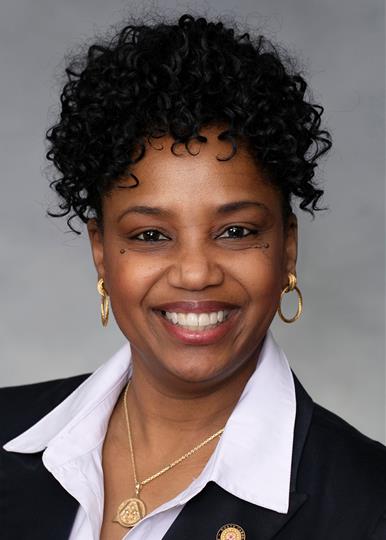
Sen. Kandie Smith
Sponsored bills
Maddy summarySB 907, known as the Ciji Graham Act, establishes a new High-Risk Pregnancy Care Navigation Program in North Carolina to assist patients with high-risk pregnancies by providing licensed nurse consultants who help coordinate care and address barriers like transportation and insurance. The bill also creates a statewide pregnancy consultation hotline for healthcare providers and community organizations to offer immediate clinical guidance and referrals, alongside a centralized digital hub containing clinical guidelines and a directory of specialists and facilities. Funded through the state General Fund, these measures aim to improve maternal health outcomes and reduce disparities by ensuring timely access to appropriate medical resources and services.
Maddy summaryThis bill, known as the Save SNAP Act, provides state funding to North Carolina's Department of Health and Human Services and its county partners to offset financial losses caused by recent federal changes to the Supplemental Nutrition Assistance Program. The legislation appropriates $16 million for state administrative costs and $69 million for county-level operations, ensuring these programs can continue despite reduced federal reimbursements. Additionally, the bill allocates $10 million to create a grant program that encourages innovative projects aimed at reducing errors in SNAP benefit payments. All funding is set to begin in the 2026-2027 fiscal year, with spending strictly limited to the actual amount of lost federal receipts.
Maddy summaryThe BUMP Act directs North Carolina's Department of Health and Human Services to provide free, evidence-based education on stillbirth prevention to pregnant patients and train prenatal care providers on monitoring fetal movement and managing related risks. Funded by $400,000 in recurring state money, the bill requires educational materials in English and Spanish to be given to all pregnant women, while also offering training for medical staff on recognizing warning signs like decreased fetal movement. Additionally, the legislation allocates $200,000 to launch a statewide "Count the Kicks" public awareness campaign that prioritizes outreach in areas with higher stillbirth rates to encourage expectant parents to track fetal movements. These measures aim to improve maternal and fetal outcomes by promoting awareness of risk factors and ensuring consistent clinical responses to potential complications.
Maddy summaryThis bill, known as the North Carolina CROWN Act, expands state employment discrimination laws to explicitly protect individuals from discrimination based on hair texture and protective hairstyles such as braids, twists, and locks. By legally defining these hair styles as traits associated with race, the legislation ensures that employers cannot deny hiring, firing, or otherwise discriminate against people because of their natural hair. The act also strengthens anti-retaliation protections for employees who report discrimination under these new provisions. To support implementation, the bill appropriates $100,000 for the Department of Labor to educate both employers and employees about the law's requirements and rights.
Maddy summaryThis bill reenacts North Carolina's state Earned Income Tax Credit (EITC) by updating the relevant law to apply for future tax years. It allows eligible low-to-moderate income individuals to receive a credit equal to 20% of their federal EITC amount, with the specific percentage varying based on the tax year. The credit is refundable, meaning taxpayers can receive a cash payment even if it exceeds their state tax liability, and the legislation includes a provision to automatically repeal the credit starting in 2014, which is overridden by the bill's effective date of January 1, 2026.
Maddy summaryThe Keep Families Fed Act directs $6 million in recurring state funding to six specific nonprofit food banks across North Carolina starting in the 2026-2027 fiscal year. These funds are distributed in equal amounts to each organization to help address food insecurity by supporting their existing programs. The legislation ensures that these vital food security initiatives receive guaranteed state support regardless of future annual budget decisions.
Maddy summaryThis North Carolina bill aims to improve menopause care by funding research, expanding insurance coverage, and protecting workers from discrimination related to menopausal symptoms. It directs the state health department to evaluate current medical knowledge, collect data on symptom prevalence, and create a strategic plan to address gaps in care, particularly for underserved populations. The legislation also incentivizes doctors to receive extra continuing education credits for studying menopause and mandates that Medicaid and private health insurers cover necessary treatments like hormone therapy and behavioral health services. Additionally, the bill includes provisions to prevent employment discrimination based on menopause and allocates five million dollars to fund these initiatives and public awareness campaigns.
Maddy summaryThis bill establishes a grant program in North Carolina to support community organizations focused on improving maternal health outcomes for Black women. The program provides funding ranging from $10,000 to $50,000 to eligible entities that offer evidence-based services, such as mental health support, doula care, and assistance with social needs like housing and transportation. Priority is given to organizations led by Black women and those serving communities with high rates of adverse maternal health outcomes. Recipients must also provide culturally respectful training for health workers and submit reports on how the funds are used to prevent maternal mortality and severe complications.
Maddy summaryThis bill allocates $200,000 from the state's General Fund to the City of Winston-Salem to help plan and operate the International Black Theatre Festival in 2026. The money is designated for nonrecurring expenses related to cultural programming and festival operations during July and August of that year. The funding becomes available on July 1, 2026, and is intended to support the event held in Winston-Salem.