

Maddy summaryThis bill establishes a new fund called the Contaminated Parks Remedial Account to help clean up environmental hazards in public parks across North Carolina. It directs money from taxes on trash disposal and corporate income to pay for assessing and fixing pre-1983 landfills or other inactive hazardous sites that make parks unusable. Local governments that own the affected parks must contribute one dollar for every four dollars provided by the state to share the cost of cleanup. The program is scheduled to begin in 2026, with funding amounts gradually increasing over time as more tax revenue is generated.
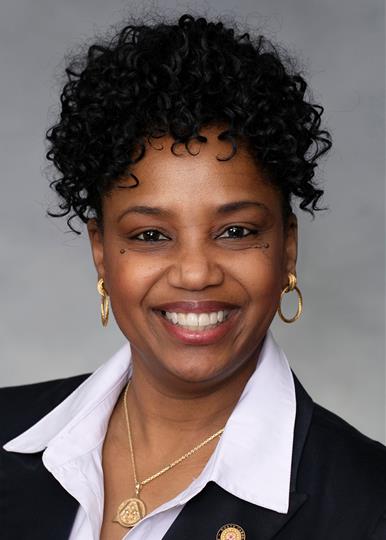
Sen. Kandie Smith
Sponsored bills
Maddy summaryThis bill provides funding to the North Carolina Department of Commerce for small business support and the Biotechnology Center, while also transferring the Advisory Council on Rare Diseases to the Department of Health and Human Services. It establishes a 19-member council with representatives from medical professionals, patients, caregivers, and industry stakeholders to advise on rare disease research and treatment. The legislation also creates a new reserve fund for life sciences and biomanufacturing technologies and allows certain water and sewer economic development projects.
Maddy summaryThis bill directs $250,000 to the North Carolina Association of County Commissioners to fund grants for counties that advertise property tax relief programs. It also modifies the state's homestead circuit breaker program by raising the income eligibility limit to $45,000 for single applicants starting in 2027, with a higher threshold for married couples. Additionally, the law requires counties to report their total tax deferrals to the Secretary of Revenue by September 1 to receive reimbursement for those amounts. These changes take effect for tax years beginning on or after July 1, 2027, and July 1, 2026, respectively.
Maddy summarySB 910 requires health insurance plans in North Carolina that cover pregnancy-related benefits to also cover infertility care for diagnosed individuals. The bill mandates specific coverage limits, including at least four oocyte retrievals, unlimited embryo transfers, and unlimited cycles of intrauterine and intracervical insemination. It also requires insurance to cover fertility preservation services, such as egg or embryo freezing, when a person has a medical condition that could impair their future fertility. This legislation directly affects insurance providers and individuals seeking assisted reproductive technologies or fertility preservation in the state.
Maddy summaryThis North Carolina bill establishes the COVID-19 Small Business Recovery Program to provide financial assistance to small businesses that suffered significant economic losses due to the pandemic. To qualify, a business must have had annual receipts of $8 million or less in 2019 and experienced at least a 25% drop in sales tax collections in 2020 compared to 2019. The program offers one-time grants of up to $250,000, with the total funding capped at $250 million, and requires recipients to keep their operations running for six months to avoid having to repay a portion of the grant.
Maddy summaryThis bill authorizes the State of North Carolina to transfer ownership of the North Carolina A&T State University Chancellor's residence to a nonprofit foundation for a nominal fee of one dollar. The legislation requires that if the foundation sells the property, the proceeds must be used to purchase a new residence for the university chancellor. The transfer is conducted without any warranties regarding the property's condition, title, or zoning, and the state has allocated $5,000 to cover administrative costs associated with the transaction.
Maddy summaryThis bill, titled the Dr. Janell Green Smith Maternal Health Accountability Act, aims to improve maternal health outcomes in North Carolina by formally recognizing and regulating Certified Professional Midwives alongside other licensed midwives. It requires hospitals to implement specific safety protocols, such as standardized emergency response plans and annual bias training for staff, while prohibiting care denial based on the type of provider or birth setting. To ensure transparency, the legislation mandates that healthcare facilities annually report detailed data on maternal mortality, morbidity, and other key metrics to the state Department of Health and Human Services, with this data made publicly available and broken down by race and geography. Additionally, the bill establishes a statewide reporting and navigation system to help patients access grievance processes, legal resources, and mental health support.
Maddy summaryThe Safe Camps Act establishes a new permitting and safety program for youth camps in North Carolina, requiring operators to obtain annual permits from the Department of Health unless they are religiously sponsored day camps. Key provisions include a ban on placing cabins in floodplains, mandates for emergency planning and warning communication systems, and the creation of minimum safety standards for campgrounds covering sanitation, water, and aquatic safety. The bill also defines specific terms like "youth camp" and "cabin" to clarify which facilities are regulated and outlines a process for updating permits after significant changes to camp structures or boundaries. Implementation of these rules will be overseen by the Department of Health, which will provide technical assistance and conduct inspections to ensure compliance.
Maddy summaryThis North Carolina legislation reinstates a state tax credit for individuals who claim the federal Earned Income Tax Credit. Eligible taxpayers would receive a credit equal to five percent of their federal EITC amount, which is refundable if it exceeds their state tax liability. The bill takes effect for tax years beginning in 2026 and includes a sunset provision that repeals the credit for tax years starting on or after January 1, 2029.
Maddy summaryThis bill establishes two main programs to improve mental health support in North Carolina public schools. First, it creates a grant program that provides $50 million to school districts to hire mental health professionals, prioritizing areas with students who have limited access to care. Second, it launches a loan repayment program offering $50 million to encourage mental health workers who graduated from UNC system schools to work in high-need areas by paying off up to 20% of their student debt over five years. The legislation includes reporting requirements to track how funds are used and to recommend future improvements.