

Maddy summarySB 371 would require North Carolina charter schools with four consecutive years of low academic performance (grades D/F with insufficient growth) to have their charters revoked. It directly affects charter schools identified as "continually low-performing," including the 14,400 students currently enrolled in such schools, and restricts their enrollment expansion until performance improves. Key provisions include mandating that charter schools display their annual performance grade on enrollment applications, limiting remote charter academies to three-year terms, and requiring the state board to identify consistently failing schools annually. The bill aims to address chronically underperforming schools by creating a clear pathway for charter cancellation while allowing limited exceptions for schools showing improvement. It takes effect for the 2025-2026 school year.
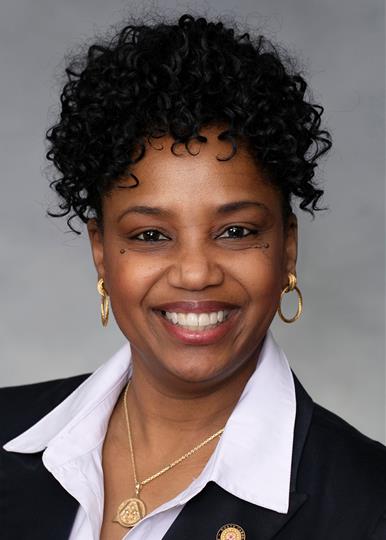
Sen. Kandie Smith
Sponsored bills
Maddy summarySB 293 appropriates $100,000 from North Carolina's General Fund to the Town of Pinetops for its volunteer fire department's equipment needs during the 2025-2026 fiscal year. The bill directly affects the Pinetops Fire Department by providing nonrecurring funds for purchasing or replacing equipment. It becomes effective July 1, 2025, and does not alter existing laws or create new requirements beyond this specific funding allocation.
Maddy summarySB 292 appropriates $3 million in state funds to the Town of Grifton for designing and constructing flood mitigation and resiliency projects. This bill directly affects Grifton residents and local infrastructure by providing dedicated funding to address flood risks. The key provision allocates nonrecurring state funds specifically for planning and building projects to reduce flood damage. The funding becomes available starting July 1, 2025, and applies solely to the Town of Grifton's flood resiliency efforts.
Maddy summarySB 305 allocates $3 million in recurring state funds to North Carolina's Department of Public Safety for the Community Emergency Response Team (CERT) program during the 2025-2026 fiscal year. The bill directs the Division of Emergency Management to use these funds to expand CERT training and actively promote community participation through partnerships with local organizations. Key provisions include establishing new training sessions and developing outreach strategies to encourage broader community engagement in emergency preparedness. This funding directly supports residents and local groups participating in CERT programs, focusing on practical disaster response skills. The bill becomes effective July 1, 2025.
Maddy summarySB 352 allocates $2.5 million annually from 2025-2027 to fund grants for nonprofit community health centers in North Carolina. These grants will allow centers to purchase and provide long-acting reversible contraceptives (LARCs), such as IUDs or implants, to underserved, uninsured, or medically indigent patients. LARCs must meet specific criteria: they provide extended birth control without daily user action, are temporary, FDA-approved, and require a prescription. The bill becomes effective July 1, 2025, focusing on expanding access to affordable, long-term contraceptive options.
Maddy summarySB 343, the "Secure Home, Secure Future Act," creates a new property tax relief program for qualifying North Carolina homeowners. It allows owners who have lived in and owned their primary residence for 15 consecutive years to cap annual property tax increases at 2% of the prior year’s tax amount (or the prior year’s tax, whichever is higher), deferring the difference as a lien on the property. To qualify, owners must be North Carolina residents, occupy the home as their permanent residence, and notify tax assessors of property improvements. The relief ends if the owner sells the home (unless transferred to a spouse/co-owner who continues living there), dies (if passed to a spouse/co-owner), or stops using it as a primary residence.
Maddy summarySB 348, the "Home Comfort Act," provides $7 million annually for home modifications (like ramps, grab bars, and widened doorways) to help seniors aged 65+ with household incomes at or below 250% of the federal poverty level safely age in place. It also allocates $42.25 million yearly to expand in-home care services, including home health agency support and a $500 monthly stipend for family caregivers meeting income criteria. The bill funds a statewide resource guide and online portal to help seniors access aging-in-place programs, with priority given to rural communities. These provisions directly affect eligible seniors and their caregivers through concrete financial assistance and service expansions.
Maddy summarySB 338, the NC Farmland and Military Protection Act, prohibits adversarial foreign governments (as designated by the U.S. Department of Commerce) from purchasing, leasing, or holding interests in agricultural land or land within 25 miles of military installations in North Carolina. The bill defines agricultural land as land used for farming (excluding up to 250 acres leased for research) and lists specific military bases like Fort Bragg and Camp Lejeune. Transfers violating the law are void, with compliance responsibility resting solely on the foreign government and the state - not other parties. The bill also allocates $50,000 for a farmland inventory starting July 1, 2025, and takes full effect for new land acquisitions on January 1, 2026.
Maddy summarySB 354 reenacts North Carolina’s Research and Development (R&D) tax credit with updated eligibility rules, primarily affecting small businesses conducting qualified research in the state. To qualify, businesses must meet specific wage standards (e.g., paying at least 90% of county average wages in certain areas), provide health insurance covering 50% of premiums for full-time employees, maintain environmental and safety compliance, and have no overdue tax debts. The credit applies to expenses for research performed in North Carolina, including costs paid to state universities for research. This bill modifies existing rules to tighten eligibility while maintaining the credit for qualifying small businesses through 2040.
Maddy summarySB 339 reinstates the State Bar Council’s authority to appoint four judges to North Carolina’s Judicial Standards Commission (replacing direct appointments by the General Assembly). It also restores previous disciplinary procedures for judges, including clearer definitions of "public reprimand" and updated steps for handling complaints about judicial conduct. The bill specifies that disciplinary records - such as complaints, hearings, and recommendations - will no longer be confidential, increasing transparency in judicial discipline cases. This directly affects judges facing conduct complaints, the State Bar Council (which now appoints commission members), and the public, as it makes judicial discipline processes more open.