

Maddy summarySB 746 establishes a 11-member Study Committee on Automation and the Workforce to examine how automation impacts North Carolina's labor market, with specific focus on low-income and minority workers. The committee will review effects of AI, robotics, self-service technologies, and software on jobs, analyze education gaps and systemic barriers, and recommend strategies to support affected workers through retraining and new economic opportunities. It must submit its first report to the Governor by the 2027 General Assembly, including specific policy proposals for mitigating negative impacts. This bill creates a study mechanism, not new laws or programs, to inform future state action.
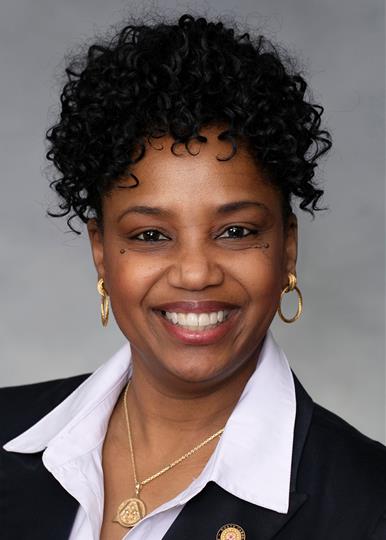
Sen. Kandie Smith
Sponsored bills
Maddy summarySB 738 establishes North Carolina's Digital Content Provenance Initiative to combat misinformation from AI-generated content. It requires state agencies to implement cryptographic verification (like digital watermarks) for all official communications, create a public registry tracking content origins, and develop public education tools to help residents identify synthetic media. The $500,000 allocated for Phase I (effective July 2025) will fund technical standards, partnerships with tech companies, and election-related safeguards. This directly affects state agencies creating digital content and aims to protect residents' ability to verify information during elections and public discourse.
Maddy summarySB 483, "The Children First Act," expands affordable child care access for North Carolina families by increasing financial assistance eligibility to 85% of the state median income and raising subsidy rates to match 2023 market costs. It allocates $50 million annually for subsidies and $15 million for grants to establish new child care facilities in rural or underserved areas, targeting "child care deserts." The bill also creates an employer child care credit and includes workforce licensing reforms to address staffing shortages. These provisions directly affect low-to-moderate-income families, child care providers, and employers seeking to support working parents.
Maddy summaryThis bill requires judges to find probable cause that giving notice would endanger lives before issuing no-knock search warrants. It also mandates officers to wait after announcing their presence for occupants to respond or for officers to verify if forced entry is necessary. These changes apply to all law enforcement executing search warrants in North Carolina, directly affecting how officers enter homes during searches. The bill amends North Carolina General Statutes §§ 15A-244(b) and 15A-249(b) to clarify these procedures.
Maddy summarySB 692 reduces the copayment rate for subsidized child care in North Carolina from 10% to 5% of a family's gross income. This directly affects low-income families who qualify for state-subsidized child care services. The bill amends existing law to lower the percentage parents pay for care, while maintaining the same blended and part-time care calculations (83% and 75% of full-time copayments, respectively). The change takes effect on July 1, 2025.
Maddy summarySB 691 would allow certain non-citizens, including those without lawful immigration status, to pay in-state tuition at UNC constituent institutions and North Carolina community colleges. To qualify, students must have graduated from a North Carolina high school or earned a high school equivalency diploma in the state, attended North Carolina schools for two consecutive years before high school, and (if undocumented) submit an affidavit about applying for legal status. The bill requires colleges to use a centralized process for residency determination and ensures all applicant information remains confidential. It takes effect July 1, 2025, applying to the 2025-2026 academic year.
Maddy summarySB 657, the "Keeping Our Coaches Act," allocates $11 million annually from sports betting tax revenue to provide salary supplements for athletic coaches in North Carolina public schools. It directly affects eligible public school athletic coaches who currently receive non-state funds totaling less than $3,000 per year for coaching duties. The bill requires school units to maintain prior non-state funding levels for coaches, prohibits using state funds to replace those non-state contributions, and directs unspent funds to YMCA youth sports programs. This policy change becomes effective for the 2025-2026 school year.
Maddy summarySB 698, the "Fair Districts Stronger Democracy Act," would amend the North Carolina Constitution to create an independent redistricting process for state legislative and congressional districts after each federal census. It establishes a North Carolina Independent Redistricting Commission to redraw district lines, removing the General Assembly’s direct role in the process. The bill requires districts to be contiguous, avoid dividing counties where practicable, and ensure equal population representation for both state and federal elections. This change would take effect if approved by voters in the 2026 general election, with districts remaining unchanged until the next census.
Maddy summarySB 659, the "Investing in North Carolina Act," raises salaries for public school teachers and state employees for the 2025-2026 fiscal year. It establishes a new monthly salary schedule for teachers based on experience (ranging from $4,600 for 0 years to $6,370 for 29+ years), adds specific supplements for certified teachers, nurses, counselors, and specialists, and provides cost-of-living increases for retirees. The bill also expands the Wage$ program statewide and creates a tax credit for qualifying employers equal to 5% of wages paid or $10,000, whichever is lower. Directly affecting teachers, state employees, community college staff, UNC employees, retirees, and participating employers, it focuses on concrete pay adjustments through funding appropriations.
Maddy summarySB 575 makes failing to yield to a pedestrian when causing serious injury a Class 2 misdemeanor for drivers. It requires North Carolina's driver education programs to add a new pedestrian safety module covering when drivers must yield the right-of-way. The bill also mandates the Division of Motor Vehicles and Department of Public Instruction to study and report by January 1, 2026, on improving pedestrian safety instruction in driver education. These changes directly affect drivers, public school driver education curricula, and state agencies responsible for traffic safety training.