

Maddy summaryThis bill strengthens penalties for assault by strangulation in North Carolina, directly affecting individuals who commit such acts against others. It establishes new felony classifications, making strangulation causing physical injury a Class H G felony and general strangulation a Class H felony, while also clarifying the legal definition of strangulation as obstructing breathing or blood circulation. Additionally, the legislation allocates $3 million in state funds starting in 2026-2027 to run a public awareness campaign about these increased punishments. The changes will take effect on December 1, 2026, and will apply only to offenses committed on or after that date.
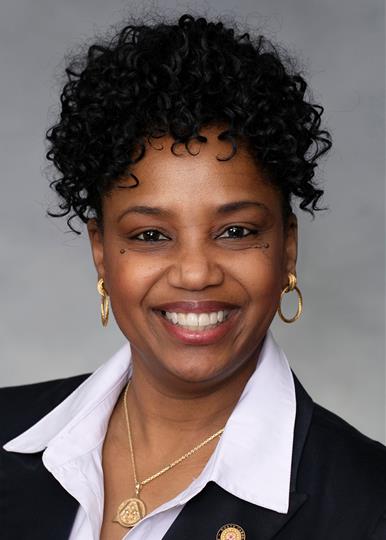
Sen. Kandie Smith
Sponsored bills
Maddy summarySB 792, titled Kayla's Act, amends North Carolina laws to provide additional protections for victims of domestic violence within the criminal justice system. The legislation primarily allows domestic violence victims to testify remotely in court rather than appearing in person, provided specific notice and approval procedures are followed. Additionally, the bill modifies evidence rules regarding unavailable witnesses and extends the statute of limitations for certain misdemeanor offenses. These policy changes directly impact criminal defendants, prosecutors, and judges handling domestic violence cases.
Maddy summaryThis bill prevents the elimination of medical benefits for retired teachers and state employees in North Carolina who began their careers on or after January 1, 2021. It achieves this by removing previous restrictions that would have ended these benefits and applies retroactively to December 31, 2020. To cover the resulting increase in healthcare costs, the legislation appropriates two million dollars from the state's general fund for the 2026-2027 fiscal year. The changes are scheduled to officially take effect on July 1, 2026.
Maddy summaryThis bill proposes raising Medicaid reimbursement rates for primary care providers in North Carolina to match the rates paid by Medicare. To fund these increases, the state would allocate $48 million from its General Fund starting in the 2026-2027 fiscal year. The changes would take effect on July 1, 2026, and would apply to primary care services as defined by a specific state task force report.
Maddy summaryThis bill aims to improve access to dental care in North Carolina by increasing the Medicaid reimbursement rates paid to dentists. Starting in the 2026-2027 fiscal year, the state will allocate $80 million from the General Fund to raise these payment rates, which have not significantly changed since 2008. The legislation seeks to encourage more private dental providers to join the Medicaid program, thereby expanding the network of available dentists for patients. By making it more financially viable for dentists to accept Medicaid, the bill intends to help reduce the number of people relying on emergency departments for urgent dental needs.
Maddy summaryThis bill creates two main programs to support public servants in North Carolina. First, it establishes a Homebuyers' Assistance Program for first-time homebuyers who work as teachers, firefighters, police officers, or medical personnel, providing up to $25,000 or 10% of the purchase price for down payments and mortgage insurance. Second, it allows unpaid volunteer firefighters and rescue squad members to claim a state income tax credit of up to $5,000 to cover unreimbursed business expenses related to their rescue work. The down payment assistance program is funded with $200 million in recurring state money and will begin on July 1, 2026, while the tax credit applies to taxable years starting on or after January 1, 2026.
Maddy summaryThis bill creates a $50 million grant program to help North Carolina public schools hire mental health professionals like counselors and social workers, with funding prioritized for schools serving students with limited access to care. It also establishes a loan repayment program that offers eligible school mental health workers up to $15,000 annually to pay down their student loans, provided they work in high-need areas and graduated from a UNC system institution. The legislation requires the state to report annually on how these funds are used and to ensure grants supplement rather than replace existing resources.
Maddy summarySB 820, the Safe Schools and Educational Access Act, aims to protect students in North Carolina public schools and colleges from discrimination based on their immigration status or national origin. The bill prohibits schools from denying enrollment or sharing student information with immigration authorities unless a judge orders it, effectively designating schools as safe zones for learning. Additionally, the legislation allocates $181 million in state funding to support services for students with limited English proficiency, such as hiring bilingual teachers and providing translation resources.
Maddy summaryThe Every School Has Resources Act creates a grant program to help smaller, rural, and lower-wealth school districts in North Carolina hire a Development Director to find outside funding. This position would be responsible for securing money from sources like private foundations and corporate sponsors to reduce reliance on local property taxes and state aid. The program offers full government funding for the first year of the role, but requires the school district to contribute matching funds in the second and third years if the director successfully raises additional money. To qualify, schools must submit a detailed plan showing how they will hire and manage the new staff member, and the state will prioritize applications from districts serving the most economically disadvantaged students. The initiative runs for three years, ending in June 2029, and includes strict reporting rules to ensure taxpayer money is used effectively.
Maddy summarySB 826 requires major state entities in North Carolina, including the University of North Carolina, state departments, courts, and the General Assembly, to publicly disclose their monthly spending. The bill mandates that these organizations compile and submit an itemized list of all purchases and services costing at least one dollar, along with a total monthly expenditure sum. Within ten days of receiving these reports, the Department of Administration or the relevant entity must publish the data on its website for public viewing, while still protecting any records legally designated as confidential. To support this new reporting requirement, the act appropriates $250,000 in nonrecurring funds for the 2026-2027 fiscal year to cover implementation costs for the affected agencies.