

Maddy summarySB 752 allows North Carolina schools to use epinephrine nasal spray in addition to auto-injectors for treating severe allergic reactions (anaphylaxis). The bill requires schools to stock at least two emergency epinephrine products (including nasal spray) in secure but accessible locations, train staff to recognize symptoms and administer treatment, and develop emergency action plans. It applies to all public, charter, and regional schools, directly affecting students with severe allergies and school staff trained to respond to emergencies. The policy change takes effect for the 2025-2026 school year.
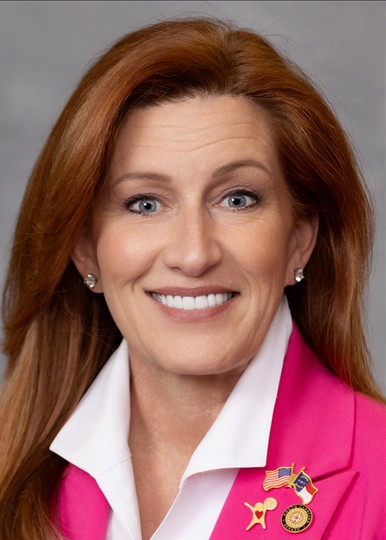
Sen. Woodson Bradley
Sponsored bills
Maddy summarySB 750, "Restore the American Dream," aims to address North Carolina's affordable housing shortage by funding the Housing Trust Fund. The bill provides a one-time $30 million allocation for the 2025-2026 fiscal year and establishes recurring revenue streams: 1.5% of property deed fees and 33% of real estate transfer tax proceeds will be directed to the fund. These funds will support affordable housing solutions - including home ownership, rentals, and supportive housing - for over 815,000 North Carolinians lacking access to affordable housing and 930,000 cost-burdened households. The bill seeks to reverse a 68% funding decline in the Housing Trust Fund over the past decade, ensuring sustainable resources for housing development.
Maddy summarySB 736 creates a new Housing Innovation Office within North Carolina's Housing Finance Agency, funded by a permanent increase in the real estate transfer tax. The bill raises the tax rate on property sales over $500,000 from $1 per $500 to $1 per $400, directing the additional revenue ($5 million annually for 2025-2027) to this office. The office will use these funds for research, technical assistance, grants, and loans to support affordable housing construction, maintenance, and innovative building solutions. This directly affects homebuyers/sellers (through the tax increase) and aims to address the state's housing affordability crisis by expanding funding for housing projects.
Maddy summarySB 747, titled "AI Learning Agenda," creates North Carolina's Office of Artificial Intelligence Policy within the Department of Commerce and establishes an AI Learning Laboratory program. The bill requires state agencies to inventory all AI tools they use or plan to use by 2026, including details on vendor, function, data sources, and risks. Businesses can apply to participate in the Learning Laboratory, where they may receive reduced penalties during testing (called "regulatory mitigation") in exchange for sharing data and findings with the Office. The Office must publish annual reports on AI policy findings and recommend legislation to address regulatory gaps or barriers.
Maddy summarySB 748 requires North Carolina public elementary schools (grades K-5) to include critical thinking instruction in their curriculum, shifting focus from memorization to evaluating information. The bill amends state education statutes to mandate this change, affecting all K-5 public schools and their curriculum planning. It takes effect for the 2025-2026 school year. The law does not alter existing subjects but adds critical thinking as a required component of instruction.
Maddy summarySB 757, the North Carolina Consumer Privacy Act, gives residents the right to access, correct, or delete personal data collected by businesses operating in the state. It requires businesses to stop processing data when consumers request it, with key exceptions for health information (covered under existing health privacy rules) and publicly available data. The law applies to businesses that collect personal data about North Carolina residents, defining "personal data" as information that can identify an individual (like name or online activity), while excluding health data processed under healthcare laws. Enforcement would be handled by the North Carolina Department of Justice’s Consumer Protection Division, with specific rules for how businesses must handle consumer requests. The bill is currently under review by the Senate Rules committee.
Maddy summarySB 745 allows North Carolina child care centers operating under voluntary enhanced requirements to increase maximum group sizes for infants (0-12 months) from 10 to 12 children and for toddlers (12-24 months) from 12 to 15 children, while maintaining stricter staff-to-child ratios (e.g., 1:4 for infants). It also aligns nap time supervision rules for one-year-olds with existing rules for two-year-olds, requiring visible supervision by a staff member present in the room. The bill directly affects licensed child care centers seeking flexibility under voluntary enhanced licensing standards. These changes aim to provide capacity options without reducing staff ratios, effective upon enactment.
Maddy summarySB 738 establishes North Carolina's Digital Content Provenance Initiative to combat misinformation from AI-generated content. It requires state agencies to implement cryptographic verification (like digital watermarks) for all official communications, create a public registry tracking content origins, and develop public education tools to help residents identify synthetic media. The $500,000 allocated for Phase I (effective July 2025) will fund technical standards, partnerships with tech companies, and election-related safeguards. This directly affects state agencies creating digital content and aims to protect residents' ability to verify information during elections and public discourse.
Maddy summarySB 483, "The Children First Act," expands affordable child care access for North Carolina families by increasing financial assistance eligibility to 85% of the state median income and raising subsidy rates to match 2023 market costs. It allocates $50 million annually for subsidies and $15 million for grants to establish new child care facilities in rural or underserved areas, targeting "child care deserts." The bill also creates an employer child care credit and includes workforce licensing reforms to address staffing shortages. These provisions directly affect low-to-moderate-income families, child care providers, and employers seeking to support working parents.
Maddy summarySB 656 exempts natural hair care services, blow-dry styling, and makeup artistry from mandatory licensing under North Carolina's Cosmetic Art Board. It converts the existing mandatory natural hair care specialist license into a voluntary certificate and expands where these services can be offered. The bill specifically defines "natural hair care" as tension-based techniques (like twisting or wrapping hair) without chemical treatments, "blow-dry styling" as using mechanical devices without chemicals or haircutting, and "makeup artistry" as cosmetic application without other licensed services. These changes directly affect service providers and businesses offering these specific cosmetic services, reducing regulatory barriers.