

Maddy summaryThis North Carolina legislation appropriates three million dollars in recurring funds to the Department of Public Safety for the 2026-2027 fiscal year. The funds are designated to expand and promote the Community Emergency Response Team (CERT) program, which trains volunteers to assist during emergencies. The Division of Emergency Management will use these resources to partner with local community organizations to conduct training sessions and develop outreach strategies. These measures aim to encourage greater community participation in emergency preparedness training programs.
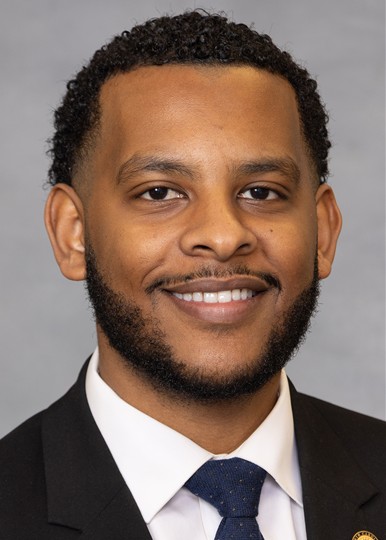
Sen. Caleb Theodros
Sponsored bills
Maddy summaryThis bill creates a new fund within the North Carolina Department of Commerce to help high-skilled immigrant workers pay for the costs of keeping their legal work status, such as visa renewal fees and legal processing expenses. To qualify for reimbursement grants, individuals must live and work in North Carolina and meet specific criteria related to their education, job type, or visa classification. The state has allocated one million dollars in recurring funds starting in the 2026-2027 fiscal year to cover these grants and administrative costs. The Department of Commerce will be responsible for setting the rules for eligibility and managing the program.
Maddy summaryThis bill reenacts North Carolina's state Earned Income Tax Credit (EITC) for taxpayers filing returns for the year 2026 and beyond. It allows eligible individuals who claim the federal EITC to receive an additional state credit equal to 5% of their federal credit amount, with a special 4.5% rate applied to 2013 returns. The credit is refundable, meaning taxpayers can receive the money even if it exceeds the taxes they owe, and it will automatically expire at the end of 2026.
Maddy summaryThis North Carolina legislation restores financial benefits for educators and state employees, effective July 1, 2026. It reinstates salary supplements for teachers and instructional support personnel and restores longevity payments based on years of service, while also preventing the elimination of medical benefits for certain retirees. Furthermore, the bill expands the Teaching Fellows Program by setting new selection criteria for participating institutions and providing forgivable loans to students pursuing teacher licensure. These changes are funded through specific appropriations from the General Fund.
Maddy summaryThis North Carolina bill prohibits individuals convicted of misdemeanor domestic violence offenses from purchasing or possessing firearms, machine guns, ammunition, or related permits. It expands the definition of domestic violence to include crimes committed against intimate partners, dating partners, and other individuals in similar relationships, not just spouses or parents. The legislation also allocates one million dollars to the state's Domestic Violence Commission to create an educational program on domestic violence. These provisions will take effect on December 1, 2026, and apply to offenses committed on or after that date.
Maddy summaryThis North Carolina bill establishes a $250 million grant program to help small businesses recover from financial losses caused by the COVID-19 pandemic. To qualify, businesses must have had annual receipts of $8 million or less in 2019 and experienced at least a 25% drop in sales tax collections in 2020 compared to the previous year. Eligible recipients can receive a one-time payment of up to $250,000, which is capped at the amount of their verified sales tax reduction. The law requires businesses to remain open for at least six months after receiving the funds, with any unspent portion subject to repayment if operations cease prematurely.
Maddy summaryThis bill creates a new cabinet-level Department of Housing and Community Development in North Carolina to consolidate housing and community development functions. The department will be organized into four divisions: Operations, Community Development, Housing, and a Policy and Legislative Office, each with specific duties such as managing broadband expansion, overseeing disaster resilience, and certifying building officials. A nine-member advisory board will be established to guide the department, with members appointed by the Governor and state legislative leaders. Starting in the 2026-2027 fiscal year, the state will allocate $30 million in recurring funds to support the department's operations.
Maddy summaryThis bill allocates $6.5 million in one-time funding to North Carolina's Department of Health and Human Services to cover increased administrative costs within the Medicaid program. The money will be distributed to county departments of social services to help them manage expenses resulting from recent federal changes. The legislation allows these funds to be used without requiring additional state reporting that would normally be needed for such financial transfers. Effective retroactively from July 1, 2025, the act aims to ensure counties have the necessary resources to handle their Medicaid administrative duties.
Maddy summaryThis bill appropriates $3 million from the state's General Fund to provide free hyperbaric oxygen therapy to North Carolina veterans diagnosed with traumatic brain injury or posttraumatic stress disorder. The funding is directed to a nonprofit organization called HBOT 4 HEROES, which will administer the treatment, manage the program, and conduct outcome assessments for an estimated 350 veterans. The act requires the organization to submit a detailed report to state oversight committees by June 30, 2027, covering the number of patients served, their locations, and how the funds were spent. These changes are set to take effect on July 1, 2026.
Maddy summaryThis North Carolina bill aims to address teacher shortages by increasing salaries and creating new financial support for educators. It establishes a new monthly salary schedule for teachers starting in the 2026-2027 school year and reinstates specific pay bonuses for those with advanced degrees or professional certifications. Additionally, the legislation creates a grant program to help student teachers earn money while completing their training and directs a state study on how to further improve educator pay.