

Maddy summaryThis bill proposes adding a new section to the North Carolina Constitution to explicitly protect the right of people to farm and practice forestry. The amendment would declare activities such as growing crops, raising livestock, and harvesting timber as essential parts of the state's heritage that must be preserved for the public good. It clarifies that these rights are subject only to laws passed by the state legislature, meaning the change would not override existing regulations but rather affirm the practice of agriculture and forestry. Currently, the bill is in the process of being reviewed by state committees and would be voted on by eligible voters in a statewide election in November 2026.
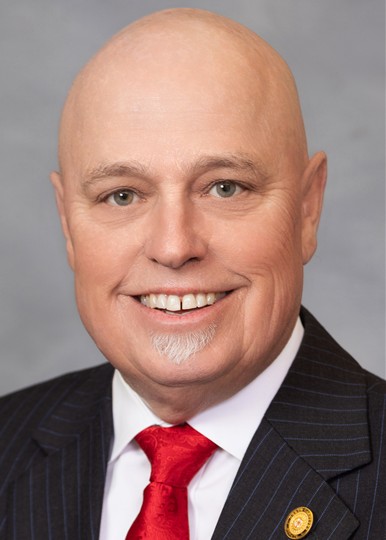
Sen. Eddie Settle
Sponsored bills
Maddy summarySB 164 creates a new Class F felony offense for entering someone's property without legal justification during a declared emergency in an emergency area and taking, damaging, or destroying *temporary shelter* - such as tents, trailers, mobile homes, or vehicles used as living quarters. It directly affects individuals who might loot temporary housing following disasters like floods or storms, where standard security is compromised. The law specifies that victims can sue offenders for triple their actual damages plus legal fees. This amendment to North Carolina law (effective December 2025) targets the specific act of stealing or damaging emergency housing, not general property crimes.
Maddy summaryThis bill expands North Carolina's Opportunity Scholarship program to include students enrolled in home schools, allowing them to receive state funding for educational expenses. Under the new provisions, eligible home school students would qualify for a fixed annual grant of $1,500 to cover required costs such as books, equipment, and other materials, though the funding does not cover transportation or tuition fees. The legislation amends existing state statutes to define home schools as eligible nonpublic institutions and authorizes the State Education Assistance Authority to award these funds alongside scholarships for private school students. Funding for this expansion would be appropriated through the existing Opportunity Scholarship Grant Fund Reserve, maintaining the same income-based eligibility criteria used for other scholarship recipients.
Maddy summarySB 316 requires North Carolina hospitals and ambulatory surgical facilities to publicly disclose detailed pricing information for common medical services, including full charges, negotiated rates, and reimbursements from Medicaid, Medicare, and major insurers. Beginning in 2015, these facilities must submit quarterly reports to the state health department on the 100 most frequent inpatient diagnoses (DRGs) and common surgical/imaging procedures. The data will be made publicly available online, enabling patients and employers to compare costs and make informed healthcare decisions. This bill directly affects healthcare providers by mandating transparency but does not alter insurance coverage or set price limits. Its key mechanism is standardized reporting of pricing data to foster competition and affordability in the healthcare market.
Maddy summaryThe Workforce Act of 2026 allocates state funding to modernize education-to-workforce pathways and improve credit transfer for students in North Carolina. A primary provision directs $3.1 million to the ApprenticeshipNC program to support work-based learning and increase employer participation in apprenticeships. The bill also provides $350,000 to the Department of Commerce to create a list of industry-valued credentials and link them to labor market data such as wages and job placement. Additionally, it increases funding for short-term workforce development grants and requires private colleges to be included in the state's common digital transcript system by March 2027.
Maddy summaryThis bill establishes the North Carolina-Ireland Trade Commission, a new body designed to strengthen economic and cultural ties between the two regions. The commission will consist of seven members appointed by state leaders, including legislators, business experts, and representatives from Irish-American and higher education communities, with terms lasting three years. Its primary duties include encouraging trade and investment, promoting exchanges in business and culture, and submitting an annual report to the state legislature. The commission will be funded with $10,000 for administrative support starting in the 2026-2027 fiscal year and is required to hold at least two meetings per year.
Maddy summaryThis bill requires county election boards in North Carolina to implement specific safety and logistical measures when using fire stations as early voting locations. The law mandates that these sites provide traffic control, physical security for staff and voters, phone assistance, clear signage, and legal protection against damage claims. Additionally, the bill ensures that the fire station's normal operations and accessibility remain unaffected during voting hours. These provisions apply to all elections occurring on or after the date the law is enacted.
Maddy summaryThis bill appropriates $3 million from the state's General Fund to provide free hyperbaric oxygen therapy to North Carolina veterans diagnosed with traumatic brain injury or posttraumatic stress disorder. The funding is directed to a nonprofit organization called HBOT 4 HEROES, which will administer the treatment, manage the program, and conduct outcome assessments for an estimated 350 veterans. The act requires the organization to submit a detailed report to state oversight committees by June 30, 2027, covering the number of patients served, their locations, and how the funds were spent. These changes are set to take effect on July 1, 2026.
Maddy summaryThis bill authorizes the North Carolina Division of Motor Vehicles to create a special license plate called the 'America's Semiquincentennial' plate. The plate will feature the phrase 'America 250' and other designs to celebrate the 250th anniversary of the United States. Any registered vehicle owner in the state will be eligible to purchase this plate starting on July 1, 2026.
Maddy summaryThis bill expands the legal definition of an independent pharmacy in North Carolina to include community-based pharmacies owned by small groups with ten or fewer locations. The law specifically covers businesses that are not publicly traded and focus primarily on pharmacy services. Additionally, the legislation allocates $100,000 from the state's general fund to the Department of Insurance to help enforce these new rules starting in the 2026-2027 fiscal year.