

Maddy summaryThis bill expands the legal definition of an independent pharmacy in North Carolina to include community-based pharmacies owned by small groups with ten or fewer locations. The law specifically covers businesses that are not publicly traded and focus primarily on pharmacy services. Additionally, the legislation allocates $100,000 from the state's general fund to the Department of Insurance to help enforce these new rules starting in the 2026-2027 fiscal year.
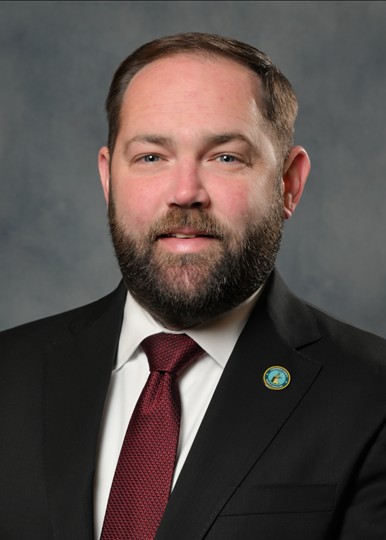
Sen. Chris Measmer
Sponsored bills
Maddy summarySB 849, known as the Real Tickets, Real Fans Act, aims to protect consumers in North Carolina by regulating how entertainment event tickets are sold and resold. The bill defines specific terms like 'bots' and 'speculative tickets' and requires ticket sellers to clearly display the total price, including all mandatory fees, before a purchase is completed. It also prohibits the sale of speculative tickets, which are tickets not yet owned by the seller, and bans resellers from selling more than one copy of the same ticket. Additionally, the law restricts resellers from selling tickets before they are made available to the general public unless authorized by the event organizer.
Maddy summaryThis North Carolina bill allocates $4.4 million in recurring state funds starting in the 2026-2027 fiscal year to support tax fraud detection efforts. The money will be given to the Department of Revenue to expand its existing contract with the Government Data Analytics Center for software, data analysis, and technical infrastructure. These resources are intended to improve the state's ability to identify tax evasion and manage collection cases through enhanced analytics and managed services. The legislation takes effect on July 1, 2026, and directs the department to continue working with the analytics center's public-private partnerships.
Maddy summaryThis bill requires North Carolina state agencies to use zero-based budgeting on a rotating eight-year schedule starting in 2026. Under this method, agencies must justify every dollar of spending from scratch by listing specific activities, their legal basis, and the costs needed to maintain minimum or current service levels, rather than simply adjusting previous budgets. The Office of State Budget and Management will provide technical assistance to agencies as they prepare these plans, which must include data on program outcomes and the potential negative impacts of discontinuing any activity. Funding of $10,000 is allocated to the budget office to support the administration of this new requirement.
Maddy summaryThis bill, known as the Hands Free NC Act, makes it illegal for drivers in North Carolina to hold a wireless communication device while operating a motor vehicle on public roads. The law prohibits texting, watching videos, or holding any electronic device, such as a cell phone or smartwatch, except when the vehicle is safely stationary or during specific emergencies like medical crises or unsafe road conditions. Drivers under 18 are allowed to use navigation systems if all destinations are entered before driving, while law enforcement, first responders, and emergency vehicle operators are exempt from these restrictions. Violations result in fines ranging from $100 to $200 depending on prior offenses within a 36-month period, and repeat offenders will face insurance points on their records. The legislation also prevents local governments from passing their own ordinances on this matter and requires driver education programs to include instructions on these new rules.