

Maddy summaryThis bill allocates $10.4 million in state funds to Forsyth Technical Community College in North Carolina for first responder training. The money is designated for construction projects and equipment purchases to support a comprehensive training program. Specific uses include building a training track, classrooms, and a bridge, as well as acquiring fire apparatus. The funding is nonrecurring and intended for the 2026-2027 fiscal year, with the act taking effect on July 1, 2026.
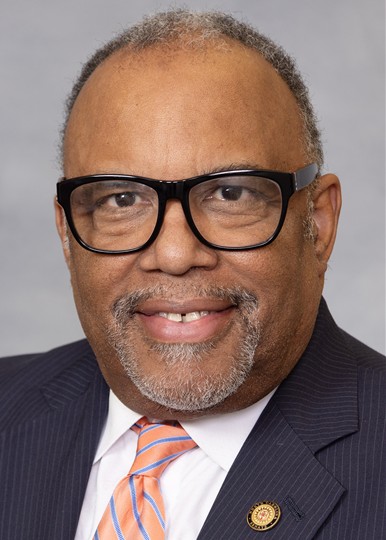
Sen. Paul Lowe
Sponsored bills
Maddy summaryThis bill allocates $2.7 million from the Highway Fund to North Carolina's Department of Transportation for the 2026-2027 fiscal year. The funds are designated to purchase and install traffic signal preemption technology, which enables emergency vehicles to communicate with traffic lights to change signals in their favor. This system aims to reduce response times for first responders and enhance safety at intersections by prioritizing their passage. The legislation takes effect on July 1, 2026, and directly impacts the state's transportation infrastructure and emergency services.
Maddy summaryThis bill directs the North Carolina Department of Health and Human Services to use $500,000 in state funds to lower the portion of costs that counties must pay for the Special Assistance in-home program. Starting in the 2026-2027 fiscal year, the state will cover more of the expenses for this service, which supports individuals who need assistance at home. The change is designed to reduce the financial burden on local governments while maintaining the availability of the program. The legislation takes effect on July 1, 2026.
Maddy summaryThis bill allocates $6.5 million in one-time funding to North Carolina's Department of Health and Human Services to cover increased administrative costs within the Medicaid program. The money will be distributed to county departments of social services to help them manage expenses resulting from recent federal changes. The legislation allows these funds to be used without requiring additional state reporting that would normally be needed for such financial transfers. Effective retroactively from July 1, 2025, the act aims to ensure counties have the necessary resources to handle their Medicaid administrative duties.
Maddy summaryThis bill directs the North Carolina Department of Health and Human Services to add 1,000 slots to the state's Medicaid Innovations Waiver, which provides alternative care options for individuals with disabilities. To support this expansion, the legislation appropriates $36.2 million in recurring funds from the state's General Fund starting in the 2026-2027 fiscal year. The changes are scheduled to take effect on July 1, 2026, allowing more eligible residents to access services under the waiver program.
Maddy summarySB 849, known as the Real Tickets, Real Fans Act, aims to protect consumers in North Carolina by regulating how entertainment event tickets are sold and resold. The bill defines specific terms like 'bots' and 'speculative tickets' and requires ticket sellers to clearly display the total price, including all mandatory fees, before a purchase is completed. It also prohibits the sale of speculative tickets, which are tickets not yet owned by the seller, and bans resellers from selling more than one copy of the same ticket. Additionally, the law restricts resellers from selling tickets before they are made available to the general public unless authorized by the event organizer.
Maddy summaryThis bill amends North Carolina law governing owners' associations in condominiums and planned communities. It directly affects these associations and their members by setting specific limits on late fees (capping at $20 per month or 10% of an unpaid assessment) and fines (capping at $100), prohibiting managing agents from being paid based on fines collected, and requiring fair procedures for approving unit changes. The bill also mandates prelitigation mediation for disputes between associations and members and requires the Department of Justice to collect and report on related complaints. These changes aim to standardize association practices and provide clearer dispute resolution processes.
Maddy summarySB 249 proposes redrawing the state's congressional district boundaries to reflect new census data, directly affecting voters in those districts for the 2025 elections. The bill would establish a new map for congressional representation in the 2025 election cycle based on updated population data. It is currently pending in the Senate after being filed and passing its first reading, though it was recently withdrawn from committee. This is a procedural redistricting bill focused on boundary changes, not substantive policy.
Maddy summaryHarrison's Law (SB 375) revises North Carolina's hazing laws and requires public disclosure of school employee compensation. It defines hazing as causing physical or serious psychological harm during school group initiation (e.g., fraternities, sports teams), making student violations a misdemeanor and school staff (like teachers or coaches) violations a felony. The bill also mandates that all public school districts publish on their websites, starting August 15, 2025, detailed information about central office employees - including total compensation (salary, bonuses, travel reimbursements), job titles, descriptions, and position creation dates. This applies to roles like superintendents, directors, and finance officers across all school districts.
Maddy summarySB 118, the Military and Veteran Support Act, reduces concealed handgun permit fees for veterans and streamlines school enrollment for military families. It allows veterans with honorable discharge (using DD-214 or VA ID) to pay $45 for applications and $40 for renewals - matching fees for retired law enforcement officers - effective July 2025. For military families, it permits remote school enrollment for students of active-duty members or those separating within 12 months, delaying proof of residency until enrollment begins, with extensions for high school seniors until graduation. These provisions directly affect North Carolina veterans seeking concealed carry permits and military-connected students enrolling in public schools. The bill is pending legislative action and not yet law.