

Maddy summaryThis North Carolina bill allocates $359.3 million in recurring funds to hire additional school psychologists and counselors starting in the 2026-2027 school year. The legislation establishes specific staffing ratios, requiring one psychologist for every 700 students and one counselor for every 250 students statewide. These positions are intended to create a tiered support system for students within the Leandro Comprehensive Remedial Plan.
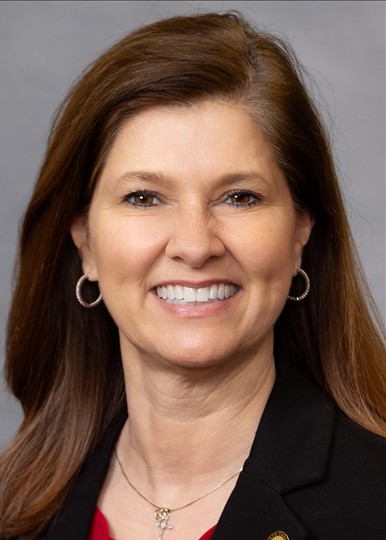
Sen. Sophia Chitlik
Sponsored bills
Maddy summaryThis bill directs the North Carolina State Education Assistance Authority to conduct a feasibility study on creating a student loan forgiveness program for graduates of public colleges and universities in the state. The study will evaluate the costs, eligibility requirements, and potential economic benefits of offering debt relief to encourage graduates to remain in North Carolina after graduation. To fund this analysis, the bill appropriates $150,000 from the state's General Fund for the 2026-2027 fiscal year. The Authority must complete the study and submit a report with recommendations to the legislature by October 1, 2027. The bill does not establish a forgiveness program itself but rather authorizes a review to determine if such a program is viable.
Maddy summaryThis bill establishes a new fund called the Contaminated Parks Remedial Account to help clean up environmental hazards in public parks across North Carolina. It directs money from taxes on trash disposal and corporate income to pay for assessing and fixing pre-1983 landfills or other inactive hazardous sites that make parks unusable. Local governments that own the affected parks must contribute one dollar for every four dollars provided by the state to share the cost of cleanup. The program is scheduled to begin in 2026, with funding amounts gradually increasing over time as more tax revenue is generated.
Maddy summaryThis bill provides funding to the North Carolina Department of Commerce for small business support and the Biotechnology Center, while also transferring the Advisory Council on Rare Diseases to the Department of Health and Human Services. It establishes a 19-member council with representatives from medical professionals, patients, caregivers, and industry stakeholders to advise on rare disease research and treatment. The legislation also creates a new reserve fund for life sciences and biomanufacturing technologies and allows certain water and sewer economic development projects.
Maddy summarySB 910 requires health insurance plans in North Carolina that cover pregnancy-related benefits to also cover infertility care for diagnosed individuals. The bill mandates specific coverage limits, including at least four oocyte retrievals, unlimited embryo transfers, and unlimited cycles of intrauterine and intracervical insemination. It also requires insurance to cover fertility preservation services, such as egg or embryo freezing, when a person has a medical condition that could impair their future fertility. This legislation directly affects insurance providers and individuals seeking assisted reproductive technologies or fertility preservation in the state.
Maddy summaryThe Safe Camps Act establishes a new permitting and safety program for youth camps in North Carolina, requiring operators to obtain annual permits from the Department of Health unless they are religiously sponsored day camps. Key provisions include a ban on placing cabins in floodplains, mandates for emergency planning and warning communication systems, and the creation of minimum safety standards for campgrounds covering sanitation, water, and aquatic safety. The bill also defines specific terms like "youth camp" and "cabin" to clarify which facilities are regulated and outlines a process for updating permits after significant changes to camp structures or boundaries. Implementation of these rules will be overseen by the Department of Health, which will provide technical assistance and conduct inspections to ensure compliance.
Maddy summaryThis bill repeals a previous law that expanded cooperation between local jails and federal immigration enforcement and instead requires federal agents to obtain a judicial warrant based on probable cause before making immigration arrests or conducting searches within North Carolina. It also prohibits state and local facilities from holding individuals solely on federal immigration detainers past their normal release date and directs $4 million in funding to four nonprofit organizations to provide legal services for immigrants facing removal proceedings, asylum claims, and status stabilization. By mandating judicial oversight for enforcement actions and supporting community-based legal aid, the legislation aims to limit warrantless civil immigration operations while maintaining cooperation for valid criminal warrants.
Maddy summaryThis bill establishes two main programs to improve mental health support in North Carolina public schools. First, it creates a grant program that provides $50 million to school districts to hire mental health professionals, prioritizing areas with students who have limited access to care. Second, it launches a loan repayment program offering $50 million to encourage mental health workers who graduated from UNC system schools to work in high-need areas by paying off up to 20% of their student debt over five years. The legislation includes reporting requirements to track how funds are used and to recommend future improvements.
Maddy summarySB 907, known as the Ciji Graham Act, establishes a new High-Risk Pregnancy Care Navigation Program in North Carolina to assist patients with high-risk pregnancies by providing licensed nurse consultants who help coordinate care and address barriers like transportation and insurance. The bill also creates a statewide pregnancy consultation hotline for healthcare providers and community organizations to offer immediate clinical guidance and referrals, alongside a centralized digital hub containing clinical guidelines and a directory of specialists and facilities. Funded through the state General Fund, these measures aim to improve maternal health outcomes and reduce disparities by ensuring timely access to appropriate medical resources and services.
Maddy summaryThis bill, known as the Save SNAP Act, provides state funding to North Carolina's Department of Health and Human Services and its county partners to offset financial losses caused by recent federal changes to the Supplemental Nutrition Assistance Program. The legislation appropriates $16 million for state administrative costs and $69 million for county-level operations, ensuring these programs can continue despite reduced federal reimbursements. Additionally, the bill allocates $10 million to create a grant program that encourages innovative projects aimed at reducing errors in SNAP benefit payments. All funding is set to begin in the 2026-2027 fiscal year, with spending strictly limited to the actual amount of lost federal receipts.