

Maddy summaryThis bill directs North Carolina's Department of Transportation to create a new method for funding bridge replacements that operates separately from the current Strategic Mobility Formula. To accomplish this, the state will allocate $100,000 in nonrecurring funds for the 2026-2027 fiscal year to support the development of this alternative plan, which must include a prioritization process and a specific revenue source. The department is required to submit its proposed formula and legislative recommendations to various committees by December 1, 2026, and the law takes effect on July 1, 2026.
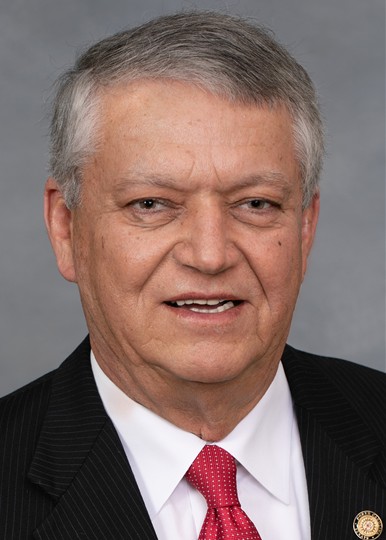
Sen. Norman Sanderson
Sponsored bills
Maddy summarySB 1065 establishes a temporary pause on new rules that would restrict commercial and recreational fishing in North Carolina's coastal waters. This bill directly affects fishermen, charter operators, seafood dealers, and related businesses by preventing state agencies from reducing bag limits, shortening seasons, closing fishing areas, or adding new reporting and gear restrictions. The legislation also requires the state to restore recreational fishing regulations to the limits that were in place on January 1, 2019, and prohibits the reallocation of existing fishing quotas. These measures are designed to provide economic stability while a comprehensive study of the state's fisheries is completed and reviewed by the General Assembly.
Maddy summaryThis bill expands tuition waivers at North Carolina community colleges to children of public safety workers who are injured or disabled in the line of duty. It specifically allows children aged 17 to 24 to attend classes for free if their parent is a law enforcement officer, firefighter, volunteer firefighter, or experienced correctional officer with at least 10 years of service. The legislation removes previous time limits on these waivers for community college students, ensuring they can attend for the full duration needed to complete their program. Eligible students must still meet standard admission requirements, and the changes will take effect starting with the 2026-2027 academic year.
Maddy summarySB 940, titled the 2026 Appropriations Act, allocates state funds for the 2026-2027 fiscal year to support the daily operations of North Carolina state agencies, departments, and institutions. The bill distributes money from the General Fund, the Highway Fund, and the Highway Trust Fund to cover essential services, including transportation maintenance, while also funding federal block grants for health and other programs. It incorporates existing budget rules and applies only to the specific fiscal year unless other laws indicate a longer duration. The legislation becomes effective on July 1, 2026, and includes standard provisions ensuring that any remaining funds revert to their original sources at the end of the year.
Maddy summaryThis bill, titled Screen Free Schools, requires public schools in North Carolina to create policies that limit the use of wireless devices like cell phones, tablets, and laptops during instructional time. Under the new rules, students in kindergarten through eighth grade must keep these devices off at all times on school property, while high school students may only use them during specific state testing periods unless a teacher grants permission for educational or emergency reasons. The legislation includes exceptions for students who need devices for individualized education plans, medical conditions, or teacher-approved learning activities. To help schools implement these changes, the state will provide $100,000 in funding for the 2026-2027 school year, and the law takes effect on July 1, 2026.
Maddy summaryThis bill, titled the Current Operations Appropriations Act of 2026, allocates state funding for the 2026-2027 fiscal year to cover the daily operations of North Carolina's government agencies, departments, and institutions. It distributes money from various sources, including the General Fund, the State Highway Fund, and the Highway Trust Fund, to support essential services such as transportation maintenance and federal block grant programs. The legislation also incorporates existing budget rules and specifies that its provisions apply only to the 2026-2027 period, with any unused funds reverting to the state at the end of the fiscal year.
Maddy summaryThis bill authorizes the North Carolina General Assembly to allocate funding for state agencies and departments for the 2026-2027 fiscal year. It distributes money from the General Fund, Highway Fund, and federal block grants to cover current operations and maintenance costs. Unused funds are required to revert to the state treasury at the end of the fiscal year unless otherwise specified by law. The act becomes effective on July 1, 2026, and applies specifically to the 2026-2027 budget period.
Maddy summaryThis North Carolina bill requires businesses and individuals to obtain state licenses or permits to install, repair, or service specific fire safety equipment. The regulations apply to portable fire extinguishers and automatic fire suppression systems used in kitchens, industrial settings, and specialized hazard areas. To comply, providers must attach official service tags to equipment and may be required to pass a competency exam administered by the State Fire Marshal. Exemptions exist for employees working on their own company's property and for routine visual inspections conducted by fire officials or insurance inspectors.
Maddy summaryThis bill modifies teacher licensure rules in North Carolina by removing a specific testing requirement for admission into educator preparation programs. It extends the deadline for completing licensure exams to the third year of a teacher's career, provided the individual takes the exam at least once during their first year. Additionally, the legislation simplifies the process for out-of-state applicants by allowing them to obtain a North Carolina license if they have three years of teaching experience and hold a valid license from another state with similar requirements. The act also allocates $50,000 in funding for implementation and takes effect on July 1, 2026, with other provisions becoming law immediately upon passage.
Maddy summaryThis bill requires health insurance plans in North Carolina that cover dialysis to also cover home dialysis options. It specifically mandates coverage for staff-assisted home dialysis for individuals who are blind, have cognitive or neurological impairments, or suffer from conditions that limit mobility. The law applies to new, renewed, or amended insurance contracts starting on October 1, 2026, and also extends the same coverage requirements to the state's own health plan. Additionally, the state will allocate $100,000 annually beginning in the 2026-2027 fiscal year to help implement these new coverage rules.