

Maddy summarySB 448 removes two key barriers to Medicaid eligibility for North Carolina workers with disabilities under the "Health Coverage for Workers with Disabilities" program. It eliminates the federal limits on unearned income (like Social Security benefits) and countable assets (savings) that previously disqualified people from maintaining Medicaid coverage while working. The bill requires the state to seek federal CMS approval within 90 days to remove these limits, with implementation effective after CMS approval (targeting a July 2025 effective date). This change directly affects individuals with disabilities who currently face penalties for saving money or receiving certain benefits while enrolled in Medicaid, allowing them to retain healthcare coverage without losing eligibility due to income or asset thresholds. The state will provide $165,000 annually in funding for implementation starting July 2025.
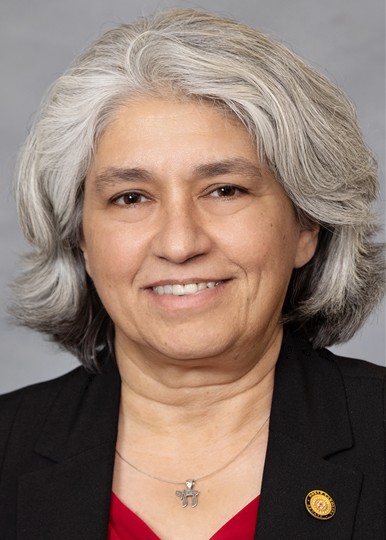
Sen. Lisa Grafstein
Sponsored bills
Maddy summarySB 466 ensures continuity of care for North Carolina Medicaid beneficiaries with behavioral health and intellectual disabilities (BH IDD) who use specialized "Tailored Plans." It allows these individuals to stay in the standard Medicaid fee-for-service program (Medicaid Direct) if their current healthcare providers aren't in their Tailored Plan's network, and to choose a Tailored Plan outside their geographic area if it offers better services or provider access. The bill also requires the state to submit CMS waiver amendments by July 2025 and report to lawmakers by August 2025 on promoting competition among managed care organizations to improve care quality. These changes directly affect BH IDD Medicaid participants and aim to reduce disruptions in their healthcare.
Maddy summarySB 434, the School Workers Fair Pay Act, requires North Carolina public schools to pay all noncertified employees (such as cafeteria workers, custodians, and administrative staff) a minimum hourly wage of $17.00, effective July 1, 2025. The bill mandates the State Board of Education to adjust salary schedules to meet this rate and allocates $144.7 million from the General Fund to the Department of Public Instruction for the 2025-2026 fiscal year to support this change. Funds must supplement existing salaries without replacing current state or local funding. This policy directly affects thousands of non-teaching school staff across all North Carolina public school districts.
Maddy summarySB 446 increases funding for North Carolina's Housing Trust Fund to address the state's affordable housing shortage. It allocates $30 million in one-time funding for the 2025-2026 fiscal year and establishes recurring revenue streams: 1.5% of property transfer fees and 33% of real estate excise tax proceeds will now flow directly to the fund. This funding supports affordable housing solutions like rentals, home ownership, and repairs for North Carolinians struggling with housing costs - over 815,000 residents currently lack access to affordable housing. The bill aims to rebuild the fund's capacity after a 68% funding decline over the past decade.
Maddy summarySB 456, "Healthy Start NC," creates a program providing cash assistance to reduce maternal mortality and childhood poverty. It allocates $161.6 million annually from TANF funds and $146.3 million from the General Fund for the 2025-2027 biennium to give expecting mothers a one-time $1,500 prenatal allowance and $500 monthly for the first year after birth for infant needs like food, diapers, and childcare. Eligibility uses a means-based test tied to federal poverty levels, with funds administered through nonprofit partners to avoid affecting other benefits. To offset costs, the bill gradually reduces the corporate income tax rate from 2.25% (2025) to 0% (2029). The program becomes effective July 1, 2025, with tax changes starting January 1, 2025.
Maddy summarySB 432 prohibits large business entities from purchasing 100 or more single-family homes in qualifying counties (population over 150,000) for rental use. It directly affects real estate investment firms and corporations that buy homes solely as rentals, aiming to prevent artificial inflation of home prices by limiting excessive bulk acquisitions. The law defines "single-family home" as detached, semi-detached, or townhomes meeting specific separation criteria and imposes civil penalties of up to $100 per day per home for violations. Enforcement is handled by the Attorney General or individuals through civil lawsuits, with remedies including damages, attorney fees, and joint liability for affiliated entities. The bill applies to home purchases occurring on or after its effective date.
Maddy summarySB 436, the Age with Dignity Act, creates a new tax credit for North Carolina taxpayers who care for adult dependents. It provides a $15,000 credit for caregivers supporting a veteran relative and $12,000 for others, directly affecting families claiming dependent adults as tax exemptions. To qualify, taxpayers must earn below specific income thresholds ($75,000 single, $112,500 head of household, $150,000 married filing jointly) and have adjusted gross income under these limits. The credit reduces state tax liability for qualifying taxpayers and takes effect for 2025 tax years.
Maddy summarySB 406 would establish a new court process in North Carolina called Extreme Risk Protection Orders (ERPOs), allowing family members, law enforcement, or health care providers to seek temporary removal of firearms from individuals deemed to pose a significant risk of self-harm or harm to others. Courts could issue emergency orders without the person present if danger is imminent, requiring immediate surrender of firearms and ammunition, with seizure ordered if compliance fails. The bill mandates specific evidence in petitions (e.g., details on firearms and safety risks), includes due process safeguards like verifying existing protection orders, and waives court costs for petitioners. It also requires annual reports to the legislature tracking ERPO usage, including petitions filed, orders issued, and denials.
Maddy summarySB 447 establishes the Sewer Repair Task Force to assess North Carolina's wastewater infrastructure needs, develop implementation strategies, and identify funding sources. The bill appropriates $50 million from the General Fund specifically to the South Granville Water and Sewer Authority for four concrete projects: expanding facilities in Creedmoor and Butner ($20M), upgrading treatment for PFAS compliance ($15M), modernizing water meters ($10M), and replacing lead pipes ($5M). The Task Force, composed of 18 members including legislators, agency directors, county commissioners, and wastewater entity representatives, must submit a final report by December 2026. This bill directly affects South Granville's service area and addresses state-identified infrastructure gaps, particularly in rural and developing communities.
Maddy summarySB 459 proposes to amend North Carolina's constitution by removing Article XIV Section 6, which currently states that "marriage between one man and one woman is the only domestic legal union that shall be valid or recognized in this State." If approved by voters in the November 2026 general election, this constitutional change would eliminate the state's legal restriction on same-sex marriage recognition. The bill would require a majority vote in favor to take effect on January 1, 2027, changing the constitutional framework governing marriage validity. This bill directly affects all North Carolina residents by altering the state's constitutional definition of marriage.