

Maddy summaryHB 372 prevents North Carolina cities from banning or requiring permits for "no-impact home-based businesses," directly affecting residents who run small home businesses like crafts or consulting. The bill prohibits cities from mandating rezoning, fire sprinklers, or applications for these businesses, while allowing limited regulations to ensure safety, residential compatibility, and compliance with laws (e.g., no traffic spikes or visible storefronts). It defines "no-impact" businesses as those operating inside homes/yards, selling legal goods, with minimal employees or visitors, and not generating street parking. The law does not override private agreements like homeowners association (HOA) rules or restrictions on illegal activities (e.g., drug sales).
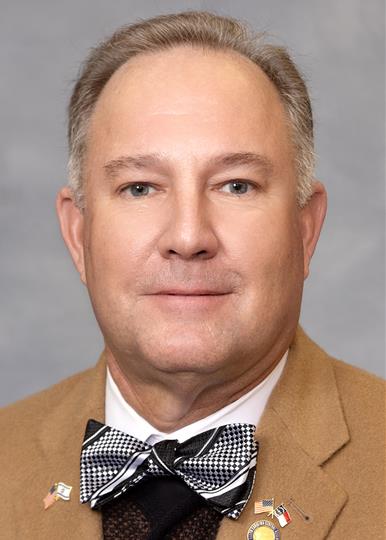
Rep. Jeff McNeely
Sponsored bills
Maddy summaryThis bill, known as Jaleeyah's Law, strengthens North Carolina's anti-gang laws by updating definitions of criminal gangs and increasing penalties for soliciting minors to participate in gang activity. It creates new offenses for encouraging people under 18 to join gangs and for gang members possessing firearms, with stricter penalties for those under 18. The legislation also allocates funding to hire additional prosecutors and investigators specifically focused on criminal gang cases. These changes will take effect in 2026 and aim to provide clearer legal tools for prosecuting gang-related crimes.
Maddy summaryThis bill requires the North Carolina Department of Health and Human Services, the Department of Information Technology, and the Administrative Office of the Courts to study the state's involuntary commitment process. The agencies must identify gaps in the current system and submit a report with recommendations by February 1, 2027. Key areas for improvement include ensuring judges receive timely clinical data, training legal officials on community-based treatment options, and updating electronic forms to capture consistent data. The legislation also aims to increase data sharing between health and court systems to support more effective legal and clinical outcomes.
Maddy summaryHB 162 requires North Carolina counties and cities to conduct criminal history background checks through the State Bureau of Investigation for all job applicants whose positions involve working with children in any capacity. This applies specifically to local government employment decisions, mandating checks for roles like childcare workers, school staff, or youth program coordinators, but not for general positions. The law takes effect October 1, 2025, and does not alter existing background check processes for non-child-related roles. It directly affects local government hiring practices by adding a mandatory screening requirement for child-impacting positions.
Maddy summaryThis bill creates a voluntary program allowing businesses in North Carolina to contribute to portable benefit accounts for their independent contractors. The plan enables hiring parties to fund benefits such as health insurance, retirement, and disability through a third-party administrator, which helps contractors maintain coverage when moving between jobs. To encourage participation, the legislation allows businesses to deduct contributions as business expenses and permits contractors to exclude those amounts from their taxable income. Additionally, the bill includes a $100,000 appropriation to fund public education about the program, which will take effect on July 1, 2026.
Maddy summaryHB 1200, known as the Tax-Free Family Essentials Act, removes the state sales tax on specific items including diapers, baby wipes, over-the-counter children's medication, prenatal vitamins, and feminine hygiene products. The bill directly affects families purchasing these goods by exempting them from the tax, while also clarifying the legal definitions of these items to ensure consistent application. These tax exemptions will take effect on October 1, 2026, and apply to all sales occurring on or after that date.
Maddy summaryThis bill imposes a $10 fee on every customer entering sexually oriented businesses in North Carolina that also hold an alcohol permit. The collected fees must be remitted quarterly to the Department of Revenue and deposited into a fund designated for sexual assault and rape crisis services. Businesses are required to keep daily records of customer counts without collecting personal names, and they must submit these records for audit upon request. The legislation aims to address secondary impacts on public health and safety by funding support services rather than targeting the businesses' expressive content.
Maddy summaryHB 356 clarifies what insurance companies and agents can offer to customers without violating anti-rebate laws. The bill permits insurers and producers to provide certain value-added products or services, such as those aimed at loss mitigation, health, or financial wellness, at reduced or no cost, provided they meet specific criteria and relate to the insurance coverage. It also allows for non-cash gifts or services up to $250 per policy term and drawings or raffles with prizes up to $250, as long as these offers are not unfairly discriminatory and do not require the purchase or renewal of a policy. These changes directly affect insurance companies, agents, and their customers by defining new exceptions to prohibited trade practices.
Maddy summaryHB 34 creates a new criminal offense for stealing or misusing someone else's mail, directly affecting individuals who unlawfully take, control, or transfer mail intended for others. The bill defines "mail" broadly to include letters, packages, or valuable items sent to another person and prohibits two specific actions: stealing mail to deprive the owner, or transferring mail to benefit someone not entitled to it. Punishments range from a Class A1 misdemeanor for first-time, low-value thefts (under $200) to a Class D felony for repeat offenses or high-value thefts (over $2,000). This law, effective December 1, 2025, applies to offenses committed after that date.
Maddy summaryHB 349 updates North Carolina's requirements for healthcare powers of attorney (POA) and advance health care directives (like living wills). It clarifies witness and notary rules to prevent conflicts of interest (e.g., prohibiting facility staff from witnessing), standardizes forms for easier use, and allows electronic filing of directives with the Secretary of State’s registry. The bill directly affects residents planning ahead for medical decisions, ensuring their chosen agents or instructions are legally recognized. Key changes include revised witness eligibility criteria, simplified form language, and a new online filing option to improve accessibility. The bill does not alter medical care standards but streamlines the legal process for end-of-life planning.