

Maddy summaryHB 548 requires North Carolina's Department of Commerce to conduct biannual analyses of the state's economic progress and well-being using specific community-focused metrics. It allocates $200,000 annually from the General Fund to fund these reports, which must measure poverty rates, housing and childcare costs relative to income, job quality, and neighborhood poverty patterns across all counties. The reports, due to the General Assembly by January 31 each odd-numbered year, will use public data and community input to assess economic conditions beyond traditional market indicators. This bill directly affects how state policymakers evaluate economic policy impacts, focusing on tangible quality-of-life factors for all North Carolinians.
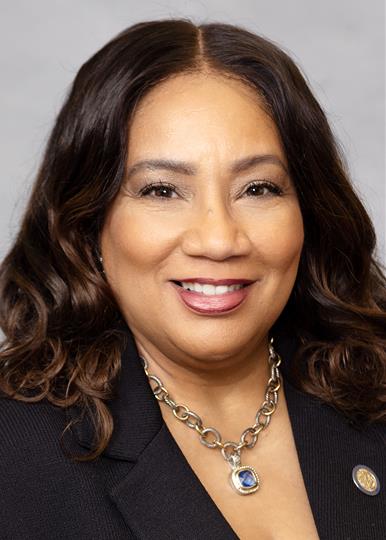
Rep. Amber Baker
Sponsored bills
Maddy summaryHB 275 increases penalties for drivers who fail to yield the right-of-way to blind or partially blind pedestrians using a white cane (white or red-tipped) or a guide dog. It requires drivers to come to a full stop, leave a clear path, and remain stopped until the pedestrian has crossed at both uncontrolled intersections and signal-controlled crossings where the pedestrian is already moving when lights change. This bill directly affects drivers operating vehicles in North Carolina and blind/partially blind pedestrians using visible signals. The penalty for violating this law becomes a Class 2 misdemeanor, effective December 1, 2026.
Maddy summaryHB 521 would require most North Carolina employers to provide earned paid sick leave to workers. It mandates that employees accrue one hour of paid sick time for every 30 hours worked, with limits of 32 hours per year for small businesses (10 or fewer employees) and 56 hours for larger employers. The leave covers the employee's own health needs, care for immediate family members, or situations related to domestic violence, sexual assault, or stalking. Exemptions include volunteers, certain exempt employees under wage laws, and domestic workers employed in a private residence. The bill directly affects over 1.6 million private-sector workers in North Carolina, particularly low-wage and high-contact industry workers who currently lack access to paid sick days.
Maddy summaryHB 532 creates special districts in North Carolina called "Research and Production Service Districts" (for research parks) and "Urban Research Service Districts" (URSDs). It allows counties to establish these districts to provide services like utilities, parks, or transportation - beyond standard county offerings - financed through local taxes. Key provisions require counties to form advisory committees (with at least 10 members, including a developer representative), clarify multi-county district rules, and let developers act as agents to contract for services within the district. This directly affects counties, developers of research parks, and property owners in these designated zones.
Maddy summaryHB 542 appropriates $7.5 million annually from the ARPA Temporary Savings Fund for the 2025-2027 fiscal biennium to expand mental and behavioral health services for children, families, and staff in North Carolina child care facilities and out-of-school programs. The funds, managed by the North Carolina Partnership for Children (NCPC), must supplement existing services and cannot replace current funding, with unused funds remaining available until fully spent. NCPC must distribute the funds to local partnerships and submit annual progress reports detailing services provided, participants served, and recommendations for future initiatives. The bill also establishes a special fund to hold unexpended funds, allowing NCPC to retain up to $5 million in cash annually for future use.
Maddy summaryHB 531 appropriates $4 million annually to expand North Carolina's New Teacher Support Program, directly benefiting new teachers with alternative licenses (such as residency or emergency permits) and their local school districts. The bill provides three key supports: assigned regional instructional coaches, professional development aligned with teachers' needs, and a beginning teacher summit. It prioritizes schools in designated high-need counties to address a 15% first-year attrition rate among new teachers. This funding eliminates cost barriers for schools and teachers, making program participation free and increasing access to evidence-based support.
Maddy summaryHB 533 allocates state funds for specific infrastructure projects in Siler City and Pittsboro. It provides $2.45 million for Siler City’s downtown streetscape (including underground power lines and wider sidewalks), $10.4 million for a new recreation facility and field improvements, and $5 million for a new fire station. Pittsboro receives $10 million for a new fire station, ladder truck, and fire engine. These funds, designated for the 2025-2026 fiscal year, directly support public infrastructure improvements in both towns.
Maddy summaryHB 503, the "Don't Tread on Me Act," proposes new protections for North Carolinians by restricting government overreach in privacy, healthcare, education, and employment. It prohibits state agencies from conducting warrantless surveillance, demanding private medical or political information for services, denying reproductive care based on ideology, interfering with parental decisions without due process, or censoring fact-based education. The bill also bans discrimination in employment, housing, or public services based on private beliefs, medical history, or lawful conduct. Currently in early legislative stages (filed March 24, passed 1st reading March 26), it would take effect if enacted.
Maddy summaryHB 513 appropriates $1 million annually from the General Fund to fund North Carolina's Long-Term Care Ombudsman Program through fiscal years 2025-2027. It allocates $855,000 yearly to create nine new full-time Regional Ombudsman positions in areas most needing support, as determined by the State Ombudsman, to help meet national staffing standards. The remaining funds cover operational costs like equipment, supplies, and transportation for existing program staff. This directly benefits long-term care residents by expanding access to ombudsman services that address facility concerns and advocate for their rights.
Maddy summaryHB 499, the North Carolina Paid Family Leave Insurance Act, would create a state-run program providing up to 26 weeks of paid leave for eligible workers in North Carolina starting January 1, 2027. It directly affects most employees who meet income and work requirements, allowing them to take leave for the birth or adoption of a child (up to 12 weeks), caring for a seriously ill family member (up to 12 weeks), their own serious health condition (up to 18 weeks), or caring for a military service member (up to 26 weeks). The program is funded through employee contributions and administered by the Division of Employment Security, with specific definitions of eligible family members and protections against employer retaliation for taking leave. The bill does not cover federal employees or the U.S. government.