

Maddy summaryHB 5, the NC Constitutional Carry Act, allows any U.S. citizen aged 18 or older to carry a concealed handgun without a permit, effective upon enactment. This directly affects most adult residents who are not prohibited from firearm ownership under existing state or federal law. The bill removes the permit requirement for concealed carry (per new Section 14-415.35(a)), while maintaining all existing prohibitions - such as for felons, domestic violence offenders, or those under indictment. It also preserves the ability to obtain permits for reciprocity or other purposes, and continues allowing officials with permits to carry while on duty. The law does not change restrictions for prohibited individuals, who remain barred from concealed carry.
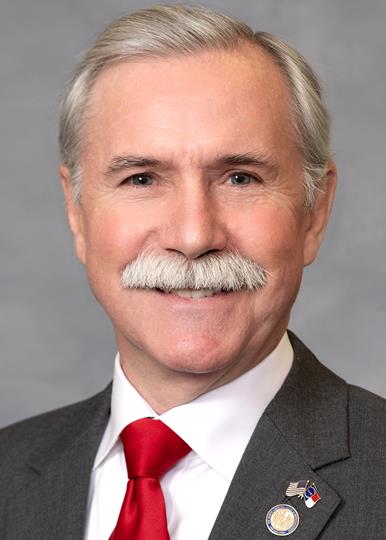
Rep. Dennis Riddell
Sponsored bills
Maddy summaryHB 425 raises North Carolina's legal sales age for all tobacco products, including vaping devices and e-liquids, from 18 to 21. It directly affects retailers (who must obtain a tobacco sales permit) and youth (who are prohibited from purchasing these products). The bill requires retailers to verify purchasers' ages using accepted ID and mandates inspections of retail locations to enforce compliance, with penalties including fines up to $1,000 for violations.
Maddy summaryHB 35 designates November of each year as Military Appreciation Month in North Carolina. The bill creates a symbolic recognition within state law, honoring military service members and veterans during this month. It does not establish new programs, funding, or requirements - it simply formally names November for this purpose. The bill affects the state government's official calendar and public recognition efforts, with no direct impact on individuals or organizations.
Maddy summaryHB 408 appropriates $869,000 from the General Fund to complete remaining construction at Fort Fisher State Historic Site, which is North Carolina's most-visited historic site. The funding covers specific items not included in prior appropriations, such as a visitor center tower sign, interior partitions, historic gun carriages, and an ammunition magazine inside reconstructed earthworks. This bill directly supports the site's operations and visitor experience by finishing Phase 1 (visitor center/parking) and Phase 2 (reconstructed earthworks) capital improvements. The funds are designated for the 2025-2026 fiscal year and become effective July 1, 2025.
Maddy summaryHB 422, the "Beyond The Choice Act," eliminates a 12-month residency wait period for eligible veterans and their dependents at North Carolina public colleges and universities. It allows veterans who served 90+ days of active duty, their dependents, or other individuals covered under federal law (38 U.S.C. § 3679) to pay in-state tuition rates immediately upon admission, without needing to establish residency first. This change applies to all qualifying students enrolling in the 2025-2026 academic year and beyond. The bill directly benefits veterans and their families by reducing financial barriers to higher education in North Carolina.
Maddy summaryHB 182 creates two key policy changes: First, it allows judges to issue lifetime no-contact orders against defendants convicted of certain violent offenses (including sex offenses requiring registration), requiring a show-cause hearing to determine if the victim fears future contact. Second, it clarifies that caregivers of children under 16 who commit or allow sexual acts with the child face Class D felony charges, specifically expanding penalties for permitting such abuse. The law directly affects victims of violent crimes (through the no-contact protections) and caregivers of children under 16 (through updated felony charges for sexual abuse). These provisions apply to offenses committed on or after December 1, 2025.
Maddy summaryHB 276 expands the definition of "killed in the line of duty" for firefighters to include deaths caused by specific cancers that previously qualified them for benefits under North Carolina's Firefighters' Cancer Insurance Program. The bill adds seven specific cancers (like mesothelioma and testicular cancer) to the list and includes any cancer diagnosis that already provided benefits under the existing program. It also formally links the Firefighters' Health Benefits Pilot Program to the Cancer Insurance Program, ensuring consistent coverage, and appropriates $2 million annually for related death benefits starting July 1, 2025. This change directly affects firefighters diagnosed with covered cancers and their families, who will now qualify for death benefits under the Public Safety Employees' Death Benefits Act.
Maddy summaryHB 52, the "Protect Those Who Serve and Protect Act of 2025," increases penalties for assaults against public safety personnel and their animals. It creates a new Class I felony offense for throwing, spraying, or projecting substances (like water) at public safety officers or law enforcement/search and rescue animals while they are on duty or due to their role. The bill also prohibits intentionally pointing laser devices at these protected individuals or animals during duty. These changes update existing assault laws to explicitly cover a wider range of emergency workers (including firefighters, medical staff, National Guard members, and school employees) and add specific protections for animals used in public safety.
Maddy summaryHB 367 requires North Carolina's State Crime Laboratory to provide sexual assault victims with updates on the status of their examination kits. Victims will be notified if their kit cannot be tested, if testing is declined for reasons other than untestability, or if the kit is scheduled for destruction. The law mandates that the lab develop procedures for these notifications but specifies victims must provide and maintain current contact information. This law takes effect October 1, 2025, applying to all kits submitted before, on, or after that date.
Maddy summaryHB 365, the Workforce Education Act, revises North Carolina's community college funding model to base allocations on student enrollment in workforce-focused programs like career training and continuing education, starting in 2025-2026. It creates an Enrollment Increase Reserve (funded with $6 million initially) to provide additional support to colleges experiencing enrollment growth exceeding 5% or 325 students, preventing funds from reverting to the general budget. The bill also expands funding for cooperative high schools in underserved areas, with tiered payments based on county development status (e.g., $740,000 for first high schools in "Tier One" regions). These changes directly affect community colleges, public school students accessing career programs, and participating high schools seeking to expand workforce education opportunities.